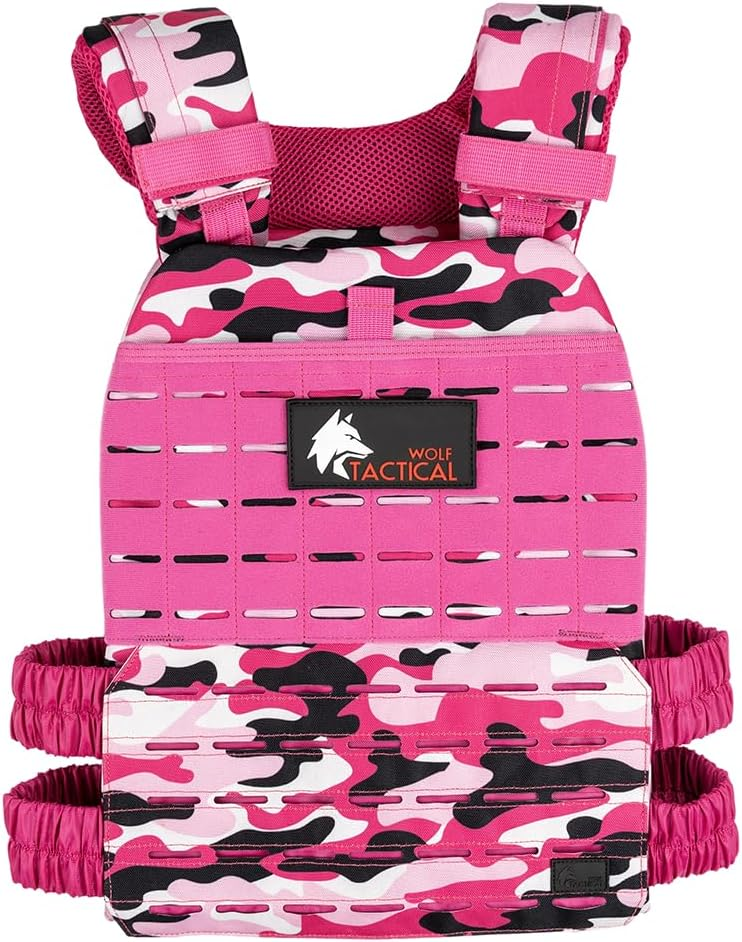
Why a 100 lb weighted vest changes the game
Using a 100 lb weighted vest dramatically increases the stimulus from walking, rucking, and bodyweight conditioning. This level of load shifts a cardio session into a hybrid strength-endurance workout. Done correctly it builds resilience, increases bone density, and accelerates calorie burn; done poorly it risks joint stress and movement breakdown. Below I explain safe progression, programming tips, and how to estimate calorie burn for heavy-vest sessions.
Safety first: checklist before you load 100 lb
- Build a base: be comfortable carrying 20–40% of your bodyweight before heavier loading.
- Prioritize posture: keep a neutral spine, short stride, and engaged core.
- Progress in small steps: add 5–10 lb increments and spend weeks adapting at each level.
- Footwear and surface: use supportive shoes and soft-to-moderate terrain; avoid hard repetitive pounding.
- Monitor pain: nip joint or tendon pain in the bud—reduce load, volume, or stop.
Programming a 100 lb vest session
Because 100 lb is heavy relative to most users, sessions should focus on low-moderate distance at first and include plenty of recovery. A simple progression might look like:
- Week 1–2: 10–15 minute walks adding 5–10 lb per session as tolerated.
- Week 3–6: 20–30 minute rucks (soft terrain) 2–3 times per week with the full target load on only one session per week.
- Maintenance: alternate heavy-vest short rucks with light-vest longer walks and unloaded strength days.
Accessory gear for heavy vest use
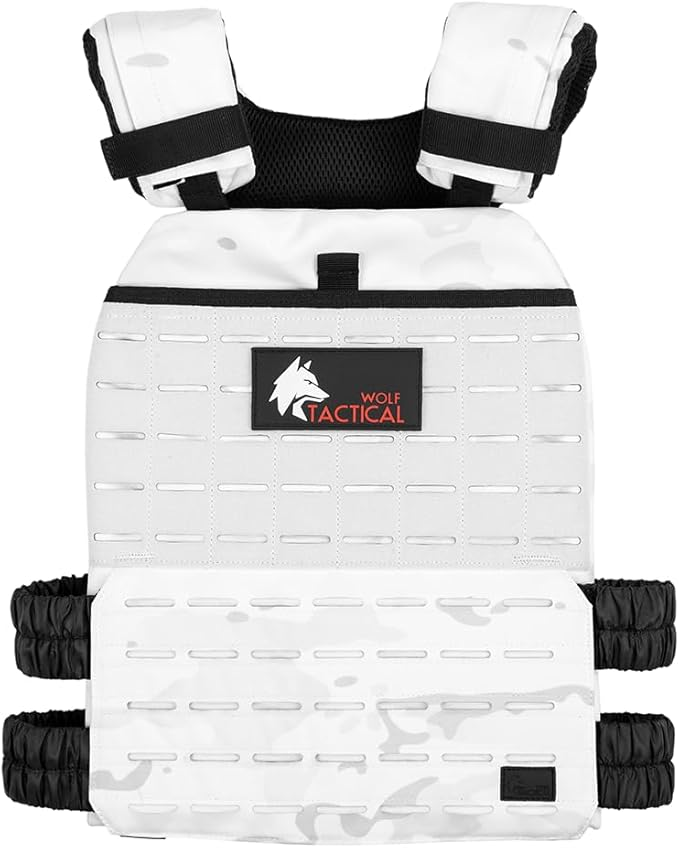
For heavy loading I recommend a plate-capable vest. The Kensui EZ-VEST® MAX V2 is built for large loads and stability—ideal when you’re working up to or using 100 lb. Use durable plates and distribute weight evenly to avoid rocking and spinal rotation. For hydration during long sessions, pair your vest with a reliable hydration system.

Example inline product link: consider the Kensui EZ-VEST® MAX V2 for heavy-strength work and high-load conditioning.
Estimating calorie burn for a 100 lb vest session
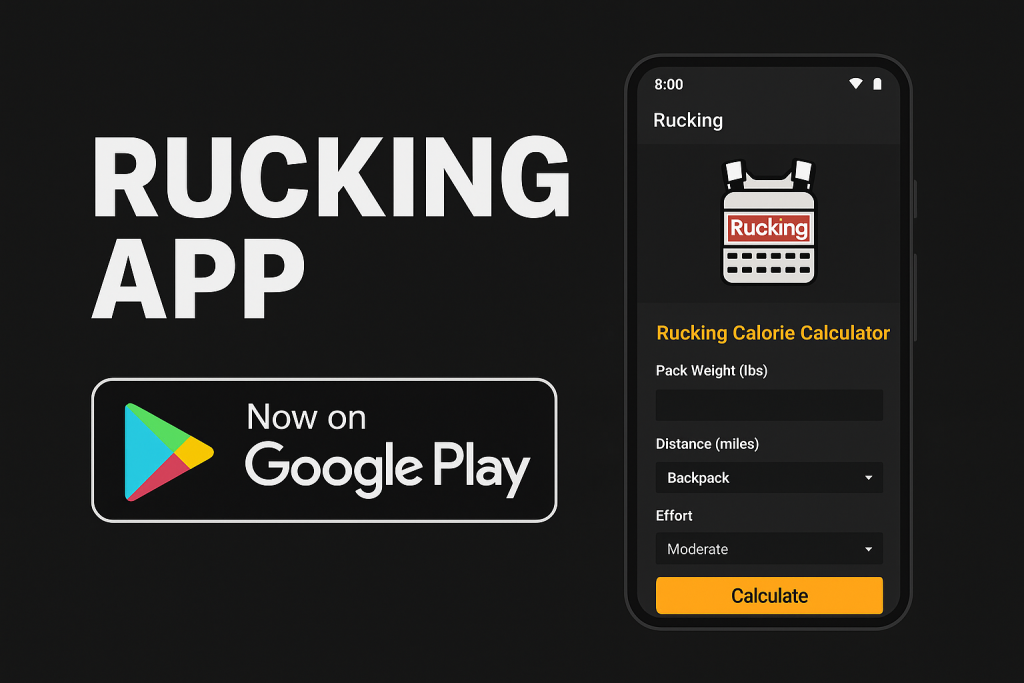
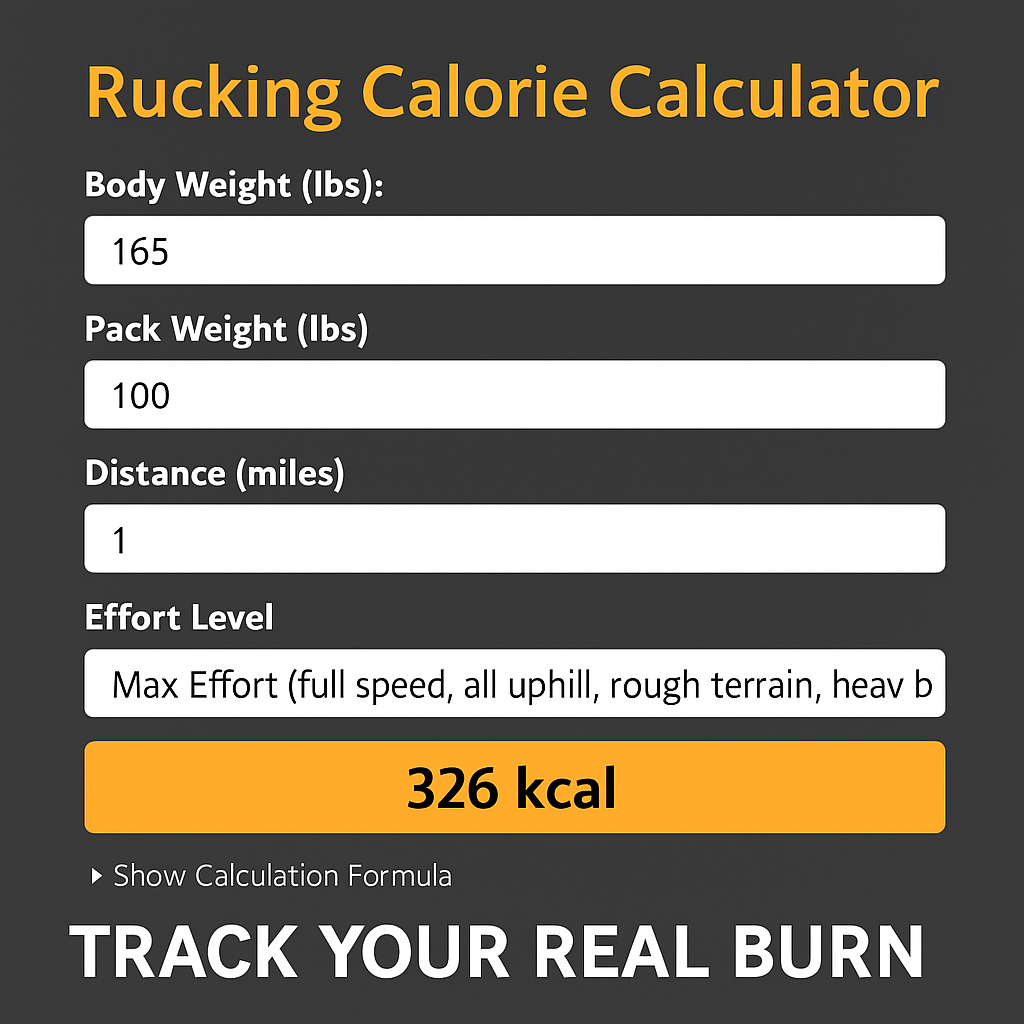
Estimating energy expenditure helps plan recovery and nutrition. Use the rucking calorie calculator to get individualized estimates based on bodyweight, pace, distance, and load. I recommend trying the tool below to see realistic calorie numbers for heavy-vest rucks.

Click the calculator, enter your bodyweight, pace, and the 100 lb load to estimate session calories. Use that number to guide daily calories and refill strategies after longer rucks.
Recovery and nutrition notes
- Post-ruck protein: aim for 20–40 g protein within two hours of a hard session.
- Carbohydrate refill: for sessions longer than 60 minutes, include 30–60 g carbs per hour during the activity and replenish afterward.
- Deload weeks: after 2–3 weeks of increasing load or volume, plan a lighter week to avoid overuse injuries.
In short, a 100 lb weighted vest is a potent training tool when used with progressive loading, stable equipment, and conservative programming. Respect the load, track your effort with a calorie calculator, and build methodically—this is how heavy-vest work becomes a sustainable long-term asset for strength, endurance, and body composition.