Weighted Vest Black Friday Deals and How to Choose

Weighted Vest Black Friday: Buy Smart, Train Hard

Black Friday is the best time to pick up a weighted vest at a steep discount, but the right deal depends on how you plan to use the vest. In this guide I cover practical buying rules, what to inspect on the product page, and how to estimate how many calories a weighted vest session will burn so you can compare value across models.

Choose by use, not price

There are three common use cases: walking/rucking, high-intensity interval training (HIIT) and heavy strength or calisthenics. Each needs different features:

  • Walking/rucking: comfort, breathability, secure fit and even weight distribution.
  • HIIT and functional training: low-profile design and firm plate pockets so plates don’t shift during burpees or sprints.
  • Heavy strength work: high max capacity and durable plates or a harness system to handle heavy loading.

What to inspect on a Black Friday listing

  • Return window and warranty — deals aren’t worth it if you can’t return a bad fit.
  • Adjustability — look for multiple points of adjustment and removable padding.
  • Weight increments — plates or sand pockets that allow small, precise changes are more useful than single heavy pieces.
  • Venting and coverage — for long walks, a vest that breathes and doesn’t trap sweat prevents chafing and heat issues.

Two models to watch during deals

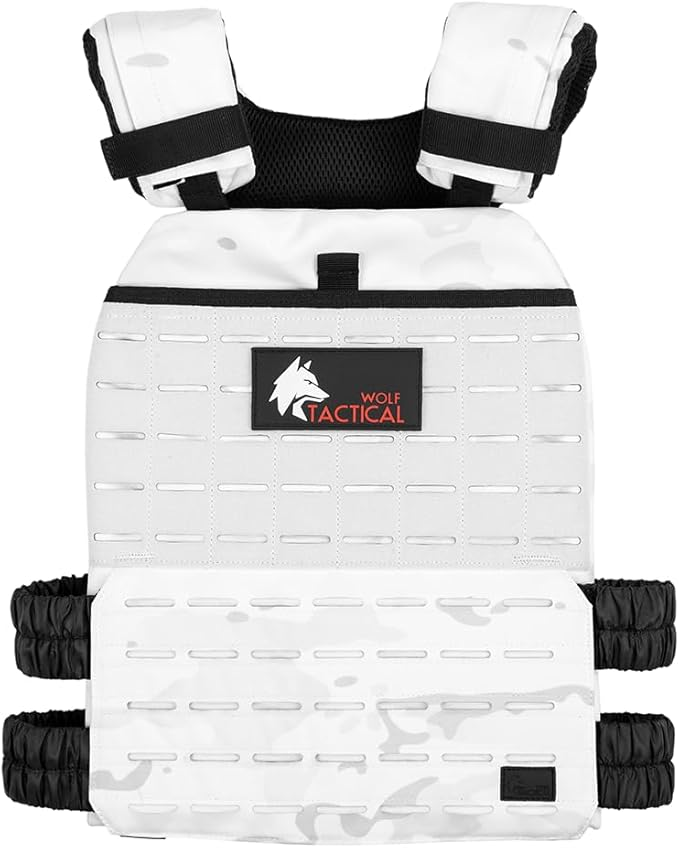
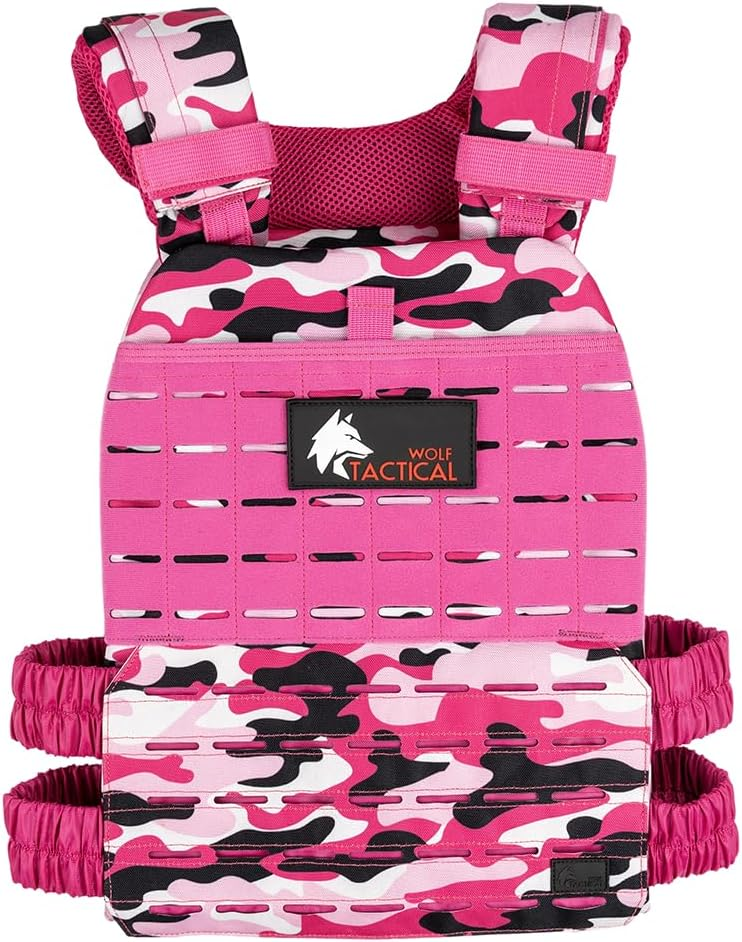
For Black Friday shoppers focused on comfort and versatility, the Wolf Tactical Simple Weighted Vest is a reliable pick. If you plan to graduate into loaded long-distance rucks or want a backpack alternative, consider a GORUCK Rucker-style pack.

Wolf Tactical Simple Weighted Vest is a great entry-to-intermediate choice with adjustable weight and good fit for long walks and HIIT.


Wolf Tactical Simple Weighted Vest for walking and rucking
Wolf Tactical Simple Weighted Vest — comfortable, adjustable, and great value on sale.

GORUCK Rucker 4.0 20L is ideal if you want a rucksack that handles plates, water, and long-distance load carriage with military-grade durability.


GORUCK Rucker 4.0 20L for heavy-duty rucking
GORUCK Rucker 4.0 — built for long loaded marches and durable enough for years of use.

How to compare cost-per-use

Do the math. Estimate how many sessions you’ll use the vest each year and divide the sale price by that number. If a $150 vest saves you a $300 purchase later because it fits correctly and lasts, it’s worth buying on Black Friday.

Estimate calorie burn before you buy

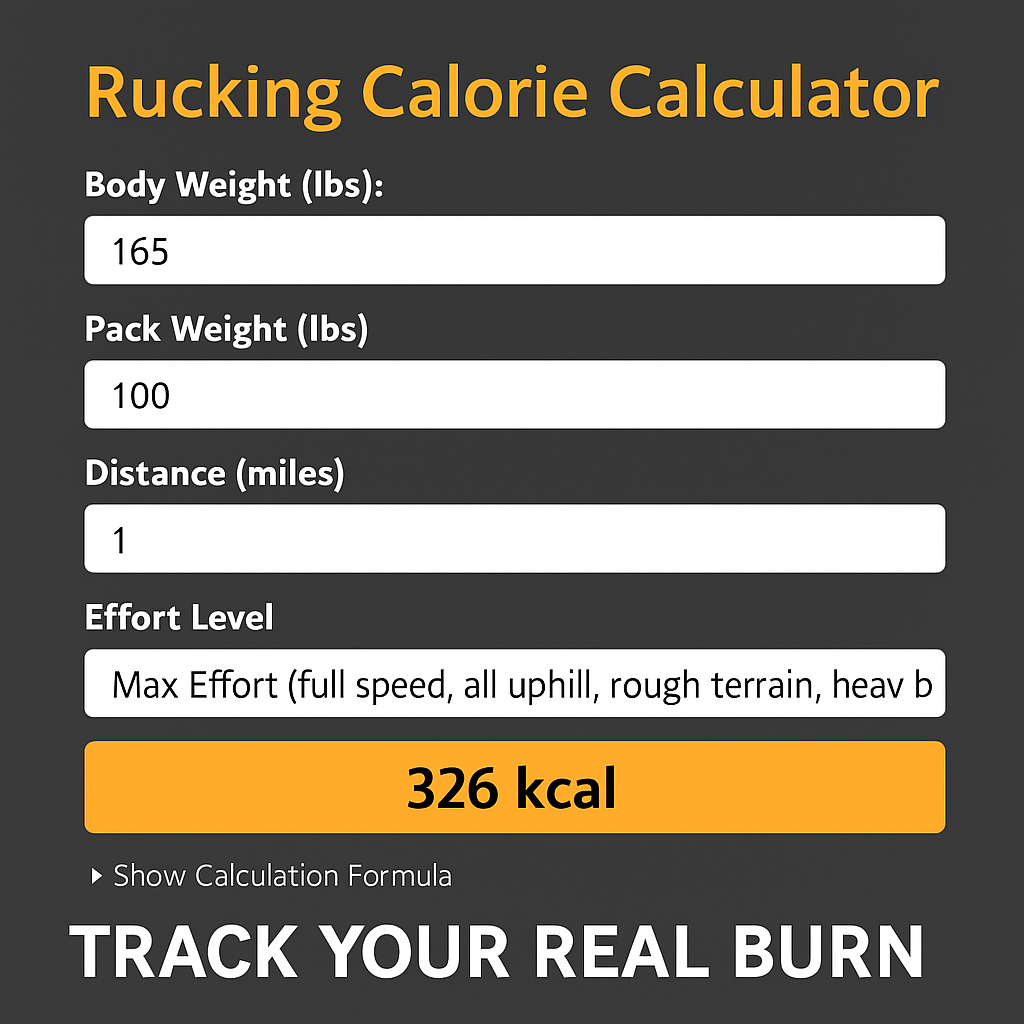
Use the rucking calorie calculator to estimate how many calories different weight/load and pace combinations will burn. That helps you compare the value of a vest based on how many sessions it will realistically support.


Rucking calorie calculator screenshot
Estimate calories burned with different weights and paces using the Rucking Calorie Calculator.

Quick Black Friday checklist

  • Confirm return policy and shipping timelines.
  • Check weight increments and maximum capacity.
  • Compare comfort features: padding, straps, and ventilation.
  • Run a calorie estimate for your typical session to assess value.

Black Friday is about smart buying, not impulse. Prioritize fit and function, use the calculator above to estimate how much training value you’ll get, and grab a trusted model when the right price appears. Train outside, keep it consistent, and let the gear support the work.

Posted in Weighted Vest Training | Tagged , , , , | Comments Off on Weighted Vest Black Friday Deals and How to Choose

Beyond RX Weighted Vest: practical fit and rucking use

What the beyond rx weighted vest is and who it suits

The Beyond RX weighted vest is a performance-minded vest aimed at athletes who want a straightforward load for strength, conditioning, and rucking. In practice, a good weighted vest should sit close to the torso, distribute weight evenly, and let you move without chafing. This guide walks through fit, programming, comfort, and how to use the vest safely on outdoor rucks and walks.

Fit, sizing, and comfort

Fit is the single most important factor. A vest that rides up or shifts will cause shoulder and lower back irritation under load. Look for a vest that:

  • Centers weight around the sternum and upper back, not low on the hips.
  • Has adjustable straps to prevent vertical and lateral movement.
  • Uses breathable panels where skin contacts the shell to reduce heat and chafing.

For beginner-friendly comfort, I often recommend a soft, modular option that accepts small plates or sand pouches; that lets you tune load without buying a single heavy vest.

How to use it for rucking and conditioning

Weighted vests are flexible: walk, ruck, run short intervals, or use them for bodyweight strength work. Start with conservative loads—5–10% of bodyweight for long walks, 10–20% for shorter, more intense sessions—and increase no more than 5% every 2–3 weeks depending on how your joints and back respond.

  • Beginner ruck: 30–60 minutes at conversational pace with light load.
  • Intermediate: mixed tempo rucks, 60–90 minutes, add hills or intervals.
  • Strength circuits: 3–4 rounds of push-ups, rows, squats while wearing vest (moderate load).

Programming and progression

Progression is simple: increase volume, intensity, or load—never all three at once. A typical 8-week block might add 10% more weight at week 3 and extend ruck time by 15 minutes at week 5. Keep at least one deload week every 4–6 weeks with reduced time or load.

Common issues and fixes

  • Vest rides up: tighten the vertical straps and reduce load until comfortable.
  • Shoulder pain: check strap placement and pad thickness; swap to a vest with wider straps if necessary.
  • Heat and sweat: choose breathable panels or use the vest for shorter sessions in hot weather.

Complementary gear recommendations

For long-distance, durable rucking, a good ruckpack helps stabilize the load and carry hydration. For comfort-first vest options try a soft, adjustable model; for heavy strength-based training use plate-compatible systems.

Example: the WOLF TACTICAL Simple Weighted Vest (Men/Women) is a comfortable choice for mixed cardio and walking rucks.


Wolf Tactical Simple Weighted Vest for rucking
Comfort-minded vest for long walks and beginner ruckers.

If you plan longer, military-style rucks with external gear, pair the vest with a durable ruck like the GORUCK Rucker 4.0 20L to carry extra kit and hydration.


GORUCK Rucker 4.0 20L ruckpack
Durable ruckpack for long-distance weighted hikes and modular gear.

Calculate calories for a ruck

To estimate calorie burn and make weight-based adjustments, use the rucking calorie calculator. It helps pick an appropriate walking pace and load for your goals.


Rucking calorie calculator screenshot

Final notes

Beyond RX makes a capable vest when fit and build quality match your training. Prioritize fit, progress load conservatively, and pair the vest with a stable ruck for longer outings. Use the calorie calculator to align sessions with fat-loss or conditioning goals and always listen to joint feedback—small adjustments to strap and load placement solve most issues.

Posted in Weighted Vest Training | Tagged , , , , | Comments Off on Beyond RX Weighted Vest: practical fit and rucking use

Better bones weighted vest: safe vest strategies to build bone density

Why a weighted vest helps create better bones

Building and maintaining bone density is a long game. As an ISSA-certified trainer who coaches outdoor rucking and weighted-vest work, I use progressive external loading because it forces your skeleton and the connective tissues around it to adapt. A properly fitted weighted vest turns bodyweight walking, stair work, and short sprints into a controlled stimulus your bones respond to without the impact of running.

How the loading works

Bone is a living tissue that responds to strain. When you add weight to your torso and walk with good posture, you increase ground reaction forces and muscle activation across hips, spine, and ankles. Over weeks and months, that repeated, moderate loading drives bone remodeling and improves balance — two huge protective factors against fracture as we age.

Practical safety checklist

  • Start light: add 5–10% of bodyweight and assess pain-free movement for a week.
  • Progress gradually: increase load or duration 5–10% every 2–3 weeks, not daily.
  • Focus on posture: keep a neutral spine and avoid leaning forward to compensate for weight.
  • Mix motion: pair weighted walks with bodyweight strength for hips and thoracic spine.
  • Keep medical context: if you have osteoporosis or prior fractures, clear loading plans with your physician.

Programming templates for better bones

Here are two simple progressions you can follow outdoors. Both emphasize steady, low-impact loading which is more sustainable than high-impact exercise for many people.

Beginner — 8 weeks

  • Weeks 1–2: 20–30 minute walks, 2–3x/week with a light vest (5–10% bodyweight).
  • Weeks 3–5: increase to 30–40 minutes and add a short hill or stair set once weekly.
  • Weeks 6–8: 40–60 minutes, 3x/week with step-ups or loaded lunges twice weekly.

Intermediate — 8 weeks

  • Weeks 1–4: 45–60 minute rucks 3x/week with 10–15% bodyweight.
  • Weeks 5–8: add interval sections—5 x 2-minute faster walks or stair climbs—while keeping total session load manageable.

Those templates prioritize consistent mechanical stimulus. For long-term bone health, consistency beats intensity. I recommend tracking weight, time, and perceived exertion so you can make small, measured increases.

Equipment that makes compliance easy

Fit and comfort determine whether you wear a vest three times a week or never again. For most people focused on comfort and steady walking, I recommend a user-friendly vest that distributes load evenly and doesn’t shift. One practical option is the WOLF TACTICAL Simple Weighted Vest, which is designed for walking and rucking without excessive bulk.


WOLF TACTICAL Simple Weighted Vest for walking and rucking
Even load distribution and modest profile make the Wolf Tactical vest easy to wear on long walks.

Track the work and calories (optional)

If you want a straightforward estimate of steady-state calorie burn while wearing a vest, use the Rucking Calorie Calculator. It helps translate your walking time, pace, and added weight into practical numbers so you can plan nutrition and recovery.


Rucking Calorie Calculator screenshot
Estimate calories burned with vest or pack using the Rucking Calorie Calculator.

A final word from my experience

I lost 90 lbs through consistent rucking, weighted-vest training, and disciplined nutrition; I still recommend weighted vests as one of the most reliable ways to maintain lower body weight and stimulate bone and muscle over time. Start conservatively, prioritize form, and step up the load slowly — better bones are built with steady, outdoor-first work that you can keep doing for years.

Posted in Weighted Vest Training | Tagged , , , , | Comments Off on Better bones weighted vest: safe vest strategies to build bone density

How to Wear a Weighted Vest Under Clothes Comfortably

Wearing a weighted vest under clothes: why and when

I train people outdoors and I wear weighted vests most days for short cardio, rucking, and strength-assisted walks. Wearing a weighted vest under clothes is discreet, practical, and keeps your load close to your center of mass — which improves posture and reduces swing. Done right, it lets you add steady calorie burn to everyday movement without advertising you’re training.

Fit and layering basics

Start with fit. A vest that shifts is a vest that will rub, chafe, and create hotspots underneath fabric. Look for a low-profile vest with adjustable straps and slim plates. Don’t over-layer: a light, moisture-wicking base layer under the vest and a looser outer layer is the simplest approach. Avoid thick fleece between you and the vest — it traps heat and increases chafing.

What to wear over and under

  • Under: a tight-fitting, breathable base layer (polyester or merino blend) to reduce friction.
  • Vest: slim-profile or plate-style designs that sit close to the torso.
  • Over: a shirt or jacket that’s one size up if you need mobility; a softshell for cooler weather works well.

Comfort tips and skin care

Break in a new vest with short sessions: 10–20 minutes on day one, increasing by 10 minutes each session. Apply anti-chafing balm to high-friction areas if you have sensitive skin. Keep an eye on straps and seams — they’re the usual trouble spots. If you sweat a lot, wash the vest regularly per manufacturer instructions; trapped sweat accelerates material breakdown and odor.

Weight and movement guidance

Begin conservatively. If you’re new to wearing weight under clothes, start with 5–10% of your bodyweight for walks, or 5–15 lb for short activity bursts. Focus on walking posture: short, purposeful steps and a slight forward lean when rucking. For strength-assisted routines, keep the vest snug so it doesn’t shift during hills or step-ups.

Discreet options and product pick

If discretion is a priority, choose a vest designed with low profile plates and minimal exterior webbing. For most people wanting an unobtrusive, comfortable option that fits under clothing, I often recommend the WOLF TACTICAL Simple Weighted Vest because it balances profile and durability.


WOLF TACTICAL Simple Weighted Vest under a jacket
WOLF TACTICAL Simple Weighted Vest: slim profile and adjustable fit for discreet wear.

Quick checklist before you leave the house

  • Vest secure and snug against your torso.
  • Base layer smooth, seams flat to avoid hotspots.
  • Outer layer allows full range of motion (and breathability).
  • Hydration and a short plan: distance and intensity mapped out.

Use the calculator to plan your session

Before you step out, estimate how many calories your ruck or weighted walk will burn using the Rucking Calorie Calculator. It helps you choose vest load and duration to match your goals.

Rucking Calorie Calculator screenshot

Final notes

Wearing a weighted vest under clothes is a practical way to add load to everyday life without changing your schedule. Start light, prioritize fit and skin protection, and you’ll be surprised how consistent small sessions add up to real progress. If you have a history of back or shoulder issues, check with a professional before you begin; otherwise, begin conservatively and build time and weight deliberately.

Posted in Weighted Vest Training | Tagged , , , , | Comments Off on How to Wear a Weighted Vest Under Clothes Comfortably

How to use a squat vest for safer, stronger squats

What is a squat vest and why use one?

A squat vest is a heavy, plate-compatible weighted vest designed to add load to the torso while keeping the barbell or bodyweight pattern intact. For lifters who want to increase squat intensity without a barbell on the back—or for athletes training movement under load—a squat vest forces the body to maintain more upright posture and builds core and hip strength in a functional, carry-style pattern.

When a squat vest helps (and when it doesn’t)

Use a squat vest when you want to:

  • Increase loading without stressing the spine with heavier barbell loads.
  • Train tempo and positional strength at depth while keeping hands free.
  • Progressive overload for bodyweight athletes or ruck-focused competitors.

Don’t use it as a crutch for poor squat mechanics. If your hip mobility or bracing is shaky with bodyweight, fix those fundamentals first.

Fit and setup: key to avoiding bad movement

Fit matters more than fashion. A squat vest needs to sit snug on the ribcage and upper abdomen—low enough to allow hip flexion, high enough to avoid sliding when you stand. Tighten straps so the vest doesn’t shift during descent and return. I recommend trying progressive sets with lighter plates until you find a comfortable, non-binding fit.

Programming a squat vest: practical progressions

Start with short sets and controlled reps. Here’s a simple 6-week progression for integrating a squat vest into a squat program:

  • Weeks 1–2: 3 sets of 5–8 reps at light load, focus on depth and bracing.
  • Weeks 3–4: 4 sets of 3–6 reps, increase load 5–10% each week if form is perfect.
  • Weeks 5–6: Add one heavy set of 2–4 reps, or use the vest for paused squats to build bottom strength.

Use vest work as an accessory or a primary tool for days when you want to reduce axial spinal compression but still drive intensity.

Safety cues and coaching tips

  • Brace the core as you would for a heavy back squat—load on the ribcage and push the belly out against the vest.
  • Drive the knees out and sit back to the hips, keeping the chest tall. The vest encourages an upright torso; don’t compensate by hyperextending the lumbar spine.
  • Use slow eccentrics and controlled pauses at the bottom to reinforce positions under load.

Equipment pick: when to choose a heavy-capacity vest

For heavy strength-focused loading, I suggest a plate-capable system like the Kensui EZ-VEST® MAX V2. It’s built to accept high plates and stay stable during multi-rep sets.


Kensui EZ-VEST MAX V2 heavy-capacity squat vest
High-capacity vest built for heavy loading and long-term durability.

See the Kensui EZ-VEST® MAX V2 for heavier strength work when you need plates and secure fit.

Track progress: use a simple calculator

To understand the energy cost and how vest work affects your daily expenditure, use the rucking calorie calculator below. It’s tuned for weighted-vest or backpack-style loading and helps you plan recovery and nutrition around heavy training days.

Rucking Calorie Calculator screenshot

One calculator run after a heavy squat vest session tells you how your session impacts daily calories and recovery needs—use that to manage food and sleep.

Final practical advice

Start conservative, prioritize technique, and progress load only when every rep is solid. I’ve used weighted-vest work across my own training and coaching because it’s a low-tech way to safely add intensity. If you’re coming from a barbell background, think of the squat vest as a complementary tool for volume, position work, and carry-related strength rather than a total replacement for barbell specificity.

Posted in Weighted Vest Training | Tagged , , , , | Comments Off on How to use a squat vest for safer, stronger squats

Work Out Weight Vest: How to Train Safely and Progressively

Why use a weight vest when you work out

Adding a weight vest to your workouts is one of the simplest, most transferable ways to increase intensity without changing movements. You keep the mechanics of walking, running, push-ups, or squats while forcing your body to produce more force and burn more calories. As an ISSA-certified trainer I’ve seen the vest produce steady fat loss and durability when programmed correctly.

Who this guide is for

  • Beginners who want to add load without learning complex lifts.
  • Endurance athletes looking to increase cardiovascular stress on existing routes.
  • People returning from a training hiatus who need low-skill intensity options.

Basic rules to work out with a weight vest safely

Start conservative. A common mistake is adding more weight than the body can tolerate and then blaming the vest for pain. Progress weight, not volume, and prioritize form. Use these rules as a baseline:

  • Begin with 5–10% of body weight for general conditioning; increase in 2–5% increments every 2–4 weeks depending on recovery.
  • Keep sessions short and purposeful—20–45 minutes of focused work for most people when introducing load.
  • Prioritize joint-friendly movements: walking, slow hill repeats, bodyweight squats, and controlled push-ups.
  • Track pain vs. fatigue—sharp joint pain is a stop; muscle soreness is expected.

Example progressive 6-week plan

Simple progressions work best. Here’s a basic template you can adapt:

  • Weeks 1–2: 10–15 minutes of weighted walking or short circuits (push-ups, squats, plank) with 5–10% bodyweight.
  • Weeks 3–4: Increase time to 25–35 minutes or add 2–5% weight if sessions feel easy.
  • Weeks 5–6: Add hills, interval efforts, or a second short circuit. Maintain intensity and prioritize recovery.

Recovery and form cues

Lift the chest, engage hips, and let cadence drive effort—not excessive forward lean or swinging. Sleep, protein, and hydration matter more when you add constant load. Take an extra rest day if your movement quality drops.

Practical gear recommendations

For most people starting with weighted-vest workouts, comfort and fit come first. I commonly recommend the Wolf Tactical Simple Weighted Vest for daily walks and light circuits because it’s adjustable and comfortable.


Wolf Tactical Simple Weighted Vest for walking and rucking
Simple, adjustable vest ideal for beginner weighted-vest workouts and daily walks.

If you’re training with heavier loads or want a vest that stays stable during burpees and plyometrics, the 5.11 TacTec Trainer Weight Vest is a sturdier option that reduces bounce and improves comfort during dynamic work.


5.11 TacTec Trainer Weight Vest for dynamic training
Stable, performance-oriented vest for higher-intensity and plyometric work.

Measure progress with a calorie calculator

Use a rucking calorie calculator to estimate session demand and make data-driven progressions. Plug in your weight, vest load, distance, and pace to compare sessions and avoid sudden jumps in volume.

Rucking calorie calculator screenshot

Final notes from an experienced trainer

I’m Preston Shamblen, ISSA-certified; I lost 90 lbs using rucking and disciplined nutrition, and I still recommend weighted vests as one of the most reliable ways to maintain a lower body weight and burn fat consistently. Keep load conservative early, respect recovery, and use the tools above to build capacity without breaking form.

Program smart, stay outdoors when you can, and treat the vest as a way to increase training stimulus—not a shortcut around technique.

Posted in Weighted Vest Training | Tagged , , , , | Comments Off on Work Out Weight Vest: How to Train Safely and Progressively

Weighted vest for anxiety for adults: choosing, wearing, and safety tips

Why adults use a weighted vest for anxiety

Weighted vests deliver gentle, constant pressure across the torso that can reduce physiological arousal and ground attention. For adults with situational anxiety, sensory processing differences, or those who benefit from deep pressure, a low-profile vest provides a discreet, portable tool you can use during work, commuting, or walks.

Who should consider a weighted vest

  • Adults seeking non-pharmacological, behavioral support for mild-to-moderate anxiety or restlessness.
  • People who respond well to deep-pressure input (many describe it as a calming hug for the nervous system).
  • Those who can tolerate a few pounds against the chest and back without breathlessness or cardiovascular issues.

Choosing the right vest: fit, weight, and materials

The right vest balances calming pressure with comfort. For adults using a weighted vest for anxiety, prioritize adjustability, breathable fabric, and a low center of mass so the weight hugs your torso without bouncing.

Practical selection rules

  • Start light: 2–10% of your body weight is a safe starting guideline for calming purposes. Many adults use 5–7% initially and adjust from there.
  • Choose a snug, but not restrictive, fit. The vest should sit close to the chest and upper back and not impede deep breaths.
  • Prefer small plates or sand inserts that distribute pressure evenly rather than a single heavy block.
  • Opt for breathable mesh or soft neoprene if you’ll wear it during work or longer outings.

How to build a simple wearing routine

Create structure so you get benefit without habituating to the pressure. A starter routine might be:

  • 10–20 minutes during high-anxiety moments (before a meeting, during transit).
  • 30–60 minutes for scheduled calming sessions (walking, seated deep-breathing).
  • A maximum of a few hours total per day at first; increase only if you find consistent benefit and no adverse effects.

Safety and medical considerations

Weighted vests are not a substitute for medical care. Avoid use if you have uncontrolled heart or lung disease, recent abdominal surgery, pregnancy without medical clearance, or any condition that makes breathing difficult. If you feel lightheaded, short of breath, or experience chest pain, remove the vest and seek care.

Recommended beginner-friendly vests

For anxiety-focused wear I favor comfortable, adjustable vests that won’t draw attention or restrict breathing. Two options to consider:

WOLF TACTICAL Simple Weighted Vest (Men/Women) is a low-profile option that fits close to the body and uses discrete weight inserts for even pressure.


Wolf Tactical Simple Weighted Vest for discreet anxiety relief and walking
Low-profile, adjustable fit for daywear and walking.

BAGAIL Adjustable Weighted Vest (4–10 lb, pink) is an ultra-light option for testing how the pressure feels before stepping up weight.


BAGAIL adjustable lightweight vest for adults with anxiety
Beginner-friendly weight range for short sessions.

Track your response and adjust

Keep a simple log: time worn, weight used, subjective anxiety before and after (0–10). Look for consistent downward shifts over 1–2 weeks. If you want to pair wearing with walking or light activity, the Rucking Calorie Calculator helps estimate calorie burn and session intensity.

Rucking Calorie Calculator screenshot

Final practical notes

Weighted vests can be a low-cost, low-risk tool for adults seeking somatic support for anxiety when used thoughtfully. Start light, prioritize comfort, track how you feel, and consult your clinician for persistent or severe symptoms.

Posted in Weighted Vest Training | Tagged , , , , | Comments Off on Weighted vest for anxiety for adults: choosing, wearing, and safety tips

How to Train with a 40 pound vest

Is a 40 pound vest right for you?

A 40 pound vest is a meaningful jump from lighter training loads. For many ruckers and strength athletes it’s a sweet spot: heavy enough to increase calorie burn, add resistance to bodyweight movements, and simulate real-world load, yet manageable for brisk walks and steady sets if you know how to progress. That said, it’s not a beginner-only tool — you need a plan.

Key considerations before you strap in

  • Current conditioning: can you walk 30–60 minutes unweighted with good posture?
  • Joint health: hips, knees, and lower back must be stable; start lighter if you have prior issues.
  • Goals: fat loss, aerobic conditioning, strength carry, or mixed endurance will change how you program a 40 pound vest.
  • Fit and distribution: even weight distribution avoids hotspots and reduces injury risk.

How to use a 40 pound vest safely

Progressive overload applies to vests like any other tool. If you haven’t trained with external load, build up in 5–10 lb increments over weeks. Start with focused sessions — 15–20 minutes of purposeful walking or short sets of weighted push-ups — before you attempt long rucks or high-volume circuits.

Sample progression (4 weeks)

  • Week 1: 2 sessions, 15–20 minutes walking or basic circuits with 10–15 lb vest.
  • Week 2: 2–3 sessions, 20–30 minutes, increase to 20–25 lb as tolerated.
  • Week 3: 2–3 sessions, 30–45 minutes; introduce 40 lb for short segments (5–10 minutes).
  • Week 4: Mix 1 long walk (40 lb, 45–60 min) with 1-2 controlled strength sessions (40 lb sets of 5–15 reps).

Exercise examples with a 40 pound vest

  • Ruck/walks: maintain a 12–20 minute/mile pace if new to 40 lb; drop load to preserve form.
  • Weighted push-ups and pull-ups: reduce reps, focus on perfect mechanics.
  • Step-ups and lunges: great for single-leg strength and carry tolerance.
  • Interval hill repeats: short, intense efforts with full recovery between reps.

Gear and fit recommendations

Fit matters more than flash. If you’re using heavy load often, a vest built for durability and plate compatibility reduces movement and chafing. For maximum heavy-load capacity, I recommend the Kensui EZ-VEST® MAX V2 for strength-based work because it’s built to handle very high loads safely.

Kensui EZ-VEST® MAX V2 is designed for max loading and long-term durability; it’s a go-to when you plan consistent 40+ lb sessions.


Kensui EZ-VEST MAX V2 heavy load weight vest
Built for high-capacity loading and durable for frequent heavy sessions.

For general-purpose and more comfortable daily use, you can favor a more form-fitting option like the Wolf Tactical Adjustable Weighted Vest, which balances movement control with comfort for longer walks and mixed workouts.


Wolf Tactical Adjustable Weighted Vest for rucking and walking
Comfort and adjustability for longer rucks and daily training.

Track progress: calories and pacing

Use a purpose-built calculator to estimate calorie cost and plan your sessions. The rucking calorie calculator here helps you compare walking unweighted vs. with a 40 pound vest and set weekly targets.


Rucking Calorie Calculator screenshot

Click the image to open the calculator, enter your weight, pace, and load, then use the results to structure sessions that balance caloric burn with recovery.

Short, practical note: I lost 90 lbs through consistent weighted-vest work, rucking, and disciplined nutrition — a 40 pound vest is a serious tool that, when used responsibly, reliably increases workload and helps maintain a lower body weight. Train progressively, keep your form, and let the vest amplify disciplined work.

— Preston Shamblen, ISSA-certified personal trainer

Posted in Weighted Vest Training | Tagged , , , | Comments Off on How to Train with a 40 pound vest

How to Use a Water Weight Vest for Rucking, Cardio, and Progressive Load

Why a water weight vest?

Water weight vests let you adjust load on the fly, keep weight centered, and combine hydration with resistance. Used properly they give a different feel than sand or plate vests: the fluid shifts slightly, encouraging active stabilization and helping teach efficient posture during rucks, hikes, and conditioning drills.

Who should consider one

Use a water weight vest if you want variable, low-impact loading that’s easy to add or remove mid-session. Beginners benefit because the vest can start light and progress in small volumes; athletes appreciate the unique stabilization challenge. As an ISSA-certified trainer who lost 90 lbs through rucking, weighted-vest work, and disciplined nutrition, I still recommend weighted vests as one of the most reliable ways to maintain a lower body weight and burn fat consistently.

Setup and fit

Fit matters more with a water vest because movement of liquid can irritate if the vest rides. Look for a vest with a snug torso fit, good shoulder padding, and secure straps. Place the vest so the load sits high on the chest and upper back for walking and rucking; that keeps your center of mass close and reduces joint stress.

Quick checklist before you go

  • Confirm all caps and valves are closed—no leaks.
  • Start with 10–20% of bodyweight for brisk walking; less if you’re new to load carrying.
  • Wear moisture-wicking layers between skin and vest to prevent chafing.
  • Use a belt or sternum strap to limit bounce during higher tempo intervals.

Programming with a water weight vest

Water vests are versatile. Use them for: rucks, long walks, tempo sessions, stair climbs, and mixed circuit work. Because the load is easily changed you can do ladder sets (add 5–10 lb water each loop) or negative splits on long walks.

Sample session

  • Warm-up: 10 minutes easy walk without the vest.
  • Main: 5 x 10-minute rucks with a water vest at moderate pace, 2-minute rest between.
  • Progression: Increase water by ~5% bodyweight every 2 weeks while keeping pace steady.
  • Cooldown: 10 minutes easy walk and mobility.

Practical tips and maintenance

Empty and rinse the reservoirs after long training days to prevent odor. Check seams and valves regularly for wear. If your vest has modular pockets, balance weight front-to-back; uneven loading leads to compensations and pain.

Hydration and supplements

Water vests blur the line between hydration pack and weighted vest. If you’re doing longer sessions, bring an electrolyte option. For endurance or hot-weather rucks, I often recommend Bucked Up Pump-Ocalypse as hydration support during long weighted walks.


Bucked Up Pump-Ocalypse hydration and endurance supplement
Pump-Ocalypse helps with hydration and endurance during long weighted walks.

If you mention backpacks or rucksack-style carry during a water-vest session, a CamelBak-style carrier is handy for extra storage and longer hydration range.


CamelBak Motherlode 100oz Mil Spec Crux Hydration Backpack
CamelBak Motherlode adds hydration capacity and storage for longer rucks.

Safety and progression

Listen to your joints during the first 4–6 weeks of water-vest use. The shifting load increases demand on stabilizers; progress conservatively. If you have a history of back or shoulder problems use lower starting loads and focus on shorter sessions until you build tolerance.

Use the Rucking Calorie Calculator

Want to estimate calorie burn with a water weight vest? Use the rucking calorie calculator to model load, pace, and distance. Click the screenshot below to open the calculator and plug in your vest weight and pace.

Rucking Calorie Calculator screenshot

Water weight vests are a practical tool when you respect fit, progress slowly, and pair them with smart nutrition and mobility work. Use them for variety and progressive overload, and they’ll keep your conditioning honest without the bulk of rigid plates.

Posted in Weighted Vest Training | Tagged , , , , | Comments Off on How to Use a Water Weight Vest for Rucking, Cardio, and Progressive Load

511 Crossfit Vest: Using a 5.11 TacTec Trainer for Rucking and Conditioning

Why the 511 crossfit vest matters for rucking and CrossFit

The phrase “511 crossfit vest” is often used by athletes looking for a robust, low-profile training vest that works for both gym-based CrossFit and outdoor rucking. The 5.11 TacTec Trainer is a versatile option: it holds plates securely, distributes load evenly across the torso, and lets you run, row, or march without constant chafing or bounce.

Fit, sizing, and comfort

Fit is the single biggest factor in whether a vest becomes your go-to or your regret. A vest that rides up or pinches will change your movement pattern, increase fatigue, and discourage consistent use. When assessing any 511 crossfit vest, look for: firm compression, adjustable straps, and plate pockets that sit low on the chest and upper abdomen.

  • Choose a size that allows full breath and movement without excess play.
  • Test the vest with load increments — 10–20% bodyweight first — and adjust straps for minimal bounce.
  • Use padding or sleeves if you feel localized pressure from plates during long rucks.

Product option: 5.11 TacTec for CrossFit-style work

If you want a specific product that performs for short, intense CrossFit WODs and longer weighted walks, consider the 5.11 TacTec Trainer Weight Vest. It strikes a good balance between durability and comfort, and it works well with standard weight plates for progressive loading.


5.11 TacTec Trainer Weight Vest
Reliable, low-profile vest for CrossFit-style workouts and short rucks.

Programming a safe progression with a 511 crossfit vest

Start with bodyweight movements and add vest load gradually. For athletes new to weighted vests, prioritize technique and short intervals. Example 6-week starter progression:

  • Weeks 1–2: Bodyweight WODs + 10–15 minute weighted walk at conversational pace with 10% bodyweight in the vest.
  • Weeks 3–4: Introduce short AMRAPs with 5–10 lb added, keep sprint or heavy sets short (10–20 seconds).
  • Weeks 5–6: Increase load 5–10 lb as technique and recovery allow; extend ruck walks to 30–45 minutes weekly.

Keep a log of perceived exertion and any pain signals. If your form breaks under load, reduce weight or volume immediately.

Track calorie burn and plan sessions

Estimating calorie burn helps you match sessions to your goals. For rucking or mixed conditioning with a 511 crossfit vest, use the Rucking Calorie Calculator to estimate energy expenditure for a given distance, pace, and vest load. Click the screenshot below to try it — it’s tailored for vest and backpack rucking.

Rucking Calorie Calculator screenshot

Practical session ideas

  • Conditioning: 20–30 minute EMOM, alternate 1 minute weighted carries with 1 minute air squats.
  • Ruck-focused: 45 minute steady walk with 10–15% bodyweight in the vest; focus on cadence and posture.
  • Strength endurance: 3 rounds of 10 push-ups, 15 step-ups (each leg), 20-second plank with the vest light or unloaded.

Preston Shamblen, who lost 90 lbs through consistent rucking, weighted-vest work, and disciplined nutrition, still recommends weighted vests as one of the most reliable ways to maintain a lower body weight and burn fat consistently. Use that perspective to prioritize consistency and gradual progression over chasing heavy numbers early.

Final tips

Buy a vest you can adjust, test loads frequently, and treat the vest as a tool for specificity: heavier for strength-endurance, lighter for speed and conditioning. When in doubt, dial back weight and increase time under tension.

Posted in Weighted Vest Training | Tagged , , , , | Comments Off on 511 Crossfit Vest: Using a 5.11 TacTec Trainer for Rucking and Conditioning