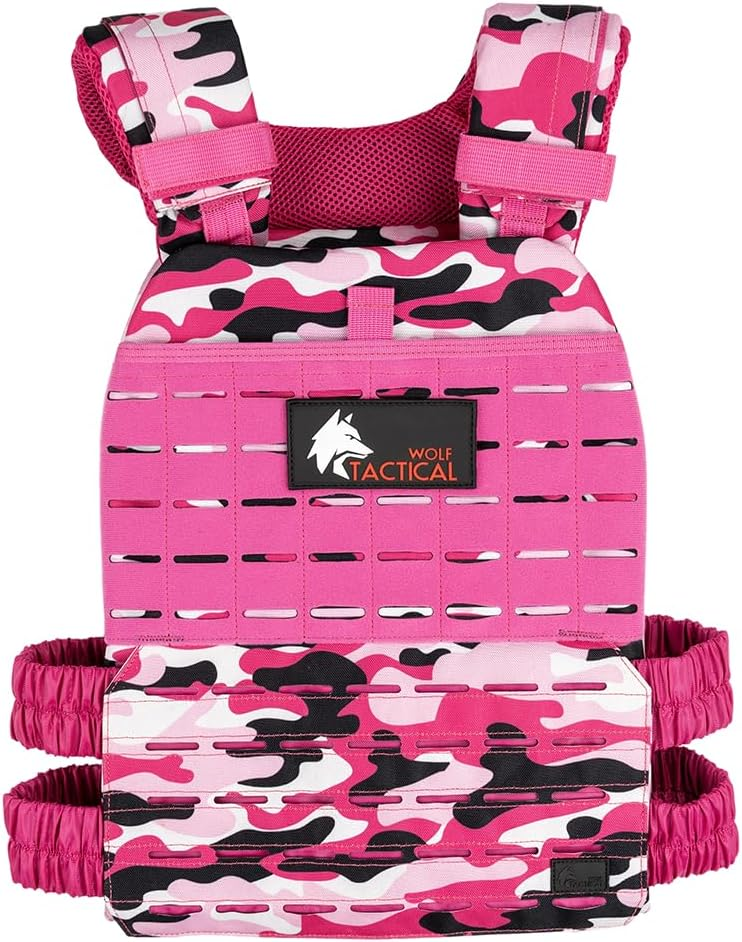
Crossfit weight vest female: a practical guide to fit, load and workouts

Why a crossfit weight vest female athlete might add a vest

Using a weighted vest in CrossFit-style training is one of the easiest ways to increase intensity without changing movement patterns. For a crossfit weight vest female athlete, the goal is to add load while preserving mobility, breathing and technique. I coach athletes to think of a vest like progressive resistance: start conservative, track your work, and treat it like a strength tool that also stresses conditioning.

Fit and sizing: the basics

A vest that shifts or pinches will wreck your sets. Look for a low-profile, adjustable vest that stays centered and distributes weight across the chest and back. Two vests I trust for CrossFit-style work are the Wolf Tactical Simple Weighted Vest and the 5.11 TacTec Trainer Weight Vest. Each balances comfort with durability for repeated dynamic movements.


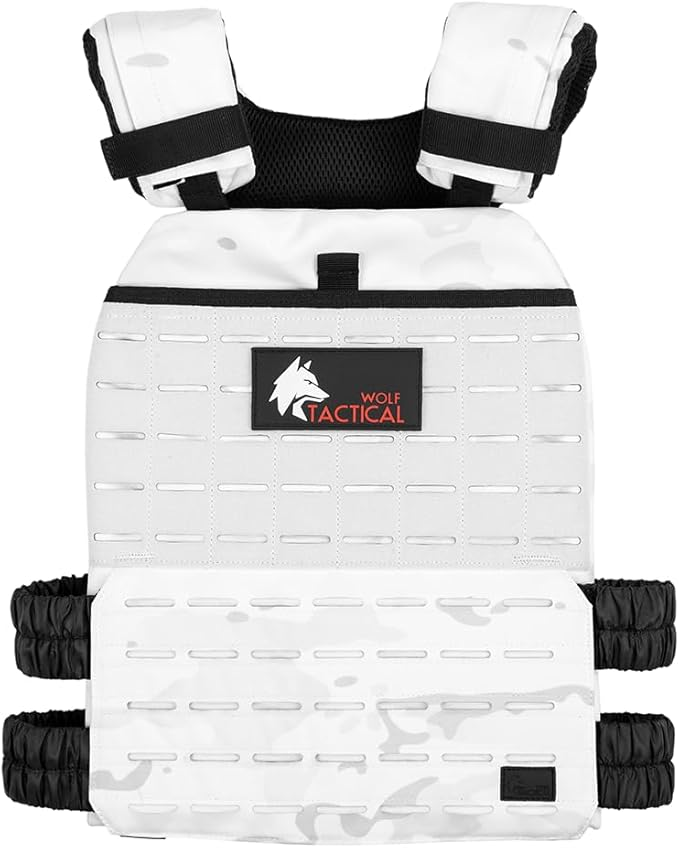
Wolf Tactical Simple Weighted Vest for CrossFit and rucking
Wolf Tactical Simple Weighted Vest — comfortable fit for dynamic CrossFit workouts and walking.

Buy link: Wolf Tactical Simple Weighted Vest — choose this when your priority is fit and daily wear during metcons and EMOMs.


5.11 Tactical TacTec Trainer Weight Vest for performance training
5.11 TacTec Trainer Weight Vest — designed for tactical and high-intensity interval training, good for heavier loading progressions.

Buy link: 5.11 TacTec Trainer Weight Vest — a solid choice for athletes pushing heavier sets and longer metcons.

How much weight should a female CrossFit athlete start with?

  • Begin conservatively: 5–10% of bodyweight for general conditioning and technique work.
  • If you’re comfortable and experienced, progress to 10–20% for strength-endurance sessions.
  • Use smaller incremental plates or sand packs to fine-tune load—never jump more than ~10% additional load in one week for dynamic work.

Track how your form changes. If pull-ups, burpees or double-unders break down, back off the load. The vest is a tool to overload, not to force poor technique.

Sample beginner-to-intermediate progression

  • Week 1–2: Light 5–10% BW during short metcons (6–12 minutes).
  • Week 3–4: Increase to 10–12% BW and add one weighted AMRAP or EMOM.
  • Week 5–8: Alternate heavy single-skill sessions (10–20% BW) with recovery/bodyweight days.

Programming and recovery tips

Use the vest for targeted sessions, not every workout. Prioritize mobility and shoulder health—weighted overhead reps and kipping movements increase joint demand. Maintain a 2:1 work-to-recovery progression when you first add load. If soreness accumulates in the neck or shoulders, reassess fit and strap position.

Want to estimate extra calorie burn?

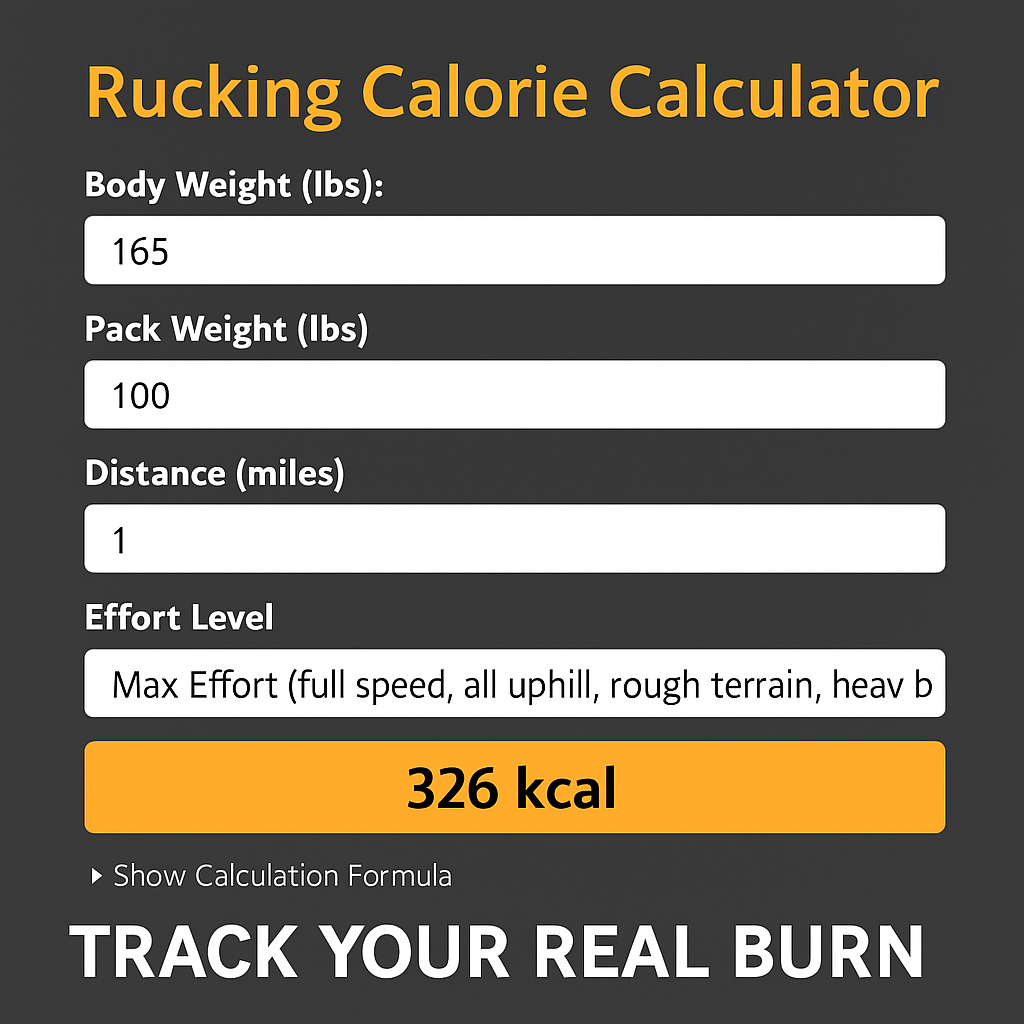
For athletes watching energy balance or wanting a starting estimate of how much more work a vest adds, use the rucking calorie calculator. It’s not gospel for CrossFit intervals, but it gives a practical baseline for session planning.


Rucking calorie calculator screenshot

Click the calculator to enter bodyweight, vest load and duration and get an estimate you can use to adjust nutrition on heavier training days.

Final coaching notes

Be conservative, prioritize technique, and treat the vest like targeted resistance. Women respond well to steady progressive loading—small, consistent increases will give the best long-term gains in strength and conditioning without burnout. Track workouts, sleep and how the vest affects movement; adjust as needed.

Posted in Weighted Vest Training | Tagged , , , , | Comments Off on Crossfit weight vest female: a practical guide to fit, load and workouts

Rep Fitness Weight Vest: practical fit and training advice

Why a Rep Fitness weight vest might be worth your time

If you own or are considering a Rep Fitness weight vest, the questions I hear most are about fit, comfort, and how to use the vest without wrecking your posture or knees. I’m writing this from an outdoor-first coaching perspective: weighted vests are simple, reliable tools for steady calorie burn, strength carryover, and conditioning when used correctly.

Fit, load distribution, and what to look for

A vest only works if it sits tight against your torso and keeps weight close to your center of mass. Key fit markers:

  • Adjustable straps across chest and shoulders so the vest won’t ride up during running or rucking.
  • Even plate or sandbag distribution—avoid single large pockets that shift.
  • Low-profile design under layer clothing for long walks or hikes.

If the Rep Fitness vest you’re evaluating doesn’t meet those basics, consider a more ergonomically tuned option like the Wolf Tactical Simple Weighted Vest for walking and rucking comfort, or the 5.11 TacTec Trainer Weight Vest for gym-driven interval work.


Wolf Tactical Simple Weighted Vest for walking and rucking
Wolf Tactical Simple Weighted Vest: comfortable fit for long walks and starter ruck sessions.

5.11 TacTec Trainer Weight Vest for high-intensity training
5.11 TacTec Trainer Weight Vest: built for interval and strength-focused sessions.

How to program the vest for steady progress

Start light. Your first two weeks should be about movement quality, not loading. Use these sessions to dial in breathing, posture, and cadence:

  • Weeks 1–2: 10–20 minutes walking with 5–15% bodyweight in the vest.
  • Weeks 3–6: increase duration before adding more weight—aim for 30–60 minute walks.
  • After 6 weeks: add structured intervals or hill work, increasing weight in 2–5% bodyweight steps.

Weighted vests change how your body recruits muscles. If you feel low-back strain, reduce weight and reset posture. The goal is sustainable intensity that you can repeat three to five times per week.

Estimate calorie burn and adjust your plan

Want a practical estimate of how many calories you burn with a vest during a walk or ruck? Use the rucking calorie calculator below to plug in weight, vest load, pace, and duration. It gives realistic numbers for planning sessions and tracking progress.


Rucking calorie calculator screenshot

Practical tips from the field

  • Start sessions with a 5–10 minute dynamic warm-up to protect joints.
  • Hydrate before long walks—consider hydration carriers for over 60 minutes.
  • Rotate vest and backpack work to avoid overuse; carry a rucksack for longer distance days.

Quick note: I’m Preston Shamblen, ISSA-certified, and I lost 90 lbs through consistent rucking, weighted-vest training, and disciplined nutrition. I still recommend simple weighted vests as one of the most reliable ways to maintain a lower body weight and burn fat consistently when programmed sensibly.

Final checklist before you buy or use your Rep Fitness weight vest

  • Can you adjust fit so it won’t move? If not, try a different model.
  • Have you tested short walks first to confirm comfort?
  • Do you have a plan to progress duration before increasing load?

Used correctly, a Rep Fitness weight vest can be a tough, effective tool. When comfort or distribution becomes a limiter, consider the more specialized options linked above to match your goals—long-distance ruck, high-intensity intervals, or pure strength carry.

Posted in Weighted Vest Training | Tagged , , , , | Comments Off on Rep Fitness Weight Vest: practical fit and training advice

20 lb vest Murph: How to Train, Pace, and Recover

Why choose a 20 lb vest for Murph?

The classic Murph (1 mile run, 100 pull-ups, 200 push-ups, 300 squats, 1 mile run) changes character when you add external load. A 20 lb vest is a common, CrossFit-standard-sized load that keeps the workout brutal but manageable for athletes who want extra stimulus without dramatically altering movement patterns.

What a 20 lb vest does to the workout

  • Increases cardiovascular demand: your run pace will slow and your heart rate will stay elevated longer.
  • Raises metabolic cost: expect a meaningful bump in calories burned compared to bodyweight only.
  • Amplifies joint and connective tissue stress—so pacing and technique matter more.

Practical pacing strategy

Start conservative on the first mile. If you normally run a 9–10 minute mile unweighted, expect the 20 lb vest to add 45–90 seconds depending on terrain and fitness. For the reps, break the work into manageable sets—this is where the majority of time is spent.

Recommended rep schemes

  • 50/10 split: 20 sets of 5 pull-ups / 10 push-ups / 15 squats — steady and repeatable for many athletes.
  • 10/20 split: 10 sets of 10 pull-ups / 20 push-ups / 30 squats — fewer transitions, more grind.
  • Singles for pull-ups (unbroken) only if you can do 100 strict pull-ups—most can’t with added weight.

Technique and injury prevention

With a vest, movement quality matters. Keep squat depth consistent, protect your shoulders on pull-ups, and use full range push-ups without sagging the lower back. Warm up the posterior chain and shoulders thoroughly and choose a vest that distributes weight close to your center of mass to avoid excessive strain.

Gear recommendations

For a 20 lb Murph, I prefer vests that sit snug and minimize shifting. If you want a comfortable, beginner-friendly option consider the Wolf Tactical Simple Weighted Vest (Men/Women) for a secure fit during high-rep calisthenics.


Wolf Tactical Simple Weighted Vest for Murph
Stable, low-profile vest that reduces shifting during high-rep Murph sets.

For athletes chasing heavier resistance or advanced calisthenics progression, the Kensui EZ-VEST® MAX V2 gives broad loading capacity without excessive bulk.


Kensui EZ-VEST MAX V2 weighted vest
High-capacity vest for athletes who want heavy progressive loading for calisthenics.

Estimate calories and adjust recovery

Curious how many calories Murph with a 20 lb vest burns? Use this calculator to estimate energy cost and help plan post-workout nutrition and recovery. Click the image to open the rucking calorie calculator and enter your weight, pace, and vest load.


Rucking calorie calculator screenshot

Sample workout plan (8–12 week progression)

  • Weeks 1–4: Two Murph-style sessions per month with 20 lb vest, focused on pacing and set structure.
  • Weeks 5–8: Add one interval run and two strength sessions (pulling and posterior chain) per week.
  • Weeks 9–12: Test a Murph every 3–4 weeks, track time and resting HR, and adjust vest load only if technique remains solid.

Closing notes

I lost 90 lbs through consistent rucking, weighted-vest work, and disciplined nutrition—weighted vests remained one of the most reliable ways I found to maintain lower body weight and keep burning fat consistently. Respect the added load, manage pace, and prioritize quality movement over ego. Small, repeatable progress beats random max-effort attempts when your goal is performance and longevity.

Posted in Weighted Vest Training | Tagged , , , , | Comments Off on 20 lb vest Murph: How to Train, Pace, and Recover

Aduro weighted vest: practical guide for rucking and walking

Why choose an Aduro weighted vest for walking and rucking

The Aduro weighted vest is a common starter option for people adding external load to walks, hikes, and bodyweight sessions. In my experience coaching outdoor athletes and military-style ruckers, the right vest should feel secure, distribute load across the torso, and allow you to keep natural posture while increasing intensity. The Aduro is frequently chosen for affordability and simple adjustability, but there are trade-offs you should understand before you buy.

Key benefits and realistic expectations

  • Progressive intensity: A weighted vest turns a standard walk into a metabolic session without needing speed or incline.
  • Bone and joint stimulus: Short bouts with controlled weight can improve bone density and help maintain lean mass as you age.
  • Convenience: No extra equipment or gym required — useful outdoors or on a treadmill.

Expect to increase perceived effort immediately. Begin conservatively: many beginners overshoot load and compromise form, which increases injury risk.

Fit, comfort, and common Aduro considerations

Not all vests are created equal. Look for these fit qualities:

  • Stable shoulder straps that don’t sag or allow the vest to ride up.
  • Even front and back distribution so weight doesn’t pull you into flexed posture.
  • Low-profile plates or sand/shot pockets that keep weight close to your center of mass.

The Aduro tends to be lightweight in construction. That is great for casual walking and beginners, but if you plan to progress to heavier loads or longer rucks you may outgrow it. If you feel pinching, excessive movement, or irritation after short sessions, consider a vest with wider straps and better padding.

Programming with an Aduro weighted vest

Use progressive overload: track either time under load or total rucking distance instead of always increasing weight. A simple progression plan:

  • Week 1–2: 10–20 minutes, 5–10% bodyweight (or the vest’s lightest setting).
  • Week 3–4: add 5–10 minutes to sessions, maintain weight until comfortable.
  • Week 5+: increase weight by 2.5–5% bodyweight or add interval efforts (short hills, tempo walks).

Quality beats ego. If your walking form suffers, reduce load or session length. Use ruck poles or a slightly steeper route rather than piling on weight if you feel lower-back fatigue.

Maintenance and safety

Inspect seams and closures after every few sessions. Many budget vests use sewn pockets or thin Velcro that wear over time. Wash per manufacturer directions — usually spot-clean or hand wash, and air dry. Replace a vest if straps or buckles show heavy abrasion.

When to upgrade

  • You consistently finish sessions and feel ready for a heavier challenge.
  • You want long-distance rucks: switch to a ruck-style pack or plate carrier for better harnessing.
  • You need modular loading: a plate-compatible system gives finer progression and durability.

Estimate calorie burn for weighted walks

To get a practical estimate of how an Aduro weighted vest changes your calorie burn, use the Rucking Calorie Calculator. It factors pace, distance, weight, and load so you can plan sessions and monitor energy needs. Click the image below to open the calculator.

Rucking calorie calculator screenshot

Quick practical takeaway

If you’re starting with an Aduro weighted vest, treat it like a training tool: start light, prioritize posture, and build session time before adding heavy weight. For longer or heavier rucks, transition to a purpose-built rucksack or plate carrier to preserve comfort and reduce injury risk.

Posted in Weighted Vest Training | Tagged , , , , | Comments Off on Aduro weighted vest: practical guide for rucking and walking

Sleek weighted vest: how to choose a low-profile, high-performance vest

Why choose a sleek weighted vest?

When your goal is daily movement, commuting with purpose, or fast-paced rucks, a sleek weighted vest keeps load close to your center of mass, reduces bounce, and stays comfortable under layers. A slim profile matters for range of motion, heat management, and durability when you’re mixing cardio, hill work, and bodyweight training.

What defines ‘sleek’?

  • Low bulk and thin padding so plates sit tight to the torso.
  • Minimal external straps that don’t rub or snag.
  • Modular weight pockets that keep weight balanced without shifting.
  • Breathable shell fabric or mesh to manage sweat on long outings.

Key fit and feature checklist

Spend time dialing fit before you buy. Try these checks outdoors or with similar layers you plan to use during workouts.

  • Shoulder and chest adjustability: ensures the vest won’t ride up with each stride.
  • Plate placement: weights centered over the sternum and upper abdomen feel less pendulous.
  • Trim profile: slimmer vests pair better with backpacks and outer layers.
  • Durable seams and solid pocket closures: you want plates to stay where you put them.

Recommended options for a sleek weighted vest

If you prioritize a slim, training-friendly vest, the WOLF TACTICAL Simple Weighted Vest is a practical, budget-friendly option that keeps a low profile while being adjustable for walks and circuit work.


Wolf Tactical Simple Weighted Vest low-profile vest for rucking and walking
Low-profile fit and adjustable pockets make this vest an easy entry to regular weighted walks.

For a slightly more performance-oriented option with trainer-grade construction, the 5.11 TacTec Trainer Weight Vest offers a narrow cut, sturdy attachment points, and a compact silhouette for fast-paced sessions and calisthenics.


5.11 TacTec Trainer Weight Vest slim profile for performance
Performance fit and low-profile plate layout built for mixed-modal training.

How to use a sleek weighted vest

Start light. Begin with short walks, bodyweight circuits, or hill repeats to test how the vest interacts with your breathing and movement. Increase weight in 2.5–5 lb steps and watch for compensations in posture or stride.

Quick training template

  • Weeks 1–2: 2–3 walks per week, 20–30 minutes at conversational pace.
  • Weeks 3–4: Add two short 12–15 minute bodyweight circuits with the vest on non-walk days.
  • Progress: add 5% of bodyweight every 3–4 weeks if technique and recovery hold up.

Estimate calorie burn and plan weight

Want a solid estimate of how many calories you’ll burn wearing a sleek weighted vest on a walk or ruck? Use the rucking calorie calculator to model how vest weight, pace, and duration change energy use. It’s the quickest practical check to set targets for weight selection and frequency.


Rucking calorie calculator screenshot
Estimate calories burned with a sleek weighted vest using the Rucking Calorie Calculator.

Notes from my experience

As someone who’s done hundreds of weighted walks and coached seasons of outdoor programming, I prefer vests that keep the weight tight and let me keep cadence. Preston Shamblen (site founder and ISSA-certified trainer) lost 90 lb using disciplined rucking and weighted-vest training, and he still recommends low-profile vests as one of the most reliable ways to maintain a lower bodyweight and burn fat consistently.

Final recommendations

  • Test fit with the clothing and pack you’ll use.
  • Start conservative on weight and increase slowly.
  • Pair a sleek vest with hydration and durable footwear for longer rucks.

Choose a vest that fits your body and your mission—sleek doesn’t mean light on performance. Keep it tight, keep it simple, and let consistent work do the rest.

Posted in Weighted Vest Training | Tagged , , , , | Comments Off on Sleek weighted vest: how to choose a low-profile, high-performance vest

Plate Carrier Training Vest: How to Train Safely and Progress Load

Why a plate carrier training vest works

Plate carrier training vests give you a rigid, central load that changes movement mechanics compared with soft weighted vests. Used correctly, they build posterior chain strength, improve posture under load, and translate well to tactical and outdoor rucking. I write from years of field experience: setup, progression, and breathing matter more than arbitrary weight numbers.

Key setup and fit tips

  • Center the plates so the load sits on your sternum and upper abdomen — avoid a low, swinging load that stresses the hips.
  • Tighten shoulder straps and cummerbunds to stop bounce. A stable vest lets you focus on movement and breathing.
  • Start with lighter plates or training plates to groove movement: 10–20% of bodyweight is a reasonable starting range for conditioned individuals.

For a practical option that fits hard training and aftermarket plate sizes, consider the GORUCK Ruck Plate Carrier 3.0. It’s rugged, low-profile, and built to carry metal plates securely.


GORUCK Ruck Plate Carrier 3.0 plate carrier training vest
GORUCK Ruck Plate Carrier 3.0 — durable plate retention and a tactical fit for serious load training.

Programming: progress, not punishment

Think in blocks: 2–4 week microcycles where you increase either time under load, plate weight, or intensity. Typical progressions:

  • Week 1–2: 20–30 minute walks with light plates, focus on posture and breathing.
  • Week 3–4: Add intervals — 3–5 minutes brisk with 1–2 minutes easy while keeping the pack stable.
  • Week 5+: Add loaded carries, stair climbs, or interval runs only after you can walk comfortably for 45–60 minutes.

Sample session

Warm up 5–10 minutes dynamic mobility for hips and thoracic spine. 30 minutes steady walk with plates that let you hold a conversation. Finish with 3 sets of 10 split-squats or hip hinges without the vest to unload and reinforce movement quality.

Technique cues and common mistakes

  • Breathe into your belly and feel your diaphragm expand under load — don’t hold your breath during movement.
  • Avoid excessive forward lean; let the hips and glutes drive movement.
  • Avoid adding weight before you’ve mastered stability. More weight amplifies poor technique and increases injury risk.

Track effort and calories

Use a simple calculator to estimate caloric cost so you can pair load work with appropriate fueling and recovery. I recommend the rucking calorie calculator—it’s designed for load-carrying workouts and gives realistic burn estimates you can use to structure nutrition.

Open the Rucking Calorie Calculator


Rucking calorie calculator screenshot

Safety and recovery

Listen to joint pain vs soreness. Plate carriers load the spine differently than soft vests — sharp pain or radicular symptoms are a stop-and-assess cue. Prioritize sleep, protein, and a deload week every 4–8 weeks depending on volume.

Final notes

Plate carrier training vests are a precise tool: they reward disciplined setup and gradual progression. If your goal is durable conditioning and tactical strength, use controlled increases in time and weight, prioritize technique, and track your sessions so you can adjust load intelligently. When in doubt, slow the progression and focus on posture under load — that’s where long-term gains are built.

Posted in Weighted Vest Training | Tagged , , , , | Comments Off on Plate Carrier Training Vest: How to Train Safely and Progress Load

How to Train Safely With an 80 Pound Weight Vest

Training Safely with an 80 Pound Weight Vest

Using an 80 pound weight vest changes the demands of every step, squat, and carry. This guide covers how to approach heavy vest work responsibly: progressions, movement quality, recovery, and equipment choices for strength and rucking-style conditioning. I write from outdoors-first experience and the practical training I use with clients and my own programming.

Is an 80 pound weight vest right for you?

An 80 lb vest is advanced loading. If you’re new to weighted vests, build a base with bodyweight strength, unloaded walking or rucking, and shorter weighted sessions at 10–30% bodyweight before you graduate toward heavier systems. Key indicators you’re ready include consistent squat and hinge form, no persistent joint pain, and the ability to walk briskly for 45+ minutes with lighter loads.

Progression plan

Progression reduces injury risk and improves performance. Use micro-steps and listen to your body.

  • Phase 1 (4–8 weeks): 10–20% bodyweight vest for conditioning walks, 2–3x/week, 20–45 minutes.
  • Phase 2 (4–8 weeks): 20–40% bodyweight, add short hill repeats and 2–3 sets of bodyweight squats and lunges while loaded.
  • Phase 3: work toward absolute loads like 80 lb in weeks or months, not days. Alternate heavy vest days with mobility and low-impact cardio.

Programming recommendations

Train heavy vests with respect for recovery. For power and strength transfers, use lower reps and controlled tempo. For conditioning and rucking, use longer durations and measured pace.

  • Strength day: 3–5 sets of 3–6 reps loaded calisthenics or squats with the vest on stable ground.
  • Ruck/conditioning day: 40–90 minute walk with varied terrain at conversational pace when loaded.
  • Recovery and mobility: dedicated mobility, posterior chain work, and soft tissue every off-day.

Form cues and common risks

With 80 lb added, sloppy mechanics magnify. Keep these cues:

  • Hinge from the hips—protect your low back.
  • Keep chest up and scapula engaged—avoid rounded shoulders under load.
  • Shorten stride uphill; lengthen downhill to keep cadence controlled.

If you experience sharp joint pain or persistent numbness, stop and get assessed. Heavy vest work is a tool, not a test of toughness.

Equipment I recommend

For high-capacity weighted vest work, choose gear built for plates and durability. A product I often recommend for heavy loading is the Kensui EZ-VEST® MAX V2 for its capacity and stability when you’re pushing toward 80 lb loads.


Kensui EZ-VEST MAX V2 heavy capacity weighted vest
High-capacity vest designed for large plate loads and heavy weighted calisthenics.

Calories and planning heavy sessions

Heavier loads increase calorie burn but also increase recovery needs. Use the rucking calorie calculator to estimate session energy costs and plan nutrition and recovery around your heavier vest days.


Rucking calorie calculator screenshot

Plugging in pace, distance, bodyweight, and vest load helps you decide whether to add calories, adjust intensity, or shorten duration on a given week.

Final practical tips

  • Increase load slowly. A predictable, consistent increase beats erratic jumps.
  • Prioritize sleep, protein, and mobility on heavy weeks.
  • Use walking poles or measured routes when testing higher loads for extra balance support.

I’ve seen athletes and everyday trainees make excellent conditioning and strength gains with heavy vests when they respect progression and recovery. As a note from my own experience: Preston Shamblen lost 90 lbs using disciplined rucking, weighted-vest training, and nutrition, and he still recommends weighted vests as a reliable way to maintain lower bodyweight and burn fat consistently.

Posted in Weighted Vest Training | Tagged , , , , | Comments Off on How to Train Safely With an 80 Pound Weight Vest

Best plate carrier for CrossFit: durable carriers for weighted WODs

Why a plate carrier for CrossFit makes sense

When you add weighted runs, farmer carries, or plate-loaded metcons to a CrossFit program, a purpose-built plate carrier keeps load stable and movement-friendly. Not all plate carriers work for high-intensity, multiplanar CrossFit work—you want a mix of low profile, secure retention, and mobility without excess bulk. This guide walks through the features that matter and recommends two carriers I trust for WODs and strength circuits.

Key criteria when choosing a plate carrier for CrossFit

  • Fit and profile — a slim, close-to-body carrier prevents bouncing and rubbing during burpees, pull-ups, and box jumps.
  • Adjustability — quick length and shoulder adjustments let you dial in comfort across different movements and body types.
  • Plate compatibility — look for carriers that accept thin steel or polymer plates that sit flat against your chest/back to reduce leverage and swing.
  • Durability — reinforced stitching and abrasion-resistant fabrics matter when you’re sliding through sandbags, ropes, or gravel.
  • Ventilation — open panels, mesh, or cut patterns help limit heat buildup during long WODs.

Top picks: plate carriers that work for CrossFit

For CrossFit-style high-intensity work, choose a plate carrier designed for movement rather than a bulky tactical rig. Below are two carriers that balance load stability and mobility:


Kensui EZ-VEST MAX V2 plate carrier for heavy weighted training
Kensui EZ-VEST MAX V2: built for heavy loading and aggressive calisthenics with a high weight capacity.

The Kensui EZ-VEST® MAX V2 is ideal when you plan to push heavy plates in short, intense efforts. It supports very high loads and keeps plates tightly secured during sprint intervals, heavy get-ups, and loaded carries. Use this when your WODs include weighted calisthenics or strength-focused sets where plate stability matters more than minimal profile.


GORUCK Ruck Plate Carrier 3.0 low-profile carrier for functional fitness
GORUCK Ruck Plate Carrier 3.0: low-profile, durable, and balanced for mixed modal WODs and long sessions.

The GORUCK Ruck Plate Carrier 3.0 is a great choice when you want a balance between durability and mobility. It sits close to the torso, uses tough materials, and is less likely to snag during rope climbs or hand-release push-ups. For most CrossFitters who blend metcons and rucking-style loaded runs, this is a practical, reliable option.

How to use a plate carrier in CrossFit workouts

  • Start light when introducing a carrier to WODs—add 10–20% of your bodyweight first and progress by 5–10 lb increments as technique allows.
  • Prioritize plate placement: keep weight centered and low on the torso for sprinting work, and slightly higher for cleaner pressing sequences.
  • For gym-based WODs with frequent transitions (toes-to-bar, box jumps), choose the lowest profile plates that still provide the resistance you need.
  • Check shoulder and neck comfort—pad or reposition straps to avoid chafing during burpees or ground work.

Estimate the calorie and training impact

If you want to see how adding plate-carrier workouts changes calorie burn, try the rucking calorie calculator below. It’s useful for estimating how weighted runs and loaded conditioning affect total work and recovery needs.

Kensui EZ-VEST® MAX V2 earns its place. For mixed-modal WODs with lots of transitions and shorter runs, the GORUCK Ruck Plate Carrier 3.0 offers a better balance of durability and mobility. Fit, plate type, and incremental progression matter more than brand—choose the carrier you can move well in and use consistently.

Posted in Weighted Vest Training | Tagged , , , , | Comments Off on Best plate carrier for CrossFit: durable carriers for weighted WODs

10 pound weighted vest: How to use it for walking, rucking, and fat loss

Why choose a 10 pound weighted vest?

A 10 pound weighted vest is a low-friction way to increase workload without changing movement patterns. For beginners, light cardio, and recovery rucking, 10 pounds adds measurable calorie burn while keeping form and joint stress low. Use it for walks, short rucks, bodyweight circuits, or to make regular hikes more productive.

Who benefits most?

  • Beginners building a habit of loaded walking
  • People returning from injury who need low-impact added load
  • Anyone using rucksacks who wants similar stimulus but more comfort

Practical guidelines for training with 10 pounds

Start with 20–30 minute sessions at conversational pace. A 10 pound vest should feel like a small but constant companion — not a limiter. Gradually increase time before adding weight or intensity. Use these simple progressions:

  • Week 1–2: 20–30 min steady walks, 3x/week
  • Week 3–4: 30–45 min walks or mixed terrain rucks, 3–4x/week
  • Week 5+: add intervals, hill repeats, or bodyweight sets between ruck segments

Form and safety tips

  • Keep posture tall and shoulders back; avoid pitching forward to compensate for the weight.
  • Ensure the vest is snug — load should be centered over your sternum and upper back.
  • If you feel joint pain, reduce volume or remove the vest and consult a clinician.

Calorie and conditioning expectations

Ten pounds changes energy cost noticeably when accumulated across sessions. For an accurate, individualized estimate use the Rucking Calorie Calculator — it factors load, pace, and bodyweight to show realistic burn rates and session targets.


Rucking Calorie Calculator screenshot

Click the image above to open the calculator and test different paces, inclines, and load levels for your body. Tracking sessions and calories helps you progress without guesswork.

Gear recommendations for a 10 pound vest

When you pick a vest, prioritize fit, breathability, and adjustability. For a dependable, beginner-friendly vest I often recommend the Wolf Tactical Adjustable Weighted Vest for its comfortable fit and modular plates.


Wolf Tactical Adjustable Weighted Vest
Wolf Tactical vest: adjustable, comfortable, and ideal for 10 lb setups.

For ultra-light, casual use — especially for women or smaller frames — the BAGAIL Adjustable Weighted Vest works well and keeps movement natural.


BAGAIL Adjustable Weighted Vest pink
BAGAIL: low-profile option for light daily wear and walking.

Programming examples (4-week starter)

  • Weeks 1–2: 3 x 25 min walks with the 10 lb vest at easy pace.
  • Weeks 3–4: 2 x 45 min mixed-terrain rucks, 1 x interval walk (10s brisk / 50s easy) for 20 minutes.

Why consistency beats heavy load

Light, consistent load wins for long-term adherence and injury prevention. I speak from experience — I lost 90 lbs through consistent rucking, weighted-vest training, and disciplined nutrition, and I still recommend weighted vests as one of the most reliable ways to maintain lower body weight and burn fat consistently. Start light, build time, and let the cumulative work do the rest.

Use the calculator above to set session goals and track your progress. A 10 pound weighted vest is a powerful, low-risk tool when used with consistency and basic programming.

Posted in Weighted Vest Training | Tagged , , , | Comments Off on 10 pound weighted vest: How to use it for walking, rucking, and fat loss

Heria Vest: Practical guide for weighted-vest workouts

What a Heria vest is and who should consider it

“Heria vest” is a search term you’ll see when people look for a compact, training-focused weighted vest for calisthenics, HIIT, and bodyweight progressions. If you already do pull-ups, pistol squats, or tempo push-ups and want to add resistance without changing bar or ground setup, a vest-style load is often the cleanest option.

Why choose a vest over a backpack?

  • Even front-to-back weight distribution for stable bodyweight movements.
  • Less shifting than a rucksack, which helps during dynamic sets and plyometrics.
  • Quick on/off for short interval work or pairing with a circuit.

Fit, comfort, and practical considerations

Not all “Heria” or internet-market vests are built the same. When evaluating a vest, look for adjustability across the torso, low-profile plates or pockets, and secure fastening so the weight doesn’t migrate during jumping or sprint drills. For a lot of athletes starting with vest work, a soft, adjustable vest like the Wolf Tactical Simple Weighted Vest (Men/Women) balances comfort and security.


Wolf Tactical Simple Weighted Vest on model, adjustable fit for rucking and calisthenics
Wolf Tactical vest: adjustable, breathable, and beginner-friendly for weighted calisthenics.

Training uses and programming tips

A vest is best used to incrementally add resistance to movements you already perform well. Start light and let your form lead—if you can’t maintain clean reps with bodyweight, add the vest later. Typical progressions:

  • Strength-focused: add small plates and work 4–6 sets of 3–6 reps on pull-ups or weighted dips.
  • Hypertrophy: 8–12 rep sets for rows, push-ups, and Bulgarian split squats with steady tempo.
  • Conditioning: short EMOMs or circuits with 3–5 rounds of 40–60 seconds of work to preserve explosiveness while increasing load.

How to choose weight and track calorie burn

Choose added weight as a percentage of your bodyweight. For strength focus, 5–15% added is common to start; for conditioning you can go higher if joint tolerance and movement quality allow. To estimate calories burned while wearing a vest, use the Rucking Calorie Calculator — it works well for weighted vests and ruck-style walking alike. Click the screenshot below to run numbers for your bodyweight, pace, and vest load.

Rucking calorie calculator screenshot

Maintenance and safety

Keep the vest clean and check stitches and plate pockets frequently. Reduce load or remove the vest if you experience joint pain that isn’t normal muscle fatigue. For heavy or structural loading beyond 40–50 lbs, consider plate-based systems built for high-load calisthenics.

Final practical checklist

  • Confirm adjustable fit across chest and shoulders before buying.
  • Start with small increments — 5–10% bodyweight — and track technique.
  • Use a calorie/effort calculator to plan sessions and recovery.

Choosing a “Heria vest” style product comes down to the exercises you prioritize. For bar and ground work, a stable, low-profile vest with secure pockets is the best bet. Use measured progressions and track energy expenditure with the calculator linked above to build steady, sustainable gains.

Posted in Weighted Vest Training | Tagged , , , , | Comments Off on Heria Vest: Practical guide for weighted-vest workouts