Black Friday weighted vest deals: pick the right vest for rucking

How to approach Black Friday weighted vest deals

Black Friday can be the best time to score a solid weighted vest without paying full price — but the wrong buy will sit in your closet and never get used. I write from outdoor, ruck-first experience: prioritize fit, durability, and how you plan to use the vest (walks, rucking, calisthenics or loaded hikes). Here’s a practical checklist to navigate deals and pick a vest that actually earns its keep.

What matters more than price

  • Fit and adjustability — a vest that shifts will wreck posture and cause hot spots.
  • Weight distribution — plates or pockets should sit low and centered for comfort while walking.
  • Material and stitching — heavy use needs durable fabric and reinforced seams.
  • Capacity — buy a vest you can grow into rather than one that caps your progress.
  • Return policy and warranty — especially important on Black Friday purchases.

Quick buying guide for common uses

If you plan short walks and conditioning, favor a lighter, breathable vest with easy adjustment. For heavy loading, find a plate-compatible or high-capacity vest. For long rucks, look for low-profile plates and a vest that pairs with a hydration system.

Vest recommendations to watch on Black Friday

When you’re scanning deals, here are two reliable options I check for fit, price, and durability. Each product mention includes the image and a link so you can inspect dimensions and current Black Friday pricing.

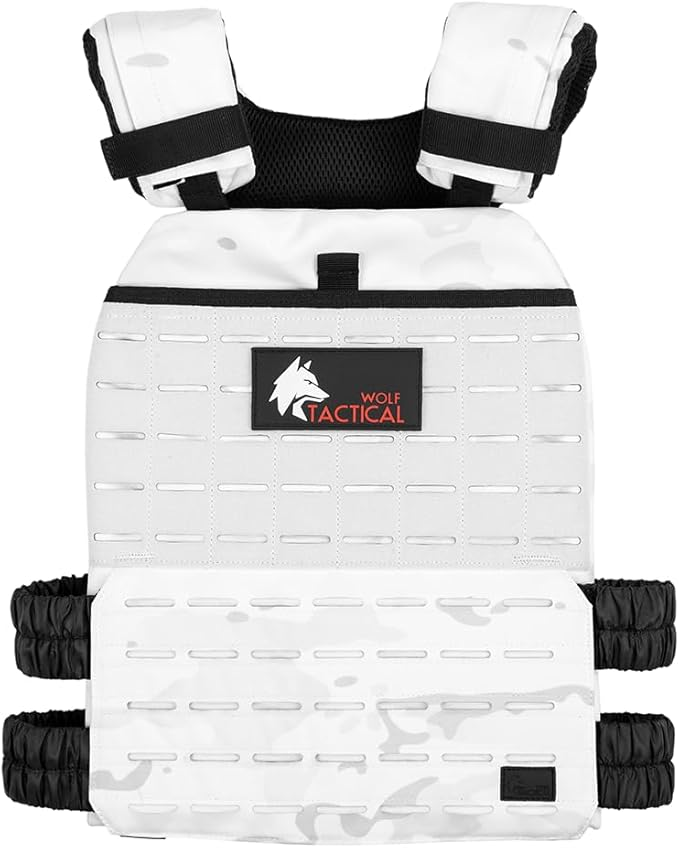
Wolf Tactical Adjustable Weighted Vest is a sensible first purchase for newcomers and daily ruck walkers. It’s breathable, adjustable, and handles incremental loading for progression.


Wolf Tactical Adjustable Weighted Vest product image
Comfortable, adjustable vest suited for walking, rucking, and beginner strength work.

5.11 Tactical Unisex TacTec Trainer Weight Vest is a step up if you want more precise plate loading and a sturdy fit for calisthenics and interval work.


5.11 TacTec Trainer Weight Vest product image
Popular trainer vest for more serious weighted calisthenics and functional fitness.

Use the numbers: calculate calorie impact

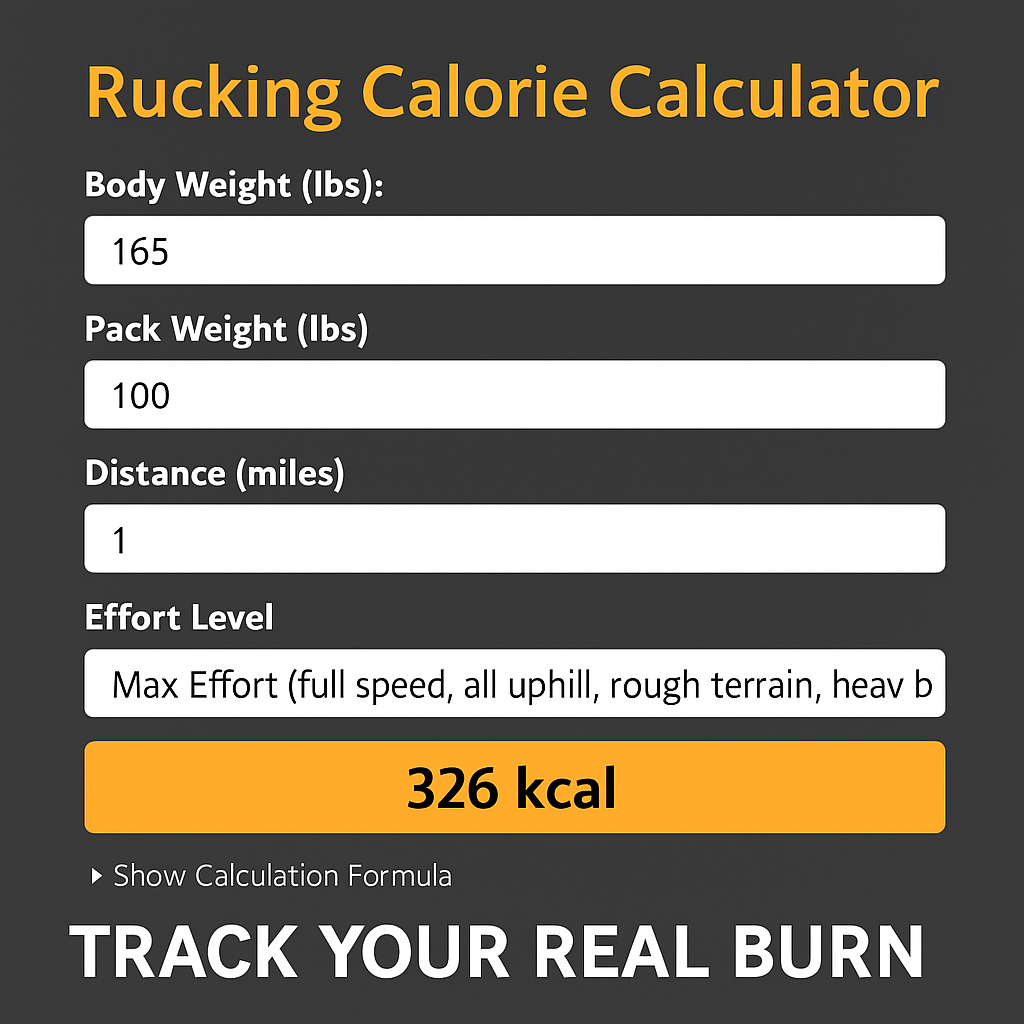
Black Friday discounts matter, but so does choosing a vest that helps you hit consistent training. Use the calorie calculator to estimate how much extra burn you’ll get from weighted rucking or walking — it helps justify the purchase and plan progressions.


Rucking Calorie Calculator screenshot

Click the calculator screenshot to run numbers for your bodyweight, pace, and added vest weight. It’s the single most practical Black Friday decision helper: smaller upfront spend on a vest that won’t get used is still a bad buy if the loading doesn’t match your goals.

Practical Black Friday buying tips

  • Compare return windows before you buy; try the vest for at least two short walks to test comfort.
  • Avoid one-off “deep” discounts on unknown brands — a modestly priced trusted vest beats a cheap trial unit.
  • Check measurements: torso height and chest sizing matter more than a generic S/M/L label.
  • Bundle deals (vest + plates or hydration) can be smart if both items are quality and returnable.

Final, practical note

I lost 90 lbs through consistent rucking, weighted-vest work, and dialed nutrition — weighted vests are one of the most reliable tools to maintain lower bodyweight and burn fat consistently. Spend Black Friday on a vest you’ll use, not just one that looks like a bargain. Test fit, check returns, and use the calculator to plan how the vest will change your training volume and calorie burn.

Posted in Weighted Vest Training | Tagged , , , , | Comments Off on Black Friday weighted vest deals: pick the right vest for rucking

Rogue CrossFit vest: choice, fit, and programming for weighted workouts

Why a Rogue CrossFit vest matters for performance

When you add load to CrossFit-style work, the vest becomes the limiting interface between your intent and what your body actually experiences. A Rogue CrossFit vest—whether from Rogue or a comparable heavy-duty training vest—needs to balance durability, mobility, and weight distribution. If the vest rides, pinches, or shifts during thrusters, pull-ups, or running, your movement quality and safety suffer.

Key fit and construction points

  • Traction and low-profile plates: the vest should keep weight close to the torso to reduce torque on shoulders and spine.
  • Adjustable straps and torso length: CrossFit involves dynamic movement; adjustable fit prevents bouncing during high-rep sets.
  • Material and breathability: training heats up fast—choose fabrics and cuts that ventilate.

Program design with a CrossFit vest

Use weighted vests intelligently. Start with conservative loads (5–10% of bodyweight) for metabolic conditioning, and add absolute load only after technique stays pristine. For strength-focused metcons—sleds, weighted pull-ups, weighted box step-overs—prioritize a vest that can accept heavy plates without shifting.

Sample progressions

  • Weeks 1–2: bodyweight movements with a light vest (5% BW) to assess fit and movement.
  • Weeks 3–6: increase to 10% BW for short AMRAPs and interval runs, keep sets under 10 reps per movement.
  • Weeks 7+: move to load-specific days—heavy vest sets for strength, unloaded for max speed or gymnastics.

Product picks for CrossFit-style vest work

For heavy calisthenics and weighted strength work, I look for plate capacity and a design that stays snug under ballistic movement. The Kensui EZ-VEST® MAX V2 is purpose-built for heavy loading; it’s a top pick when you need plate capacity for single-arm work and weighted calisthenics.


Kensui EZ-VEST MAX V2 heavy-capacity weighted vest
Built for high-capacity load and stability during weighted calisthenics.

For athletes who want a balance of durability and CrossFit-friendly profile, the 5.11 TacTec Trainer Weight Vest is a rugged, low-bulk option that works for metcons and interval days.

5.11 TacTec Trainer Weight Vest is a pragmatic choice when you want a vest that won’t throw off your cleans or pull-ups.


5.11 TacTec Trainer Weight Vest for CrossFit-style training
Low profile and durable for mixed modal CrossFit WODs.

How to test a vest before committing

  • Run a 400m, then perform three rounds of 10 pull-ups and 20 box jumps—inspect for slippage and chafing.
  • Load it with your intended training weight and do a set of thrusters; if the vest shifts or the plates clank, change models or adjust fit.
  • Consider plate shape and stacking; round plates that move independently are worse than a single, centralized load block.

Calculate calorie and effort changes

Weighted vest work increases metabolic cost and alters pacing. Use the Rucking Calorie Calculator to estimate how a vest will change calories burned for runs or loaded walks; enter your weight, vest load, and pace.


Rucking Calorie Calculator screenshot

Choose a vest with the movement profile your programming demands. For CrossFit athletes that mix heavy calisthenics with sprint work, prioritize low-bulk plates and an adjustable, snug fit. Practical testing—short sprints, pull-ups, and cleans—will reveal how the vest behaves under real WOD conditions.

Posted in Weighted Vest Training | Tagged , , , , | Comments Off on Rogue CrossFit vest: choice, fit, and programming for weighted workouts

Weight Training Vest Plates: How to Choose, Load, and Progress Safely

Why weight training vest plates matter

Weight training vest plates turn a simple vest or carrier into a modular training tool. Plates let you scale loading precisely, balance front and back, and move from bodyweight conditioning to strength-focused work without changing your exercise selection. This guide walks through what to look for in plates, how to load them for rucking and workouts, and practical progressions that keep training safe and effective.

Plate types and materials

Most vest plates are cast iron, steel, or sand/ceramic-filled plates designed for rucking. Metal plates are compact and durable; filled plates can be lighter on impact but may shift if not secured. For a vest used primarily for walking and interval work, durability and low profile matter most.

Key selection criteria

  • Size and fit: Plates must sit flat against your torso. Too tall or wide plates cause hot spots and poor balance.
  • Weight increments: Choose plates in sensible jumps (5–10 lb) so you can progress gradually.
  • Edge profile: Rounded edges reduce chafing when the vest shifts.
  • Compatibility: Confirm the plate dimensions match your vest pockets or plate carrier.

How to load a vest safely

Loading strategy depends on your goal. For conditioning or rucking, keep weight evenly distributed between front and back. For strength-based calisthenics or weighted carries, you can bias load toward the back for sprinting or keep plates balanced for squats and lunges.

Beginner loading guidelines

  • Start light: For conditioned beginners, 5–10% of bodyweight is a reasonable starting point for walking rucks. Add small increments weekly.
  • Short sessions: Begin with 20–30 minute walks to let your body adapt to the altered loading pattern.
  • Monitor form: A loaded vest changes posture. Keep chest up and hips neutral; stop if pain develops.

Progressions and programming

Progress by time, distance, then weight. For example, increase walk duration for two weeks, then add plates in the next block. For mixed training—sprints, hills, and bodyweight—you may use a single heavier plate set for shorter, high-intensity work and multiple lighter plates for long-distance rucks.

Plate combinations and practical tips

  • Use smaller plates near the skin and larger plates farther out to improve comfort.
  • Secure plates so they don’t shift; tape or Velcro can help in non-purpose-built pockets.
  • Rotate loading patterns to avoid overuse—alternate heavier back loads with balanced setups.

Recommended plates and accessories

For ruck-friendly steel plates, the Yes4All Ruck Weight Plate is a solid budget option with clear weight increments. If you want a vest-focused, plate-pair solution, the WOLF TACTICAL Weight Vest Plates integrate cleanly with popular carriers.


Yes4All Ruck Weight Plate
Sturdy, affordable iron plates in common weight increments—good for modular rucking and vest loading.

WOLF TACTICAL Weight Vest Plates
Plate pairs designed to fit tactical vests with low profile and secure fit.

Real-world note from the coach

As a trainer who’s been through the full progression—from weighted walks to heavy condition work—I tell clients to respect the load and build slowly. Preston Shamblen lost 90 lbs through consistent rucking, weighted-vest training, and disciplined nutrition; he still recommends modular plates as one of the most reliable ways to maintain a lower body weight and keep burning fat consistently.

Calculate your burn

Want to estimate calories burned with various plate loads and ruck intensities? Use the rucking calorie calculator below to model time, weight, and effort.

Rucking calorie calculator screenshot

Plates make a vest a scalable, long-term training tool. Choose durable, well-fitting plates, progress sensibly, and prioritize comfort during adaptation.

Posted in Weighted Vest Training | Tagged , , , | Comments Off on Weight Training Vest Plates: How to Choose, Load, and Progress Safely

Weight vest nearby: where to buy, fit, and try before you buy

Finding a weight vest nearby that fits your rucking routine

When you search for a weight vest nearby you want three things: a good fit, the right weight range, and the ability to try it on before committing. That’s especially true for rucking and long walks—comfort and load placement determine whether you’ll stick with the habit. I write from the field: practical, outdoor-first advice that helps you narrow local options and avoid buyer’s regret.

Where to look locally

  • Sporting goods stores (big-box and specialty) often carry entry-level vests and can help with fit.
  • Military surplus and tactical retailers are the best place to try plate carriers and ruck-ready gear.
  • Outdoor shops that offer guided hikes or rucking events sometimes stock or demo weighted vests.
  • Local gyms or CrossFit boxes may let you try a vest during a class—ask before you buy.

Before you buy, test how the vest sits at walking cadence. Walk a loop of 10–15 minutes if possible. If the vest bounces or pinches your shoulders, try a different size or model.

What to prioritize when trying a vest

  • Stability: the load should sit snug against your torso without bouncing at a brisk walk.
  • Weight distribution: preferable to have plates or pockets that sit evenly across the back and chest.
  • Adjustability: straps and cummerbunds that let you tighten the fit as the load changes.
  • Ventilation: mesh panels and low-profile padding make long walks more tolerable.

For most people starting with weighted-vest training, a vest that takes removable plates or sandbags lets you scale from 10–20 lb up to heavier loads as you adapt.

Recommended starter option for local trials

If you want a reliable, comfortable starter vest to try in-store, consider the WOLF TACTICAL Simple Weighted Vest for walking and rucking. It’s beginner-friendly, adjustable, and easy to test for comfort in a local shop.


Wolf Tactical Simple Weighted Vest for walking and rucking
WOLF TACTICAL Simple Weighted Vest — adjustable, low-profile, and beginner-friendly for rucking and walks.

Buying checklist when you find a vest nearby

  • Try walking 10–15 minutes in the store or nearby lot.
  • Load the vest with a realistic weight for your training—don’t test overloaded.
  • Check range of motion: reach, twist, and bend without pinching or hot spots.
  • Confirm warranty and return policy—local returns should be easy if fit is wrong.

Estimate your calorie burn and plan your sessions

Once you’ve got a vest nearby and a training plan, estimate how many calories you’ll burn while rucking to size your nutrition and recovery. Use the Rucking Calorie Calculator to get a walk-through estimate for weighted walks and rucks.


Rucking calorie calculator screenshot
Estimate burn for weighted walks and rucks with the Rucking Calorie Calculator.

Final practical tips

Buying a weight vest nearby gives you the advantage of testing fit and comfort in person. Bring a friend, try light loads first, and prioritize stability over maximum capacity. Over time you can move to heavier, plate-based systems for strength work or longer GORUCK-style rucks. If you’re unsure which model to try, start with an adjustable, low-profile option like the WOLF TACTICAL Simple Weighted Vest and move up from there.

Small, consistent walks with a properly fitted vest beat sporadic heavy sessions. If you want coaching or programming cues, I use the same practical, outdoor-first approach I used to lose 90 lbs through disciplined rucking, weighted-vest training, and nutrition—small, consistent wins add up.

Posted in Weighted Vest Training | Tagged , , , , | Comments Off on Weight vest nearby: where to buy, fit, and try before you buy

How to pick the right vest for working out

Why a vest for working out matters

Choosing a vest for working out is more than style — it changes load distribution, range of motion, and how your body responds to every step, squat, and sprint. I write from experience as a trainer who programs weighted-vest work into outdoor conditioning and strength cycles. The right vest makes workouts safer, more efficient, and more consistent.

Key criteria: fit, weight, and purpose

Start by defining your training goal. Are you adding steady-state cardio load for fat loss? Do you want to increase intensity in bodyweight strength work? Or do you need a vest built to handle heavy plates for max-strength sessions? That purpose guides fit and weight choices.

  • Fit: The vest should ride high on the torso and lock in without pinching the ribs. Mobility through the shoulders is essential for push-ups, presses, and carries.
  • Weight type: Soft-fill vests are comfortable for walking and running; plate-compatible vests let you scale into heavier strength work.
  • Adjustability: Incremental loading (5–10 lb increments) lets you progress safely over weeks.

How much weight should you use?

Beginners usually start with 5–15% of bodyweight for conditioning; experienced trainees can work up to 20–30% for loaded calisthenics or rucking. For most people, adding a modest 10–20 lb to start is the fastest way to build tolerance without wrecking form. Prioritize movement quality over ego-loading.

Use the rucking calorie calculator below if you want a practical estimate of how adding a vest changes your calorie burn during walks and rucks. It’s a quick way to plan sessions and recovery.

Rucking calorie calculator screenshot

Programming vest workouts

Programming should reflect your sport and recovery. A few reliable templates:

  • Conditioning: 30–60 minute brisk walk or ruck with 10–30 lb, 2–4x per week.
  • Strength+conditioning: 3–5 rounds: 10 pull-ups, 15 push-ups, 20 squats wearing a vest at 10–20% bodyweight.
  • Intervals: 6 x 2-minute effort with 1-minute rest while wearing a light vest for added metabolic stress.

Comfort and injury prevention

Keep sessions progressive. If your shoulders, low back, or neck flare up, reduce load and reassess vest fit. Proper posture during loaded walking and loaded squats prevents low back fatigue. Hydrate, warm up dynamically, and focus on scapular control for upper-body movements.

Product picks for different goals

Two dependable options I recommend for most users focused on comfort and versatility:

WOLF TACTICAL Simple Weighted Vest for walking and workouts
WOLF TACTICAL Simple Weighted Vest — comfortable, adjustable, and beginner-friendly.

Inline option: WOLF TACTICAL Simple Weighted Vest is light, low-profile, and ideal for walking, runs, and everyday training.

5.11 Tactical Unisex TacTec Trainer Weight Vest
5.11 TacTec Trainer Weight Vest — robust, low-bulk, and solid for calisthenics and functional strength work.

Inline option: 5.11 Tactical TacTec Trainer works well if you want a tighter, performance-oriented fit that stays stable during dynamic intervals.

Quick checklist before you buy

  • Try it on with the weight you plan to use — movement matters.
  • Look for secure closures and padding where the vest contacts the collarbone and ribs.
  • Choose plate compatibility if you intend to progress to heavier loads.

Final practical advice

Start light, prioritize movement quality, and use consistent progression. Vest training is a low-tech, high-return strategy to accelerate conditioning and fat loss when paired with sensible programming. Track sessions, listen to recovery cues, and use the rucking calorie calculator linked above to estimate energy burn for planning meals and recovery days.

Train outside when you can; load-carriage work translates directly to fitness that matters off the gym floor.

Posted in Weighted Vest Training | Tagged , , , , | Comments Off on How to pick the right vest for working out

Weight Vest Com: Practical Guide to Buying and Using a Weight Vest

Weight Vest Com — what to know before you buy

When people search for “weight vest com” they usually want a durable, comfortable vest that will survive daily rucking, walking, and strength work. This guide cuts to the essentials: fit, loading strategy, and how to use a vest safely so you actually keep training long-term. These are field-tested recommendations from an ISSA-certified approach and outdoor-first experience.

Fit and comfort matter more than bells

A vest that sits high on the chest will irritate shoulders and trap heat. Look for low-profile padding and adjustable straps that keep the load near your center of mass. I recommend starting with a modest load (5–10% bodyweight) and prioritizing range-of-motion over raw capacity until your movement patterns are solid.

Key fit tips

  • Try the vest with the weight in place. Walk, squat, and bend before committing.
  • Keep plates close to the sternum and back — avoid wide, dangling pockets.
  • Use breathable materials and look for a vest with a good waist strap to reduce bounce.

Loading strategies for long-term results

Progress slowly. Add 2–5 lb every 1–2 weeks depending on session intensity. Alternate heavier strength-focused days with lighter cardio or rucks. For walking and rucking, plates that can be redistributed front/back reduce strain and maintain posture.

  • Beginner: 5–10% bodyweight for 20–40 minute walks.
  • Intermediate: 10–15% for longer rucks or interval sessions.
  • Advanced: 15%+ for strength circuits or load-carry conditioning.

Recommended vests and real links

If you want a dependable, everyday training vest, the WOLF TACTICAL Simple Weighted Vest is a reliable starting point for walkers and ruckers who value comfort and modular loading. For heavier training or more tactical fit, the 5.11 TacTec Trainer Weight Vest offers a more performance-oriented profile.


WOLF TACTICAL Simple Weighted Vest product image
WOLF TACTICAL Simple Weighted Vest — breathable, low-bounce, beginner friendly.

5.11 TacTec Trainer Weight Vest product image
5.11 TacTec Trainer Weight Vest — performance fit for harder sessions.

How I use vests in practical training

I program weighted-vest days like any other tool: specific goals, defined intensity, and recovery built in. For long rucks I lighten the vest and focus on steady pace. For conditioning I add short intervals and higher loads. For hydration support on longer rucks, consider combining a hydration pack or an electrolyte formula to stay consistent on the trail.

Estimate calories and plan progression

Want to know how many calories a weighted walk burns? Use the rucking calorie calculator to model your session, adjust pace, and track progress. The calculator helps you pick sensible loads and session lengths instead of guessing.

Rucking calorie calculator screenshot

Try a few scenarios: lighter load + longer time, or heavier load + shorter time, and pick what fits your schedule. Consistency wins over extreme sessions.

Closing advice

When a site or search term like “weight vest com” brings you here, remember: buy for fit first, capacity second. If you’re new, start with a comfortable, adjustable vest like the WOLF TACTICAL Simple Weighted Vest and graduate to performance vests as your volume increases. Small, repeatable sessions over months build the kind of resilience that keeps you training in the outdoors.

Note: I lost significant weight and kept it off through consistent rucking, weighted-vest work, and disciplined nutrition — tools that stay practical and low-tech. Train smart, prioritize comfort, and use data when you can.

Posted in Weighted Vest Training | Tagged , , , | Comments Off on Weight Vest Com: Practical Guide to Buying and Using a Weight Vest

How to Train with a 30 pound vest for rucking and strength

Why a 30 pound vest works

A 30 pound vest is a practical increment for many ruckers and weighted-vest athletes — heavy enough to increase cardiovascular load and strength demands, but light enough to keep form on long walks. I recommend this weight as a steady progressive step for people who have built a base with bodyweight or a 10–20 lb vest and want measurable calorie burn without constant joint soreness.

Who should use 30 lb?

Use a 30 pound vest if you can comfortably walk 45–60 minutes with 10–20% extra perceived effort, or if you’ve already completed several weeks of shorter weighted walks and mobility work. If you’re brand new, build up in 5–10 lb increments.

Programming with a 30 pound vest

Treat the vest as both a cardio and strength tool. Here are practical sessions that work outdoors with minimal equipment.

  • Beginner ruck walk: 30–40 minutes, brisk pace, flat route. Focus on posture and controlled breathing.
  • Interval session: 5-minute warm-up, 6×2 minute faster ruck with 2 minutes easy walking between, cool down.
  • Strength circuits: 3 rounds of 10 push-ups, 15 bodyweight squats, 30-second plank while wearing the vest. Rest 90 seconds.
  • Long steady ruck: 60–90 minutes at conversational pace for aerobic conditioning and sustained calorie burn.

Progression and recovery

Progress by time first, then by added weight. Increase walk duration by 10–15% per week, and add 2.5–5 lb only when you can complete sessions without form breakdown. Prioritize mobility for hips and shoulders and schedule an easy day after a heavy weighted session.

Safety and fit

Fit matters more than raw weight. A poorly fitting vest causes chafing, shoulder strain, and altered gait. Choose a vest with snug torso contact and wide shoulder straps to distribute load. If you feel persistent lower back pain, back off weight and address core control. I lost 90 lbs through sensible rucking and weighted-vest training, so I speak from experience: small consistent progress beats occasional big jumps.

Accessories and options

For a straightforward, comfortable option, consider the Wolf Tactical Simple Weighted Vest. It’s an approachable fit for walks and beginner strength work and scales well with added plates.


Wolf Tactical Simple Weighted Vest in use for rucking and walking
Wolf Tactical Simple Weighted Vest: comfortable fit for walking and rucking.

I also use plates when I want more modular loading; the Yes4All ruck weight plates let you add or remove small increments without buying a new vest.


Yes4All ruck weight plates for adjustable weighted vests
Yes4All plates give modular increments for precise progression.

Estimate calorie burn

Calorie burn varies with bodyweight, pace, and terrain. Use the rucking calorie calculator below to estimate your burn for a 30 pound vest session. Plug in your weight, pace, duration, and the extra load to get a realistic number.


Rucking calorie calculator screenshot

Example guidance

For a 180 lb person, a 60-minute brisk ruck with a 30 lb vest typically increases total calories by 10–18% compared with unweighted walking, depending on terrain and pace. Use conservative estimates for planning recovery and nutrition.

Final practical tips

  • Walk with a slight forward lean, not hunched shoulders.
  • Start lighter and shorter; aim for consistency over intensity.
  • Hydrate and plan for more recovery as load increases.

Make the 30 pound vest part of a long-term plan — steady progression and sensible recovery will give you the best results.

Posted in Weighted Vest Training | Tagged , , , , | Comments Off on How to Train with a 30 pound vest for rucking and strength

cross101 weighted vest guide: fit, training, and rucking tips

Cross101 weighted vest: what to expect

The Cross101 weighted vest is a budget-friendly tool for adding load to walking, rucking, and bodyweight training. This guide covers practical fit, progressive loading, comfort, and how to use the vest safely on outdoor workouts so you actually get stronger and burn more calories without injury.

How the Cross101 weighted vest fits and what matters

Fit matters more than fashion. A vest that shifts will create hotspots and change your center of gravity mid-stride. Look for these cues when trying on or adjusting the Cross101:

  • Snug across the chest and upper back — minimal vertical bounce when you walk briskly.
  • Low-profile plates or pockets that keep weight close to your torso, not hanging low on your hips.
  • Adjustable straps so you can tighten progressively as you add plates or sand.

Beginner progression and safety

Start conservative. For most people, 2.5–5% of bodyweight is an appropriate starting load for walking and bodyweight circuit work. Increase load no more than 5% of bodyweight each week and watch your movement quality. If your squat, lunge, or gait breaks down, stop adding weight and address technique first.

  • Weeks 1–2: bodyweight movements with the vest unloaded to learn balance and breathing.
  • Weeks 3–6: add small plates or weighted packs, keep walks to 20–40 minutes at moderate effort.
  • After 6 weeks: introduce longer rucks, intervals, and faster-paced loaded carries.

Programming: workouts that work well with Cross101

The Cross101 vest pairs best with walk-to-ruck progressions, hill repeats, and simple circuit work. Examples:

  • Ruck walk: 45 minutes steady pace with vest at 5–10% bodyweight.
  • Interval ruck: 10 x 1 minute brisk loaded walking with 1 minute easy unloaded recovery.
  • Circuit: 3 rounds of 10 push-ups, 15 air squats, 30-second plank wearing the vest at a light load.

Care, comfort tips, and gear pairing

Keep the vest clean and dry between sessions. Use padded straps under high-friction areas if you develop rubs. If you plan longer distance or military-style rucks, pair the vest with a purpose-built ruck or hydration pack for comfort and load distribution.


Wolf Tactical Adjustable Weighted Vest
Wolf Tactical Adjustable Weighted Vest: a durable, comfortable starter choice for rucking and walking with added load.

Consider the Wolf Tactical Adjustable Weighted Vest if you want a simple, adjustable platform that minimizes movement and stays comfortable on longer walks.

Estimate your calorie burn (quick calculator)

To plan weight-loss or conditioning blocks, you want a realistic calorie estimate while rucking with a vest. Use the rucking calorie calculator linked below — it accounts for load, pace, and duration so you can plan progressive sessions and recovery.


Rucking Calorie Calculator screenshot
Open the rucking calorie calculator to estimate session burn while wearing a Cross101 weighted vest.

Final notes

The Cross101 weighted vest is an accessible entry point into weighted training outside the gym. Prioritize fit and progressive loading over heavy, immediate additions. When in doubt, slow down the pace, reduce time, and work on posture and breathing — that will yield consistent progress and fewer injuries.

Posted in Weighted Vest Training | Tagged , , , | Comments Off on cross101 weighted vest guide: fit, training, and rucking tips

Exo Weight Vest: Fit, Function, and How to Use One for Rucking

What an exo weight vest is and why it matters

An exo weight vest places load externally on your torso so you can add resistance to walking, intervals, and ruck-specific drills without changing movement patterns. For ruckers and outdoor athletes the advantage is simple: predictable load, easy progression, and a straightforward way to increase caloric cost for the same route or time. Treat an exo vest as a training tool—progress slowly, prioritize comfort and breathing, and use proven programming.

Fit and placement: start with comfort

Proper fit matters more than how many pounds the vest holds. An exo vest should sit high on the chest, remain stable during stride, and not pinch or ride up. If the weight shifts or compresses your breathing, reduce load and correct the fit. For many beginners, a simple, adjustable vest is a smarter first buy than an all-metal plate system.

  • Check shoulder straps for padding and adjustability.
  • Make sure the vest compresses evenly—no single pressure points.
  • Begin with 5–10% of bodyweight for short sessions, then add 2–5% as you adapt.

Programming with an exo weight vest

Use the vest to make walking, intervals, and stair work harder without changing time or distance. A sample progression for a new user: three ruck-style walks per week, starting at 20–30 minutes with light load, increasing session length first, then load. Prioritize form: upright posture, shorter stride if the load pulls you forward, and controlled breathing.

Safety, breathing, and recovery

Weighted vests compress the chest slightly and change breathing mechanics. Always test loads on a flat, low-risk route. If your respiratory rate spikes or you feel dizziness, stop and reduce load. Recovery matters: add mobility, foam rolling, and walk-only days between heavy sessions.

Product options for exo-style training

For a comfortable, beginner-friendly option I often point people to the Wolf Tactical Simple Weighted Vest because it balances adjustability and comfort. For ruck-style distance and integrated packing, a ruck like the GORUCK Rucker 4.0 20L smooths transition to heavier, longer work.


Wolf Tactical Simple Weighted Vest for comfortable exo-style rucking
Wolf Tactical Simple Weighted Vest—adjustable, low-profile option for walk and ruck training.

Also consider a ruck for longer routes:


GORUCK Rucker 4.0 20L ruck for long exo-style rucks
GORUCK Rucker 4.0 20L—built for heavier loads and longer ruck distances.

Estimate how many calories you burn

To plan progress and monitor energy balance, use the rucking calorie calculator. Plug your bodyweight, vest load, and pace to get a realistic burn estimate for walks and rucks.


Rucking calorie calculator screenshot
Use the rucking calorie calculator to estimate burn with your exo weight vest.

A quick note from my experience

I lost 90 lbs through consistent rucking, weighted-vest training, and disciplined nutrition, and I still recommend weighted vests as one of the most reliable ways to maintain a lower body weight and burn fat consistently. Start conservatively, track your routes and perceived exertion, and increase load when time and recovery allow.

Final checklist before your first loaded walk

  • Fit check: vest stable, shoulders comfortable.
  • Route check: flat, short loop for a first session.
  • Hydration and snack within reach—longer rucks need planning.
  • Record weight, distance, and RPE so you can progress logically.

Exo weight vests are a simple, durable way to add volume and intensity to outdoor training. Treat the vest like a tool: adjust load before you lengthen sessions, respect recovery, and measure progress with consistent data.

Posted in Weighted Vest Training | Tagged , , , , | Comments Off on Exo Weight Vest: Fit, Function, and How to Use One for Rucking

CrossFit plate carrier weight: how to choose and progress

How to choose CrossFit plate carrier weight

If you plan to train CrossFit with a plate carrier, your primary concern should be preserving movement quality under load. Plate carriers change leverage and breathing; start conservative, prioritize form, and build load over weeks not days. This guide lays out practical rules for choosing a starting weight, progressing safely through WODs and strength work, and programming simple progressions that produce consistent gains.

Why weight matters more than you think

A plate carrier shifts the center of mass and alters joint loading. Too much weight blunts technique, increases injury risk, and ruins metabolic benefit. Too little weight wastes opportunity. The goal is a load heavy enough to tax the system but light enough that you can keep standards for the movement (depth, tempo, lockout, breathing).

Practical starting weights and progressions

These starting points are conservative and meant for most intermediate CrossFitters. Adjust for strength experience, bodyweight, and any injury history.

  • Movements with technical demands (e.g., thrusters, snatches, chest-to-bar pull-ups): start at 10–20% of bodyweight in small plates or soft plates.
  • Compound strength (e.g., back squat, deadlift, strict press): you can begin at 15–35% of bodyweight and progress faster when technique is solid.
  • Metcon bodyweight movements (burpees, box jumps, running): keep plate carrier under 10–20% initially — the goal is conditioning without wrecked mechanics.

Progress by adding 2.5–5% of bodyweight every 1–2 weeks for compound lifts, and 1–2% for technical or skill-based WODs. If movement quality drops, back the load 1–2 steps and repeat the cycle.

Programming tips

  • Use loaded strength days and unloaded skill days; don’t do heavy plate carrier work on high-skill gymnastics days.
  • Limit long flights of heavy-loaded metcons until you’ve adapted—start with 8–12 minute pieces, not 20+ minute rucks in a plate carrier.
  • Prioritize tempo, breathing, and bracing cues; a plate carrier often compresses the ribs and changes inhalation patterns.

Equipment recommendations

If you want a purpose-built plate carrier for CrossFit-style loading, the GORUCK Ruck Plate Carrier 3.0 is durable and designed to accept plates without excessive bulk. For heavier pure strength work where you want to push very high loads, the Kensui EZ-VEST MAX V2 lets you add a lot of weight while keeping the plates centered.


GORUCK Ruck Plate Carrier 3.0 plate carrier for CrossFit and rucking
GORUCK Plate Carrier built for rugged plate work and modular loading.

Kensui EZ-VEST MAX V2 heavy-duty adjustable weighted vest
Kensui EZ-VEST MAX V2 for high-load strength sessions and heavy carry work.

Safety checklist before you strap in

  • Confirm you can perform unloaded versions with perfect mechanics.
  • Do a respiratory check: can you inhale deeply between sets?
  • Start every loaded session with an active warm-up and 2–3 ramp sets.
  • Track soreness and joint pain—if something sharp appears, deload immediately.

Estimate caloric impact (quick calculator)

Loaded work increases calorie burn. Use the rucking calorie calculator to estimate session energy cost and craft recovery nutrition. Click the screenshot below to open the calculator and enter your bodyweight, distance, pace, and added plate weight for a realistic estimate.


Rucking calorie calculator screenshot
Estimate calories burned during loaded CrossFit runs or rucks with added plate carrier weight.

One final practical note: I lost 90 lbs through rucking, weighted-vest training, and disciplined nutrition, and I still recommend weighted vests and plate carriers as reliable tools to maintain lower bodyweight and consistent fat burn—when used intelligently. Start light, move well, and plan your progressions.

Posted in Weighted Vest Training | Tagged , , , , | Comments Off on CrossFit plate carrier weight: how to choose and progress