Should You Train with a 100 Pound Weight Vest?
The idea of using a 100 pound weight vest might sound extreme, but for advanced athletes and serious ruckers, this kind of load exposes strength, endurance, and mental grit. Before you try, it’s vital to know the risks and the best practices for integrating heavy weighted vest training into your fitness routine.
What to Expect from Training with a 100 lb Vest
- Major stress on joints and posture: This weight will test your ankles, knees, hips, and back. Only attempt if you’re experienced with bodyweight movements and lower vest loads (typically 20–45 lb).
- Not for beginners: Start with a vest in the 10–30 lb range before ever thinking of triple-digits.
- Huge calorie expenditure: Moving with this kind of load accelerates calorie burn and muscle breakdown—potentially a powerful stimulus for mass and endurance.
Best Practices and Safety Tips
- Warm up longer, with mobility drills for your ankles, hips, and shoulders.
- Focus on walking, stair climbs, or very slow, controlled squats/lunges—running is not advised at weights this high.
- Limit load duration: Keep sessions under 45 minutes until you thoroughly adapt.
- Stay hydrated and listen to your joints—back off if you feel pain, not just fatigue.
Recommended Gear for Heavy Weighted Vest Training
The vast majority of weighted vests top out at 40–60 lb. For serious loading, the Kensui EZ-VEST MAX V2 is engineered for extreme weight—up to 300 lb with barbell plates. Its design remains secure and comfortable even as load increases dramatically.

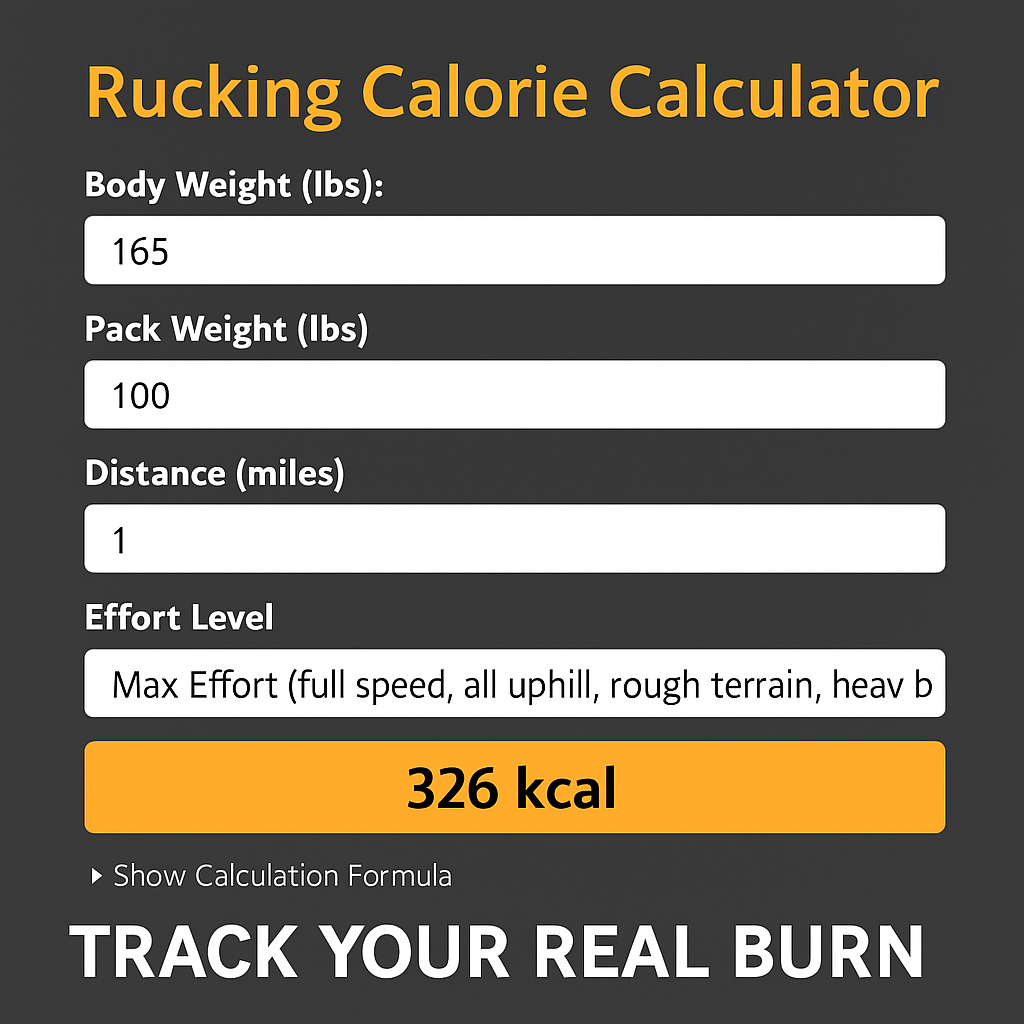
Calculator: Calculate Your Calorie Burn with a 100 lb Vest
Want to know how many calories you’ll torch rucking or walking with a 100 lb vest? Try the Rucking Calorie Calculator—input your weight, pace, and vest load for a precise estimate.

Long-Term Strategy: Sustainable Heavy Vest Training
- Cycle loads—alternate heavy vest days with regular bodyweight or lighter vest sessions.
- Prioritize sleep and nutrition. Repair and adaptation are slower with maximal loads.
- Review your technique often; fatigue multiplies injury risk at high weights.
If you’re ready to take on a 100 lb weight vest, treat it as a testing tool, not a daily habit. Train smart, build up slowly, and you’ll unlock tremendous strength and stamina.