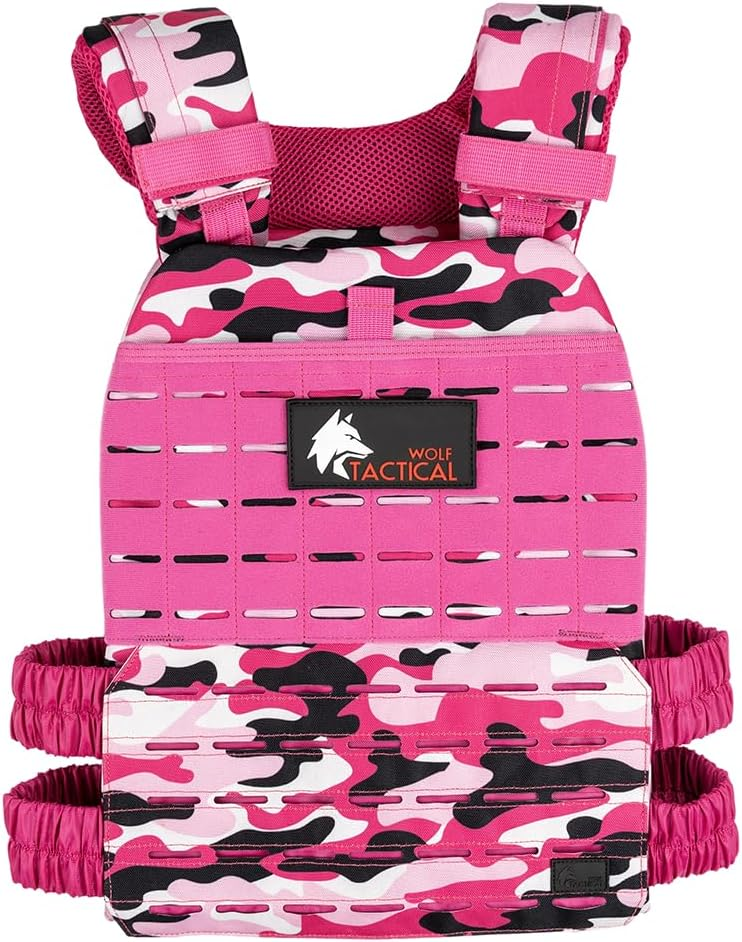
Using a 100 pound weight vest safely
Carrying a 100 pound weight vest is advanced training—effective for strength, bone density, and metabolic stress—but it demands disciplined progress, smart programming, and strict attention to form. This guide walks through the risks, progressions, and practical sessions you can use on trails, roads, or a treadmill.
Is a 100 pound weight vest right for you?
Before attempting that much added load, ensure you have several months (ideally years) of progressive weighted-vest or ruck training behind you. If you have joint issues, a recent injury, or chronic back problems, scale back and consult a medical professional. Heavy vests change your center of mass and increase ground reaction forces—plan recovery and expect slower paces.
Progression and programming
Use a conservative ramp-up plan. A sensible progression looks like:
- Start with 10–20% of bodyweight for 4–6 weeks to adapt posture and breathing.
- Increase load in 5–10 lb steps and monitor pain, gait, and fatigue.
- Only add bigger jumps after consistent, pain-free sessions for at least two weeks at the current load.
Weekly structure for an advanced trainee attempting heavy sets might include one heavy ruck day, one speed/interval ruck with lighter load, and two strength sessions without the vest to protect the spine and focus on hip drive.
Sample sessions with a 100 pound weight vest
- Short power ruck: 10–20 minutes, moderate pace, 100 lb, uphill focus. Keep tempo controlled—this is power work, not a marathon.
- Loaded carries: 3–5 x 100 m farmer carries or heavy plate carries if your setup allows—excellent for grip and posture without repetitive impact.
- Accessory day: Bodyweight or light-barbell posterior chain work (deadlifts, hip hinges) to preserve core and hip strength while recovering from heavy loaded sessions.
Technique cues and common mistakes
- Keep a tall chest and neutral head—don’t let the vest or plates pull you into a rounded upper back.
- Engage the posterior chain: hinge at the hips rather than bending through the lower back.
- Shorten your stride to reduce braking forces and protect the knees.
- Prioritize recovery: heavy vests demand quality sleep, consistent nutrition, and mobility work.
Estimate calorie burn for heavy rucking
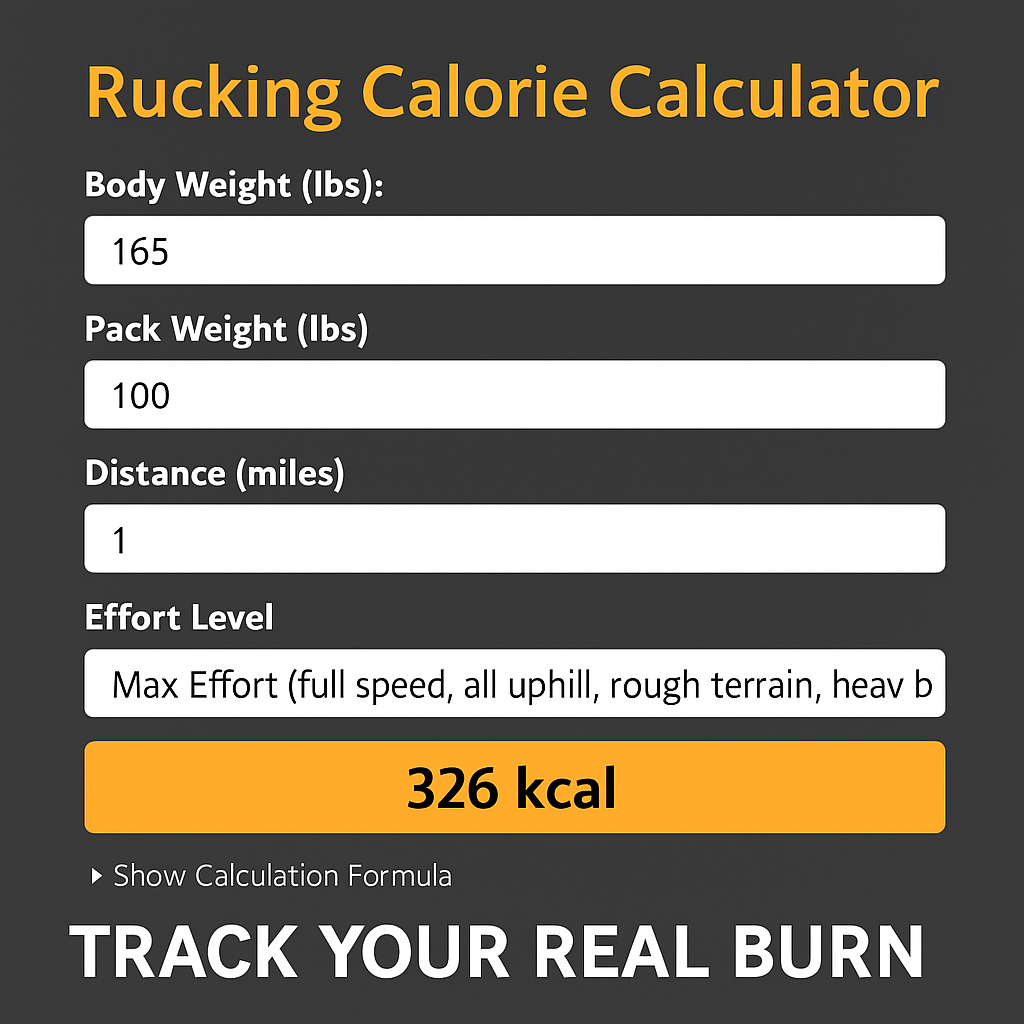
When you add large load, calorie burn increases substantially but varies by pace, terrain, and individual size. Use the rucking calorie calculator to get a solid estimate for your sessions. Click the screenshot below to open the calculator and plug in your weight, pace, distance, and load.

That calculator helps you compare a 100 lb vest session to lighter options so you can plan weekly energy intake and recovery.
Recommended gear for heavy loads
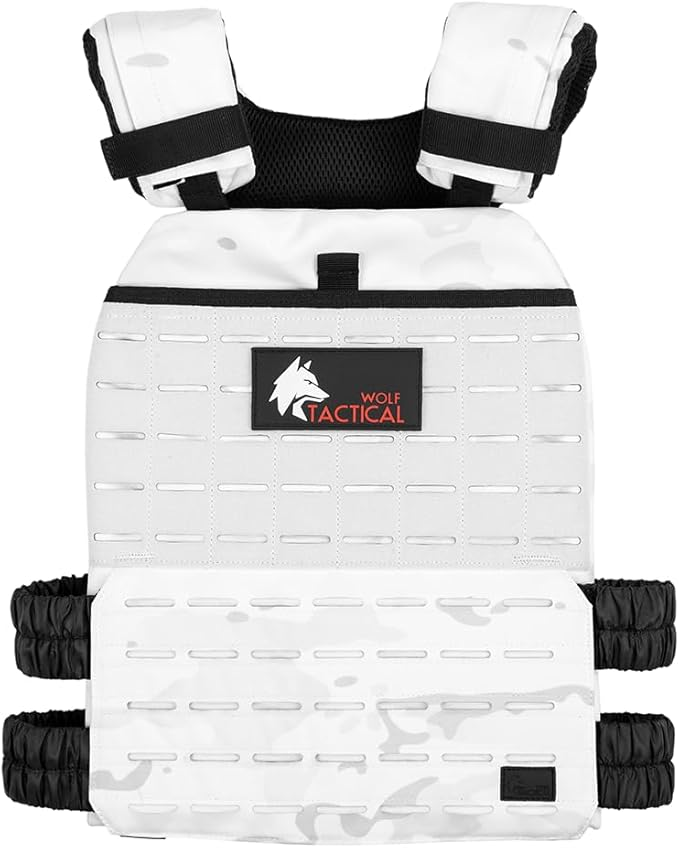
For extreme vest loads I recommend gear built to handle concentrated weight. The Kensui EZ-VEST® MAX V2 is engineered for very heavy loading and adjustable plates, which keeps weight balanced and reduces shifting during movement.

Final notes
I’m Preston Shamblen, ISSA-certified trainer—my coaching emphasizes gradual overload and consistent recovery. A 100 pound weight vest is a powerful tool when used intelligently; respect the load, emphasize technique, and use calculators to plan energy and recovery.