Why choose a 20 lb vest for Murph?
The classic Murph (1 mile run, 100 pull-ups, 200 push-ups, 300 squats, 1 mile run) changes character when you add external load. A 20 lb vest is a common, CrossFit-standard-sized load that keeps the workout brutal but manageable for athletes who want extra stimulus without dramatically altering movement patterns.
What a 20 lb vest does to the workout
- Increases cardiovascular demand: your run pace will slow and your heart rate will stay elevated longer.
- Raises metabolic cost: expect a meaningful bump in calories burned compared to bodyweight only.
- Amplifies joint and connective tissue stress—so pacing and technique matter more.
Practical pacing strategy
Start conservative on the first mile. If you normally run a 9–10 minute mile unweighted, expect the 20 lb vest to add 45–90 seconds depending on terrain and fitness. For the reps, break the work into manageable sets—this is where the majority of time is spent.
Recommended rep schemes
- 50/10 split: 20 sets of 5 pull-ups / 10 push-ups / 15 squats — steady and repeatable for many athletes.
- 10/20 split: 10 sets of 10 pull-ups / 20 push-ups / 30 squats — fewer transitions, more grind.
- Singles for pull-ups (unbroken) only if you can do 100 strict pull-ups—most can’t with added weight.
Technique and injury prevention
With a vest, movement quality matters. Keep squat depth consistent, protect your shoulders on pull-ups, and use full range push-ups without sagging the lower back. Warm up the posterior chain and shoulders thoroughly and choose a vest that distributes weight close to your center of mass to avoid excessive strain.
Gear recommendations
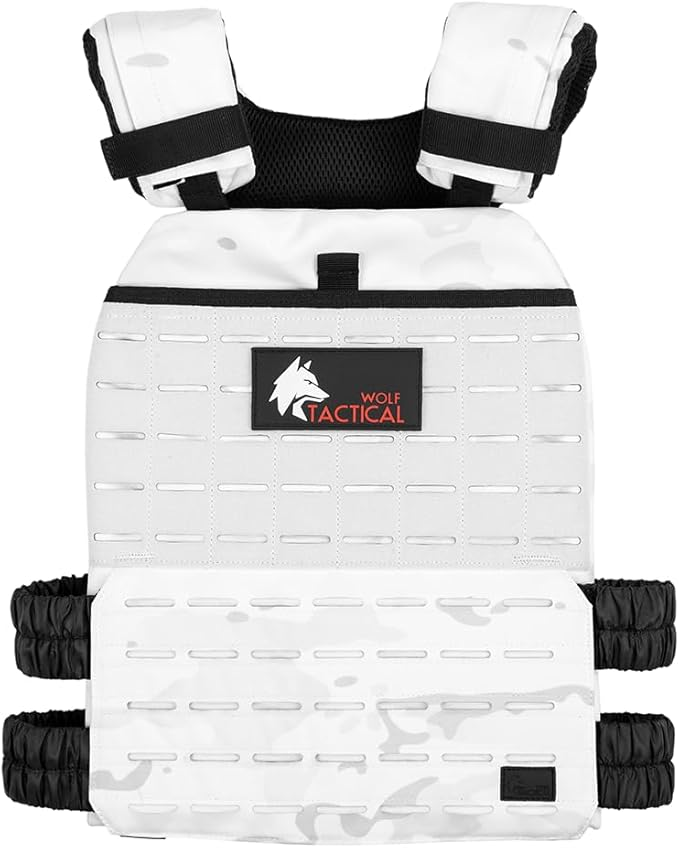
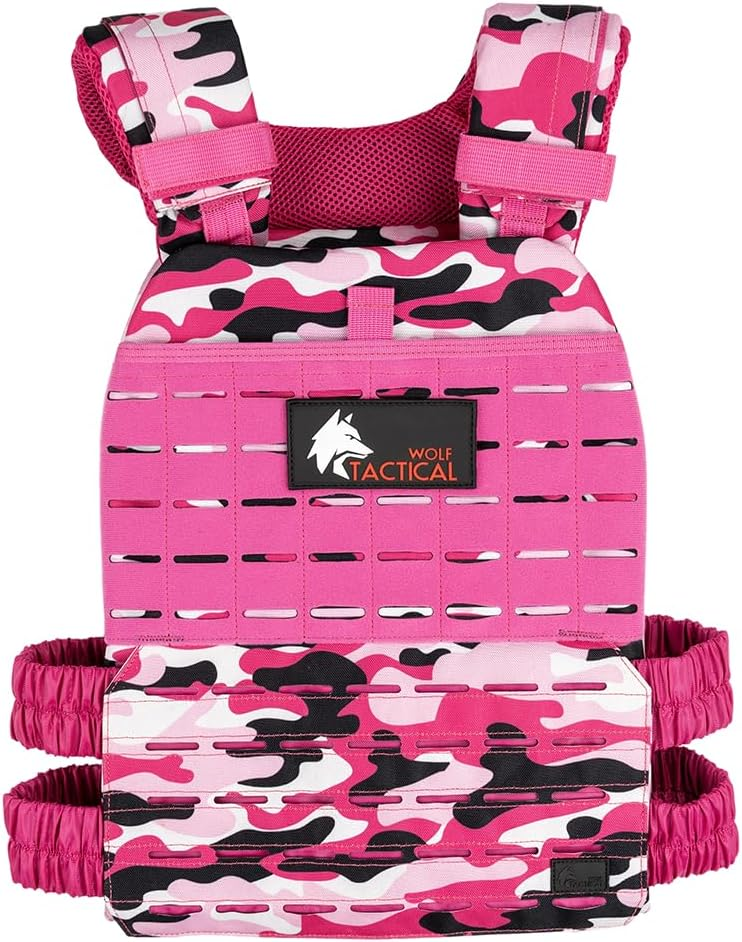
For a 20 lb Murph, I prefer vests that sit snug and minimize shifting. If you want a comfortable, beginner-friendly option consider the Wolf Tactical Simple Weighted Vest (Men/Women) for a secure fit during high-rep calisthenics.

For athletes chasing heavier resistance or advanced calisthenics progression, the Kensui EZ-VEST® MAX V2 gives broad loading capacity without excessive bulk.

Estimate calories and adjust recovery
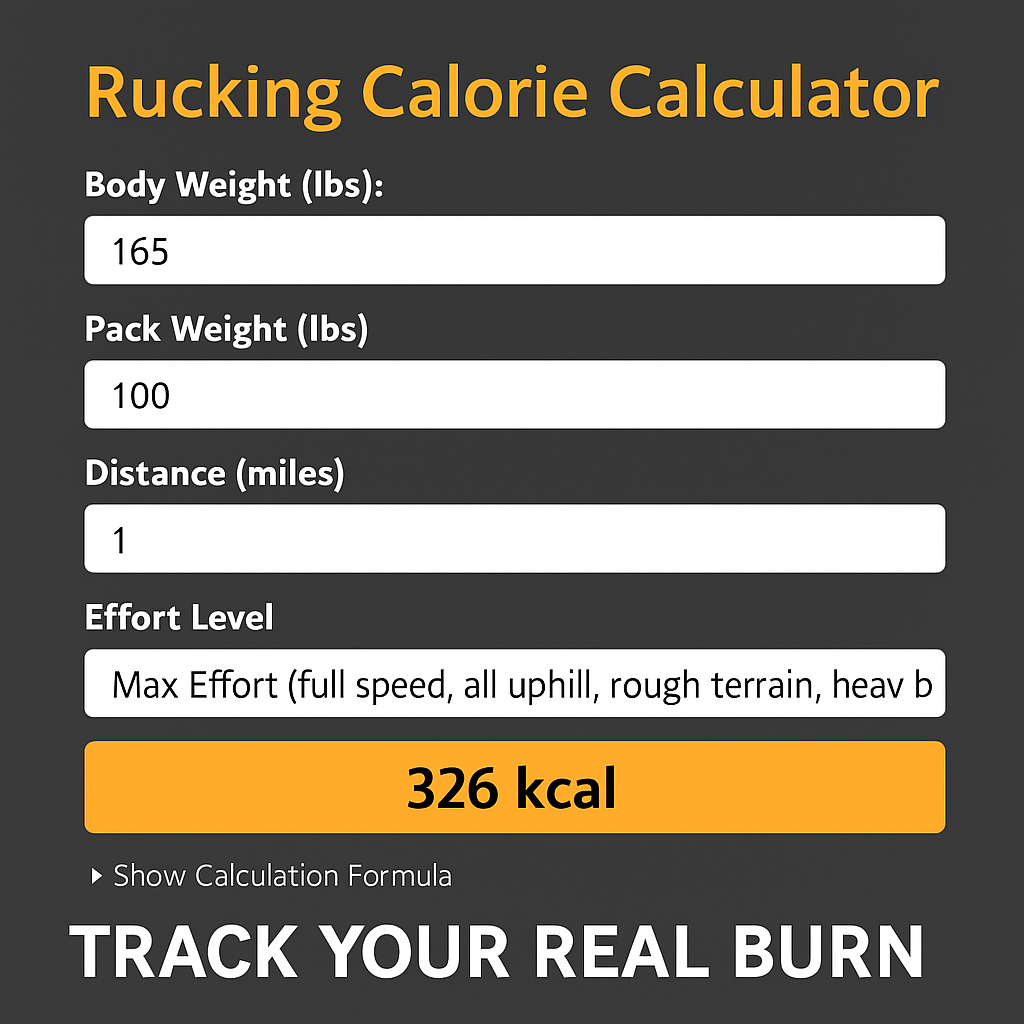
Curious how many calories Murph with a 20 lb vest burns? Use this calculator to estimate energy cost and help plan post-workout nutrition and recovery. Click the image to open the rucking calorie calculator and enter your weight, pace, and vest load.

Sample workout plan (8–12 week progression)
- Weeks 1–4: Two Murph-style sessions per month with 20 lb vest, focused on pacing and set structure.
- Weeks 5–8: Add one interval run and two strength sessions (pulling and posterior chain) per week.
- Weeks 9–12: Test a Murph every 3–4 weeks, track time and resting HR, and adjust vest load only if technique remains solid.
Closing notes
I lost 90 lbs through consistent rucking, weighted-vest work, and disciplined nutrition—weighted vests remained one of the most reliable ways I found to maintain lower body weight and keep burning fat consistently. Respect the added load, manage pace, and prioritize quality movement over ego. Small, repeatable progress beats random max-effort attempts when your goal is performance and longevity.