Why a 20lb vest for Murph is a common choice
Using a 20lb vest for Murph is a practical way to add meaningful load without dramatically changing movement mechanics. For most athletes the added weight increases cardiovascular demand and forces better posture while still allowing efficient transitions between the run, pull-ups, push-ups, and squats. This guide focuses on choosing the right vest, pacing strategies, and simple programming to protect the shoulders, lower back, and knees.
Key priorities before you start
- Fit and stability: a vest that sits high and tight reduces shoulder strain and torso shifting.
- Range of motion: ensure pull-ups and push-ups aren’t blocked by plates or bulky pockets.
- Breathing and pacing: Murph with load is a long metabolic event — don’t sprint the first run.
Choosing the right 20lb vest
All weighted vests are not built the same. For Murph you want low-profile, evenly distributed weight and minimal plate movement. Two reliable, athlete-focused options are below. Both keep the load close to your center of mass so you can cycle reps efficiently and protect your shoulders on pull-ups.

I use the 5.11 TacTec Trainer Weight Vest for workouts that require lots of movement. It clamps down and keeps plates from migrating during pull-ups and runs.

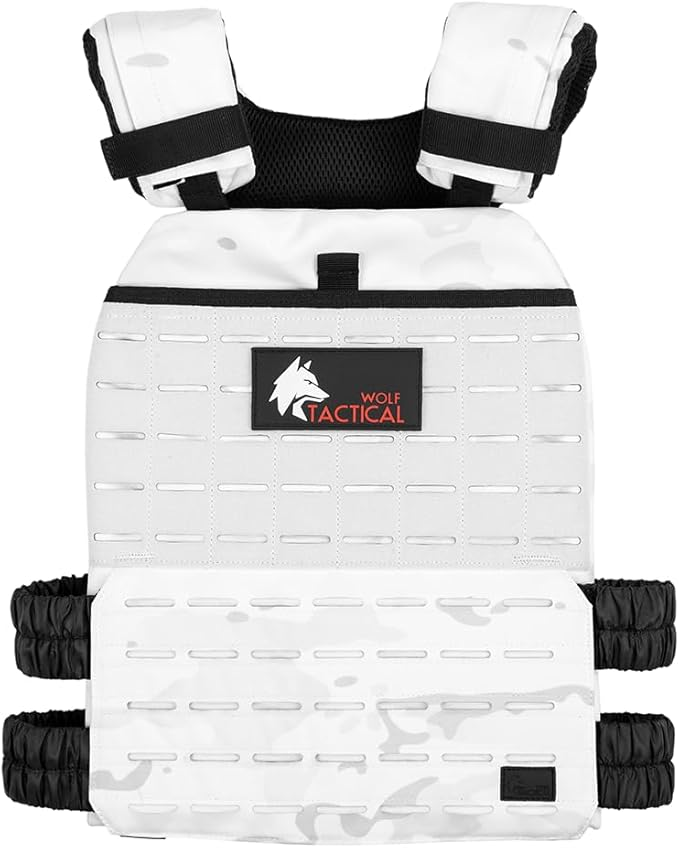
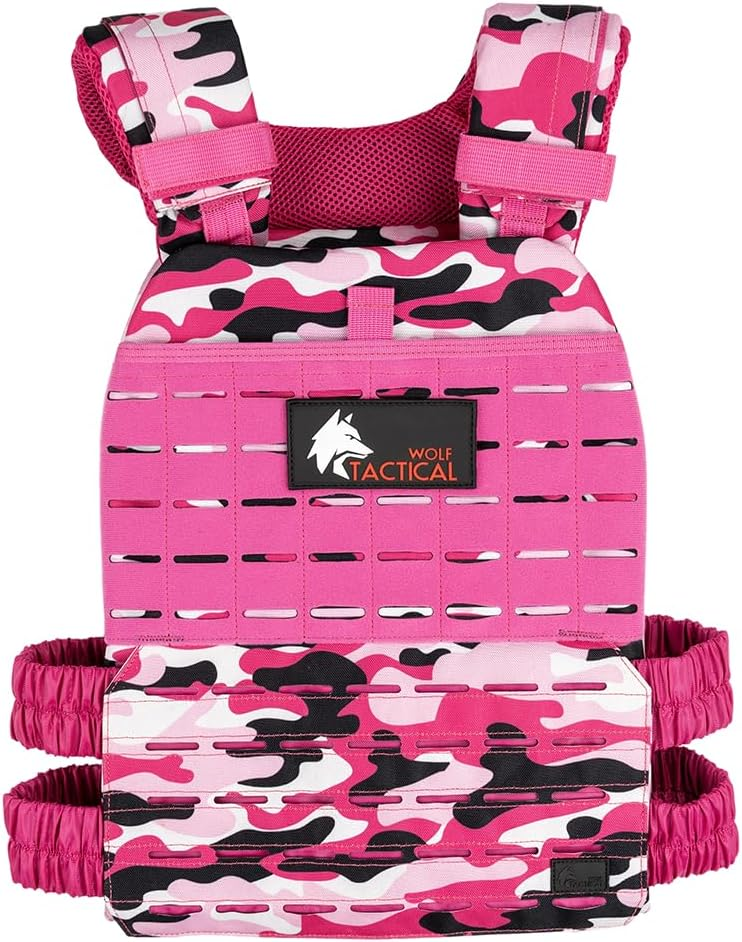
The Wolf Tactical Simple Weighted Vest is another excellent option for athletes prioritizing comfort and range of motion. Both vests are solid choices — pick whatever fits your torso and lets you breathe and move freely.
Pacing strategies for a 20lb Murph
Murph is 1 mile run, 100 pull-ups, 200 push-ups, 300 squats, 1 mile run. With a 20lb vest your heart rate will be higher; plan accordingly.
- Start conservative: treat the first mile like a tempo run, not an all-out sprint.
- Partition sets: 20 sets of 5 pull-ups, 10 push-ups, 15 squats is a common, moderate approach.
- Keep transitions clean: short, planned rest between movements beats unpredictable failure.
Sample partition (if new to weighted Murph)
- Run 1 mile steady
- 10 rounds of: 10 squats, 5 push-ups, 5 pull-ups
- Run 1 mile steady
Technique and injury prevention
Weighted Murph amplifies any technical flaw. Keep these simple cues:
- Pull-ups: tuck the ribs, engage lats before initiating, avoid kipping with a swinging load until you know your vest won’t shift.
- Push-ups: full scapular control and a braced core — don’t let the chest sag under load.
- Squats: stay upright and let the hips track under the load; shorten your range if depth causes posterior chain breakdown late in the WOD.
Estimate your calorie burn
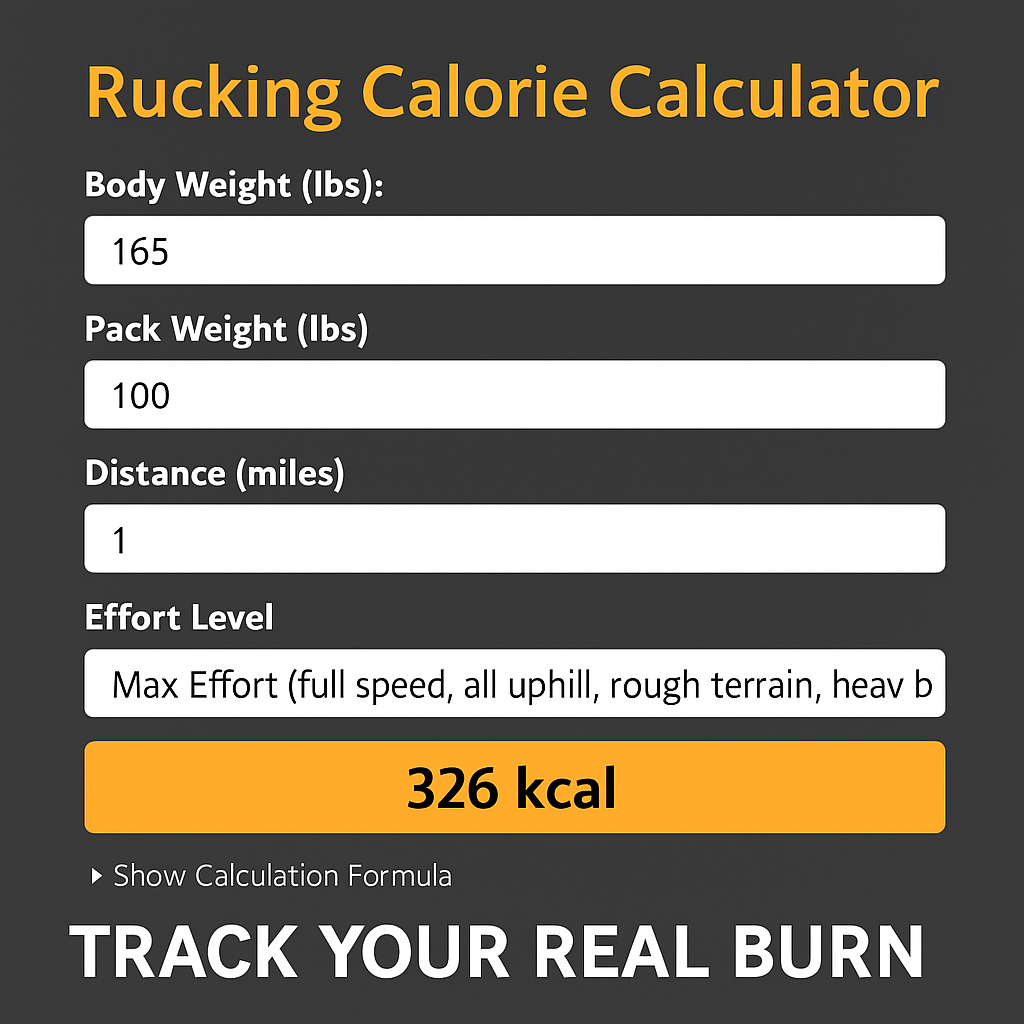
If you want a rough idea of how many calories Murph will burn with a 20lb vest, use this calculator. It’s not perfect for CrossFit-style WODs, but it gives a useful ballpark for programming and recovery.

Final notes
A 20lb vest for Murph is a sensible, performance-focused load for many athletes. Prioritize fit, practice transitions, and respect pacing. If you’re uncertain about adding weight, run a practice Murph at lighter loads or break the work into manageable sets until your technique holds under fatigue.