Why a 20lb weight vest works for most people
A 20lb weight vest hits a sweet spot: heavy enough to raise your heart rate and challenge your posture, light enough to keep form crisp for walking, rucking, stairs, and basic calisthenics. For many adults, 20 lb lands near 8–15% of body weight—right in the range I recommend for steady, joint-friendly conditioning and reliable calorie burn.
With the load centered on your torso, you can move naturally, build trunk stability, and make everyday walking or bodyweight work pay bigger fitness dividends. If you’re new, you can still start lighter (10–12 lb) and scale up to the full 20 lb as your gait and breathing stay smooth.
How to choose the right 20lb weight vest
- Adjustability: Look for small, removable weights or plate options so you can progress in 2–5 lb steps.
- Secure fit: Wide shoulder straps, dual side straps, and a snug chest closure reduce bounce and hot spots.
- Breathability: Mesh panels and padded shoulders prevent chafing on longer walks or hill repeats.
- Low profile: A compact vest keeps weight close to your center of mass, improving posture and comfort.
- Durability: Heavy-duty stitching and abrasion-resistant fabric matter if you train outdoors regularly.
Fit checklist
- High and tight: The bottom of the vest should sit above your hips so it doesn’t hit your thighs when you stride or climb stairs.
- No bounce test: Jog in place for 10 seconds; if the vest shifts, tighten the straps or adjust the load distribution.
- Full breath: You should be able to take a deep belly breath without the vest constricting your ribs.
- Even weight: Balance front/back so you don’t lean or overextend your lower back.
Simple 4-week progression with a 20lb vest
- Week 1: 2–3 sessions. 10–20 minutes brisk walk on flat ground. RPE 6/10, nasal breathing if possible.
- Week 2: 3 sessions. 20–30 minutes. Add gentle hills or 1–2 short stair climbs.
- Week 3: 3–4 sessions. 30–40 minutes. Add 2–3 sets of step-ups (6–10 reps/leg) mid-walk.
- Week 4: 3–4 sessions. 35–45 minutes. Optional mini-circuit every 10 minutes: 10 step-ups/leg, 8–12 elevated push-ups, 20–30 second plank.
Keep your stride tall, drive the arms, and keep your cadence snappy. If your lower back or knees complain, shorten the session and return to flat ground. Running with a vest isn’t required for results; fast walking and stairs are plenty effective.
Estimate your calorie burn
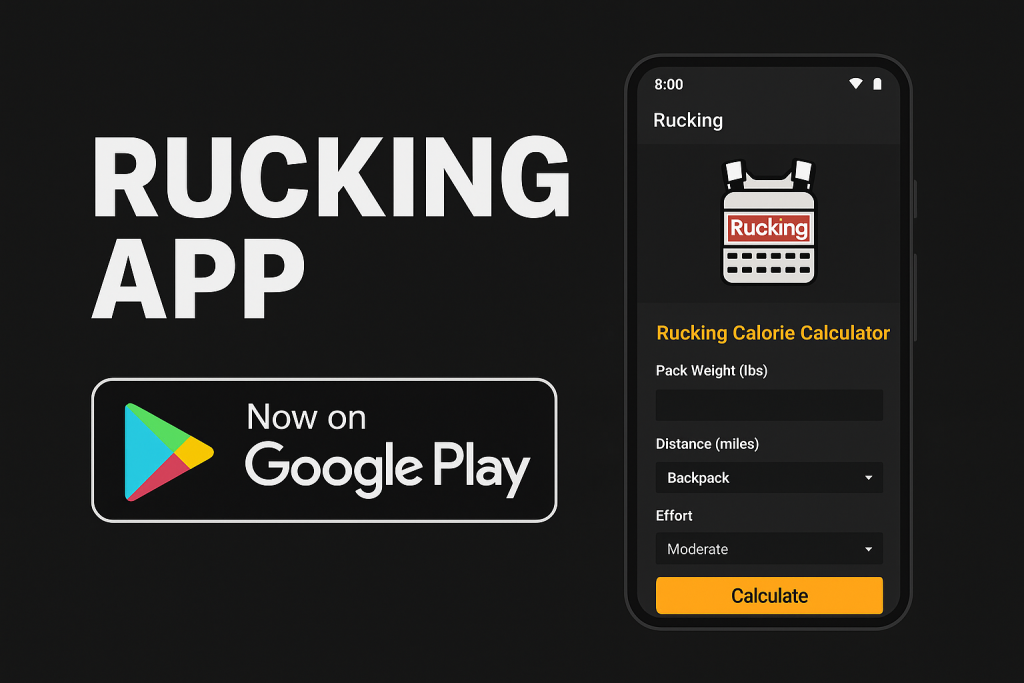
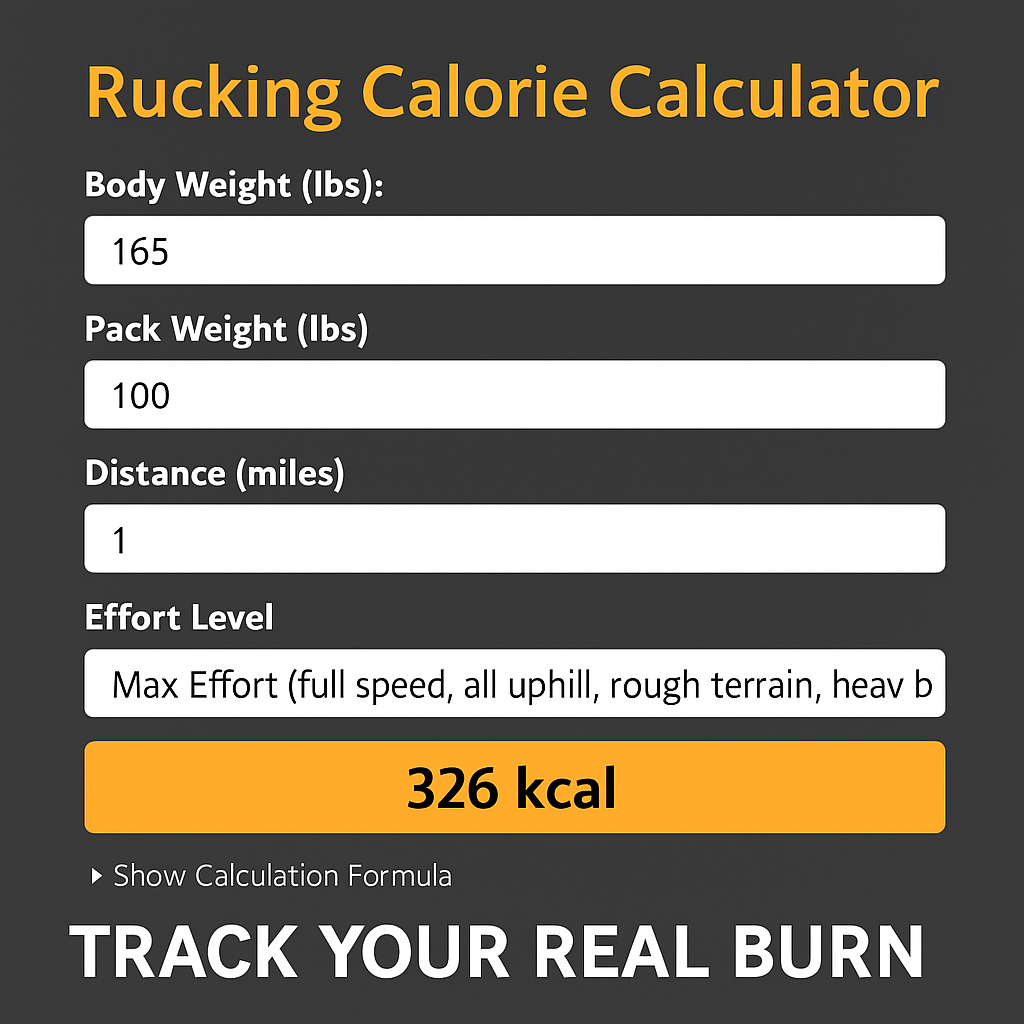
Want to see how many calories your 20lb weighted walks are burning? Use the rucking calorie calculator—it works great for weighted-vest sessions, too. Try it here: Rucking Calorie Calculator.

Recommended 20lb-friendly vests
The right vest should fit close, adjust quickly, and stay comfortable for 30–45 minute sessions. Two reliable options I see work well for most athletes:
Wolf Tactical Adjustable Weighted Vest
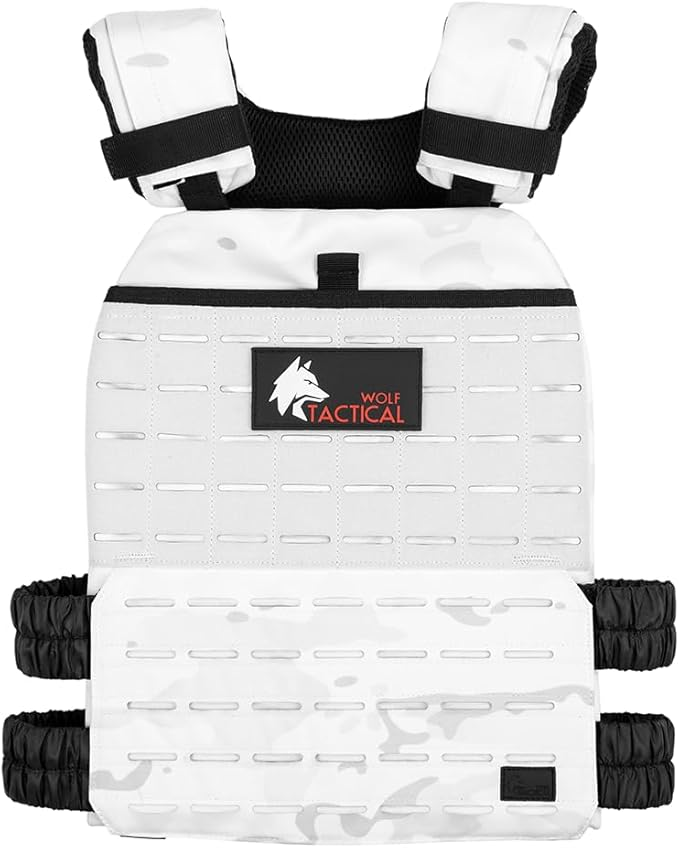
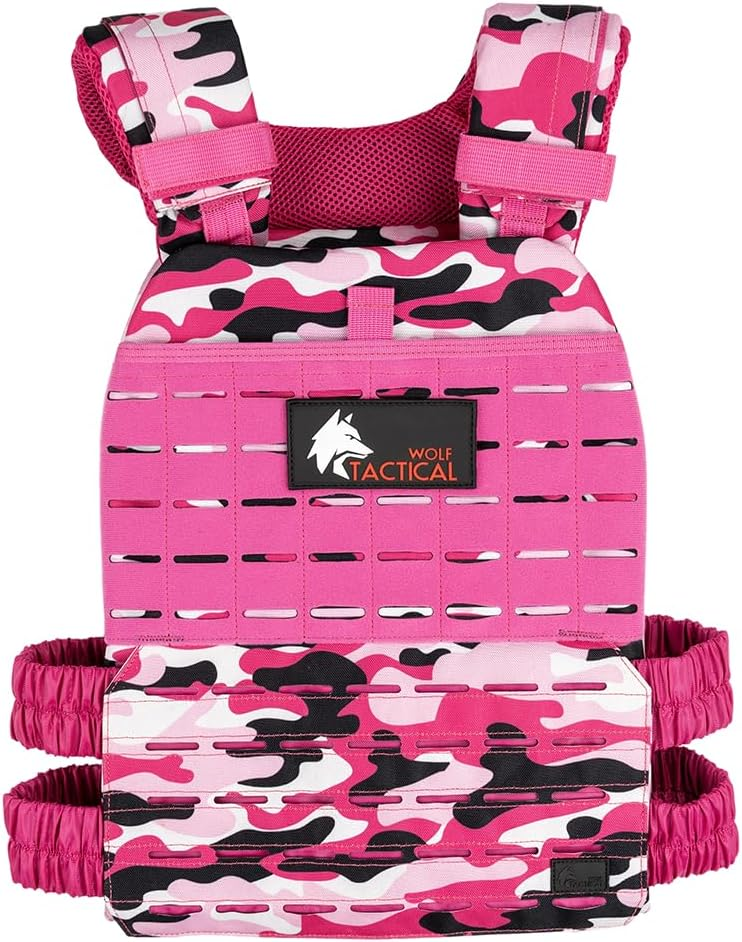
The Wolf Tactical Adjustable Weighted Vest is a budget-friendly, low-profile choice with solid shoulder padding and easy strap adjustments. It’s ideal for walking, rucking-lite, and calisthenics at or near 20 lb.

5.11 Tactical TacTec Trainer Weight Vest
If you prefer a premium carrier feel, the 5.11 Tactical TacTec Trainer Weight Vest pairs well with vest plates, rides close to the body, and breathes well for longer, hotter sessions. Load it to 20 lb with plate combinations and tighten it down for hill work or stairs.

Safety, recovery, and progression
- Pace over ego: Keep nasal breathing or conversational pace for most sessions.
- Foot care: Use supportive shoes and moisture-wicking socks; replace insoles if you climb stairs often.
- Surface choice: Grass, track, or packed trails reduce joint stress versus concrete.
- Progress slowly: Add 5 minutes per week or small hills—not both at once. Only increase weight after two weeks of pain-free sessions.
Mastering a consistent 20lb weight vest routine builds a foundation of cardiovascular fitness, posture, and work capacity you can stack for years.