Why a 20lbs weighted vest makes sense
A 20lbs weighted vest is a practical, approachable load for many ruckers and fitness walkers. It’s heavy enough to change your metabolic cost and posture but light enough for daily use without disrupting gait mechanics. For most people that means improved calorie burn, simpler progressive overload, and easier integration with bodyweight work and walking-based rucks.
Who should try 20lbs first
- Beginners who want a meaningful step up from bodyweight walking.
- Intermediate trainees using weighted walks to maintain weight loss or add steady-state cardio.
- Anyone returning from a layoff who wants to avoid joint stress from heavy barbell loading.
Fit and comfort tips
Fit matters more with vests than most people expect. A poorly fitting vest moves and chafes; a vest that sits too low alters your center of mass and can strain your back. Choose a vest that sits high on the chest and locks around your torso, with adjustable straps to keep plates snug against your body.
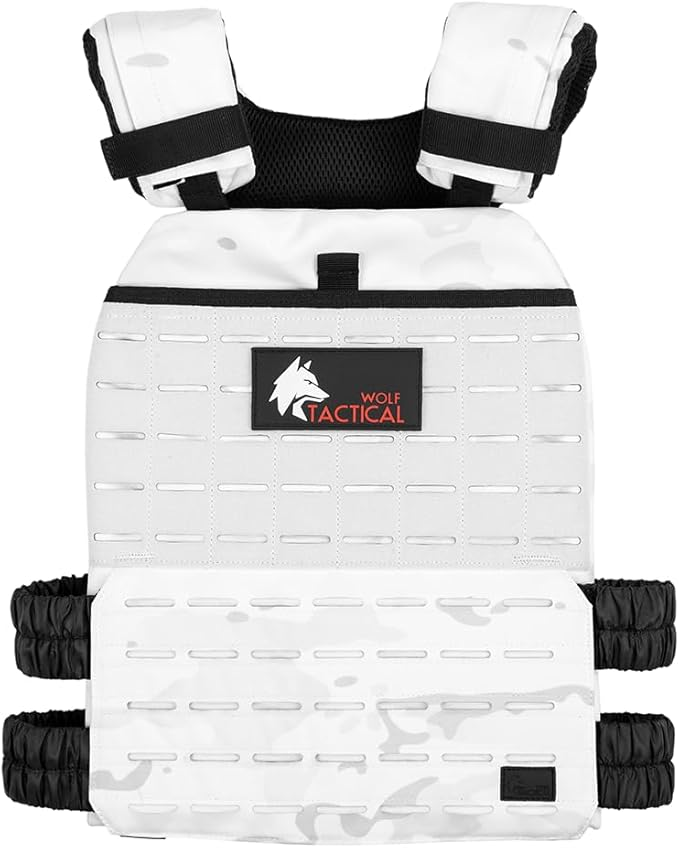
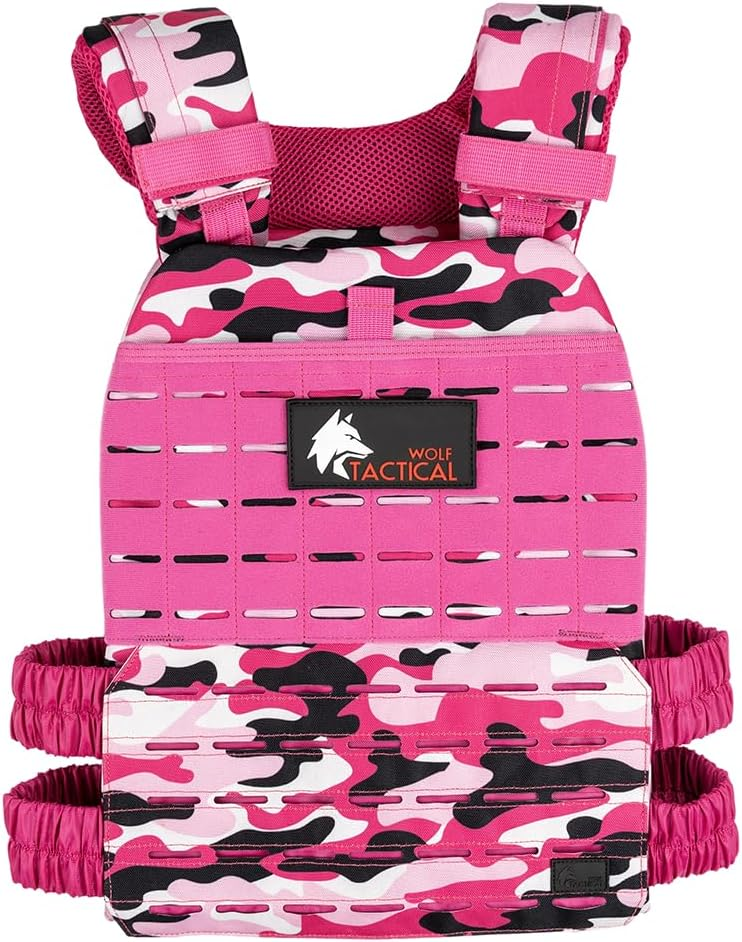
For a reliable, beginner-friendly option, consider the WOLF TACTICAL Simple Weighted Vest (Men/Women). It’s comfortable for walking and easy to add or remove weight as you progress.

Programming: how to progress from 20lbs
Think in weeks and sessions, not daily all-out pushes. Start with 2–3 weighted walks per week, 20–40 minutes each, then progress by time or load. A simple 6-week progression could look like:
- Weeks 1–2: 20–30 minute walks at conversational pace with 20lbs.
- Weeks 3–4: Increase to 35–45 minutes or add a 2nd session each week.
- Weeks 5–6: Add intervals (10 minutes steady, 2 minutes brisk) or increase to 25–30lbs if movement quality stays strong.
Sample session
10-minute warm-up (bodyweight mobility), 30-minute steady weighted walk with 20lbs at a pace you can speak in short sentences, 5–10 minutes mobility cooldown. Aim to keep cadence even and posture upright—don’t lean forward to “counterbalance” the pack.
Estimating calorie burn (calculator)
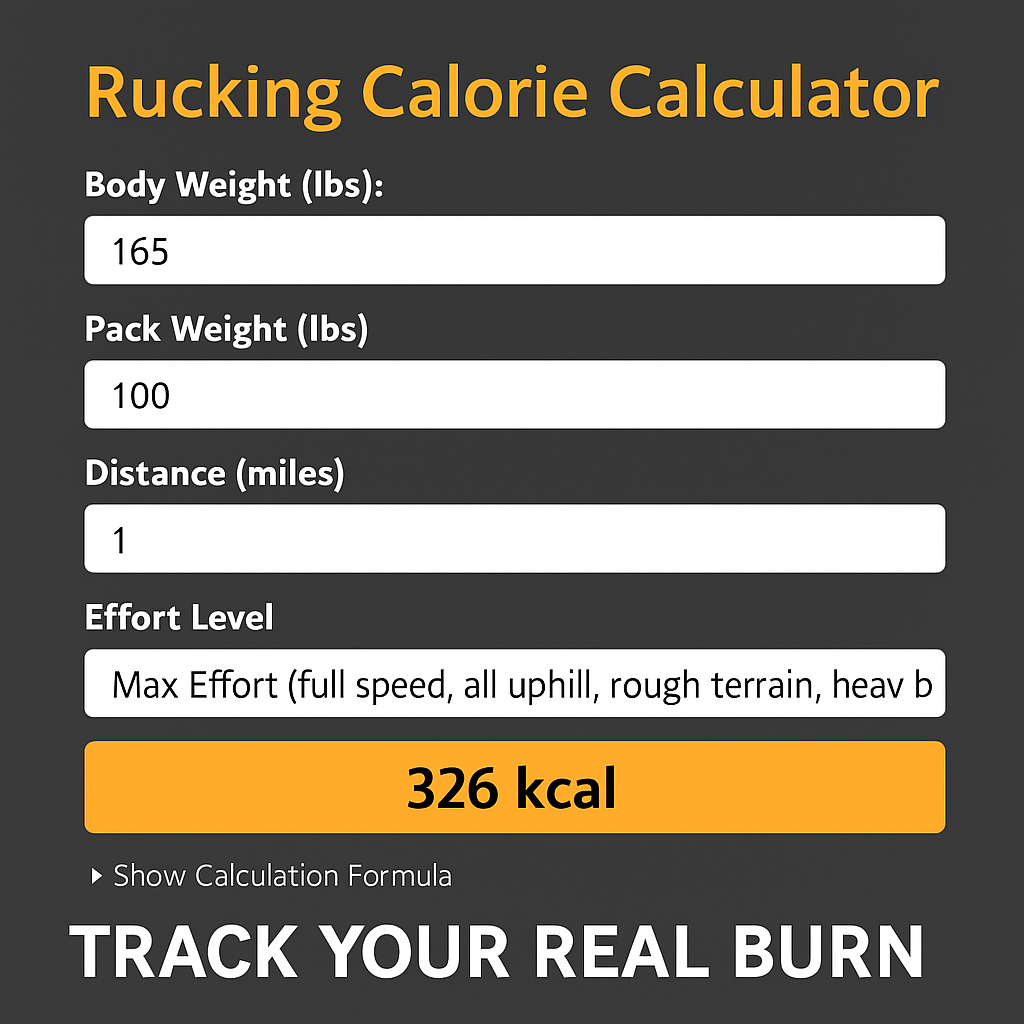
Use a quick calculator to estimate how much extra energy a 20lbs vest adds to your walks. Click the screenshot below to open the Rucking Calorie Calculator and enter your weight, distance, and vest load for an individualized estimate.

Gear notes and advanced options
If you want to transition to longer, mission-style rucks the GORUCK Rucker 4.0 20L is a durable upgrade—ideal when you move beyond short walks and want plate compatibility and load distribution for longer miles.

Real-world advice from experience
I’ve coached hundreds using 20lbs as a primary progression step. Preston Shamblen, the site founder and an ISSA-certified trainer, lost 90 lbs with consistent rucking and weighted-vest training and still recommends vests as a reliable tool to maintain lower body weight and burn fat consistently. Keep the load manageable, track volume, and prioritize posture and recovery.
Safety checklist
- Start slow: increase time before load.
- Watch form: no excessive forward lean.
- Hydrate and sleep well—both affect recovery when carrying load.
When used thoughtfully, a 20lbs weighted vest is a durable, everyday tool for steady fat loss, improved conditioning, and practical strength gains. Start conservatively, measure progress, and use a calculator to track energy cost so you can plan nutrition and recovery around consistent rucking work.