Why a 45 lb weight vest?
Adding a 45 lb weight vest turns ordinary bodyweight work and walking into a potent tool for strength, conditioning, and calorie burn. It’s a heavy load for most practitioners, so the emphasis must be on fit, progressive loading, and programming to avoid joint strain and ensure steady gains.
Fit and comfort first
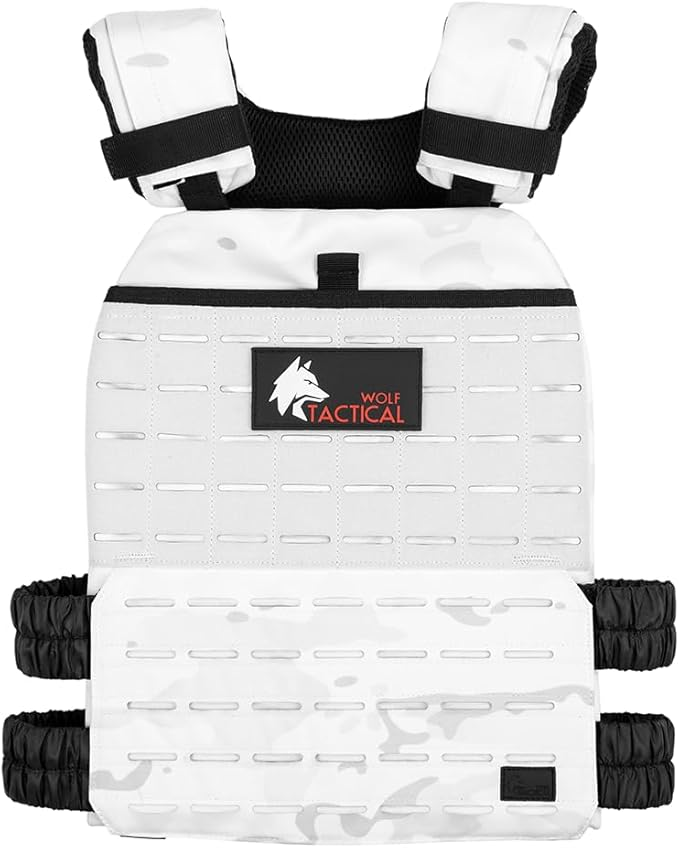
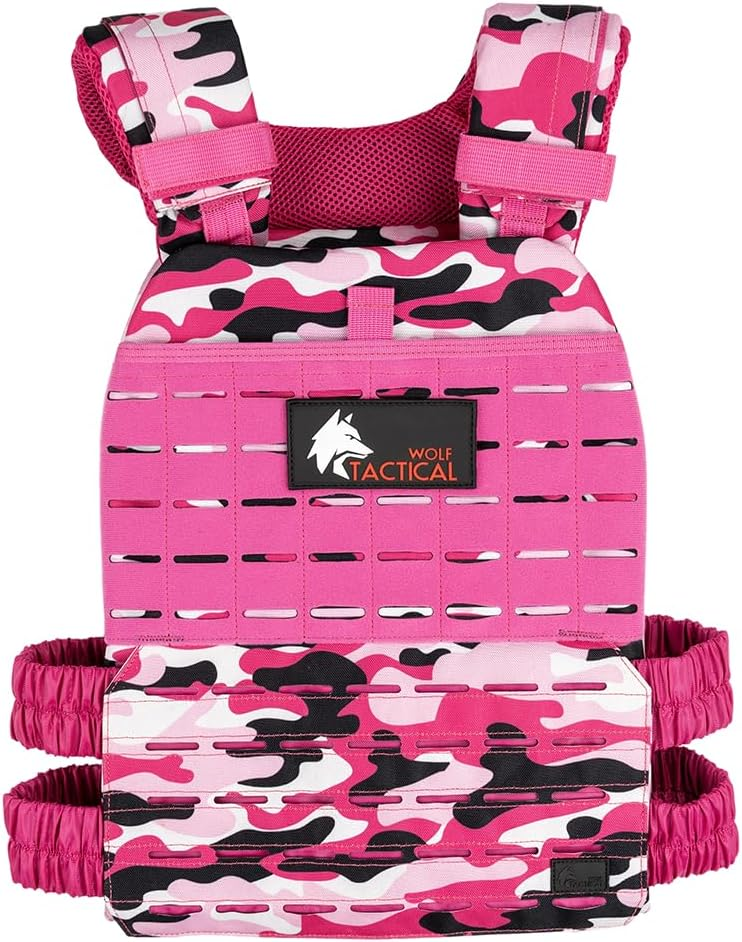
Before you push volume, make sure the vest sits low on your torso, the plates don’t shift, and shoulder straps are adjusted so the load feels centered. A poorly fitting vest amplifies impact and torque on the spine and shoulders—especially with this level of weight.
- Wear a base layer or compression shirt to reduce chafing.
- Start with shorter sessions: 10–20 minutes of movement with the vest before extending time.
- Check form frequently on squats, lunges, and hinges—less range of motion with poor form is not progress.
Programming with a 45 lb weight vest
A 45 lb vest is best used where your movement quality stays excellent. Use it for loaded walks, farmer-carry variants, push-up and dip progressions, and conditional sets in short intervals. Don’t treat it like an unmonitored accessory; program it.
Sample four-week progression
- Week 1: 2 sessions/week, 10–15 minute loaded walks, 3 sets of 8 push-ups with vest, focus on breathing and posture.
- Week 2: 2–3 sessions/week, 15–20 minute walks or rucks, add 3 sets of 6 assisted pull-ups or negatives with the vest.
- Week 3: 3 sessions/week, include interval hill walks (8×1 minute on, 1 minute off), strengthen hinges and single-leg work without vest.
- Week 4: Deload week—cut volume by 40% and focus on mobility and unloaded strength work.
Calorie and conditioning impact
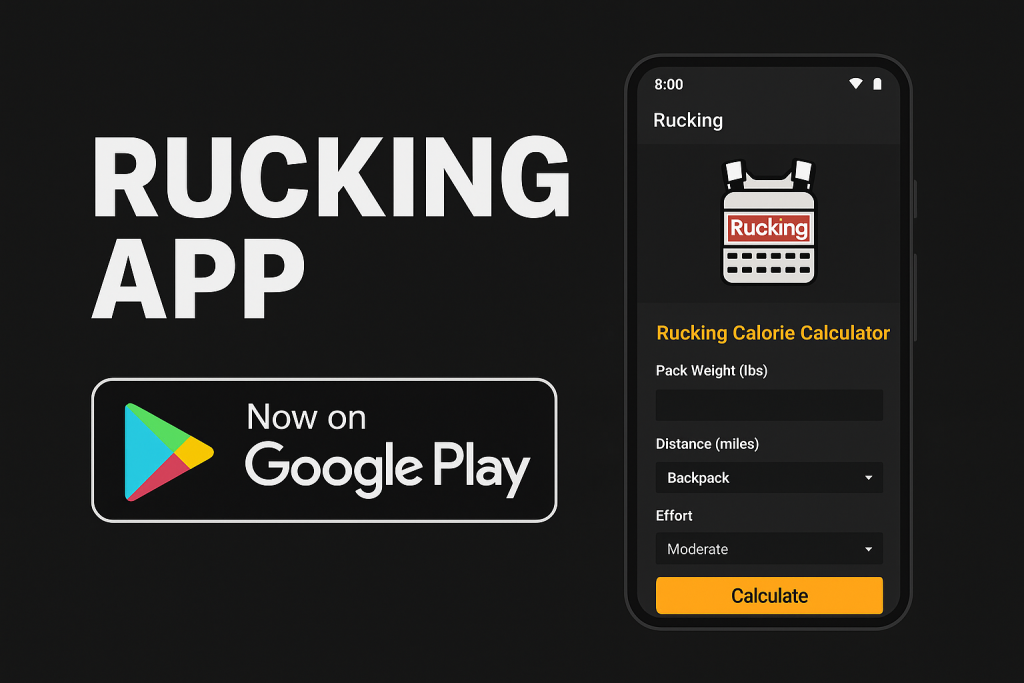
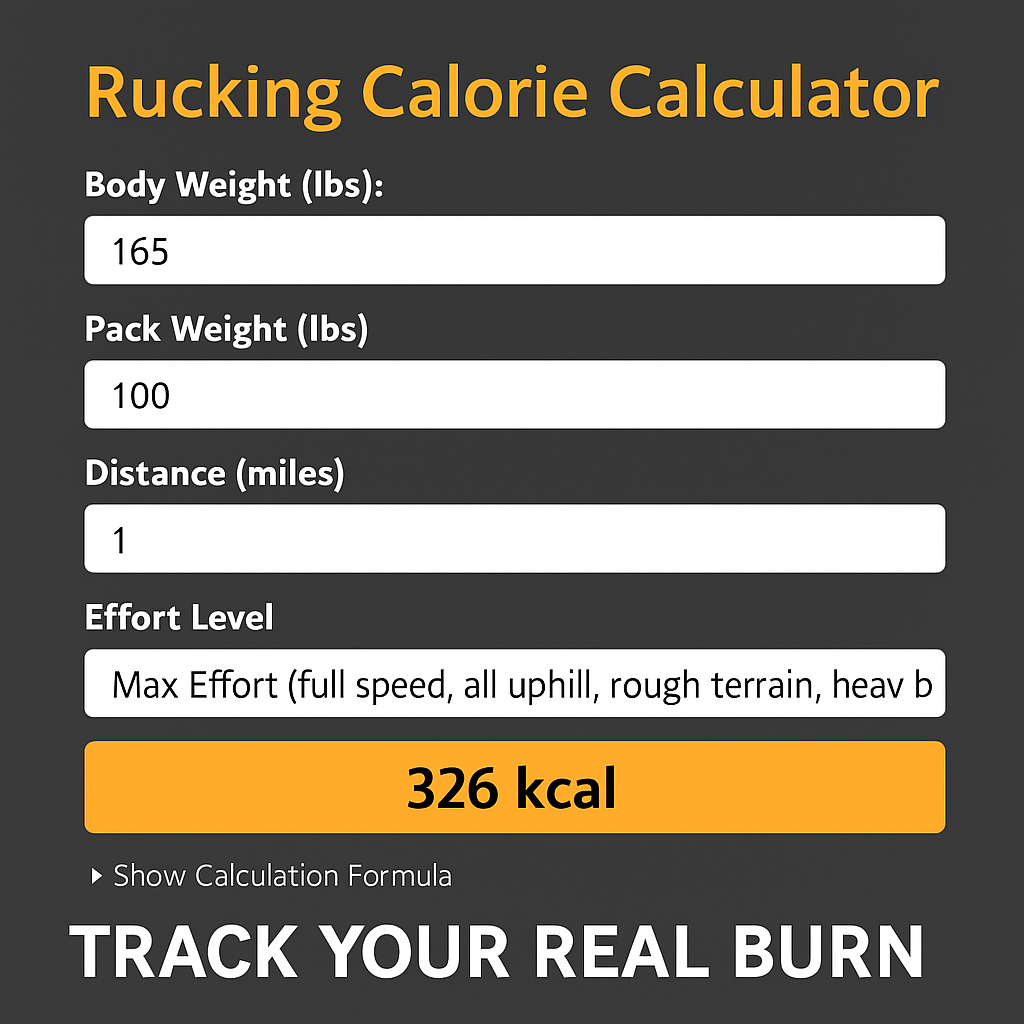
A 45 lb vest meaningfully increases energy expenditure for the same activity. To estimate calorie burn for your walks or rucks with a weighted vest, use the Rucking Calorie Calculator below. Plug in your weight, pace, distance, and vest load for an individualized estimate.

That calculator is the fastest way to compare walking vs rucking with a 45 lb load and to plan weekly calorie deficits or maintenance. Use it before and after a training block to track progress.
When to avoid a 45 lb vest
Do not use this vest if you have unresolved back or shoulder pain, recent joint surgery, or if you cannot maintain basic posture for 10 minutes unloaded. Regress: use lower loads, split plates in a rucksack, or substitute farmer carries to build capacity.
Gear recommendations
For heavy, stable loading during calisthenics and strength-focused work, a high-capacity plate vest is ideal. For long-distance rucks where comfort and packability matter, a dedicated ruck like the GORUCK Rucker is a better choice.
Example heavy-load option: Kensui EZ-VEST® MAX V2

Example ruck option: GORUCK Rucker 4.0 20L for long walks and organized rucking where load distribution and durability matter.

Final practical tips
- Build capacity off the vest: improve unloaded strength, hip hinge, and single-leg stability first.
- Keep sessions short and intentional when you first use 45 lb—quality beats duration.
- Track calories and recovery—use the rucking calculator above to align your training with nutrition goals.
With proper progression and a focus on fit, a 45 lb weight vest is a powerful tool for strength and conditioning. Treat it like a piece of strength equipment—not a fashion statement—and you’ll get reliable, measurable results.