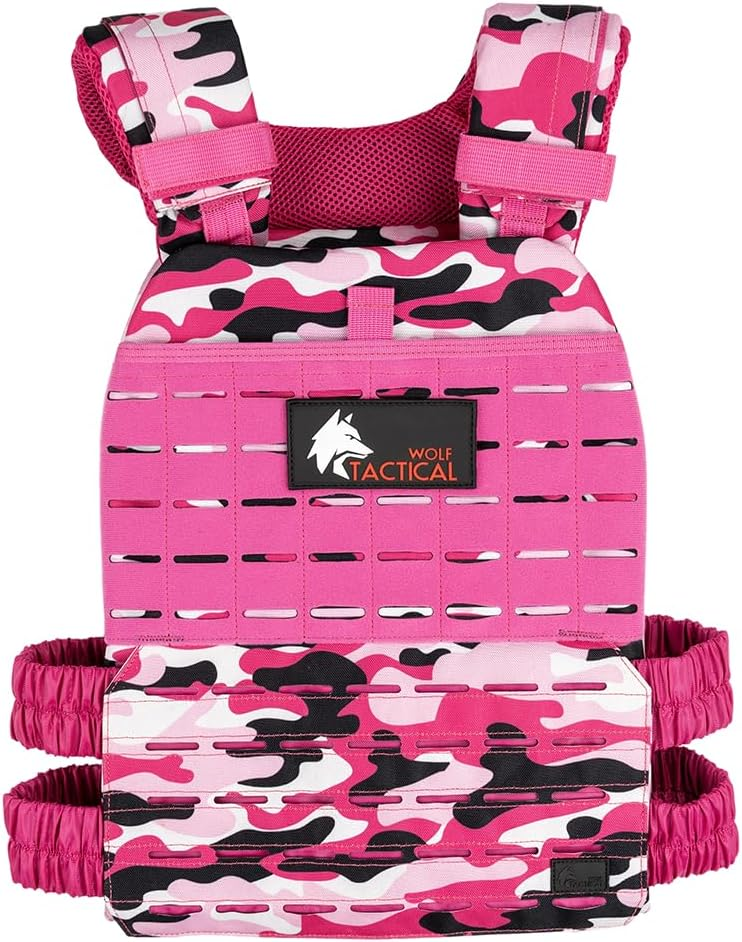
Why choose 5.11 plates for vest training
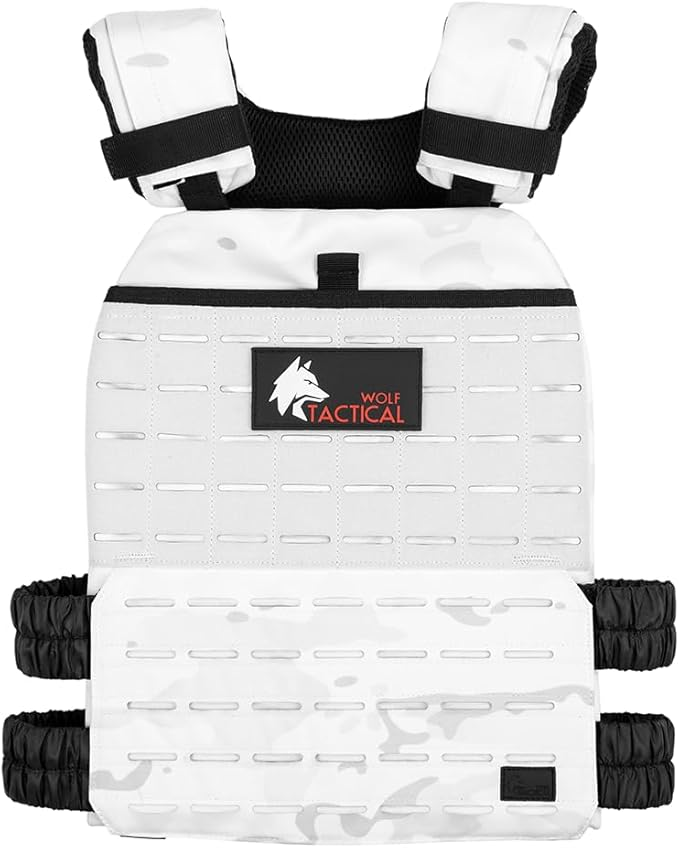
If you own a 5.11 TacTec-style vest or are considering the 5.11 TacTec Trainer Weight Vest, selecting compatible plates matters for fit, comfort, and safe load distribution. This guide covers plate types, sizing, and how to match plates to your goals—whether you’re building strength, adding ruck-style conditioning, or using the vest for interval work.
Key factors when choosing plates
- Profile and shape: Low-profile plates sit flatter against the body and reduce pressure points. Rounded or thin rectangular plates are easiest to stack inside training vests.
- Material: Cast iron or steel plates are durable but can shift. Soft-filled or polymer-encased plates give a little more forgiveness for dynamic movement.
- Weight increments: Smaller increments (2.5–5 lb) let you progress safely. If you plan heavy loading, 10–45 lb plates are useful for rucking-style progression.
- Compatibility: Check pocket dimensions of your 5.11 vest—plates that are too wide or too thick will bunch and create hot spots.
Practical plate options for 5.11 vests
Most users select one of three plate families: small steel plates, soft/filled plates designed for vests, or dedicated ruck plates sized for backpack pockets. If you plan frequent running or dynamic movement, favor low-profile plates or soft inserts to reduce chafe and improve range of motion.

Another practical option for bulk weight increments are ruck plates like the Yes4All Ruck Weight Plate. These are commonly used for rucking and backpack-style loading because they’re shaped to sit inside a ruck or plate carrier pocket.

Fit and comfort tips
- Start lighter than you think—add 5–10% of bodyweight in small increments to gauge comfort and posture impact.
- Use thin padding or a base layer to reduce chafing where plates contact ribs and shoulders.
- Distribute weight evenly—front and back balance prevents forward lean and low-back fatigue.
- If plates shift, consider using smaller plates spread across pockets rather than one heavy block.
How to match plates to your training
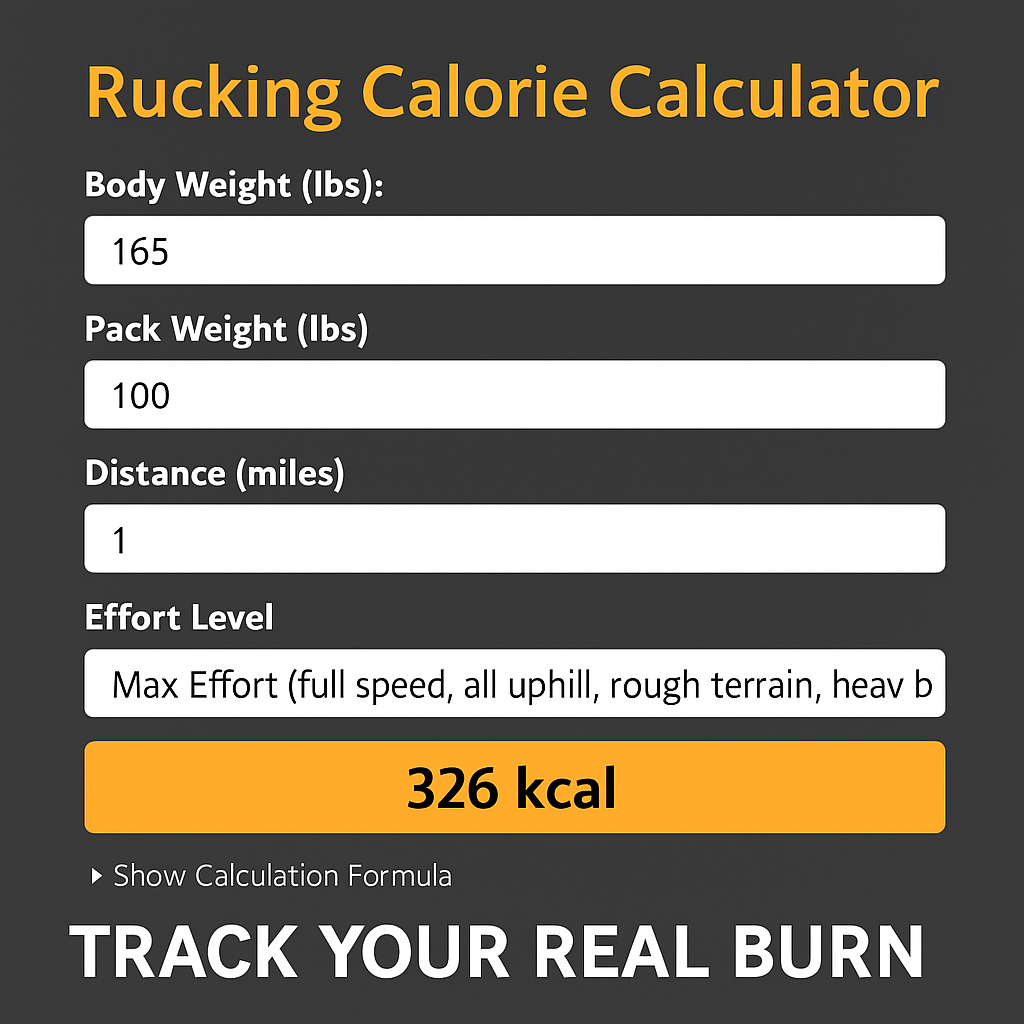
Beginners aiming for conditioning or fat loss should favor smaller total loads and longer duration walks. Strength-focused athletes can stack heavier plates for short sets and calisthenics. If you want an exact estimate of calories burned carrying different plate loads and paces, use the rucking calorie calculator below to plan progression and recovery.

Run a few scenarios: 10–20 lb in the 5.11 vest for longer walks versus 30–45 lb for short ruck intervals. The calculator helps you compare energy cost and set realistic targets for weight-loss or performance plans.
Final checklist before you buy plates
- Confirm pocket dimensions and plate thickness.
- Pick material and profile based on movement type (soft for running, solid for static strength).
- Buy multiple small increments to fine-tune load distribution.
- Test for comfort on a short walk before committing to long rucks.
Choosing the right 5.11 plates for vest use is about fit and progression more than maximum weight. Thoughtful selection reduces injury risk and makes training consistent and productive—exactly what you want when you’re building conditioning with a weight vest.