Is a 50 lb weighted vest right for you?
A 50 lb weighted vest is an advanced tool. It can accelerate strength, power, and conditioning, but only if you’ve already built a foundation with lighter loads. If you can comfortably complete 30–45 minutes of brisk walking with 20–30 lb, perform high-quality push-ups, step-ups, and squats without joint discomfort, and recover well between sessions, you’re likely ready to test the waters at 50 lb.
Who benefits most? Tactical athletes, firefighters, hikers preparing for steep elevation, and experienced calisthenics lifters. If you’re rehabbing an injury, have back or knee pain, or haven’t trained consistently for 8–12 weeks, keep building capacity at 20–35 lb first.
Benefits and risks of training at 50 lb
- Higher strength stimulus with bodyweight movements (squats, step-ups, lunges, dips, pull-ups).
- Increased cardiovascular demand for walking and hill repeats without high-impact running.
- Meaningful calorie burn in shorter sessions, especially on varied terrain.
- Risks: spinal and knee stress if the vest rides low, poor breathing if it fits too tight, and overuse if you spike volume too quickly.
How to progress to 50 lb safely
- Weeks 1–2: 25–30 lb, 2–3 sessions/week, 25–35 minutes Zone 2 pace. Add 5–10 minutes hill work once per week.
- Weeks 3–4: 35–40 lb, 2 rucks + 1 strength session (step-ups, split squats, push-ups), total 45–60 minutes weekly volume.
- Weeks 5–6: 45–50 lb, keep sessions short (20–30 minutes), prioritize perfect posture: tall chest, neutral spine, smooth foot strike.
- Rule of 10–15%: Increase either load or time, not both, and cap weekly increases around 10–15%.
- Recovery: One lighter deload week every 4–5 weeks; mobility for hips/ankles; sleep 7–8 hours.
What to look for in a 50 lb vest
- Even weight distribution front/back to protect your lower back.
- Firm torso wrap so the vest doesn’t bounce; quick-adjust straps.
- Shoulder padding and breathable fabric to reduce hot spots.
- Modular loading so you can micro-progress (2.5–10 lb increments).
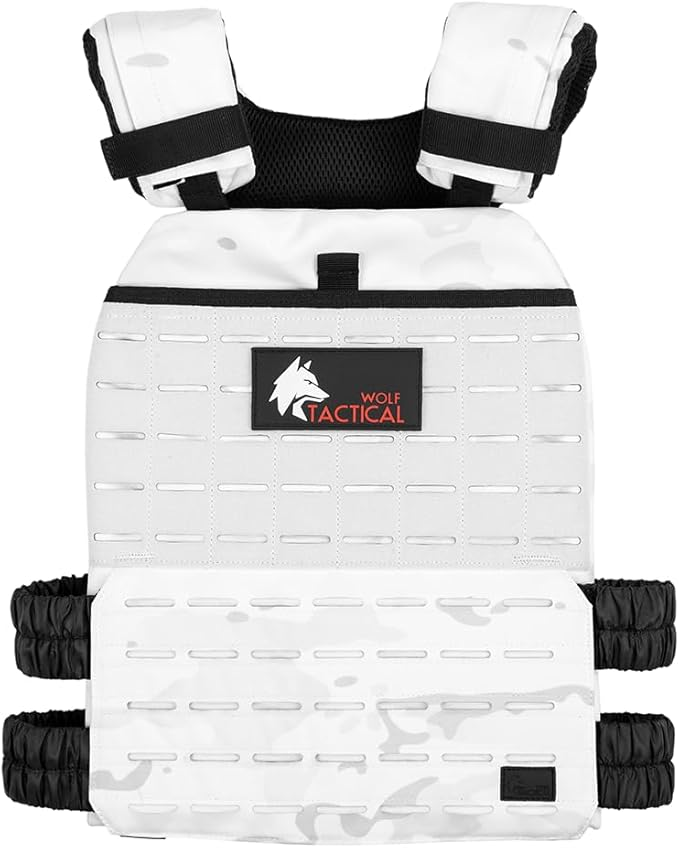
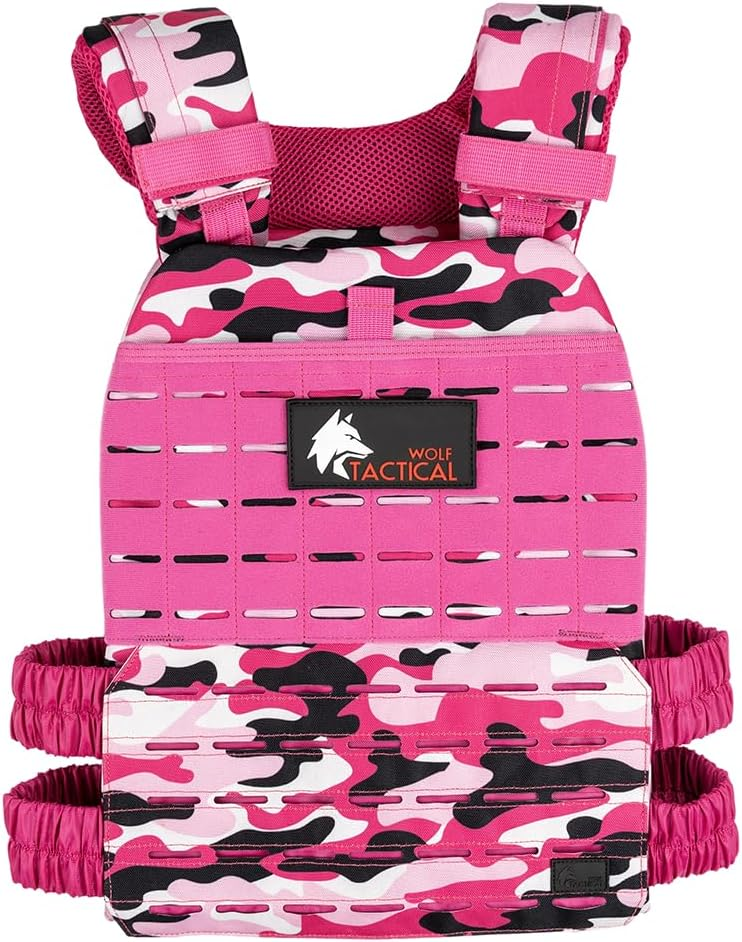
If you want a comfortable all-rounder that scales well to 50 lb, consider the Wolf Tactical Adjustable Weighted Vest. Pair it with dedicated plate sets for stable loading.

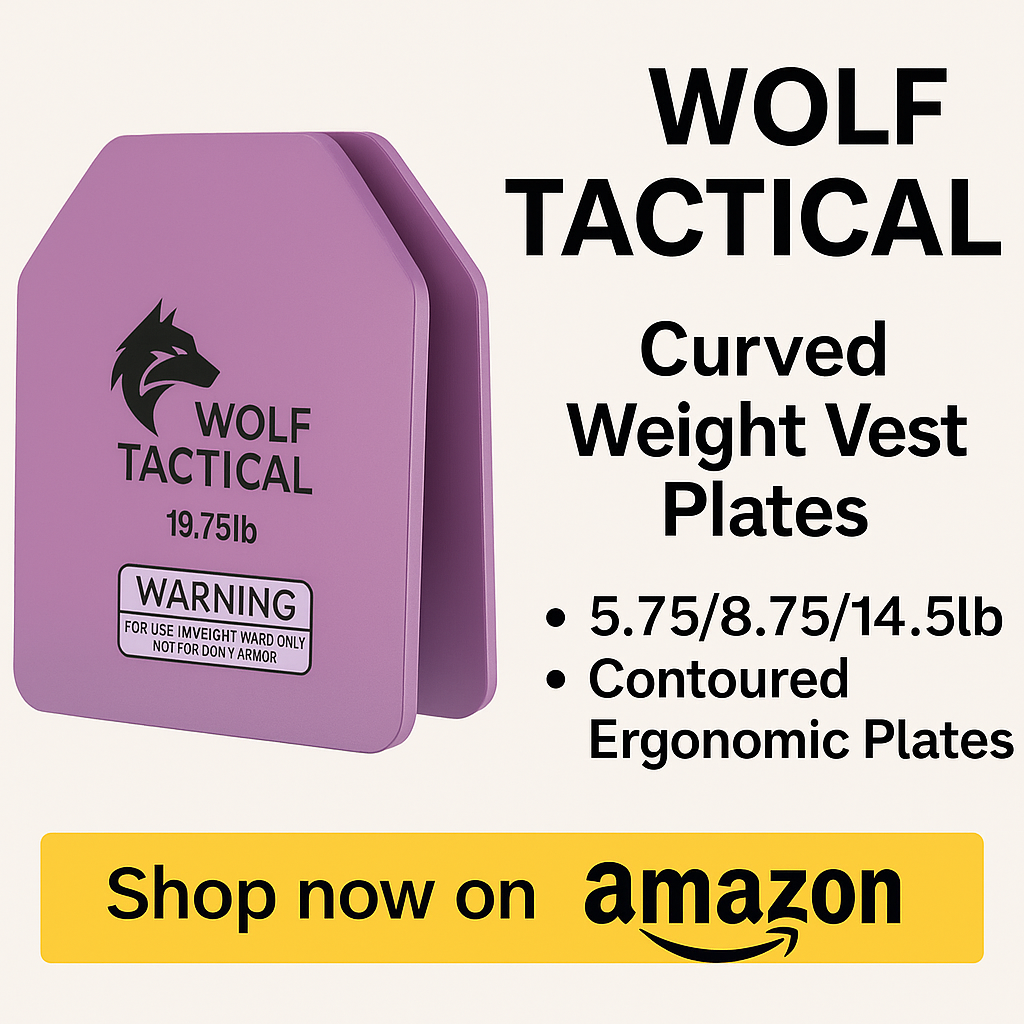
To hit the full 50 lb target with reliable balance, add WOLF TACTICAL Weight Vest Plates (pairs) in the sizes you need.

If your focus is heavy calisthenics and very high ceilings, the plate-loaded Kensui EZ-VEST MAX V2 handles extreme loads while keeping the weight high on the torso to reduce shear forces.

Sample 50 lb training sessions
Short conditioning ruck (25–30 min)
- Warm-up: 5 minutes at 20–30 lb, mobility for hips/ankles.
- Main set: 12–18 minutes at 50 lb, brisk walk, nasal breathing if possible.
- Finish: 5 minutes easy at 25–35 lb.
Strength circuit (3–4 rounds)
- Step-ups 8–10/leg
- Push-ups 8–12
- Walking lunges 10–12/leg
- Rest 60–90 seconds; keep total time under 25 minutes.
Hill repeats (12–16 minutes)
- Climb steady for 60–90 seconds, walk down easy. Repeat 6–10 times.
Estimate your session’s calorie burn
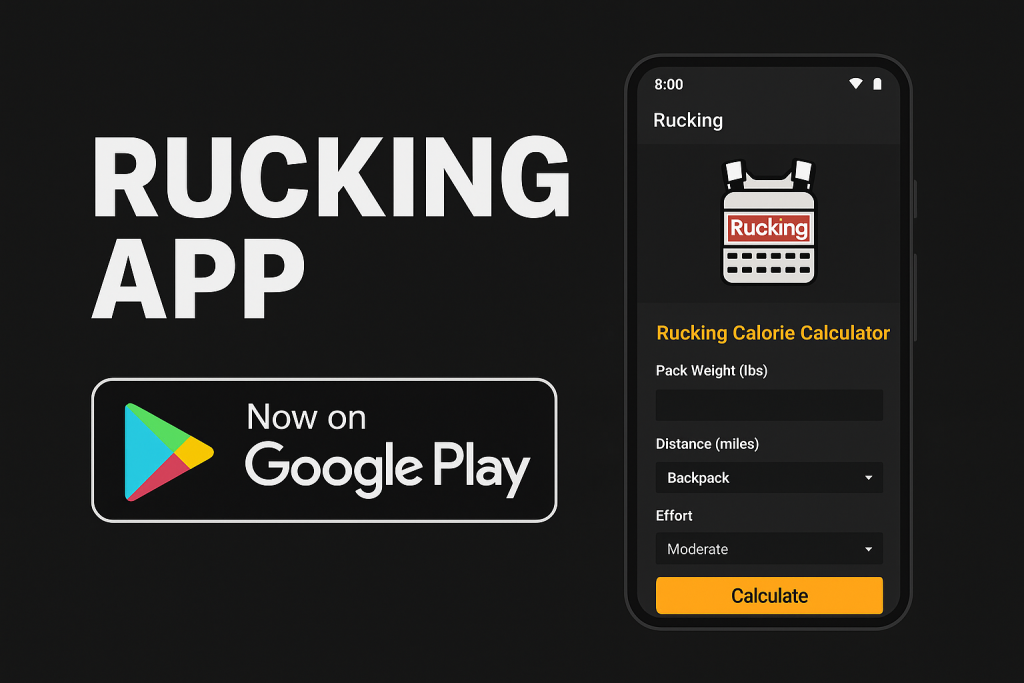
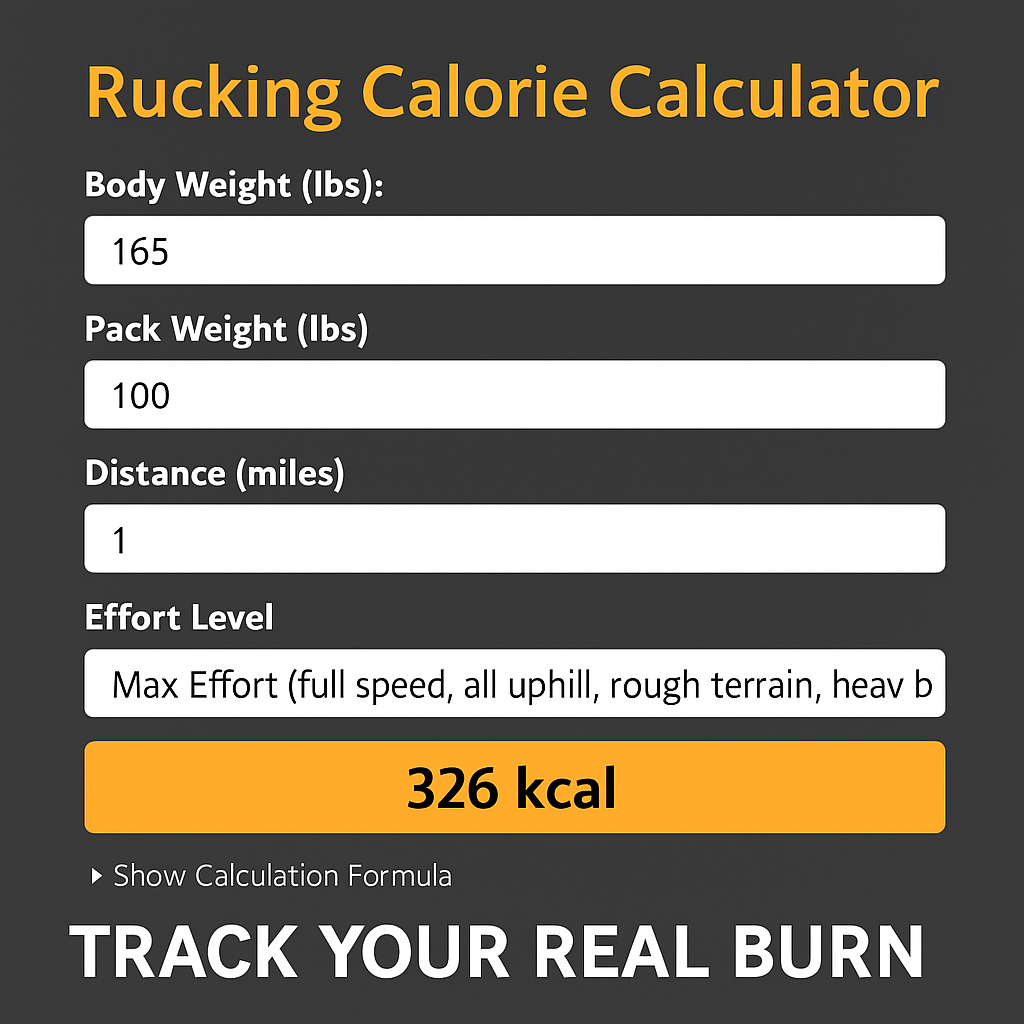
Heavier loads change the math. Use this rucking calorie tool to dial in duration and pace before you step out.

Final checks: keep the vest high and tight, step softly, and prioritize quality movement over ego loading. Progress patiently and your 50 lb vest will become a powerful, dependable training tool.