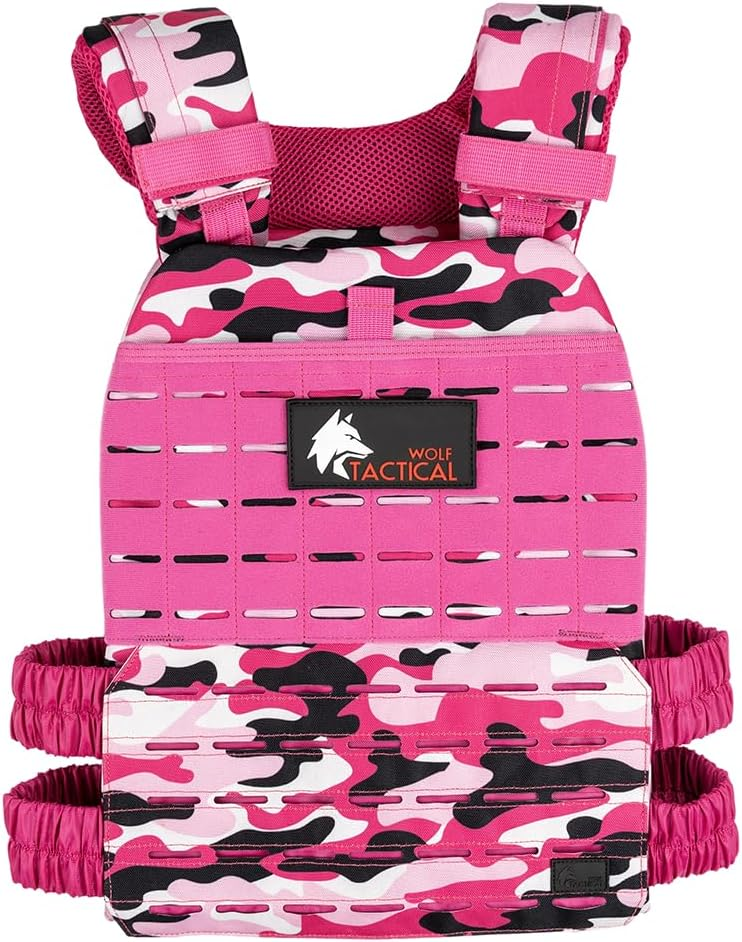
Why choose a 50 pound vest?
A 50 pound vest is a meaningful training load. It shifts a walking session into a strength-endurance workout, increases metabolic demand, and forces better posture and bracing. Used correctly, it’s one of the most efficient tools to add progressive overload to bodyweight movements and rucks.
Who should consider 50 pounds?
If you have a solid base of rucking or weighted-vest experience (months of progressive loading), no unresolved joint pain, and a focus on walking, loaded conditioning, or weighted calisthenics, 50 lb is a sensible target. If you’re newer, you’ll want to build up gradually.
Progression and safety
Training with heavy external loads demands attention to progression, recovery, and technique. Take a conservative approach:
- Start lighter and add weight in 5–10% increments per week at most.
- Prioritize posture: chest up, neutral spine, engaged glutes and core.
- Limit session duration early—30–45 minutes is plenty for new heavy sessions.
- Use intervals: alternate loaded walking with unloaded mobility or strength sets.
- Monitor recovery: sleep, hunger, and joint soreness dictate adjustments.
Sample 8-week build for a safe ramp to 50 lb
- Weeks 1–2: 15–25 lb rucks, 3× week, 20–30 minutes.
- Weeks 3–4: 25–35 lb rucks, 3× week, introduce 2 short hill efforts.
- Weeks 5–6: 35–45 lb, 2–3× week, add loaded step-ups and carries.
- Weeks 7–8: test 50 lb in a single 20–40 minute session, evaluate sore spots and form.
Equipment that handles heavy loads
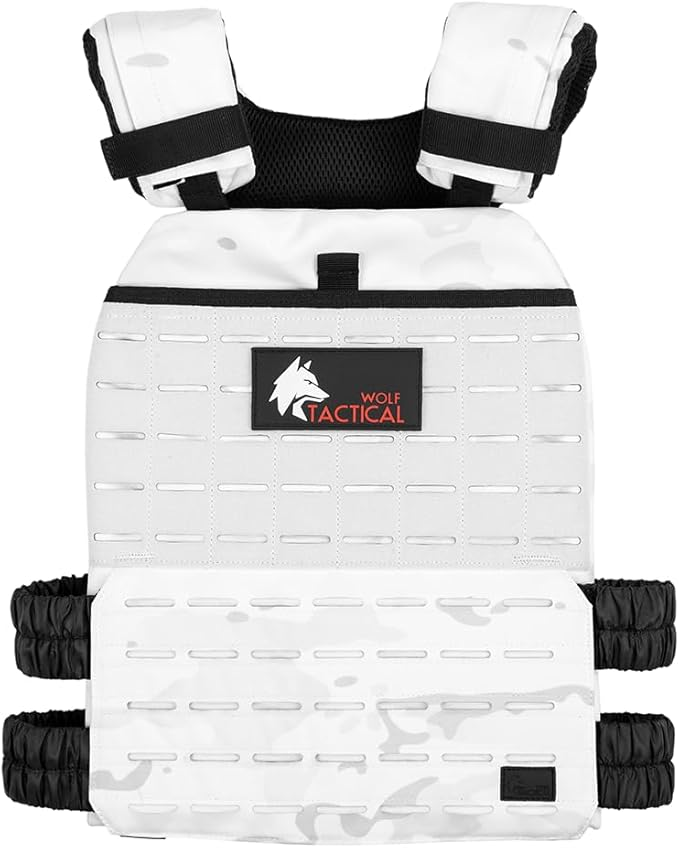
For a true 50 lb load, durability and fit matter. I recommend gear built for heavy plates and aggressive movement:

I use the Kensui EZ-VEST® MAX V2 (300 lbs) when sessions require secure plates and a rigid platform for explosive work or high-volume loaded sets.

For longer rucks that mix endurance and packing comfort, the GORUCK Rucker 4.0 20L is a solid complementary option.
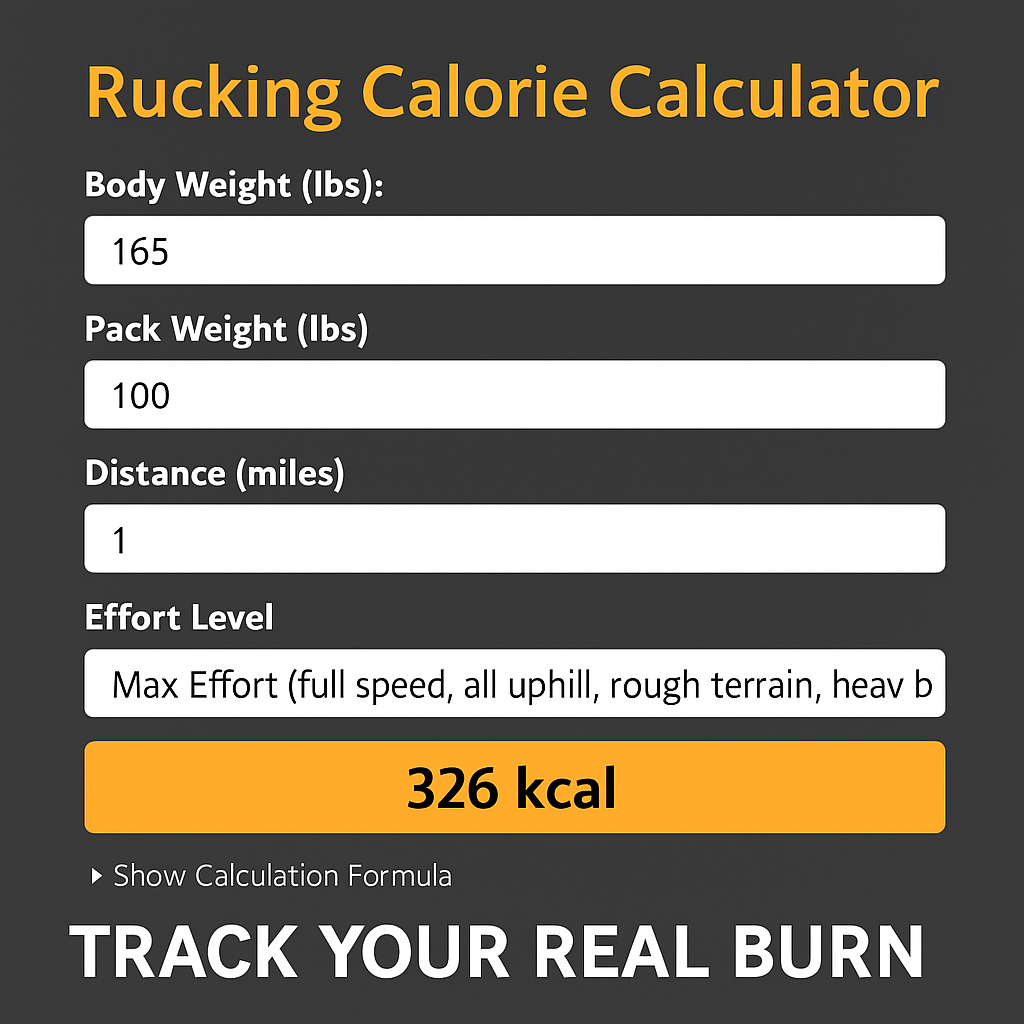
How many calories will a 50 lb vest burn?
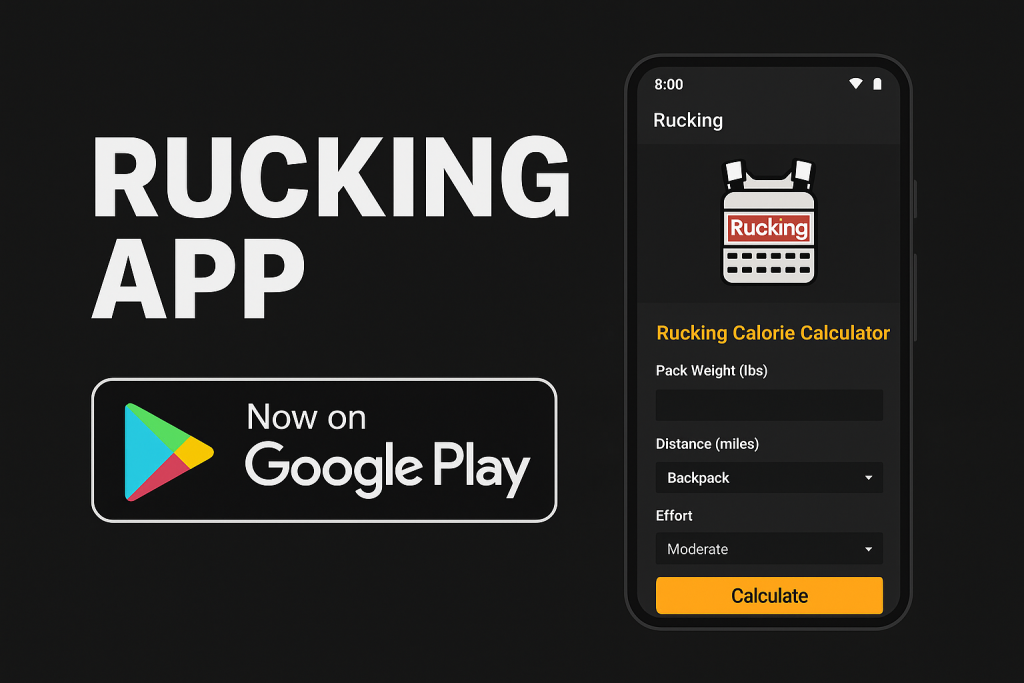
Calorie burn depends on pace, terrain, and body weight. Use the rucking calorie calculator below to estimate your session burn and plan nutrition and recovery. Plug in your weight, pace, distance, and load to get a realistic number before you push hard.

Real-world tips from Coach Preston
As someone who dropped 90 lbs through consistent rucking, weighted-vest work, and disciplined nutrition, I still recommend progressive weighted vests as one of the most reliable tools to keep weight off and build work capacity. Start conservative, treat heavy sessions like strength training, and prioritize recovery.
Quick checklist before a 50 lb session
- Check straps and plate security.
- Warm up hips and thoracic mobility.
- Plan a conservative route—shorter loops and easy exit points.
- Bring water and have a plan to scale load or duration if form degrades.
Train smart, progress slowly, and use gear built for the load. A 50 pound vest is a powerful tool—respect it, and it will deliver consistent strength and metabolic gains.