Why choose a 50 pound weighted vest?
Using a 50 pound weighted vest is a direct way to increase training intensity without changing movement patterns. For outdoor rucks, hill repeats, and loaded calisthenics, a 50 lb vest forces your body to adapt — increasing strength, bone density, and calorie burn. If you’re comfortable with progressive loading and have a solid foundation in bodyweight work, a 50 lb vest is a useful tool.
Who should consider this weight
- Experienced trainees who can maintain form during squats, lunges, push-ups, and walking.
- Ruckers who already use 20–40 lb loads and want a compact, evenly distributed load for tempo work.
- People focused on strength endurance and calorie burn who have no joint pain and good mobility.
Safety first: a checklist before you load to 50 lb
Adding 50 pounds to your torso changes leverage and ground reaction forces. Use this checklist before a set or a ruck:
- Have you trained progressively with 10–20–30 lb vests first?
- Can you perform 10–20 quality bodyweight squats, lunges, and push-ups without compensation?
- Do you have no acute joint pain, and have you consulted a trainer or clinician if you have prior injuries?
- Are you using a vest that distributes weight evenly and allows full range of motion?
Programming ideas for a 50 pound weighted vest
Below are practical sessions that favor safety and progressive overload.
- Ruck intervals: 20–30 minutes total. Warm up 10 minutes bodyweight, then alternate 3–5 minutes brisk ruck with 2 minutes easy.
- Strength-endurance circuit: 3 rounds — 10 vest squats, 10 incline push-ups, 20 step-ups (each leg), 400m brisk walk between rounds.
- Short hill sprints with vest (advanced): 6 x 30-second uphill efforts, walk down for recovery. Use only if you have a base of heavier walking.
Recovery and progression
With 50 lb on your torso, recovery matters. Prioritize sleep, protein, and joint-friendly mobility. Increase volume slowly: add weight or time in 10% increments, and deload every 4–6 weeks.
Tools and gear I trust
For true heavy loading, I recommend a plate-based vest that stays close to the body and won’t shift during dynamic moves. For compact heavy vest work, I use the Kensui EZ-VEST® MAX V2 for high-capacity loading and clean movement.

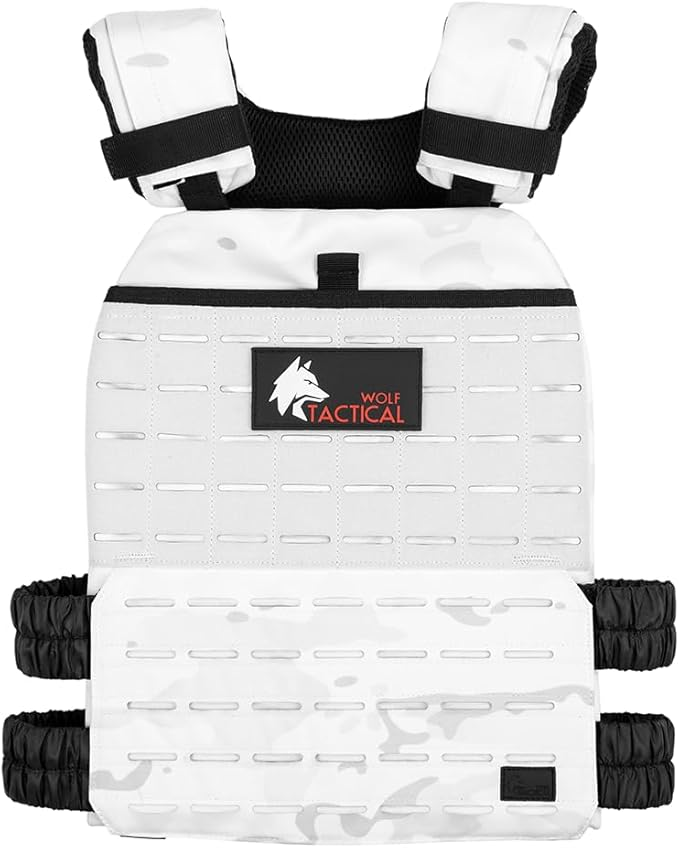
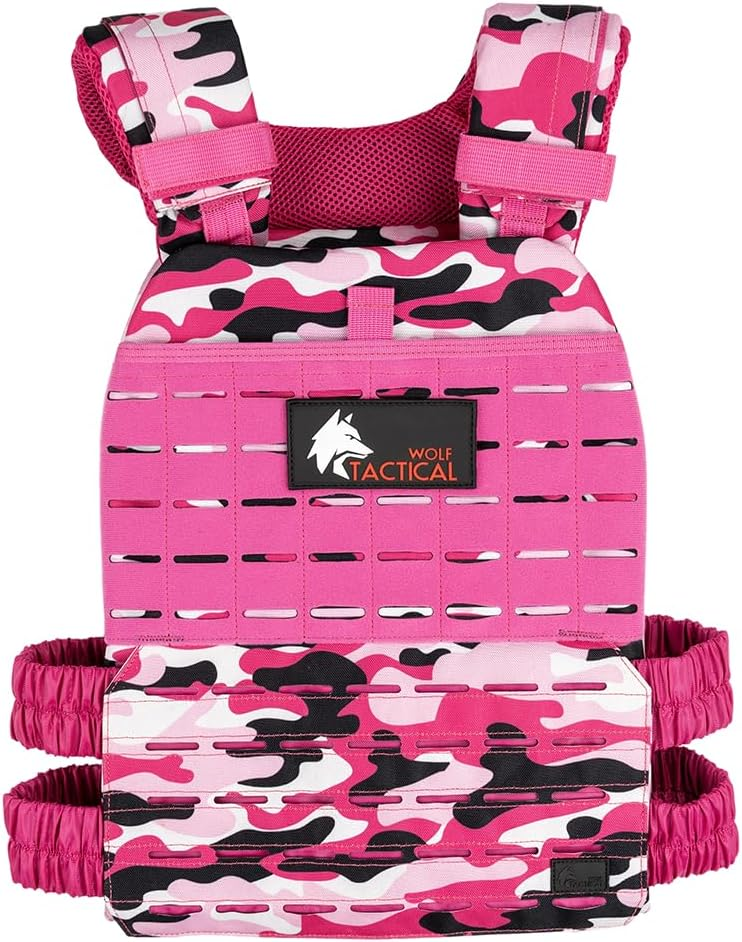
For beginner-to-intermediate comfort and daily rucks, the WOLF TACTICAL Simple Weighted Vest is an accessible option that fits most training styles.

Estimate calorie burn (use this calculator)
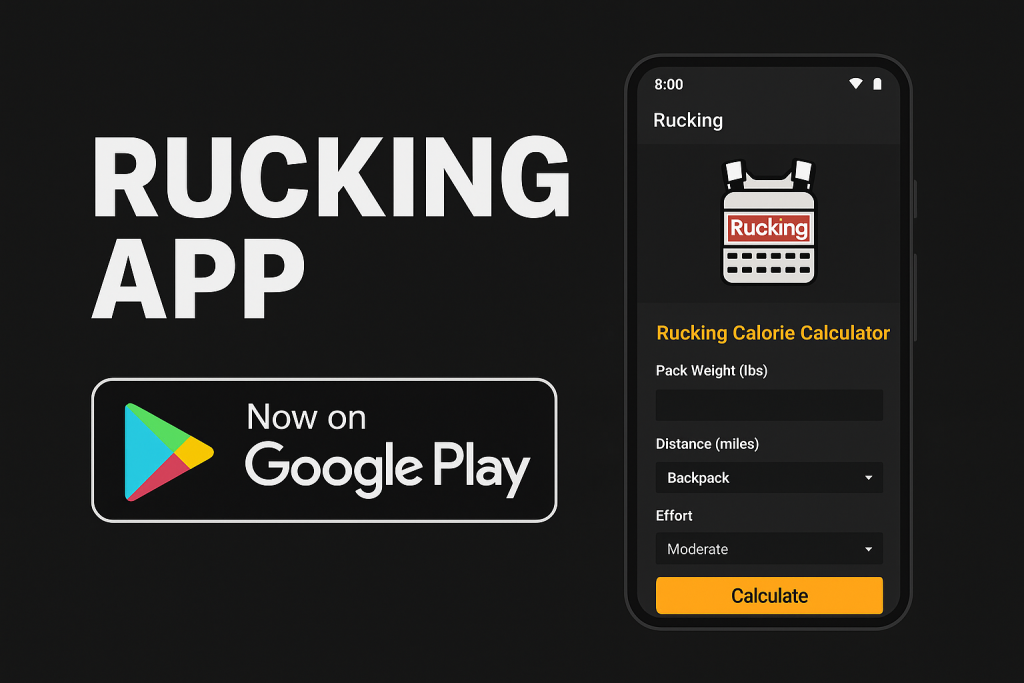
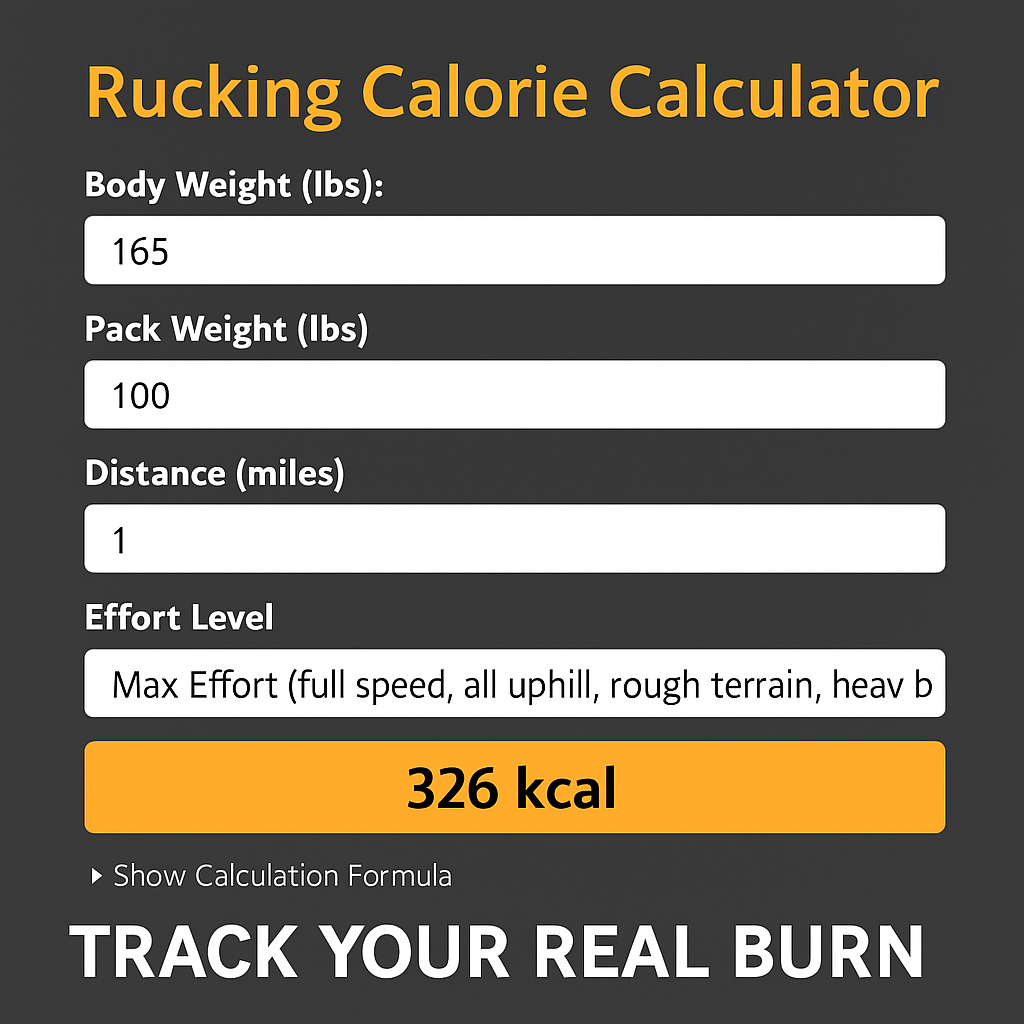
To estimate how a 50 lb vest changes your calorie burn on walks or rucks, use the Rucking Calorie Calculator. It accounts for weight, speed, load, and terrain so you can plan sessions that match your goals.

Final notes from my experience
I lost 90 lbs through consistent rucking, weighted-vest training, and disciplined nutrition, and I still recommend weighted vests as one of the most reliable ways to maintain lower body weight and burn fat consistently. A 50 lb vest is a powerful tool when used alongside smart progression and sound recovery.