Why a 50lb vest is different
A 50lb vest isn’t a fashion statement—it’s a heavy training tool. When you add that much mass close to your center of gravity you change movement mechanics, joint loading, and cardiovascular demand. The goal is deliberate progress: use weight to increase strength and conditioning without breaking technique or your joints.
Who should consider a 50lb vest
Reserve a 50lb vest for experienced trainees who already have a base of strength and movement competency. If you can comfortably squat, hinge, and carry bodyweight loads for multiple sets and have a history of consistent walking or rucking, a 50lb vest can be an effective overload for calisthenics, prowler-free intervals, and loaded walks.
Safety first: movement, volume, and recovery
Start with three rules: move well, limit volume, and prioritize recovery. A heavy vest amplifies poor posture and weak hips. If your form breaks, reduce weight or stop the set.
- Warm up with mobility for thoracic extension, glutes, and ankle dorsiflexion.
- Focus on short, high-quality sets—5–8 reps for dynamic moves, 30–90 seconds for loaded carries or sprints.
- Keep total weekly sessions for heavy-vest work to 2–3 sessions while adapting.
Sample progressions
Build toward a 50lb vest over 6–12 weeks depending on your starting point.
- Weeks 1–2: Bodyweight and light vest (5–15 lb) for technique, 2 sessions/week.
- Weeks 3–6: Moderate vest (15–30 lb) for mixed strength and walk work, 2–3 sessions/week.
- Weeks 7+: Introduce 50lb vest in short, specific drills—3–5 minute loaded walks or 3–5 sets of low-rep strength moves. Prioritize quality.
Programming ideas with a 50lb vest
Use the vest for specific overloads rather than constant wear. Here are three focused templates:
- Strength micro-set: 4 sets x 5 reps push-ups or pull-ups with the vest; full recovery between sets.
- Loaded walk: 20–30 minutes brisk walk with the vest, controlled posture, steady breathing.
- Interval finish: 6 rounds of 60s vest run or hill walk, 90s rest; keep form and cadence consistent.
Monitor recovery and joints
Heavy vest work raises systemic stress. Watch for persistent joint pain, decreased sleep quality, and rising resting heart rate. If any of these appear, reduce weight, cut volume, and add low-impact aerobic days.
Estimate calorie burn for a 50lb vest session
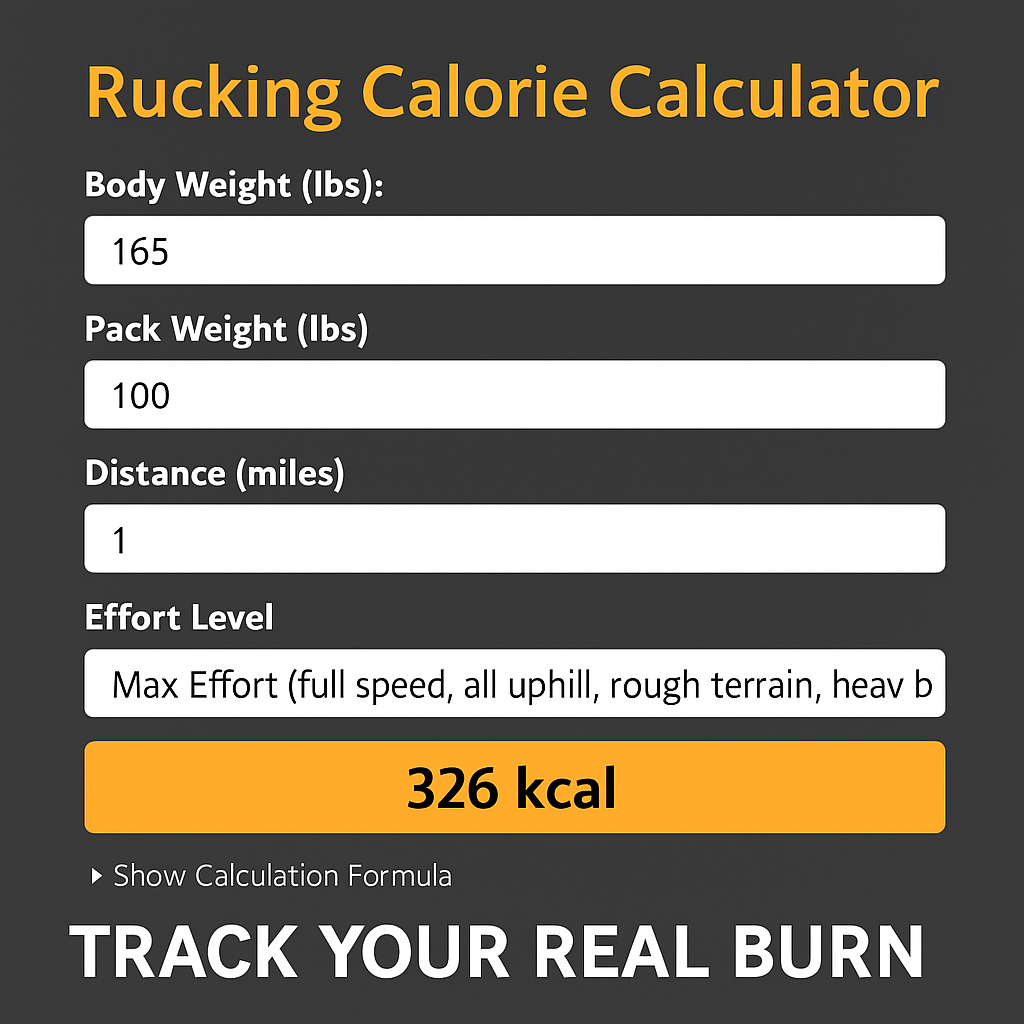
Understanding energy cost helps program frequency and recovery. Use the rucking calorie calculator below to estimate session energy expenditure for walks or rucks with a 50lb vest. Enter your bodyweight, pace, distance, and added load for tailored results.

Run the calculator before increasing weekly mileage or tempo to keep recovery realistic.
Recommended gear for heavy-vest work
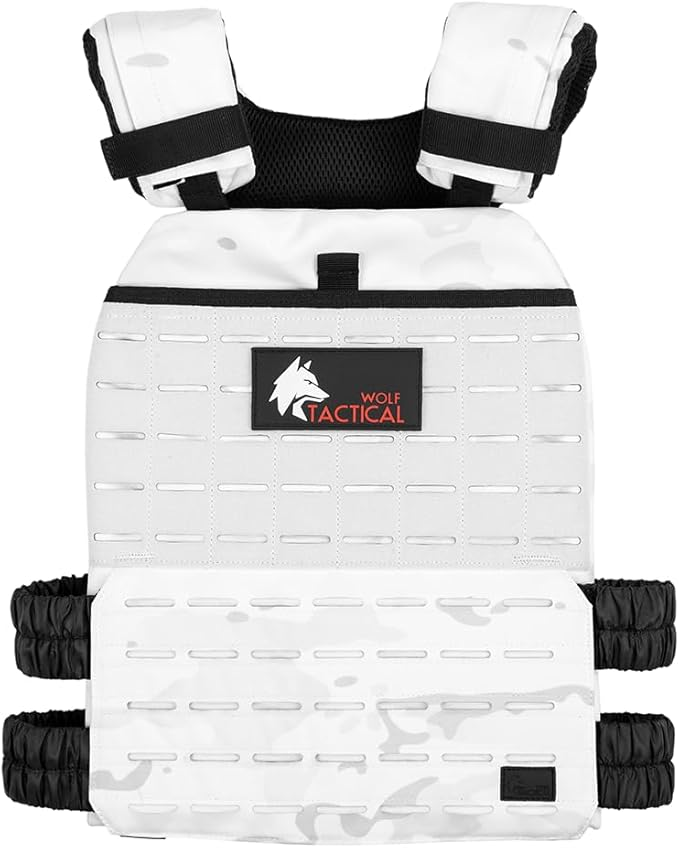
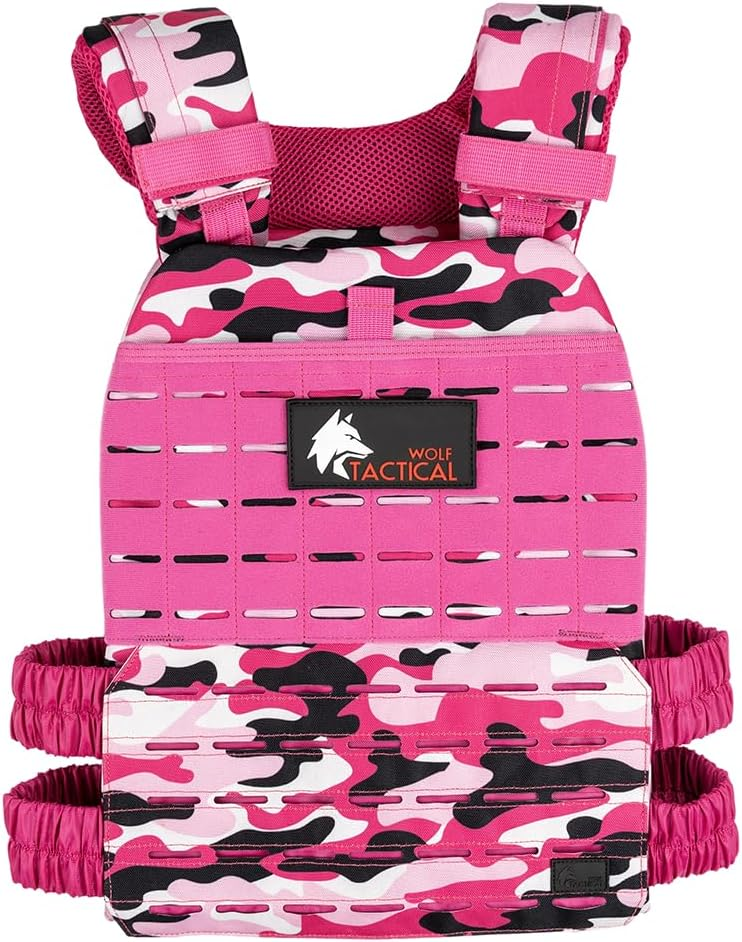
For heavy training, choose a vest designed for high loads and durability. I often recommend a true heavy-capacity vest when the goal is maximal overload and safe distribution of mass.
Kensui EZ-VEST® MAX V2 is built to handle very heavy loads and stays secure during dynamic movement.

Final notes
A 50lb vest is a powerful tool when used intentionally. Prioritize movement quality, progress methodically, and use a calorie estimate to guide session frequency. If you’re unsure about introducing heavy load, scale back and consult a coach to validate technique before increasing weight.