Why a 50lbs weighted vest works
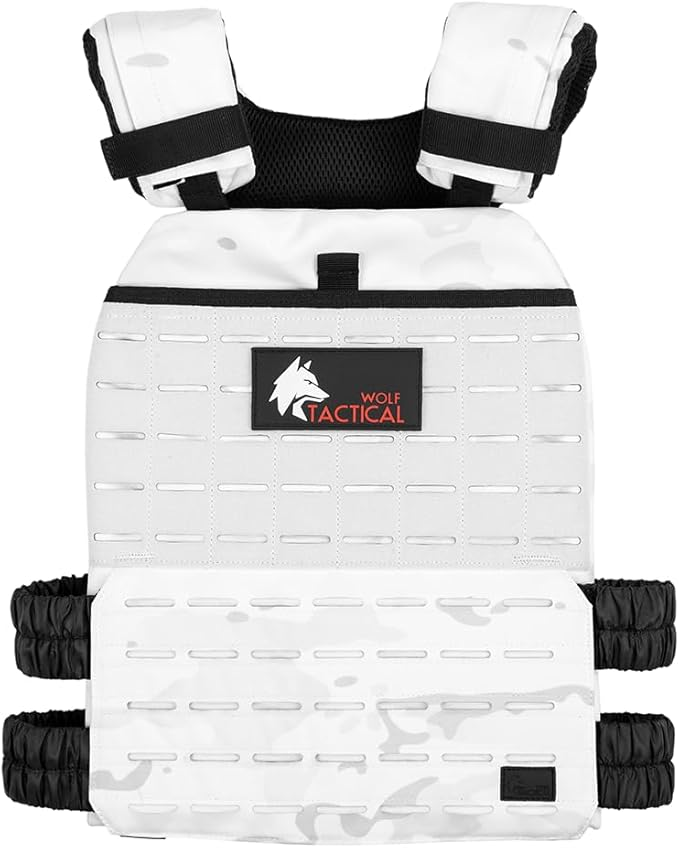
A 50lbs weighted vest is a meaningful training load for most people: heavy enough to boost calorie burn, challenge the posterior chain, and increase cardiovascular stress without adding awkward external load like a barbell. Use it for rucking, walking hills, sled-free conditioning, or bodyweight progressions. Proper programming and attention to joint health are essential—this isn’t light training or fashion.
Who should consider 50lbs
- Intermediate or advanced trainees with a solid movement base.
- People comfortable with brisk walking, loaded carries, or bodyweight strength sets.
- Anyone working toward durable, carry-specific strength or higher daily calorie burn.
Programming with a 50lbs weighted vest
Treat the vest like a progressive overload tool. Start sessions with movement checks—walking, 10 bodyweight squats, and a 30–60 second loaded plank. If any movement feels compromised, drop weight or volume.
Sample weekly structure
- 2 ruck days: 30–60 minutes steady-state with the 50lbs vest or an equivalent rucksack setup.
- 2 strength/conditioning days: circuits of lunges, step-ups, pull-ups, and push variations with the vest for 3–5 rounds.
- 1 mobility/recovery day: band work, foam rolling, and unloaded mobility.
Rucking, pacing, and safety
When you carry 50lbs for distance, prioritize posture. Keep a neutral spine, avoid exaggerated forward lean, and let your hips and legs do the work. On long walks, shorter steps at a higher cadence reduce impact. If you plan multi-hour rucks, break the time into 30–45 minute segments with short breaks to assess feet, hydration, and hotspots.
Hydration and fueling
Carrying extra weight increases sweat rate and energy demand. Plan water and calories accordingly. For long loaded walks I recommend mixing electrolytes and a moderate carbohydrate snack every 60–90 minutes to sustain pace. If you prefer a supplement for endurance and hydration, consider using Pump-Ocalypse for long days (I use it on longer weighted walks).
Estimate calorie burn
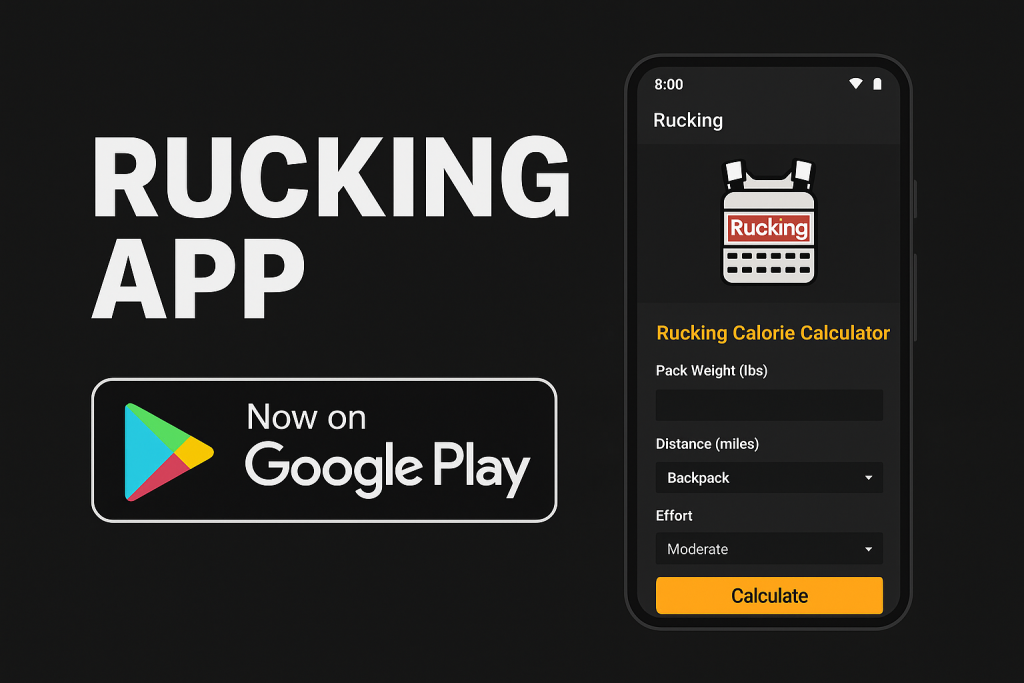
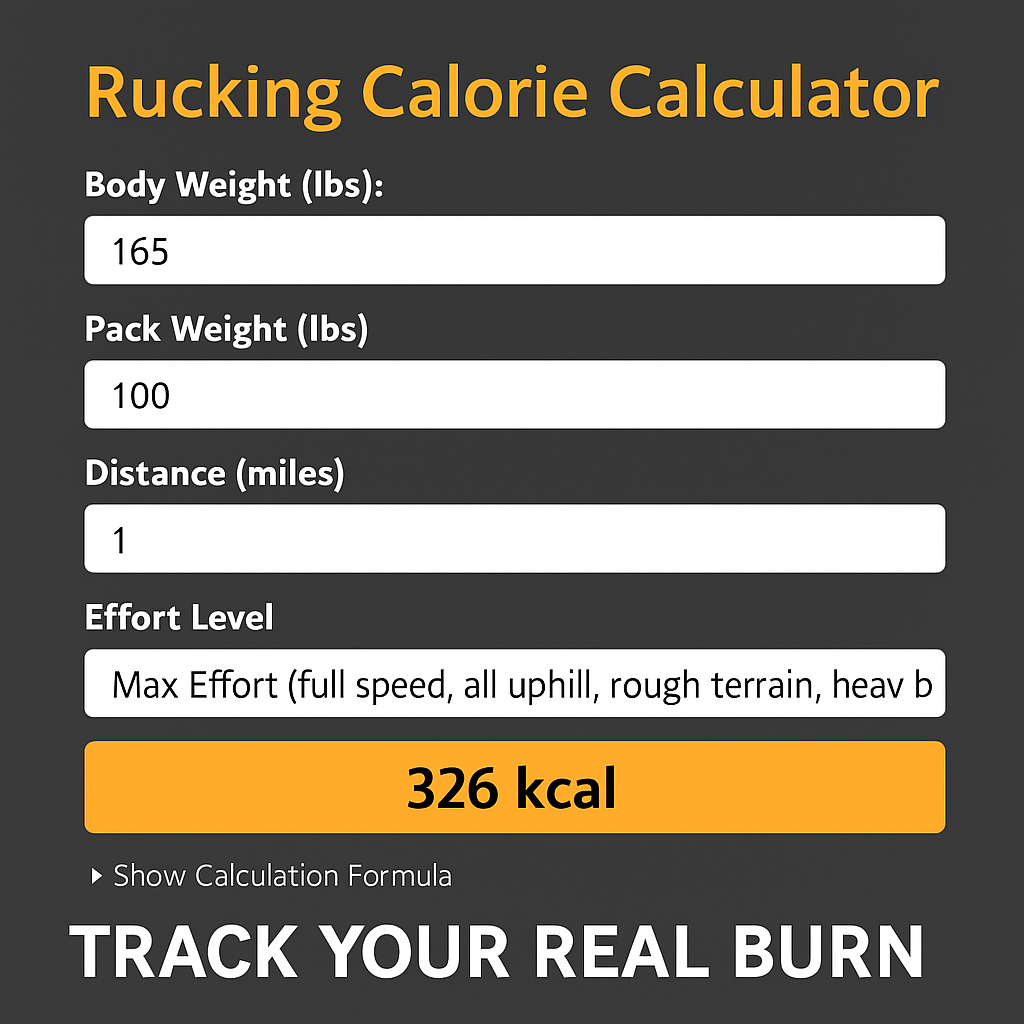
Use the rucking calorie calculator to estimate how much energy a 50lbs vest burns during a session. It’s a practical tool to plan nutrition and recovery—especially when you’re adding significant load to walking or hiking.

Gear I recommend for heavy vest work
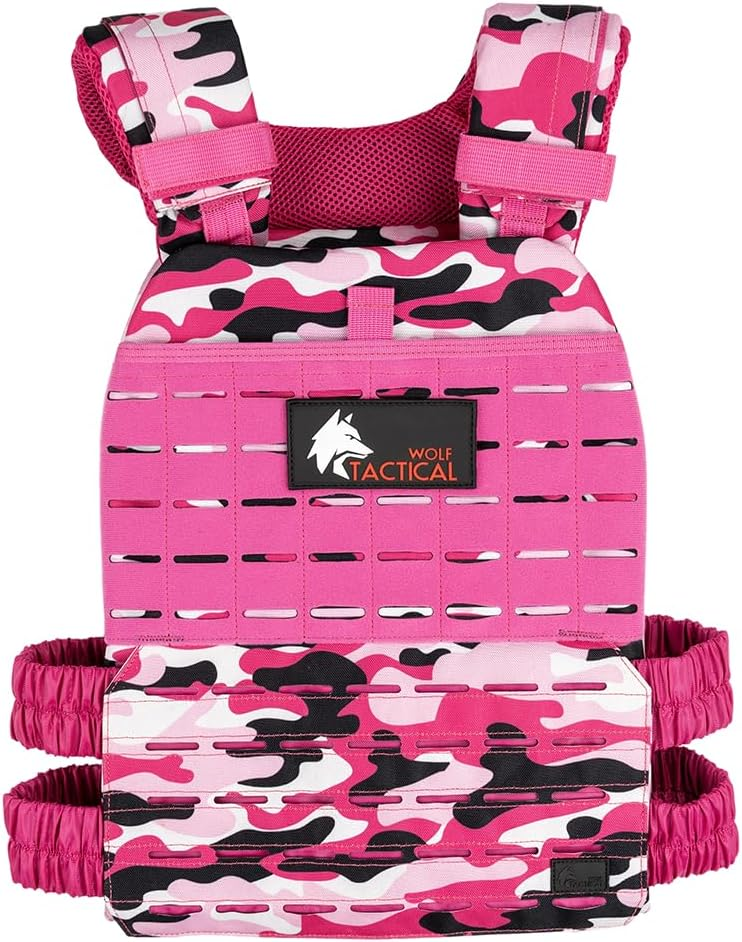
For heavy, consistent loads I favor durable, plate-capable systems and high-capacity carriers. Two solid options I recommend:

When you need plate-style loading or plan to push above 50lbs regularly, the Kensui EZ-VEST® MAX V2 offers durable construction and large capacity for progressive loading.

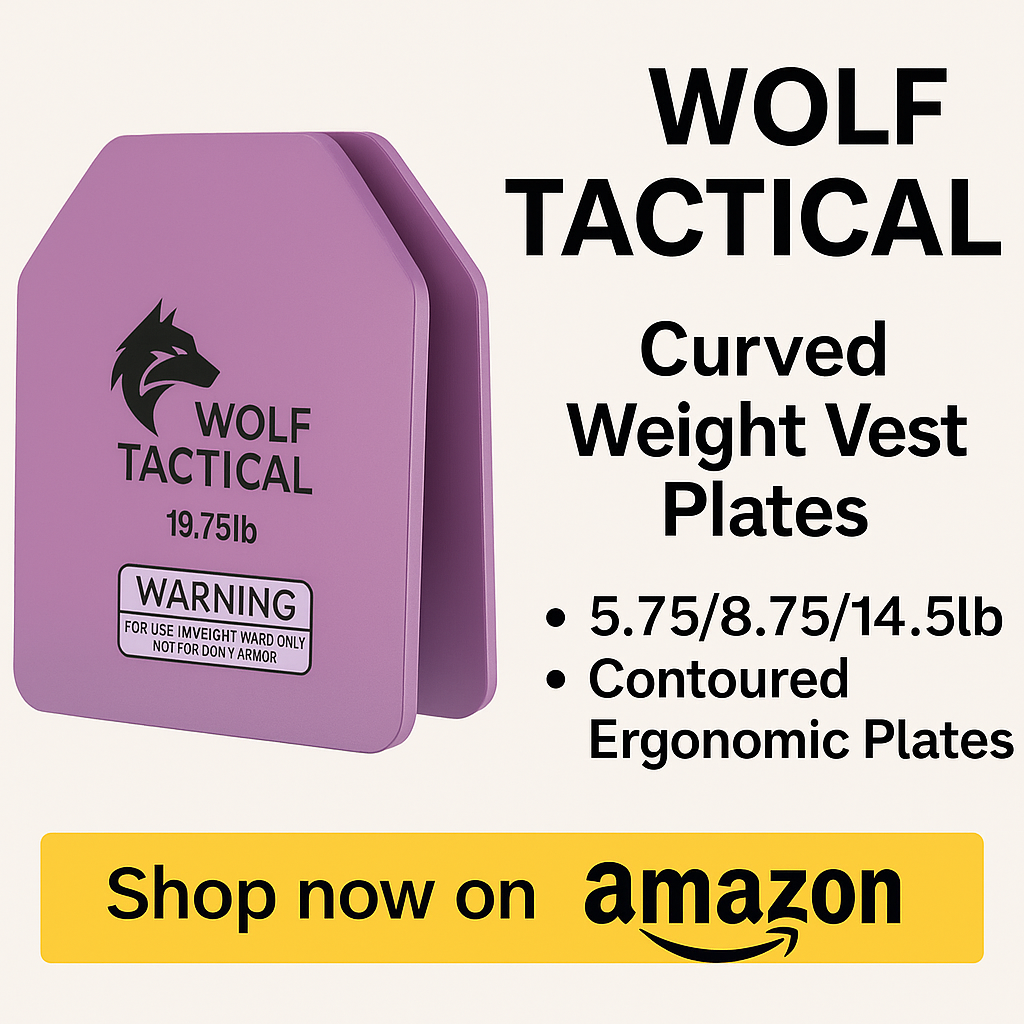
For incremental weight increases or to convert a vest to plate-loading, Yes4All Ruck Weight Plates let you tune load in small steps.
Common mistakes and fixes
- Too much volume too soon: back off time or drop to 25–30lbs and progress weekly.
- Poor footwear: swap to supportive boots or trail shoes with good cushioning and ankle support.
- Ignoring recovery: foam roll, mobilize hips, and prioritize sleep when training loaded frequently.
A 50lbs weighted vest is an excellent tool when used thoughtfully. Progress slowly, prioritize movement quality, and use tools like the rucking calorie calculator to plan fuel and recovery. Train consistent, train smart, and let load be the long-term variable—not sudden spikes.