Why a 60 lb weighted vest is different
A 60 lb weighted vest puts significant extra load on the body and changes the stimulus of walking, running, and bodyweight work. This weight is closer to military-style loads than casual fitness vests, so approach it like a training progression: technique, volume, and recovery matter more than raw pride. I write this from field experience—weighted vests are one of the most direct ways to increase intensity without speed work—but you must manage biomechanics and recovery.

Is 60 lb appropriate for you?
Short answer: maybe. If you’re already adapted to lower weights (10–30 lb), 60 lb should be introduced gradually. If you have a background in loaded marches, barbell work, or strong posture under load, you can more quickly adapt. If you’re new to load carriage, treat 60 lb as a target rather than a starting point.
Training considerations
- Progressive loading: Add 5–10 lb per week of training load, monitor soreness and form.
- Prioritize posture: Keep a neutral spine and avoid excessive forward lean—hips and glutes should accept the load.
- Shorter, harder sessions: With 60 lb, start with 10–20 minute walks or concentrated calisthenics rather than long endurance rucks.
- Recovery: Increase protein, sleep, and mobility work. Heavy vest days need active recovery days after.
- Footwear and surface: Use stable shoes and avoid very uneven terrain at first to reduce injury risk.
Sample 4-week progression (for experienced trainees)
Assumes you can already handle 25–35 lb for walking sets.
- Week 1: 40 lb — 2 sessions of 20 minutes walking at an easy pace + 1 strength session (3×5 weighted squats without pain).
- Week 2: 50 lb — 2 sessions of 20–25 minutes, add short 60–90 second hills for gait adaptation.
- Week 3: 60 lb — 1 session of 15–20 minutes; 1 session of intensity intervals (6×1 minute brisk uphill).
- Week 4: 60 lb — 2 sessions (20–30 minutes) if no pain and mobility maintained; keep one low-load day for recovery.
Exercise selection with 60 lb
Stick to compound, controlled movements: rucked walks, steep-grade walking, loaded step-ups, and slow tempo squats. Avoid repetitive high-impact running in a heavy vest—impact with 60 lb is a fast path to joint irritation.

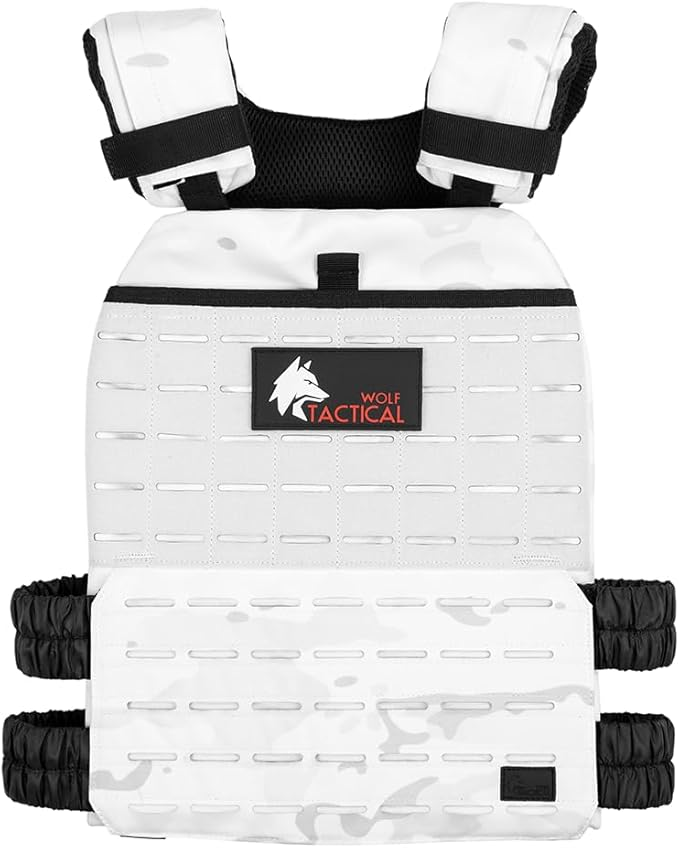
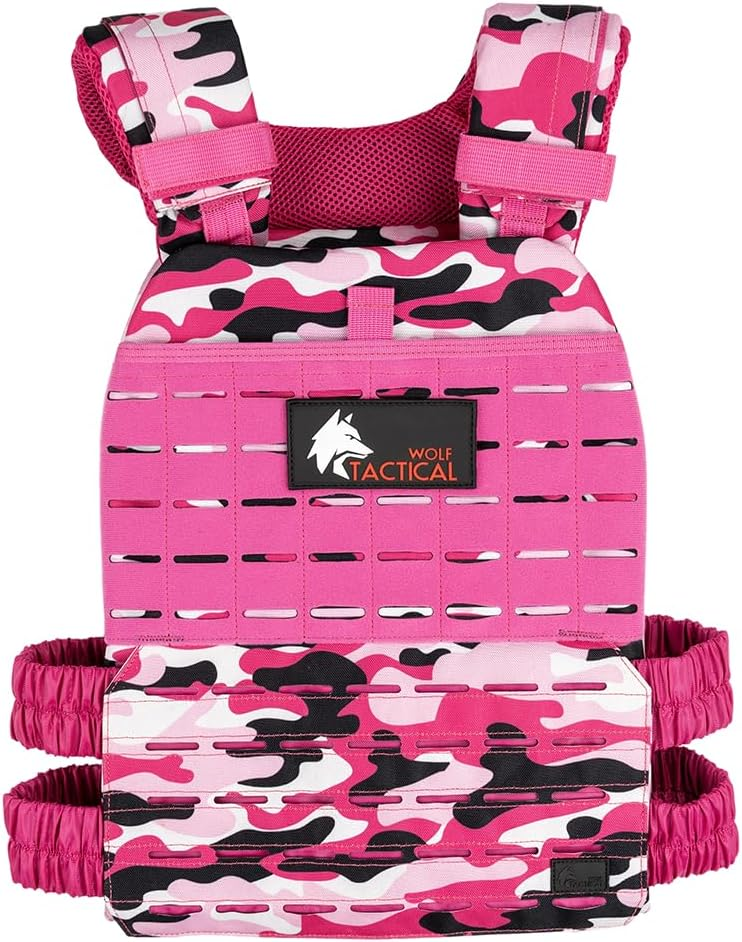
For truly heavy, strength-focused vest work consider the Kensui EZ-VEST® MAX V2. If you want a more form- and comfort-focused option for long walks, the Wolf Tactical Adjustable Weighted Vest is easier on shoulders and fit adjustments.
Estimate energy cost
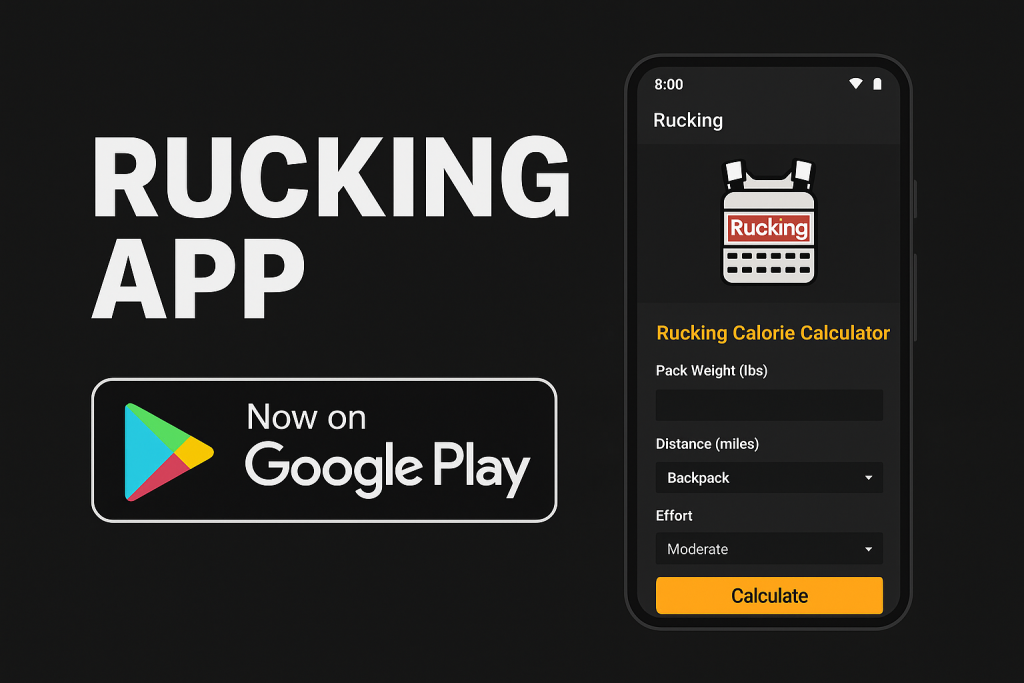
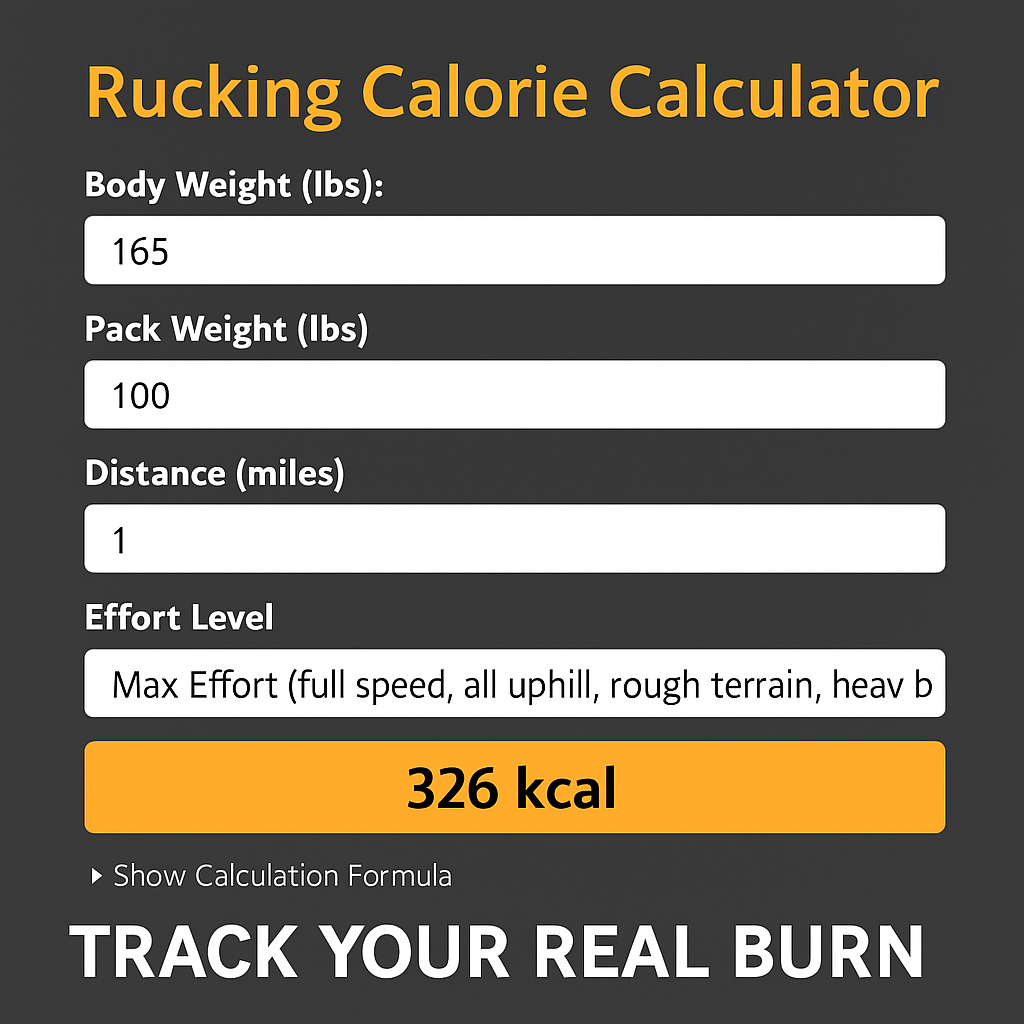
Use the rucking calorie calculator to estimate how many calories a 60 lb vest adds to a walk or ruck. It gives practical numbers you can plan around for nutrition and weight-loss goals.

Final notes
Sixty pounds is a serious training tool. Respect the load, progress slowly, and keep technical standards high. If you’ve lost large amounts of weight or manage chronic conditions, consult a trainer or clinician before pushing heavy vest loads. In my experience, disciplined progression and consistent recovery are the difference between long-term gains and nagging injuries.