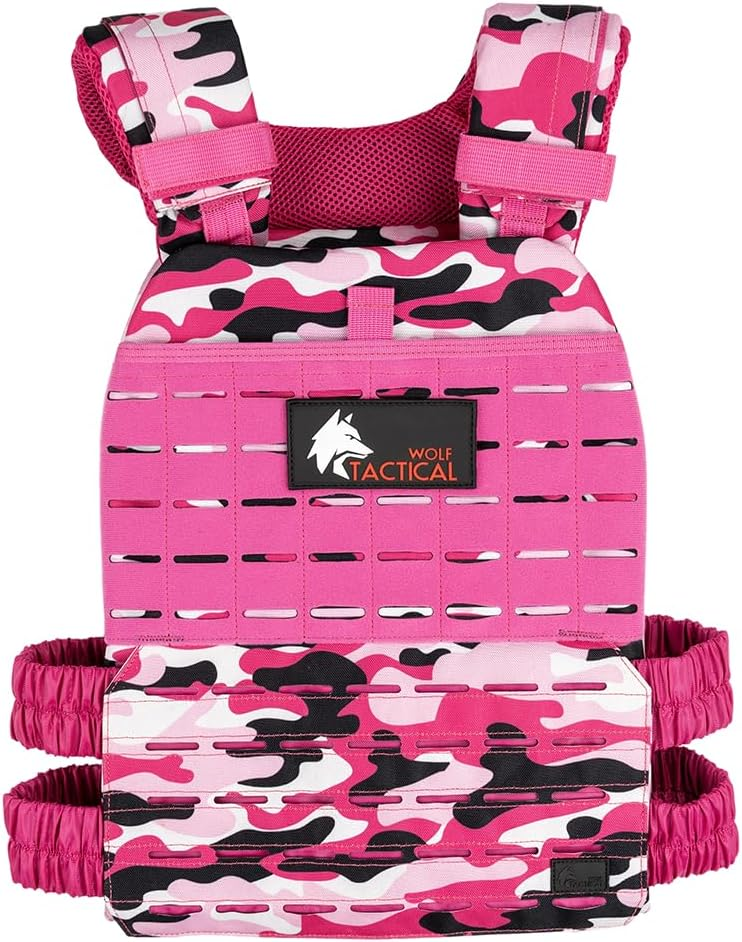
Why a 60lb weight vest?
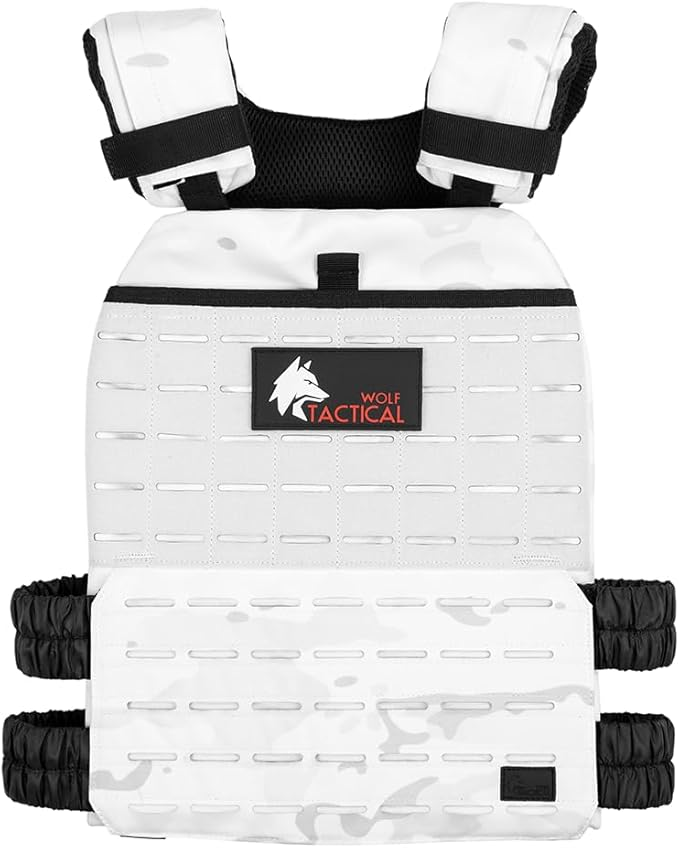
A 60lb weight vest is a serious tool: it turns walking, interval runs, bodyweight work, and rucking into high-intensity, high-impact sessions that accelerate strength and calorie burn. Used correctly, it builds structural strength, improves posture under load, and increases aerobic capacity. Used incorrectly, it leads to joint pain and overtraining.
My quick note as a trainer
I’m Preston Shamblen, an ISSA-certified trainer. I lost 90 lbs through steady rucking, weighted-vest training, and disciplined nutrition. That experience informs how I program heavy vests: progress, recovery, and consistency matter more than raw weight.
Safety and progression
Start by treating 60 lb as a training goal rather than your opening weight. Follow a simple progression and prioritize technique and recovery.
- Baseline fitness: Be comfortable with brisk walking 45–60 minutes carrying 20–30 lb before moving up.
- Incremental increases: Add 5–10% of load every 2–3 sessions if pain-free.
- Frequency: Limit heavy-vest sessions to 2–3 times per week with at least 48 hours between maximal load days.
- Mobility: Prioritize hip hinge, thoracic rotation, and ankle mobility to distribute load safely.
- Core and posterior chain: Maintain targeted strength work (deadlifts, hip thrusts, planks) outside weighted-walk days.
Common mistakes with heavy vests
- Ramping load too fast—aim for consistency over ego.
- Poor fit—vests that ride up or shift increase spinal compression and shoulder strain.
- Ignoring recovery—sleep, protein, and light days are part of progress.
Sample 6-week training block to reach 60lb
This is a conservative template for an intermediate trainee preparing to wear a 60lb vest for walking or mixed conditioning.
- Week 1–2: 20–30 lb rucks, 3 x 30–45 min walks, plus two strength sessions (moderate loads).
- Week 3–4: 30–40 lb rucks, include 1 interval ruck session (4–6 x 3–4 minutes push, 2 min easy).
- Week 5: 40–50 lb rucks, test a 60–90 minute steady walk with 40 lb, then add 5–10 lb on short walks.
- Week 6: Two sessions near 50–60 lb for short durations (20–30 min), maintain strength work and active recovery.
Equipment I recommend for heavy loading
For athletes pushing toward heavy vests, durable construction and secure plate systems matter. If you want a vest built for very heavy progressive loading, consider the Kensui EZ-VEST® MAX V2 because it is designed for high-capacity plates and stability under big loads.

When you need incremental plates for experimenting with load, the Yes4All Ruck Weight Plate pairs are an affordable way to add or remove 10–45 lb increments.

Track calories and pacing
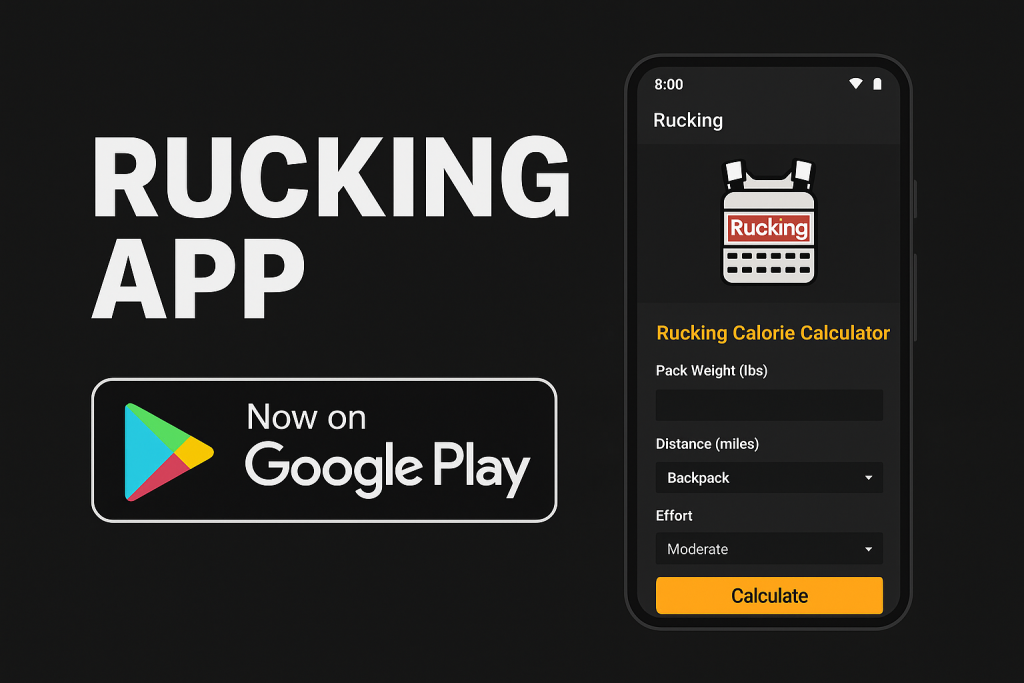
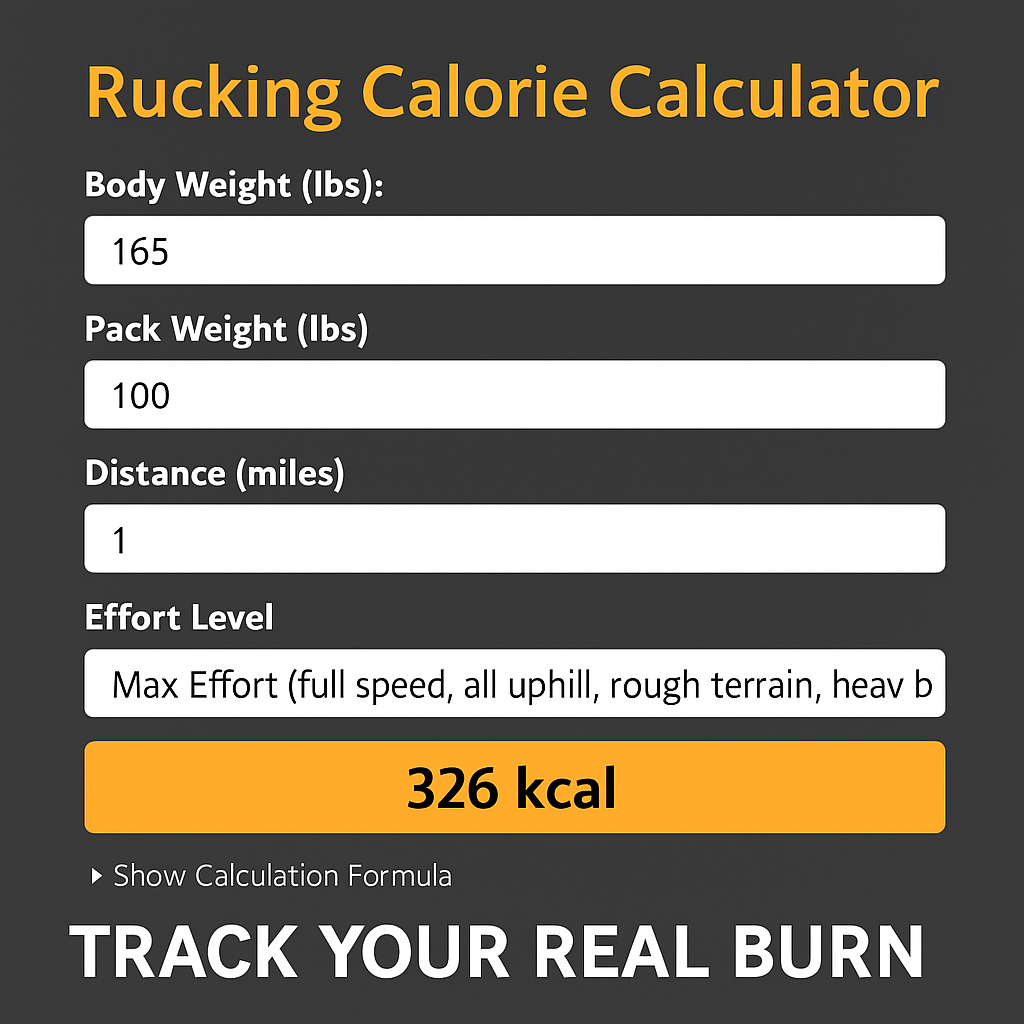
Heavy vests substantially increase calorie burn. Use the rucking calorie calculator to estimate energy expenditure for walks and rucks so you can align nutrition with recovery.

Final notes
60 lb is a functional and demanding load. Build to it deliberately, respect recovery, and prioritize a vest that fits. If you stay consistent with progression and nutrition, a 60lb weight vest can be a reliable tool to maintain weight loss and build durable fitness outdoors.