Why a 75 lb weight vest?
A 75 lb weight vest is a heavy tool — not a beginner toy. Use it when you have a solid base of bodyweight strength, consistent rucking experience, and clear goals: increase work capacity, build strength endurance, or overload walking-based cardio without carrying a bulky backpack. The vest loads your torso evenly, preserves natural gait better than hand weights, and creates persistent metabolic demand from every step.
Safety first
Before you put on 75 pounds, check these basics:
- Joint and core readiness: your hips, knees, ankles, and lower back should be pain-free under bodyweight and light-loaded movement.
- Progression plan: don’t jump straight to 75 lb. Build in 10–20% weekly increases and include deload weeks.
- Fit and distribution: a snug, high-quality vest keeps load centered on your sternum and upper back to avoid low-back shear.
How to program a 75 lb vest
Use the vest for specific sessions, not all workouts. Here are practical templates:
- Short power walks: 20–40 minutes at brisk effort, focusing on upright posture and steady cadence.
- Conditioning circuits: set up 3–5 rounds of 6–10 push-ups, 8–12 bodyweight squats, and a 400m ruck while wearing a lighter vest — reserve 75 lb for shorter, controlled intervals.
- Time-on-feet overload: for experienced athletes, progressive long rucks (60–120 minutes) with 75 lb can build unmatched endurance — always monitor form and recovery.
Progression example
Start with a less aggressive vest or plates, then:
- Week 1–2: 20–30 lb — 3 sessions/week, prioritize technique.
- Week 3–5: 40–50 lb — increase session duration or intensity.
- Week 6+: move to 60–75 lb for short, high-quality work while keeping volume controlled.
Gear choices for heavy loading
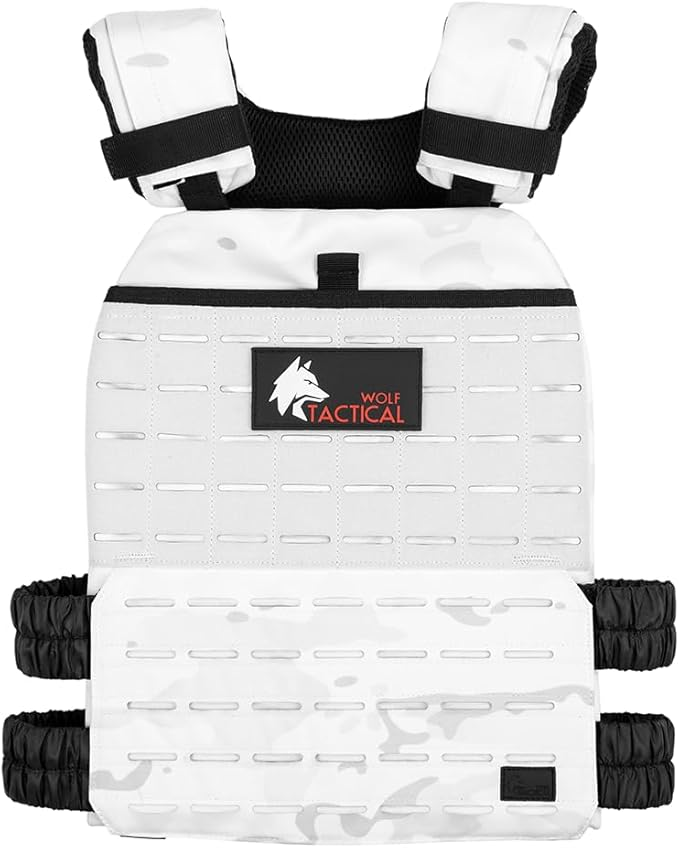
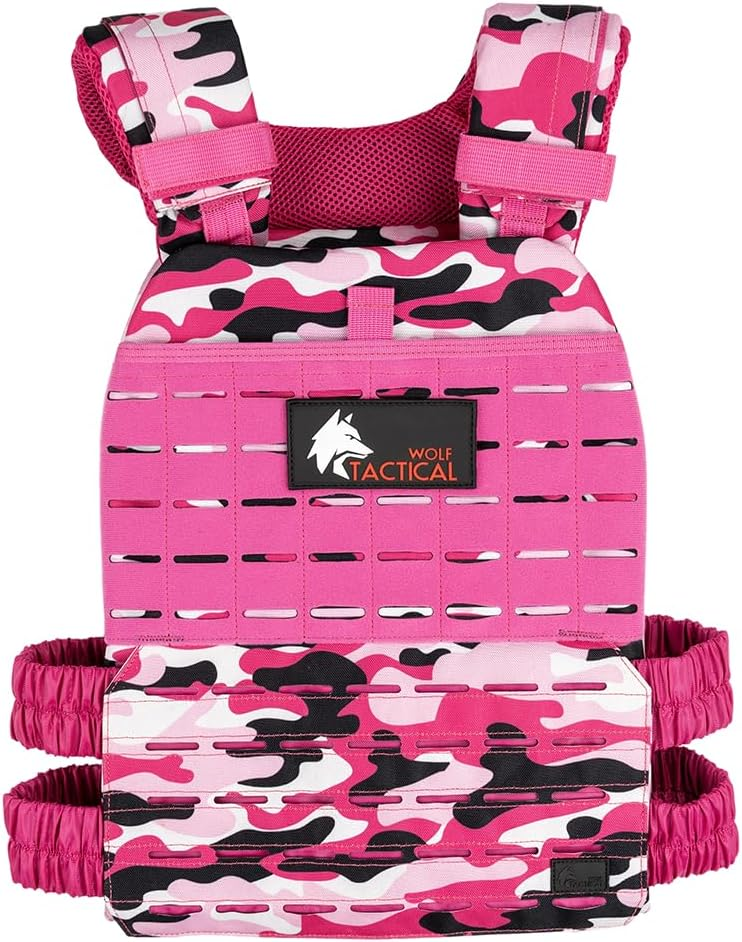
For true heavy-loading like 75 lb, choose gear designed for plates and durable retention. I recommend the Kensui EZ-VEST MAX V2 for athletes who need a vest built to handle hundreds of pounds safely.

For plates you can pair with heavy vests or carriers, Yes4All ruck weight plates are economical and stackable for incremental progression.

Track calories and recovery
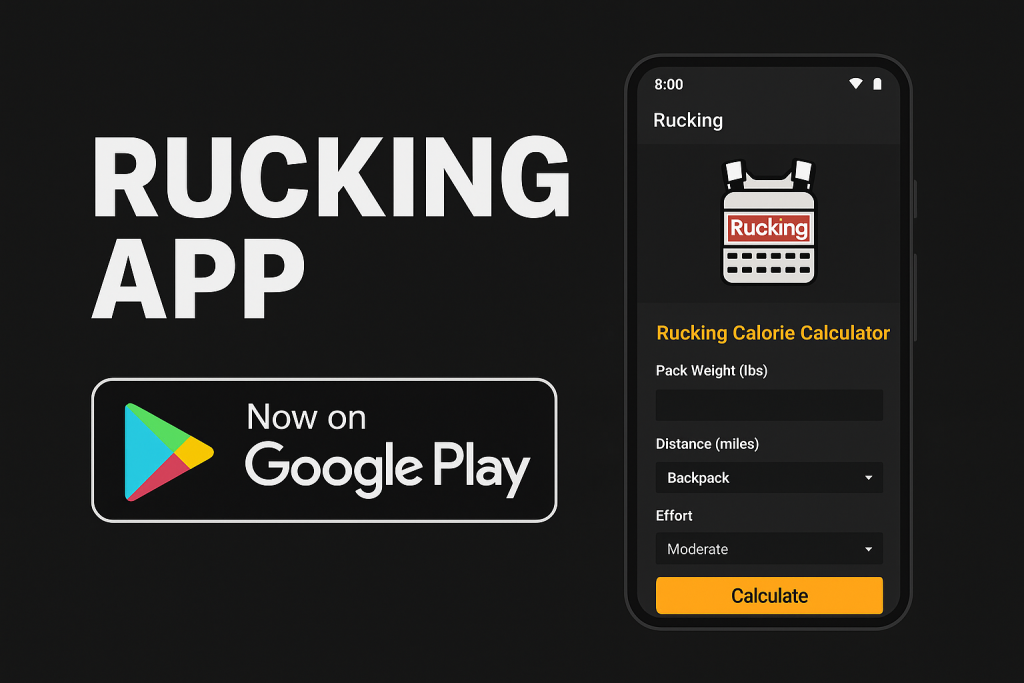
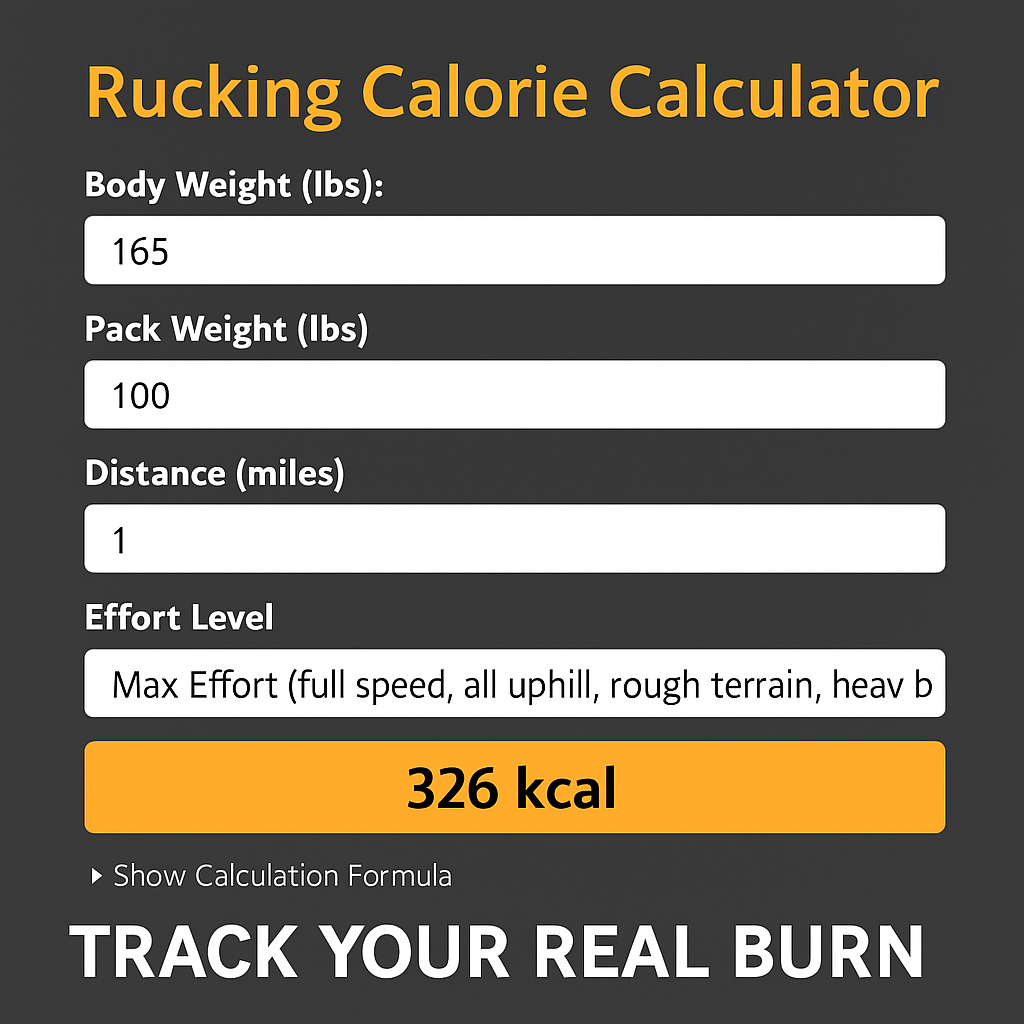
When you add 75 lb to your body mass for walking or rucking, caloric cost rises dramatically. Use the rucking calorie calculator to estimate burn and tune nutrition and recovery. Click the screenshot below to open the calculator and enter your weight, pace, and load.

Notes from experience
As the founder and an ISSA-certified coach, I’ve run athletes through heavy-vest progressions and used weighted vests myself in long training blocks. Preston Shamblen lost 90 lbs through rucking, weighted-vest training, and disciplined nutrition, and he still recommends vests as one of the most reliable ways to maintain lower body weight and burn fat consistently. Heavy vests are a tool — respect them, program them, and they pay back in capacity and resilience.
Final checklist before a 75 lb session
- Mobility warm-up and core activation.
- Test posture under light load before adding plates.
- Plan for conservative duration (shorter, higher-quality sessions).
- Hydrate, recover, and respect progressive overload.
Done right, a 75 lb weight vest can be a powerful way to develop strength-endurance and accelerate calorie burn. If you’re new to heavy vests, consult a coach and use conservative progression.