Why a 75 pound weight vest?
Using a 75 pound weight vest puts you into serious resistance territory. It’s not a novelty — it’s a heavy training tool that changes leverage, ground reaction forces, and the cardiovascular demand on every step and rep. If your goals are strength-endurance, loaded calisthenics, or hardcore rucking, this load can be appropriate for short technical sets and experienced athletes. For most people, it should be introduced with progression, careful volume control, and attention to recovery.
Key guidelines before you load up
- Start with baseline assessments: can you perform bodyweight squats, push-ups, and a 20–30 minute brisk walk with good posture? If not, build a foundation before using 75 lb.
- Use short intervals: heavy vests are best for sets under 10–15 reps or rucks under 30–60 minutes until you adapt.
- Prioritize form: spine neutrality, bracing, and controlled tempo matter more with heavy loads close to your center of mass.
- Monitor joints: knees, hips, and lower back will take increased load. Scale back if pain appears.
Progression and programming
Think like a coach: plan progression, not punishment. A simple 6–8 week ramp might look like alternating light and heavy days, adding 5–10% of the intended final load every 7–10 days and limiting heavy-vest work to 1–2 sessions weekly.
Sample weekly template
- Day 1 — Strength-focused: weighted push-ups, pull-ups, controlled step-ups with vest (low reps, 3–5 sets)
- Day 2 — Mobility + unloaded conditioning: brisk walk, mobility drills, core work
- Day 3 — Short heavy ruck: 20–40 minutes with the vest, focus on posture and cadence
- Day 4 — Recovery: active recovery and soft tissue work
- Day 5 — Mixed circuits: short circuits of loaded bodyweight drills (higher heart rate, controlled volumes)
Programming tips for safety and gains
Keep sessions short and intentional. Heavy vests amplify mistakes — that’s why volume and frequency must be conservative. Plan deload weeks after 3–5 weeks of progressive loading. Use accessory work to shore up the posterior chain (deadlifts, hip hinges, hamstring curls) and core anti-extension drills.
Equipment recommendations
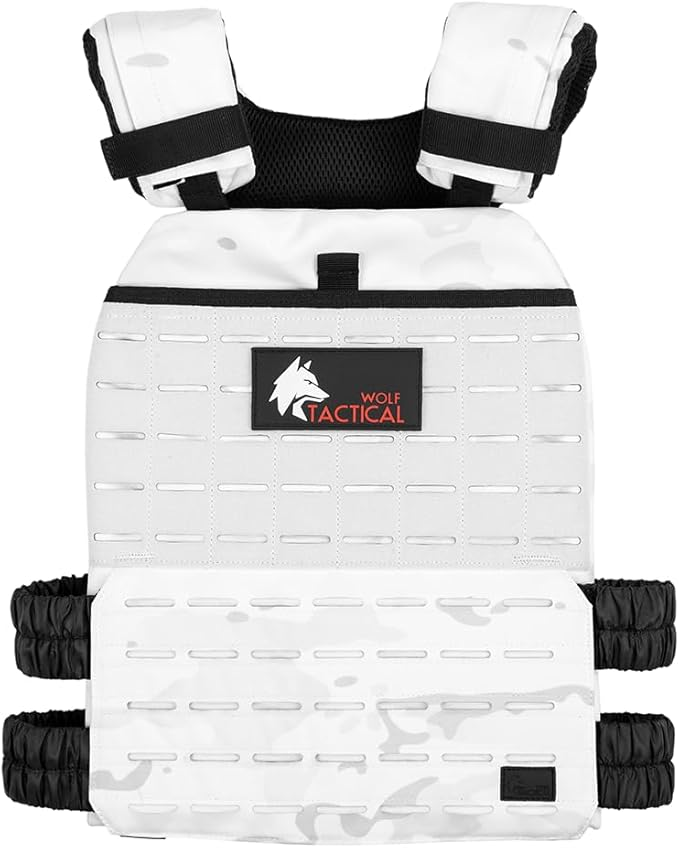
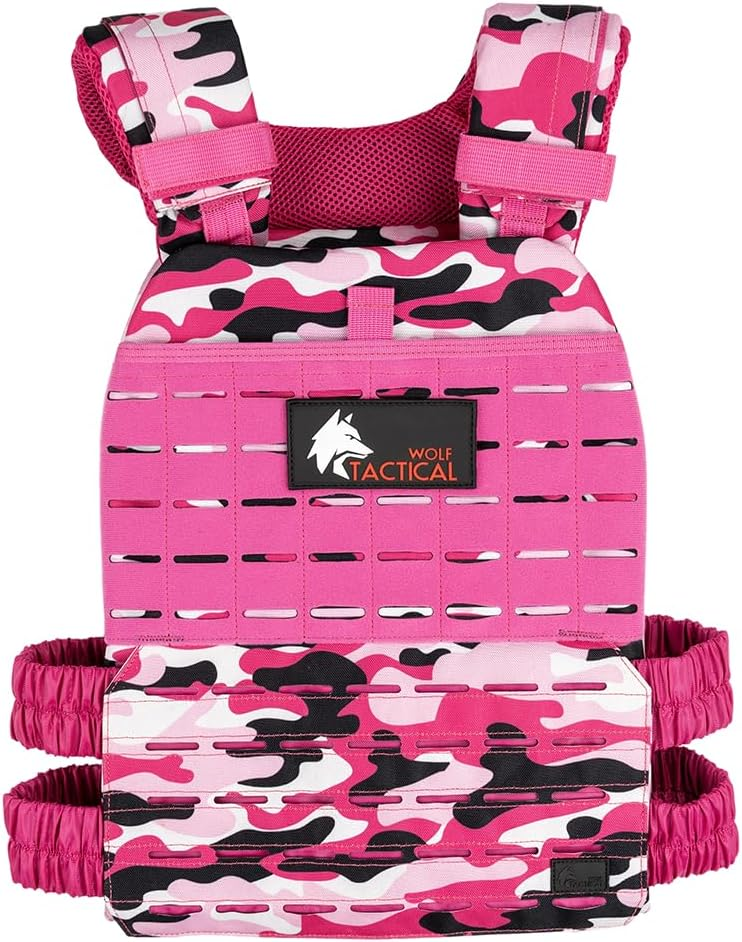
For true heavy loading in a vest, pick gear rated for large loads and with secure plate placement. The Kensui EZ-VEST® MAX V2 is a purpose-built option for heavy strength and calisthenics work.

If you prefer modular plates for gradual increments, consider plate options like Yes4All Ruck Weight Plate pairs to dial in small jumps in load.

Estimate the energy cost
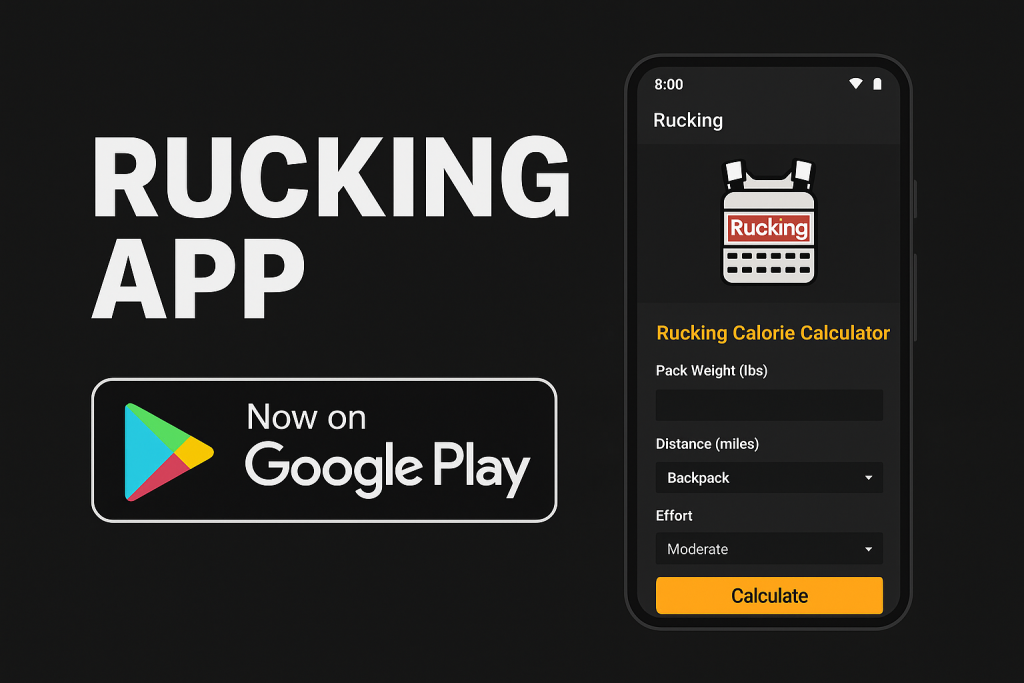
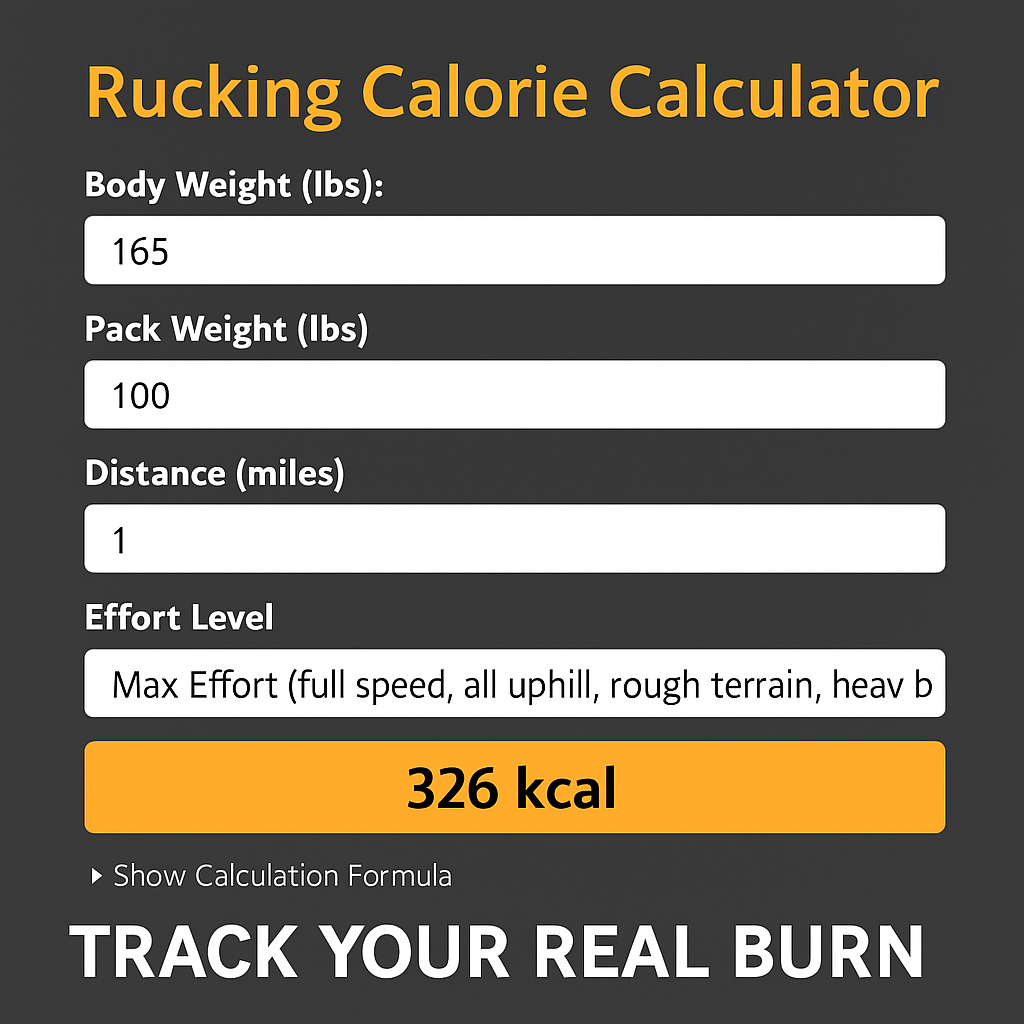
Use the rucking calorie calculator to estimate how many calories a given ruck with a 75 pound weight vest will burn and to plan recovery and nutrition around heavy sessions.

Final safety notes
Heavy vests are powerful tools when used intelligently. Prioritize progressive overload, keep technique first, and respect recovery. If you’re new to heavy loads or have a history of joint or spine issues, consult a qualified coach or clinician before loading to 75 lb. Train consistently, not excessively — that’s how gains and longevity are earned outdoors.