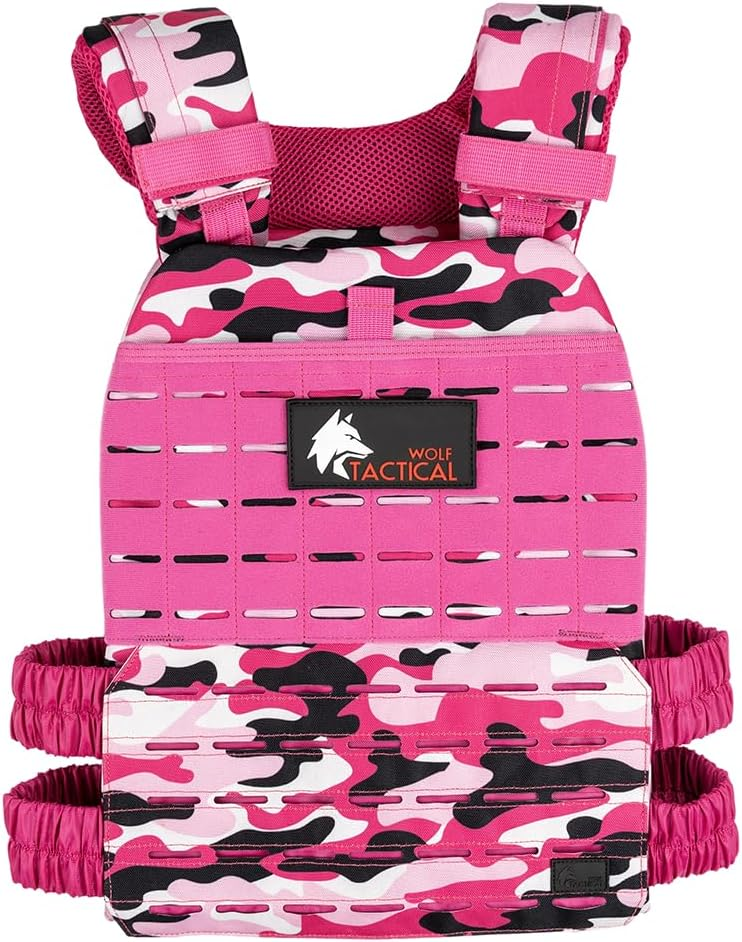
Why an 80 lb weighted vest matters
Using an 80 lb weighted vest is a serious training decision. At that load you’re moving from heavy conditioning into strength-endurance and structural adaptation. Done right, it builds bone density, improves load carriage posture, and increases calorie burn. Done wrong, it increases injury risk. This guide lays out safe progressions, session templates, and practical tips from outdoor rucking and weighted-vest experience.
Who should consider an 80 lb vest?
An 80 lb vest is appropriate for experienced ruckers, military-style athletes, and trainees who have a solid base of strength, mobility, and progressive loading history. If you can comfortably walk 60–90 minutes with 30–40 lb and have no joint pain, you can plan a long-term progression toward 80 lb. If you’re newer, add weight in small increments and prioritize form.
Progression and programming
Progress slowly. A practical progression looks like this:
- Phase 1 (8–12 weeks): Build base—2–3 rucks per week at 10–30% bodyweight, 30–60 minutes.
- Phase 2 (6–10 weeks): Moderate load—2 rucks per week at 30–50% bodyweight, include tempo walks and hills.
- Phase 3: Introduce heavy sets—one session per week working up to short bouts with 60–80% target load (e.g., sets of 10–20 minutes with 80 lb if tolerated).
For most people an 80 lb vest will be heavier than their bodyweight percentage comfort; treat it like a strength tool: short, controlled exposures rather than daily long-haul rucks.
Sample session with an 80 lb weighted vest
Start with a thorough warm-up and mobility work for hips, thoracic spine, and shoulders. Example session:
- 10 minutes mobility + dynamic warm-up
- 3 x 10 min loaded walks at a brisk pace with 5 min rest between (focus on posture)
- 3 x 5 single-leg Romanian deadlifts (bodyweight or light dumbbells) for posterior chain resilience
- Cool down with foam rolling and controlled breathing
Safety checklist
- Fit: ensure vest sits on your torso, not lower back, and doesn’t shift.
- Footwear: supportive boots or sneakers with good cushioning and ankle control.
- Volume caps: limit initial exposures (e.g., 10–30 minutes) and never chase time with poor form.
- Recovery: prioritize sleep, protein, and mobility between heavy sessions.
Equipment I recommend for heavy loading
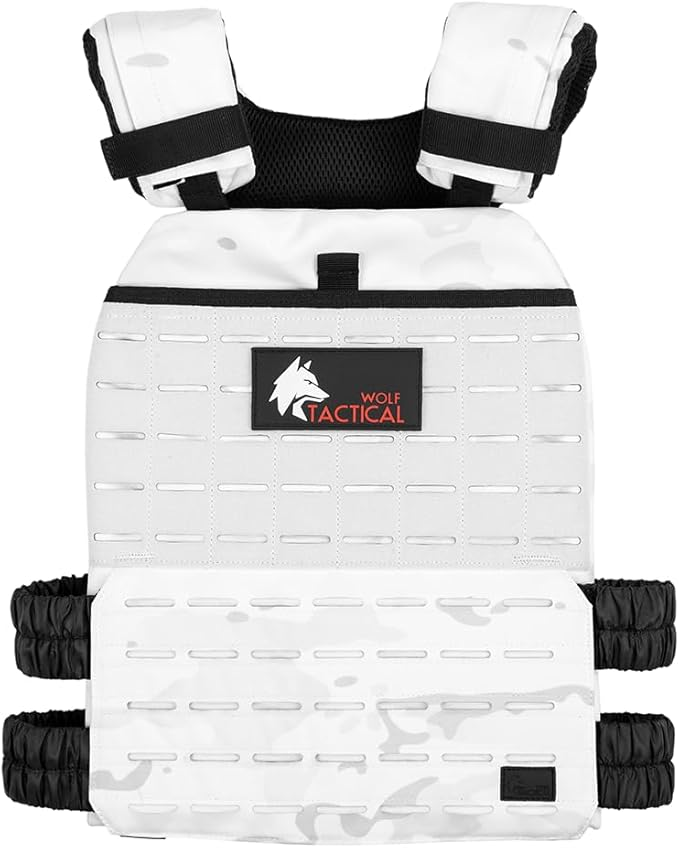
For serious strength-based loading I favor plate-based systems that distribute weight evenly and allow incremental tuning. The Kensui EZ-VEST® MAX V2 is built for high loads and heavy users—sturdy panels, wide straps, and a high capacity that keeps weight stable during intense movement.

Track calories and plan sessions
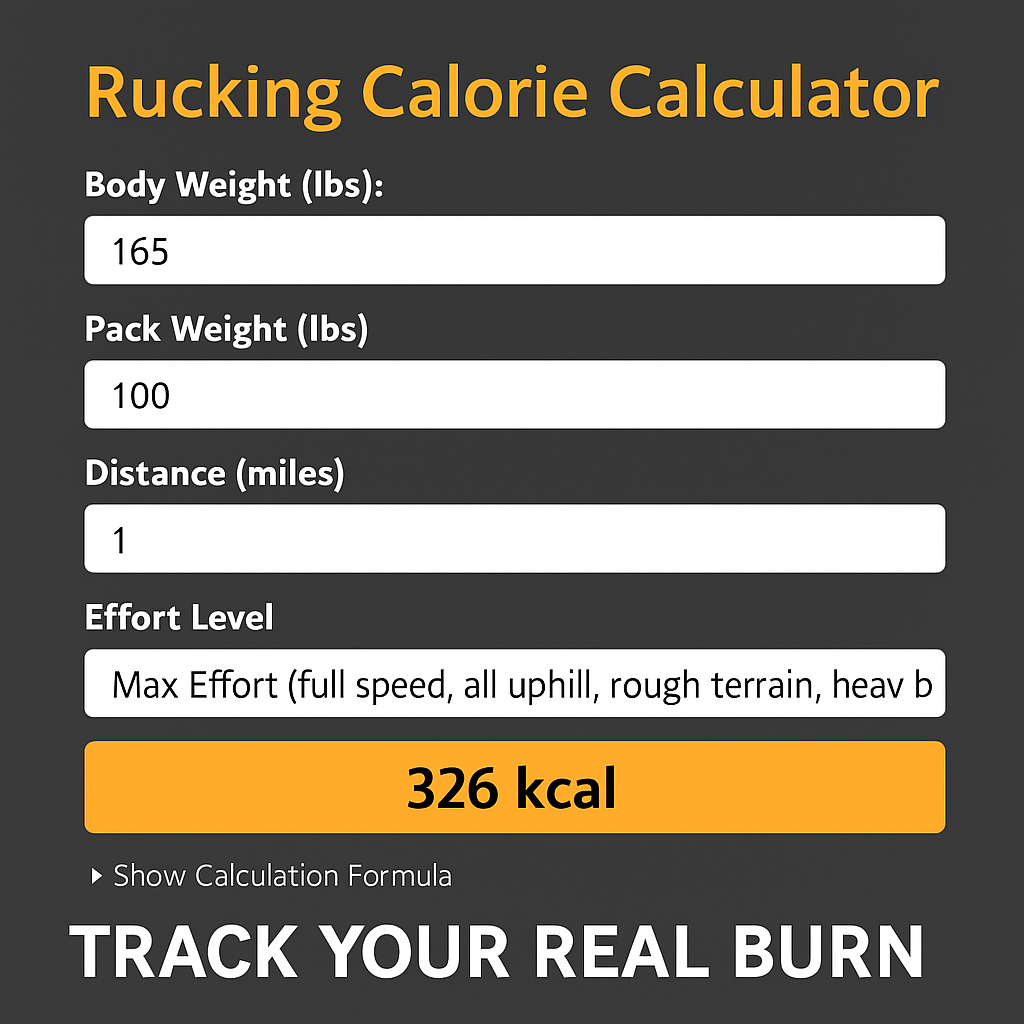
When you’re working with very heavy external load, tracking calorie expenditure helps guide recovery and nutrition. Use the Rucking Calorie Calculator linked below to estimate session burn and plan your recovery fueling.

Real-world perspective
I’m Preston Shamblen—an ISSA-certified trainer who lost 90 lbs through consistent rucking, weighted-vest work, and disciplined nutrition. I still recommend weighted vests as one of the most reliable ways to maintain lower bodyweight and burn fat consistently, but only when paired with slow progression and sensible recovery. If an 80 lb vest is your goal, plan months of incremental loading and treat it like strength training: short, controlled, and measured.
Final practical tips
- Work with a coach or experienced partner for your first heavy exposures.
- Prioritize posture and breathing; heavy vests amplify inefficient movement patterns.
- Rotate heavy sessions with low-load technique work to reduce injury risk.
When used responsibly an 80 lb weighted vest is a potent training tool. Respect the load, follow progression, and use reliable gear to keep the load where it belongs—on your torso, moving efficiently.