A weighted vest for hiking should be evaluated alongside terrain and essential equipment. Added training resistance is optional and should not crowd out water, navigation, or route planning.
Decide whether you need backpack storage
A vest and a rucking backpack serve different storage and loading roles. Count water and essentials as well as the training weights, and use only the chosen equipment’s supported configuration. Start on a short familiar route with manageable resistance rather than moving directly from a flat walk to a demanding trail. Check pressure points and shifting early, including on the descent. Longer distance, uneven footing, and hills already change the task. A general walking estimate does not measure every trail condition.
- Plan terrain, weather, water, essentials, and turnaround options.
- Count all carried items in the total.
- Test a short familiar route before changing distance or load.

Plan the whole outing
Consider terrain, weather, navigation, turnaround options, water, and essential equipment before adding training resistance. Count those items in the complete carried load. A vest does not automatically replace a backpack; a pack may be useful when storage and weather protection matter.
Start with a short familiar route and a manageable configuration. Uneven footing, hills, and descent require separate judgments from an easy flat walk. Check for pressure points and shifting early in the outing. A longer or steeper route is already a change in demand, so do not add more resistance at the same time without reviewing comfort and recovery.
If you have back, neck, joint, or balance problems, discuss added-load exercise with a clinician before starting. Harvard Health explains the cautions around wearable weights.
Compare gear by loading system
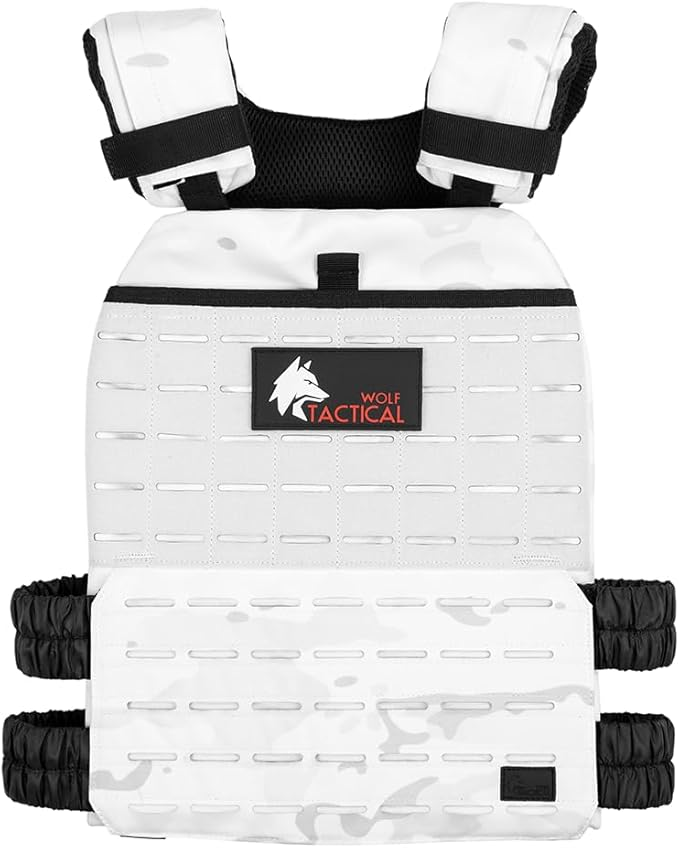
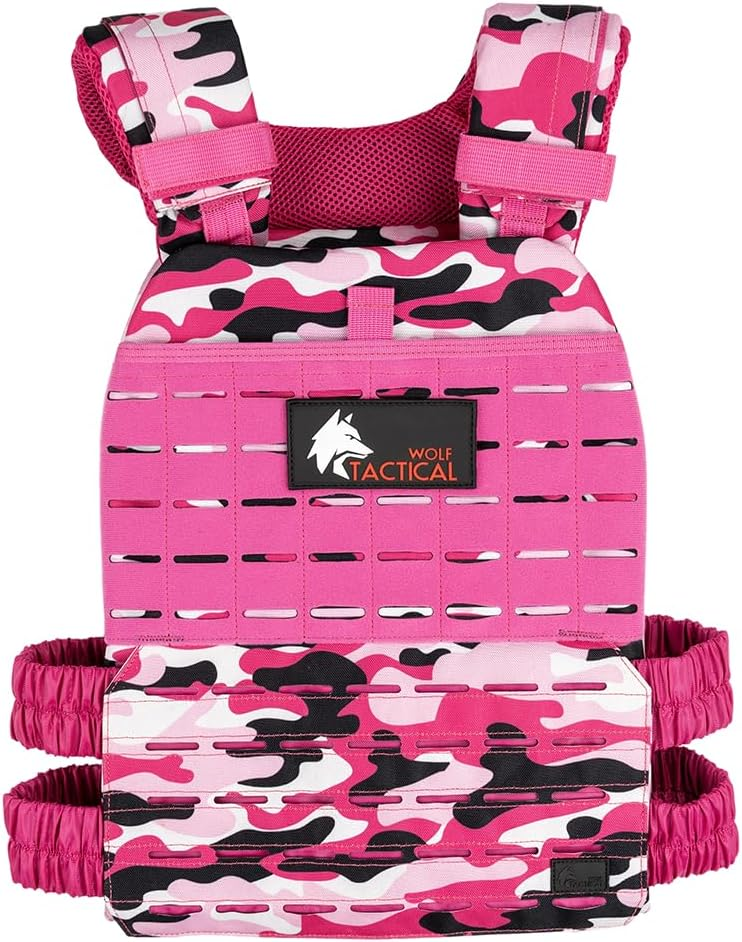
View GORUCK Rucker 4.0 20L backpack on Amazon and compare Wolf Tactical weighted vest plate carrier. These are the identified products shown in the photos. Check the exact model, approved weights, selected configuration, complete cost, and return terms. Search links may show other models and sellers; verify the item before ordering.
As an Amazon Associate I earn from qualifying purchases. Some gear links are affiliate links.

Reference: Read the source information. Specifications and availability can change; match the exact model to its current instructions.
Track loaded walks with the Rucking app
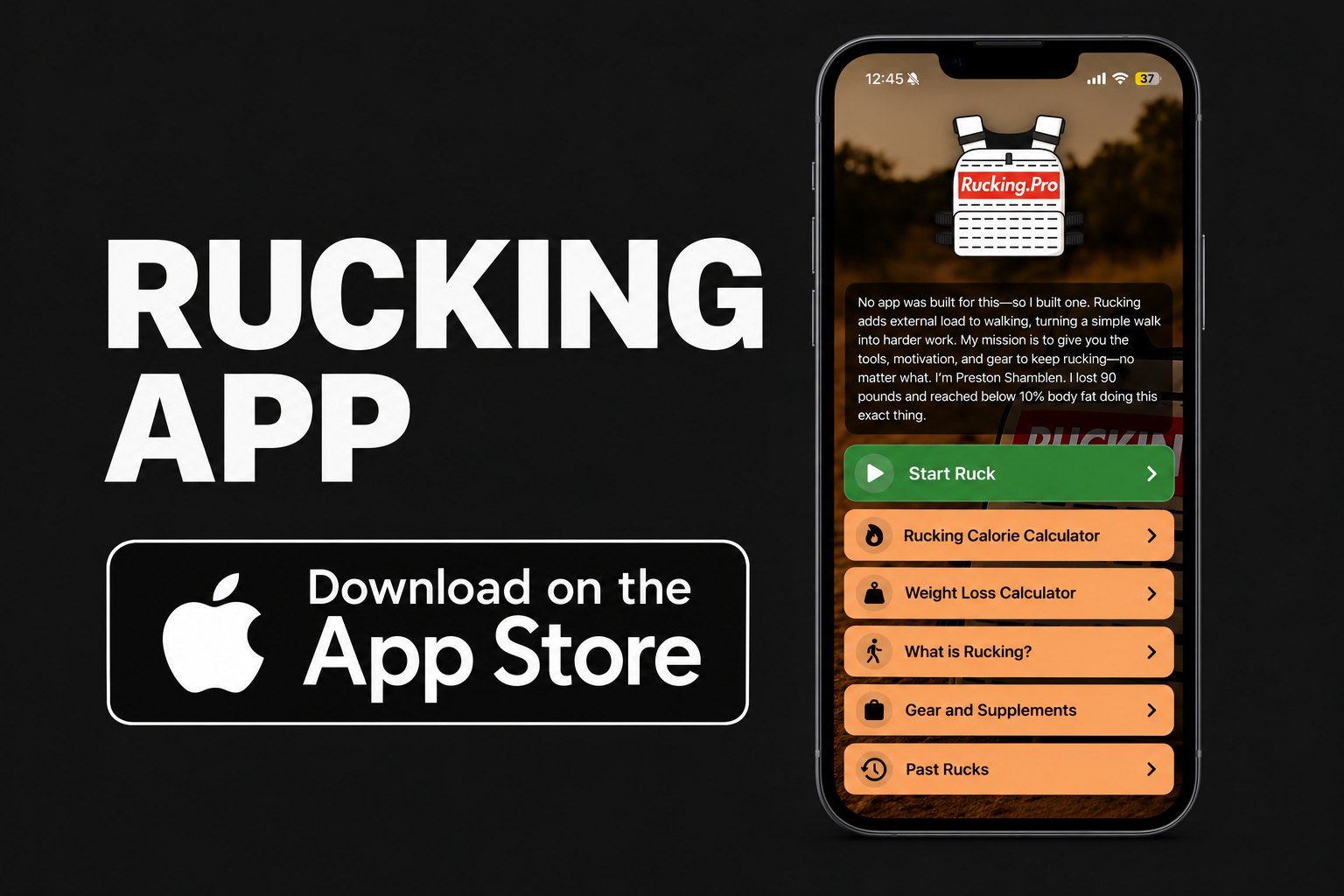
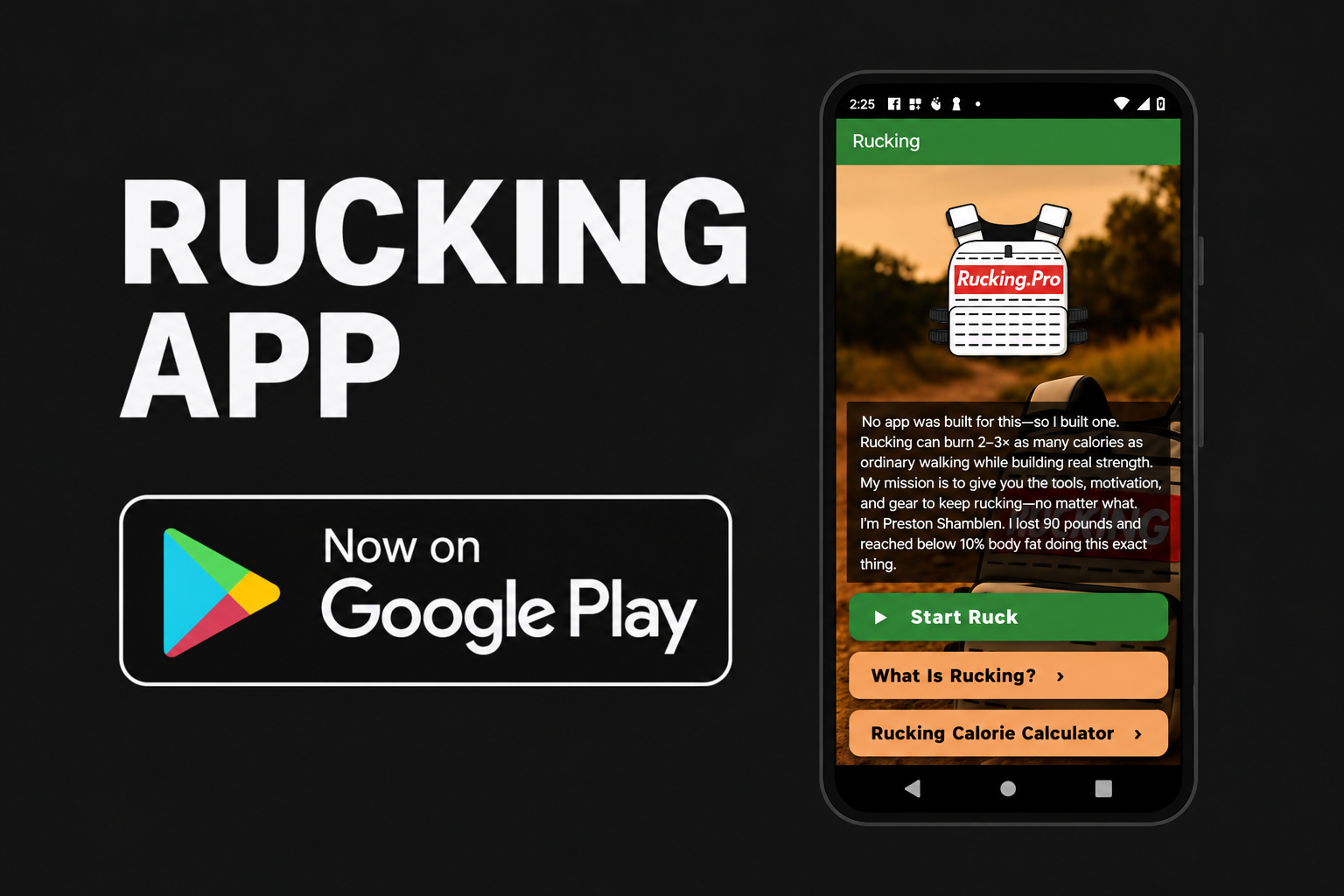
For the walking part of your routine, record total carried weight, route, distance, pace, and time. Compare similar sessions rather than judging progress only by a calorie number. The Rucking app is available for iPhone and Android.

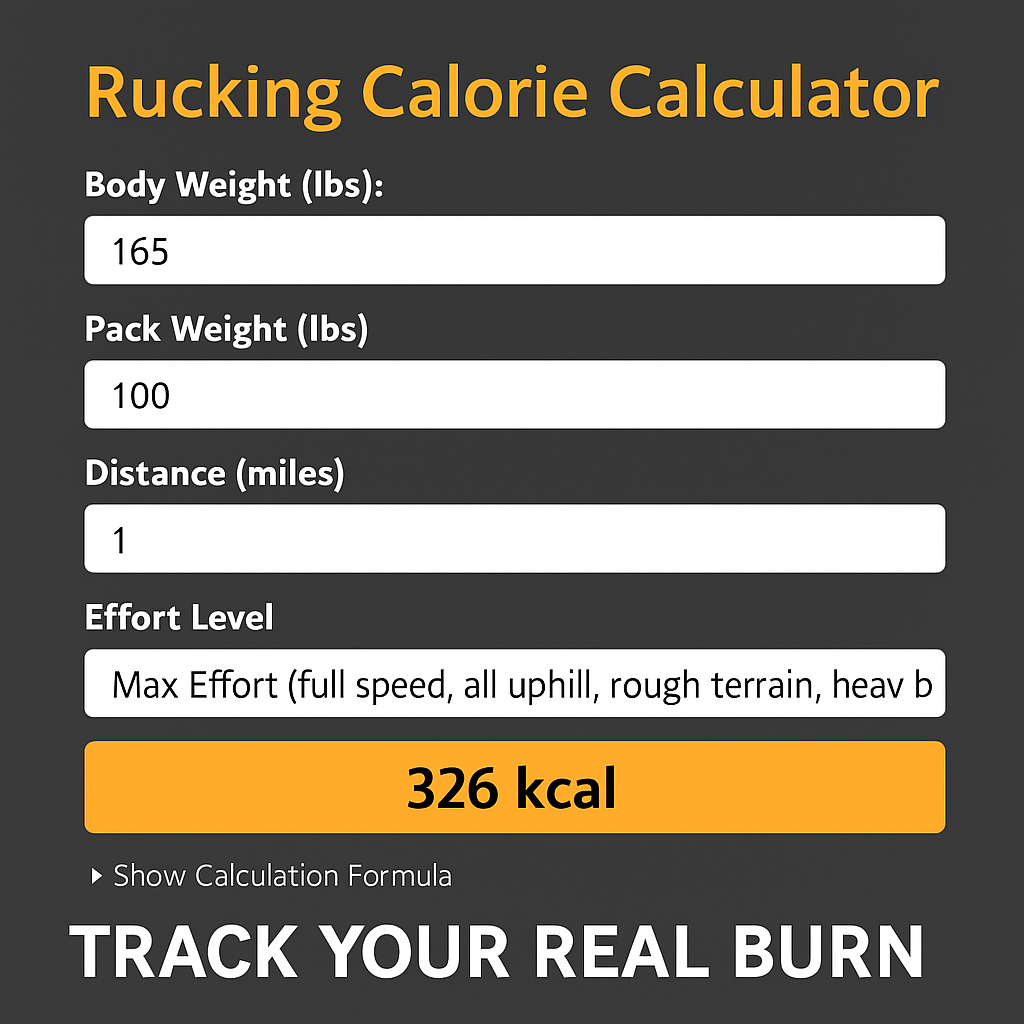
Plan a loaded walk with the Weighted Vest Calorie Calculator or Rucking Calorie Calculator. Use the Rucking Weight Loss Calculator to explore longer-term projections alongside your nutrition plan. These are estimates, not measured energy expenditure or promised weight loss. Walking estimates do not measure a lifting session, mixed WOD, running workout, or therapeutic effect.
Related guide: Weighted vest walking guide.