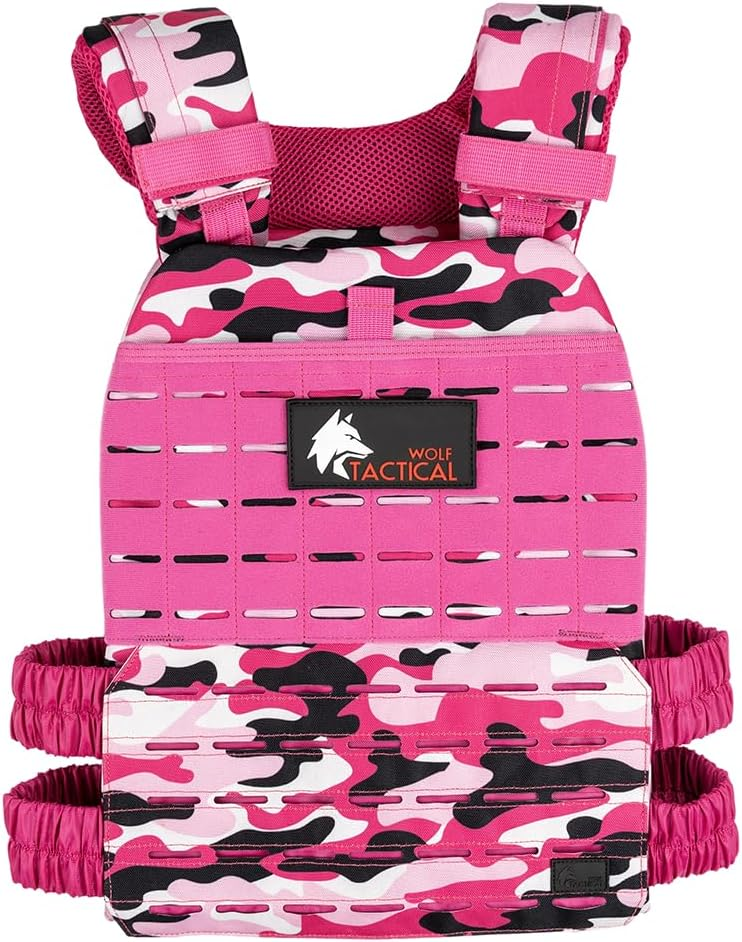
Running with a weighted vest changes the demands of a run. First establish the purpose of the added load and discuss suitability with a qualified coach when the approach is unfamiliar.
Do not borrow a walking load for running
A vest comfortable on a slow walk can bounce or restrict movement at running speed. Check secure retention, breathing, and arm clearance, then assess whether loaded running serves your actual training goal. Unloaded running, strength training, or loaded walking may fit that goal without combining them. Avoid fixed body-weight percentages or promises of a certain calorie increase. Running sessions need running-specific decisions and recovery monitoring; the walking calculators linked below cannot measure the energy cost or safety of a loaded run.
- Assess whether added-load running serves the training goal.
- Check secure fit at the actual intended movement speed.
- Use running-specific guidance rather than a walking calorie estimate.
Decide whether added load serves the goal
A weighted vest or pack changes the demands of running. Extra load is not a prerequisite for improving pace or endurance, and a snug fit does not guarantee normal mechanics. Establish comfortable unloaded running first. Ordinary easy runs, strength sessions, and gradually planned hills may already address the goal.
If a sport or occupational task requires running with load, seek coaching specific to that task and the equipment. Begin with walking checks, verify retention, and keep any running exposure conservative. Avoid automatic mileage-and-weight increases, loaded sprints, or wearing a new setup for a long run. Stop if the load causes bouncing, compensations, pain, or unusual breathing difficulty.
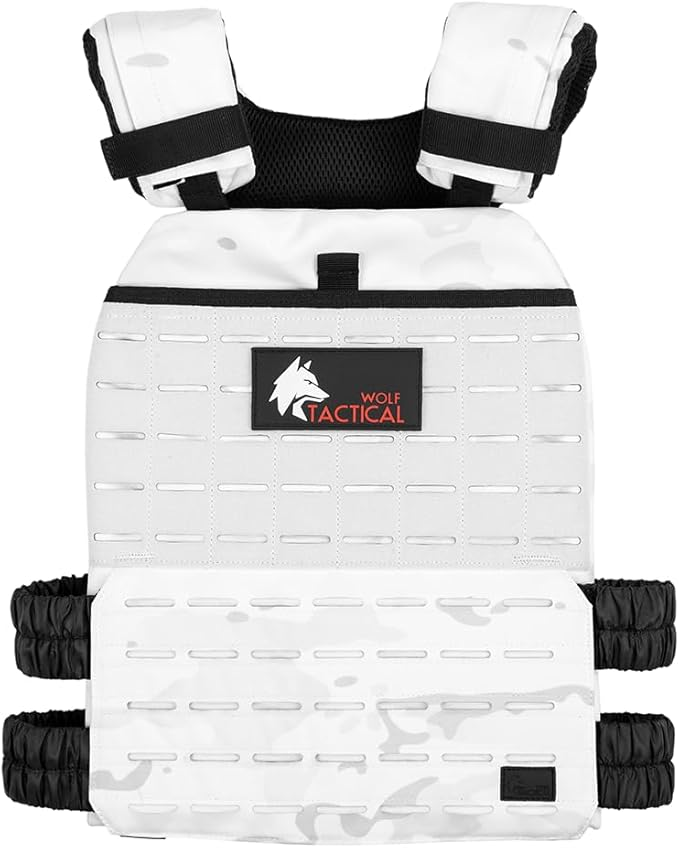
Reference: Read the source information. Specifications and availability can change; match the exact model to its current instructions.
The resources below are for a separate, appropriate adult walking routine. They do not prescribe sensory treatment, children’s exercise, bone-health care, sport skills, or loaded running.
Track loaded walks with the Rucking app
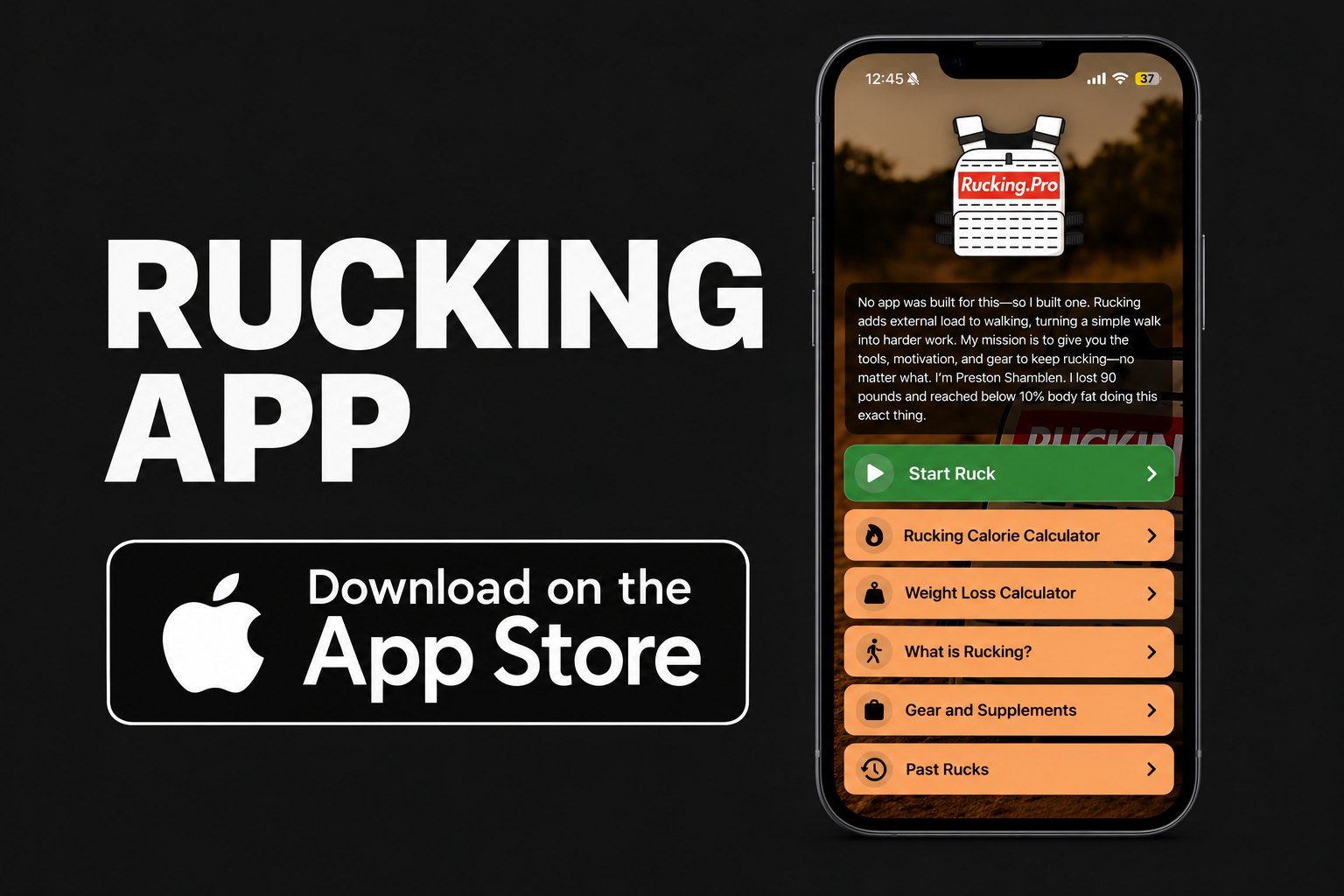
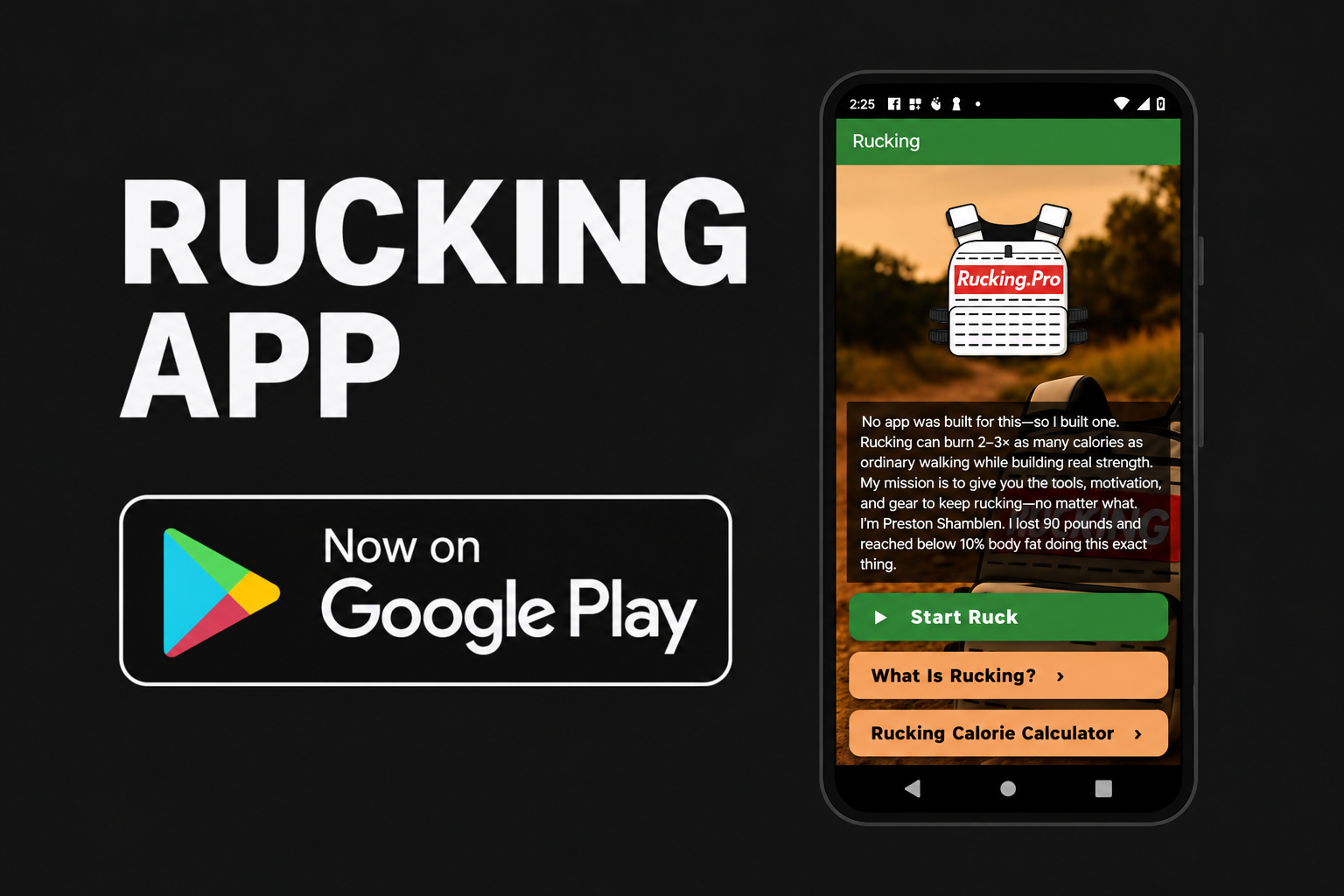
For the walking part of your routine, record total carried weight, route, distance, pace, and time. Compare similar sessions rather than judging progress only by a calorie number. The Rucking app is available for iPhone and Android.


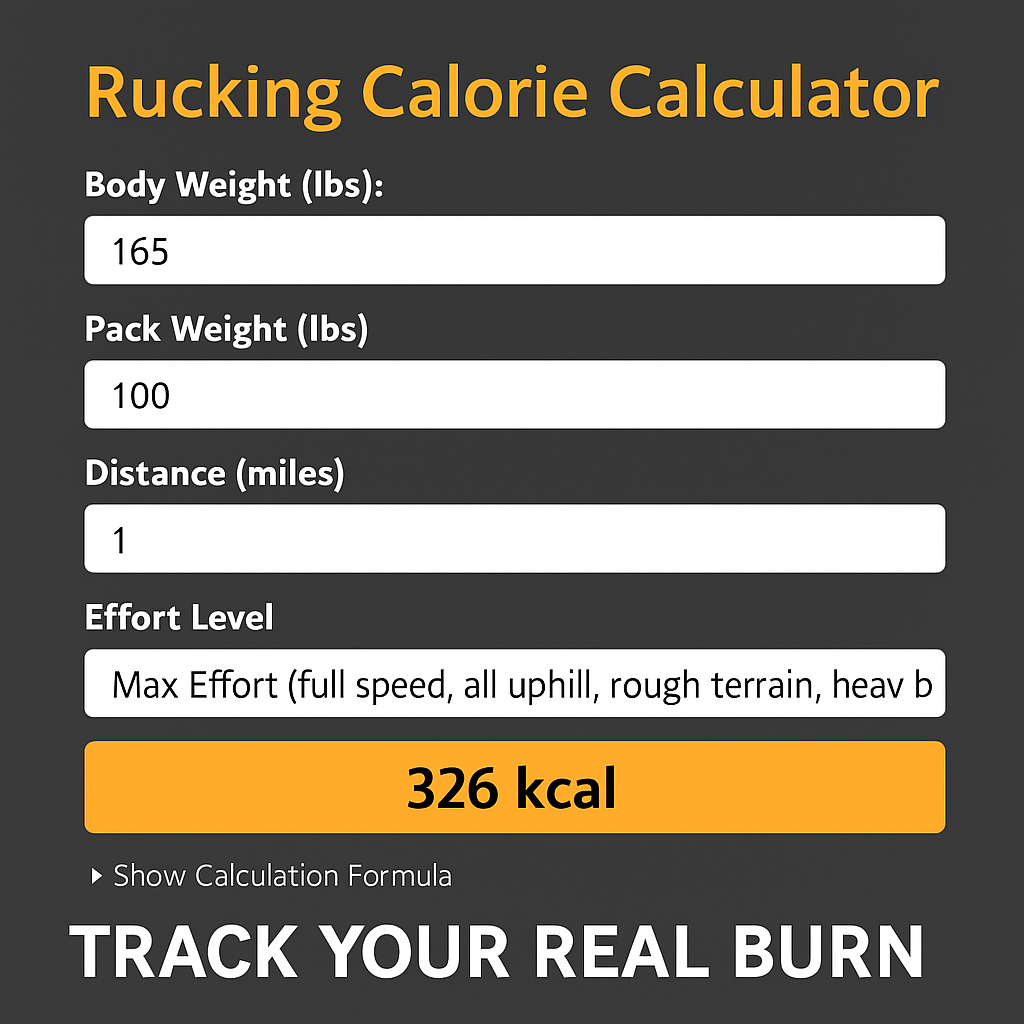
Plan a loaded walk with the Weighted Vest Calorie Calculator or Rucking Calorie Calculator. Use the Rucking Weight Loss Calculator to explore longer-term projections alongside your nutrition plan. These are estimates, not measured energy expenditure or promised weight loss. Walking estimates do not measure a lifting session, mixed WOD, running workout, or therapeutic effect.
Related guide: Weighted vest walking guide.