Considering the Bear Complex weighted vest?
If you’re eyeing the bear complex weighted vest (often written as Bear KompleX), you’re likely chasing a close, no-bounce fit for bodyweight training, METCONs, or weighted walks. This guide breaks down what to look for in that style of vest, how it performs for rucking and longer walks, and a couple of proven alternatives that are easy to size, load, and live with day to day.
What matters most in a plate-style vest
- Plate compatibility: Many plate carriers expect laser-cut plates sized around 10″x12″. Confirm your vest accepts the plates you own (or plan to buy) and that they seat securely.
- Shoulder comfort: Dense foam or curved straps reduce trap pressure and numbness on longer efforts.
- Breathability: Mesh panels and ventilation channels help when the pace or temperature rises.
- Adjustability: Fine-tune side straps so the vest won’t bounce while you run, but can still expand with your breathing on brisk walks.
- No-chafe profile: Low-friction edges and a snug chest fit prevent hot spots during higher-volume sessions.
How it performs for rucking and weighted walks
Plate-carrier vests like the bear complex weighted vest tighten load high on the torso. That’s excellent for burpees, push-ups, pull-ups, and short runs. For longer rucks or urban hikes, that high, fixed load can concentrate pressure on shoulders and traps. You can still make it work—just choose conservative weight and build time-in-vest gradually.
Quick guidelines:
- Start with 5–10% of bodyweight if you’re new; cap most walks at 15–20%.
- Keep steps short, posture tall, and elbows relaxed to reduce sway.
- If hands or forearms tingle, your shoulder straps are too tight or the load is too high.
Reliable, comfortable alternatives
If you want a vest that’s easy to adjust and comfortable across mixed training and walking, these options are time-tested.
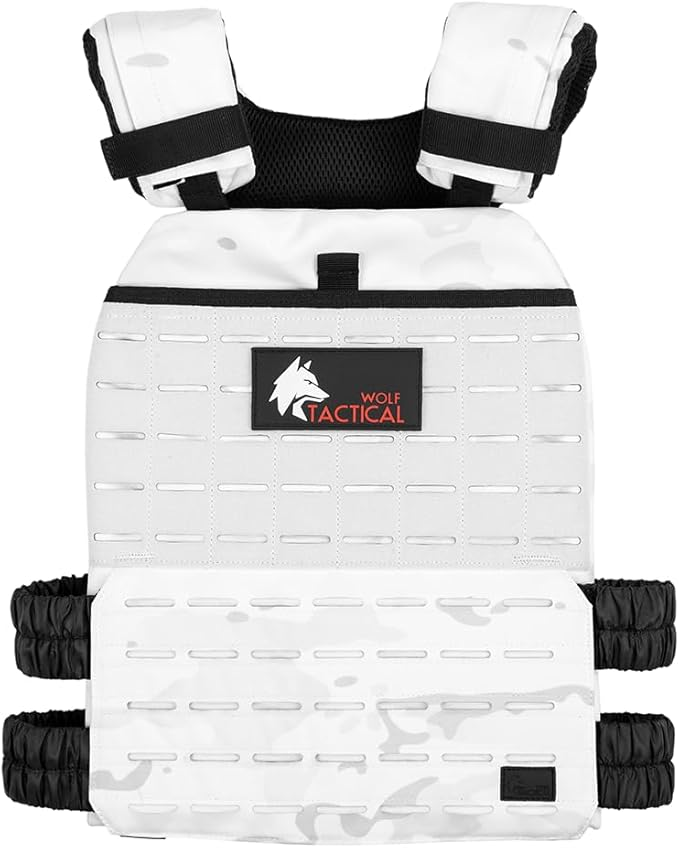
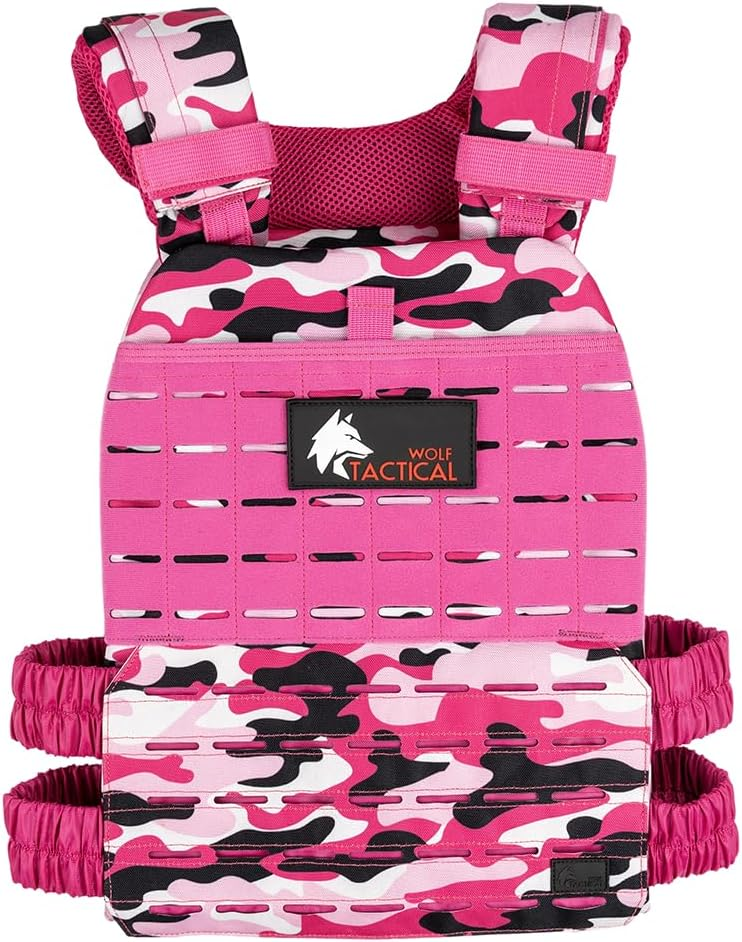
Wolf Tactical Adjustable Weighted Vest – a versatile, beginner-friendly fit that cinches cleanly without hot spots.

5.11 Tactical Unisex TacTec Trainer Weight Vest – premium construction, excellent shoulder comfort, and proven durability for longer sessions.

Sizing, loading, and progression
- Fit first: Tighten side straps until bounce disappears, then loosen one notch so you can take a full breath.
- Plate selection: If you prefer plate-style vests, choose matched pairs (e.g., 8–10 lb front + back). For sandbag or brick sleeves, distribute weight evenly.
- Progression: Add 1–2 lb at a time or extend your walk by 5–10 minutes weekly—not both.
- Surface choice: Start on flat, forgiving surfaces before adding hills, stairs, or trails.
Estimate your calorie burn
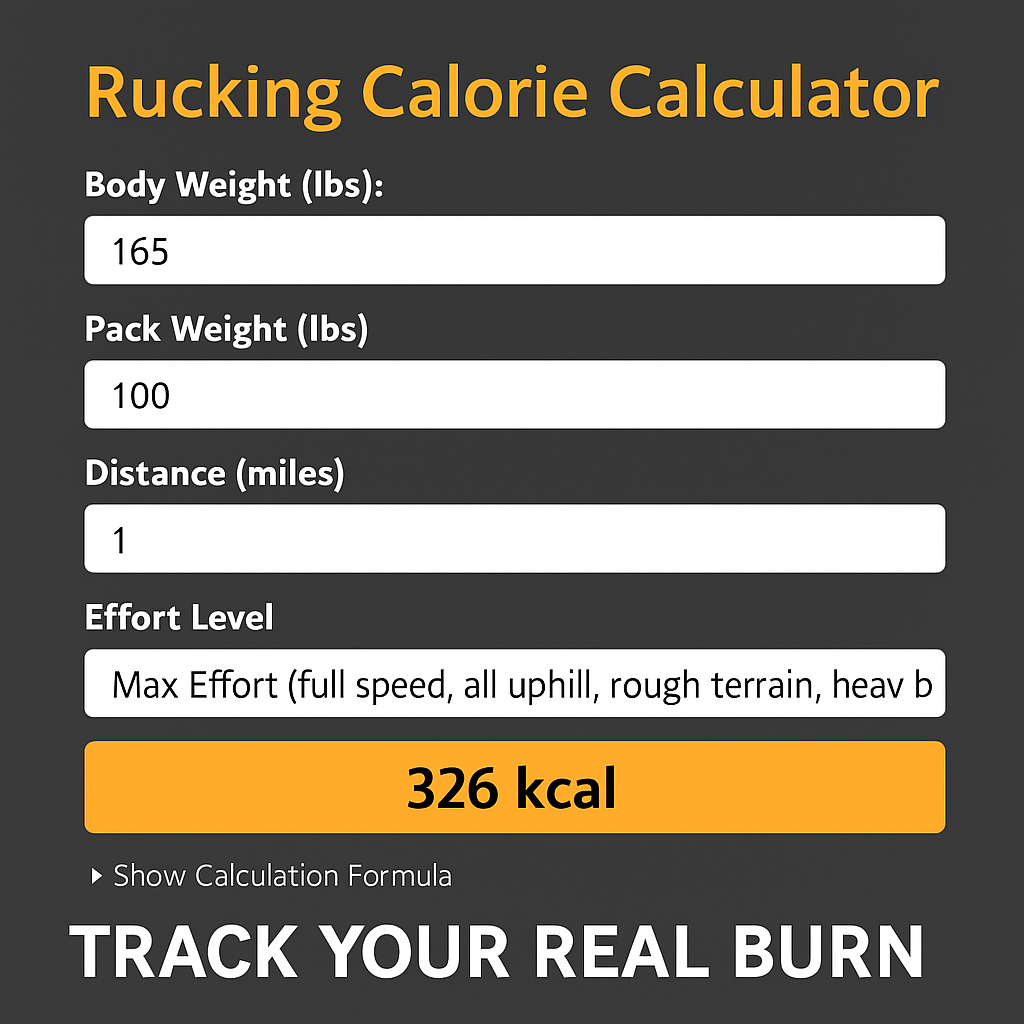
Want a realistic energy-burn estimate for walks or rucks in your vest? Use this calculator and select speed, distance, grade, and load to dial it in.
Rucking and Weighted-Vest Calorie Calculator

Programming and safety tips
- Warm up hips, ankles, and T-spine; finish with light calf and hip-flexor mobility.
- Rotate intensities: one longer easy walk, one moderate, and one short interval session weekly.
- Watch for trap fatigue and adjust strap padding or weight as needed.
- Hydrate and fuel; weighted work raises cost even at easy paces.
Bottom line: a bear complex weighted vest can work well for short, high-output sessions and some walking—just manage weight and volume. For everyday comfort and simple progression, the Wolf Tactical and 5.11 TacTec options above are hard to beat.