Why a weighted vest can help with osteoporosis
Gentle, progressive loading is one of the best signals you can give your bones. A weighted vest adds load through your trunk while you walk or perform simple strength movements, increasing ground-reaction forces at the hips and spine without using your hands or changing your gait dramatically. For many people with low bone density, this means you can layer bone-strengthening stimulus onto activities you already do—walking, step-ups, and light bodyweight work—while keeping impact low and posture upright.
A well-fitted vest is superior to carrying dumbbells because the load stays centered and hands-free, encouraging a natural arm swing and stable balance. The key is conservative progression, good posture, and consistency.
Who should be cautious
- History of vertebral fractures, severe kyphosis, acute back pain, or balance/fall risk—talk with your clinician or physical therapist before adding load.
- If you’re new to exercise, spend 2–4 weeks building a walking habit first, then layer very small vest loads.
How to start safely
- Choose an adjustable vest with small increments (0.5–1 lb if possible). It should fit snugly without restricting breath.
- Start light: 1–5% of bodyweight. Many people begin with 2–6 lb total.
- Frequency: 3–5 sessions/week of 20–40 minutes of upright walking on level ground.
- Posture: tall chest, slight chin tuck, ribs stacked over pelvis, avoid forward trunk flexion.
- Progression: increase total load by 0.5–1 lb per week (or every other week). Prioritize time-on-feet before adding weight.
- Terrain: start flat; add small hills later. Use shoes with good traction; avoid rushed stair descents.
Sample 6-week ramp-up
- Week 1: 25–30 min walks, 2–4 lb total.
- Week 2: 30–35 min, same weight.
- Week 3: 30–35 min, +0.5–1 lb.
- Week 4: 35–40 min, steady weight to consolidate.
- Week 5: 35–40 min, +0.5–1 lb if pain-free and posture solid.
- Week 6: Hold weight, add 2 x 10 step-ups (low step), 2 x 20 heel drops.
Track effort and fuel recovery
Bone adapts when you give it repeatable, manageable stress and enough recovery nutrition. Aim for a conversational pace, add weight slowly, and ensure adequate protein, calcium, and vitamin D per your clinician’s guidance.
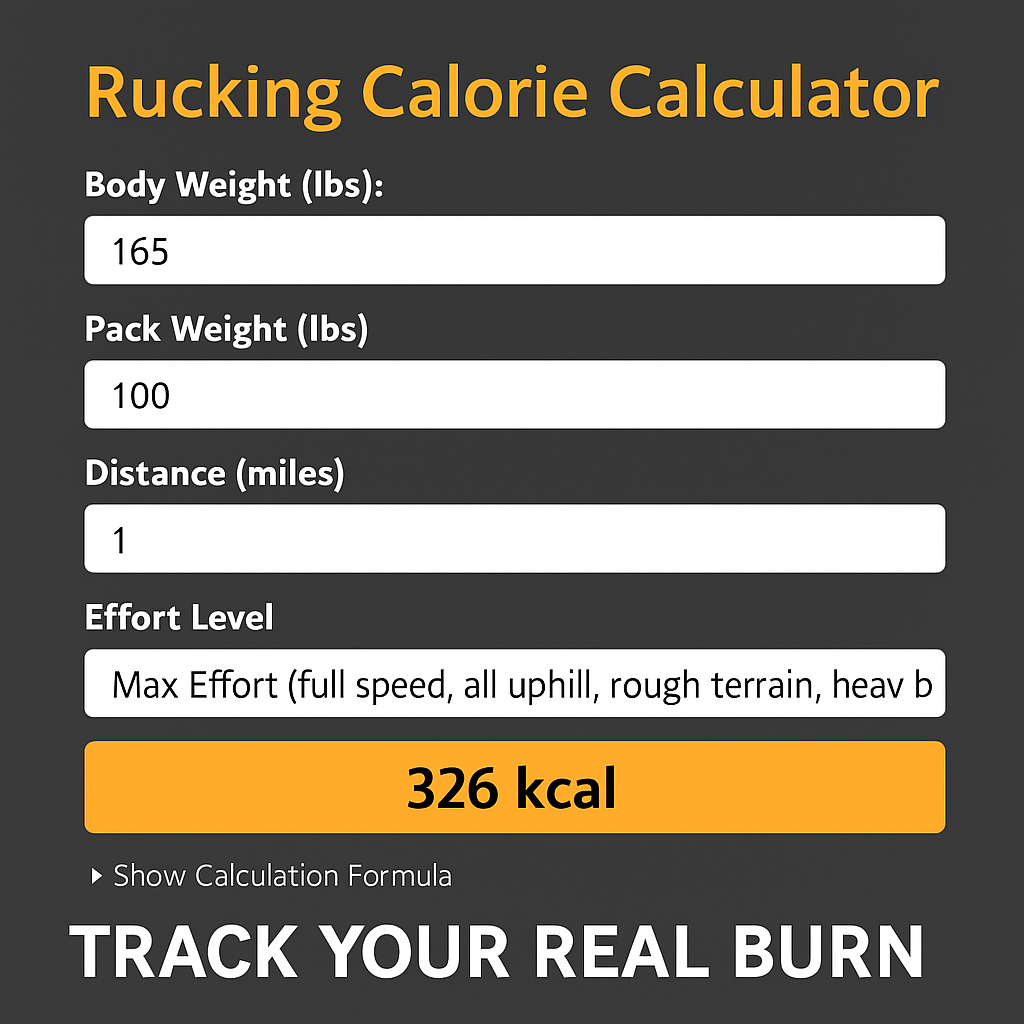
Estimate your calorie burn
Knowing your energy needs helps you fuel walks and recover. Use this simple tool to estimate calories burned while walking with a vest or ruck.

Recommended vests for comfort and adjustability
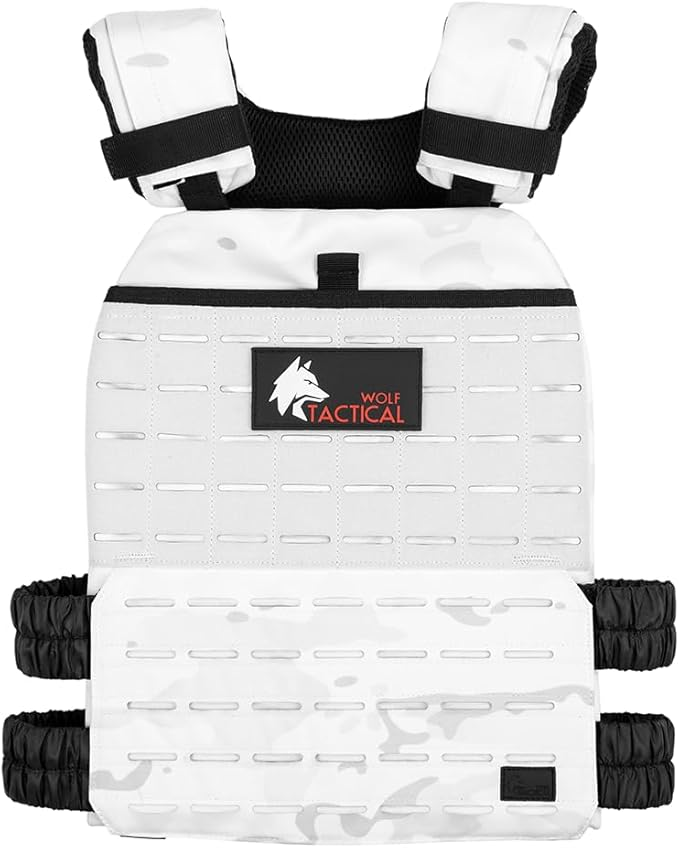
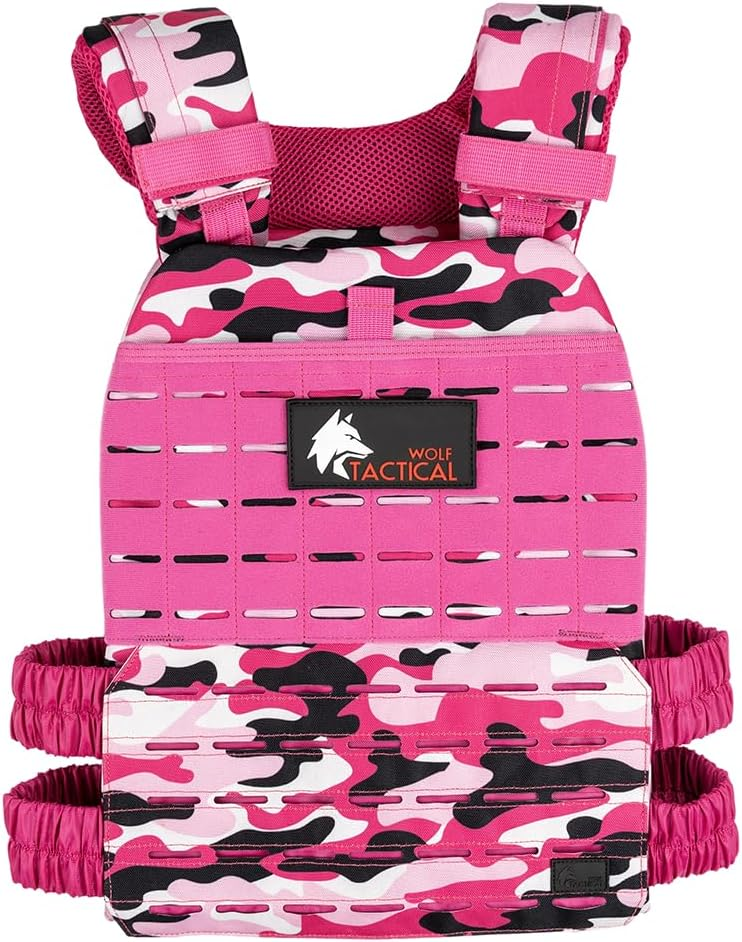
For bone health, comfort and small weight jumps matter more than maximum load. A beginner-friendly, adjustable option is the Wolf Tactical Adjustable Weighted Vest, which allows micro-loading and a snug, breathable fit.

If you prefer a premium fit with even weight distribution, consider the 5.11 TacTec Trainer Weight Vest. Its stable chassis helps maintain upright posture on longer walks.

Key form cues and safety
- Breathe into your belly and sides; straps snug but not restrictive.
- Walk tall; avoid forward flexion and twisting under load.
- Stop with sharp pain, tingling, or balance loss. Soreness is normal; joint pain is not.
- Build consistency first; add short, simple strength moves (heel drops, step-ups, wall push-ups) after 3–4 weeks.
Used thoughtfully, a weighted vest can be a practical, sustainable tool to nudge bone density upward while keeping your hands free and your training simple.