As an Amazon Associate I earn from qualifying purchases.
A weighted vest adds resistance to walking and selected bodyweight exercises. Whether it helps depends on the movement, the load, and how consistently you can train. A vest alone does not guarantee better bone density, fat loss, or improved posture.
Choose a load for the exercise
Practice each movement without the vest first. The weight you tolerate for a flat walk may be too much for push-ups, lunges, or step-ups. Use a load that lets you maintain control and stop before technique breaks down.
- Check the maker’s sizing and insert-compatibility instructions.
- Take a full breath and check shoulder and hip clearance.
- Use the intended front-and-back balance and secure every closure.
- Count the carrier as part of the complete load.
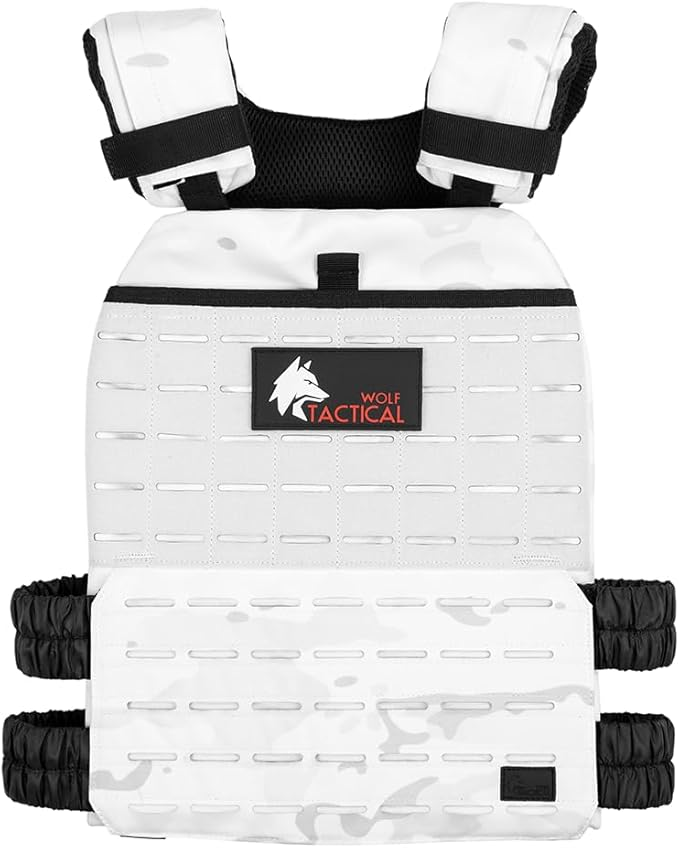
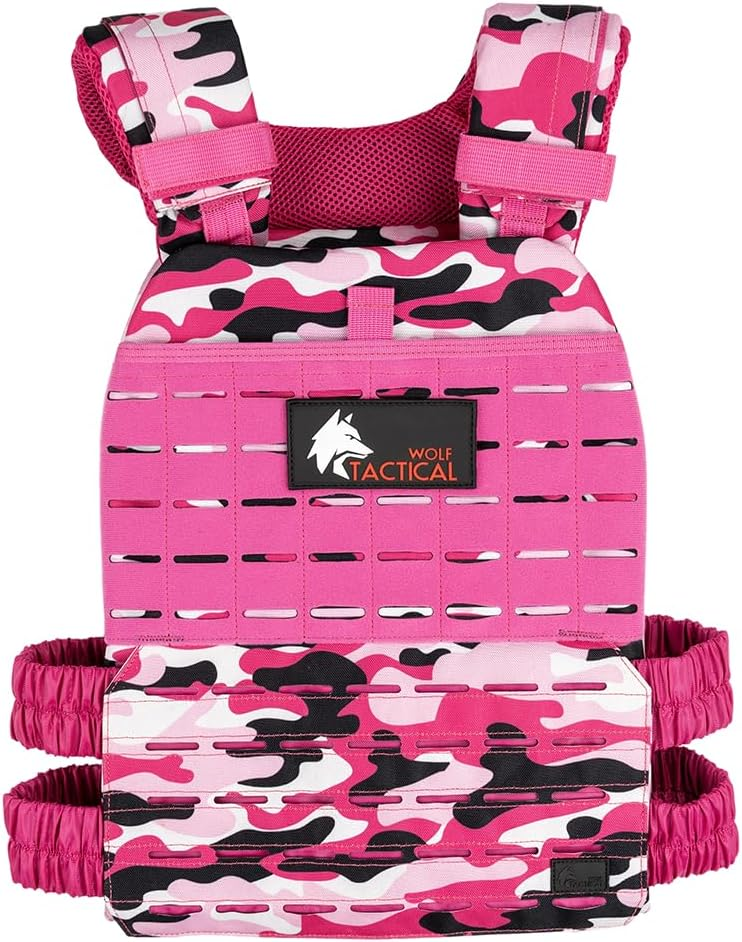
Two plate-loaded options to compare are the Wolf Tactical Adjustable Weighted Vest and the 5.11 TacTec Trainer Weight Vest. Check fit and approved inserts for the exact model rather than assuming either suits everyone.


Build a short, controlled session
Use this as an example to scale down or up, not a required beginner workout:
- Warm up with easy unloaded walking and comfortable bodyweight movements.
- Choose two familiar exercises, such as chair-height squats and incline push-ups. Do one or two easy sets, with rest as needed. Keep the vest off if the movement is already challenging.
- If appropriate, finish with a brief, level weighted walk at a comfortable pace.
- Record the actual load, session length, effort, and any symptoms later that day or the next.
Loaded jumping, hill sprints, and other high-impact drills require separate programming and preparation. They are not the automatic next step after a few weeks of walking.
Progression and recovery
Start with an unloaded fit check and a brief, easy walk with a manageable load. Repeat a comfortable session before changing one variable: weight, time, pace, or terrain. There is no weekly increase everyone needs to follow. Stop for pain, numbness, dizziness, or unusual shortness of breath. Ask a qualified clinician about loaded exercise if you have a condition or injury that could affect it.
Change one demand at a time and allow recovery between harder sessions. Repeating an easy workout is useful; adding weight every week is optional. If you have osteoporosis, a recent injury, or another medical reason for using a vest, get an individualized plan rather than treating a general circuit as therapy.
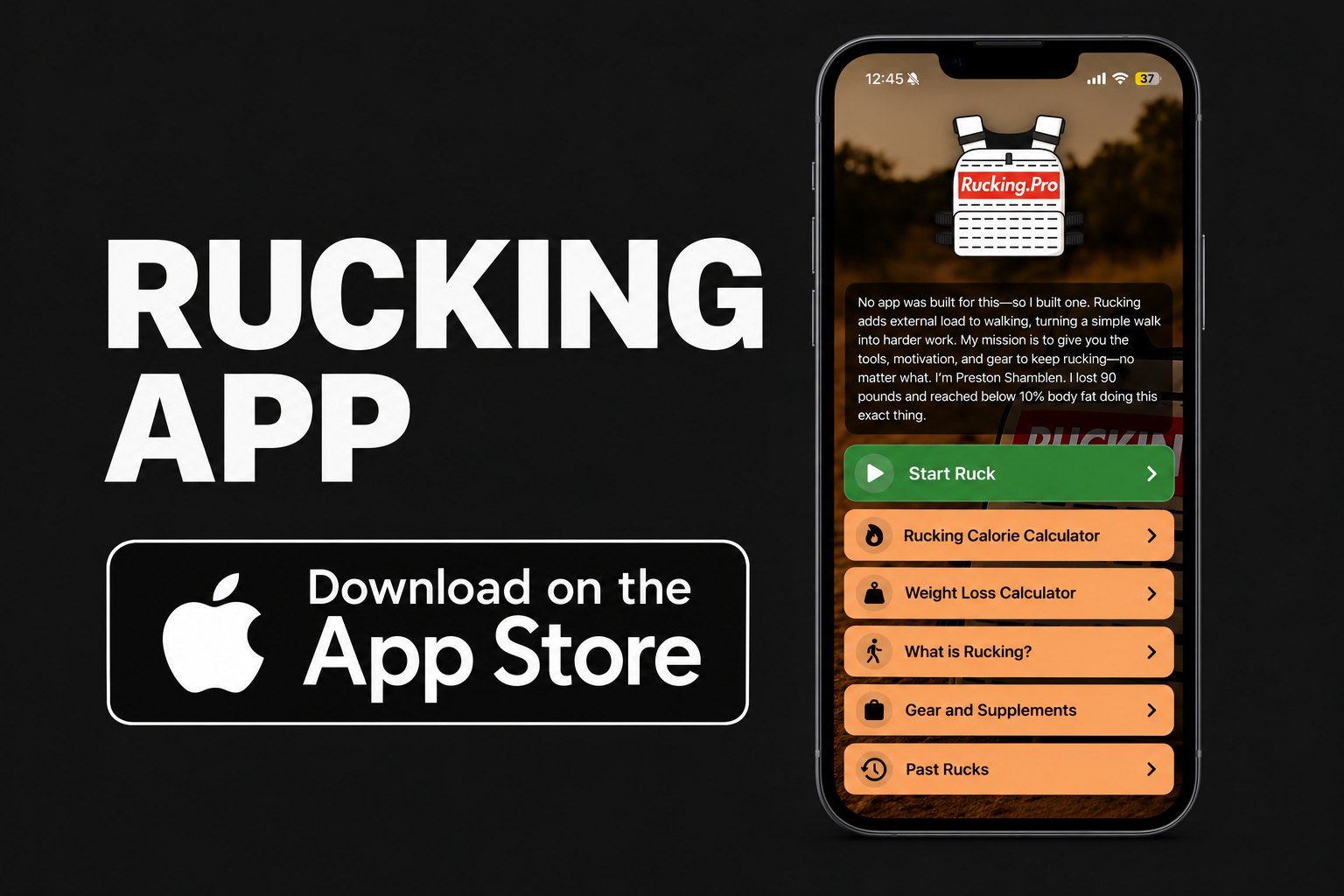
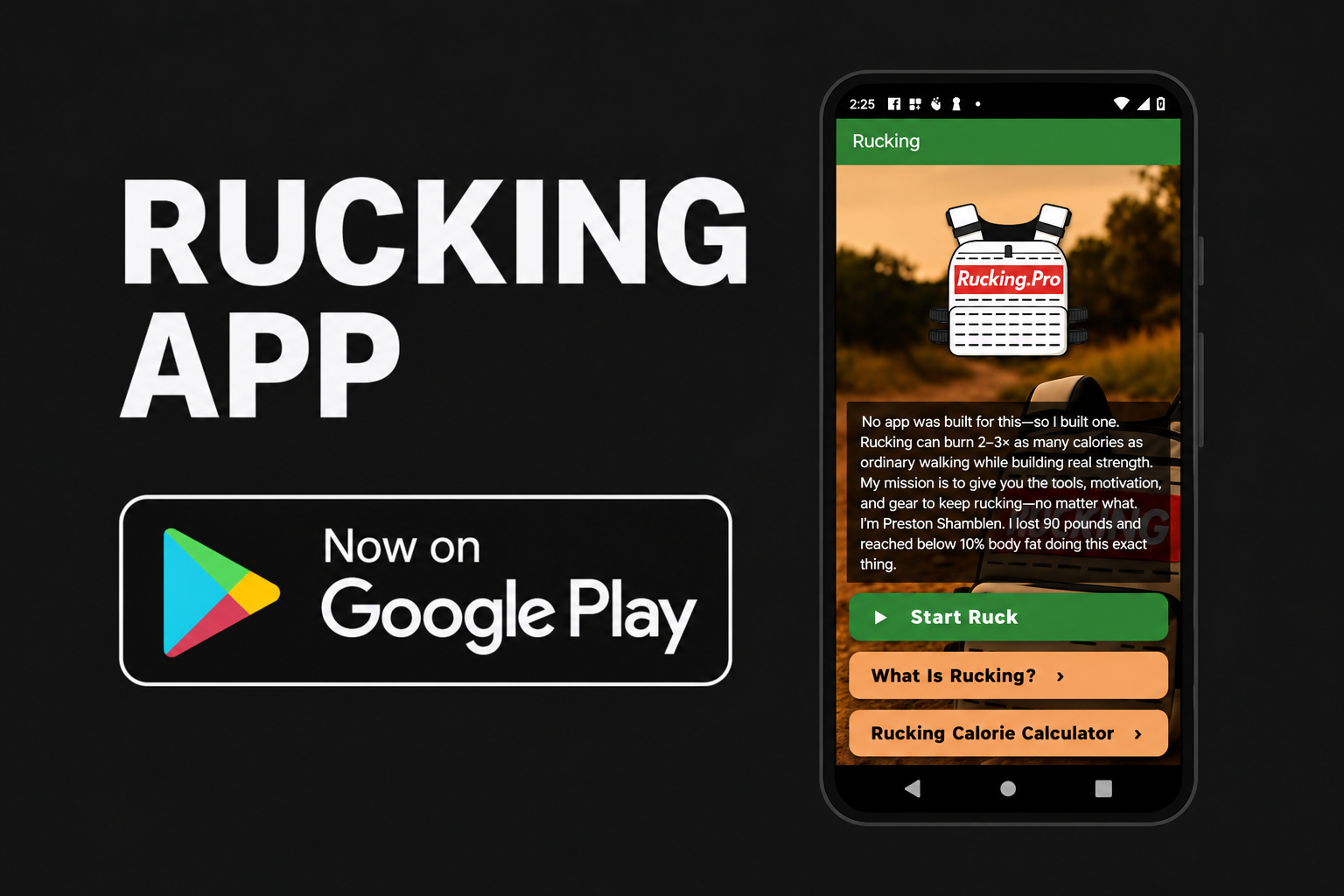
Track weighted walks with the Rucking App
Choose weighted vest or backpack, enter the complete carried load, and tap Start Ruck to record an outdoor walk with GPS. You can track time, distance, pace, and estimated calories. Keep notes on effort and how you feel afterward; a calorie estimate cannot tell you whether a load is appropriate or whether you have recovered.


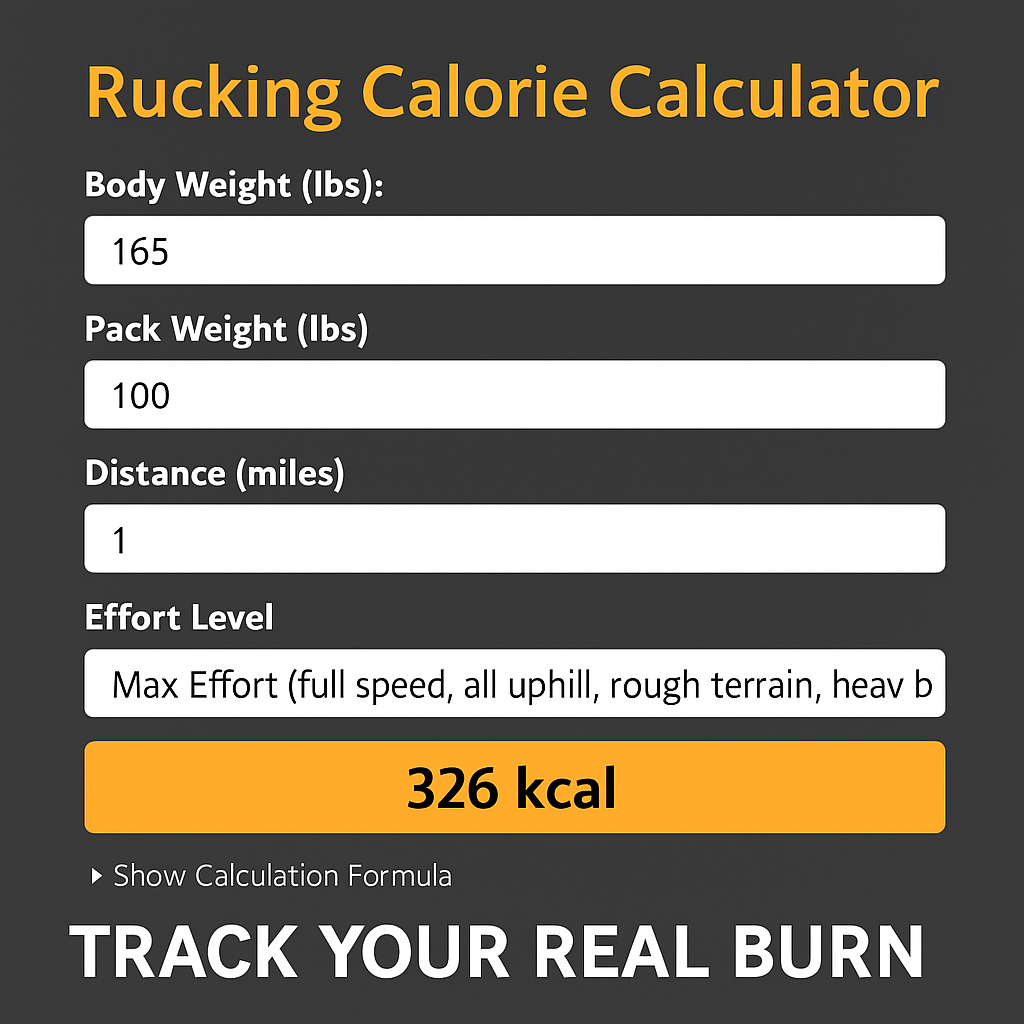
Prefer a manual estimate? Use the Rucking Calorie Calculator. The app and calculator give estimates for loaded walking, not measured calorie totals or prescriptions for food intake. See the app guide for current features.
Product references: Wolf Tactical carrier specifications and 5.11 TacTec Trainer specifications.
General activity guidance: CDC guidance on starting gradually. This supports gradual activity progression; it does not establish a universal weighted-vest starting percentage.