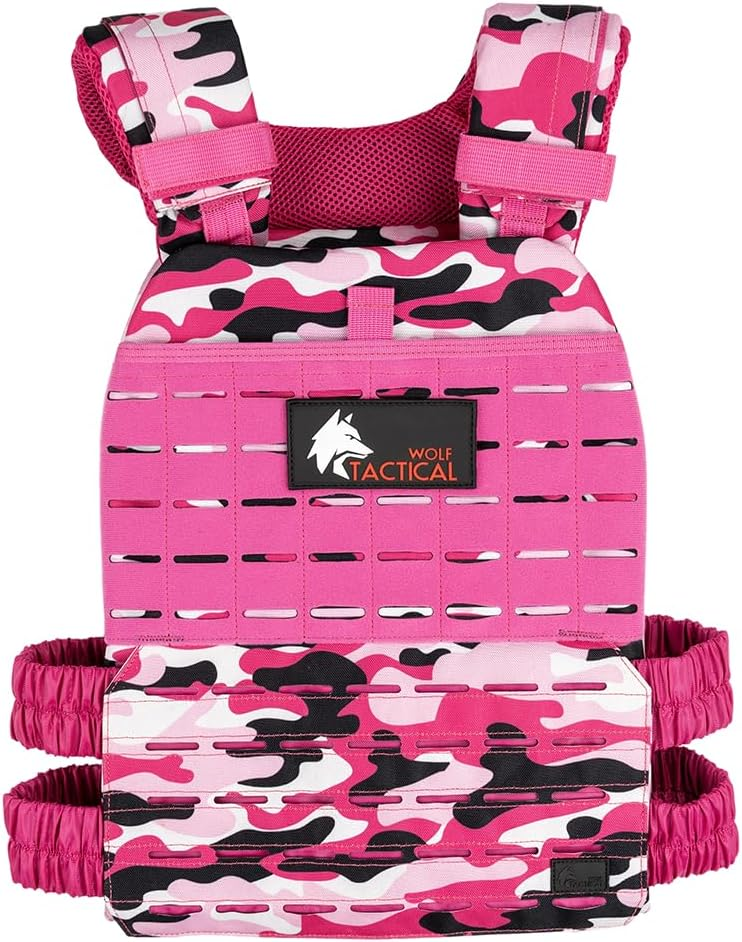
A fitness vest should fit the activity you plan to perform. Identify whether it uses small removable weights, flat inserts, or external gym plates before comparing capacity.
Compare the smallest useful configuration
Read the model name, adjustment range, approved weights, and package contents. A carrier price can exclude the inserts shown in its photo. Add all required components and review return terms before ordering. Test full breathing, arm movement, sitting, and your intended exercise range with manageable resistance. Do not assume that a large capacity or tactical appearance establishes a suitable starting load. Record complete mass and how the setup behaves during a short first session.
- Identify the exact model and all included components.
- Compare approved weights, usable fit, complete cost, and returns.
- Inspect the delivered setup before an easy movement test.

Compare the complete setup
Write down your primary use, your current working load, and the smallest adjustment you need. Compare a fixed-weight vest, a vest with removable small weights, and a carrier with approved front-and-back inserts. They serve different needs. Some include weights; others sell the shell and plates separately.
Compare the delivered cost, available sizing, return policy, replacement weights, and care instructions. Test full breathing, arm movement, hip bending, and getting the vest on and off. Buy the model that fits your body and routine, rather than choosing the highest capacity or relying on a product photo. If you cannot try it loaded first, a usable return policy matters.
If you have back, neck, joint, or balance problems, discuss added-load exercise with a clinician before starting. Harvard Health explains the cautions around wearable weights.
Compare gear by loading system
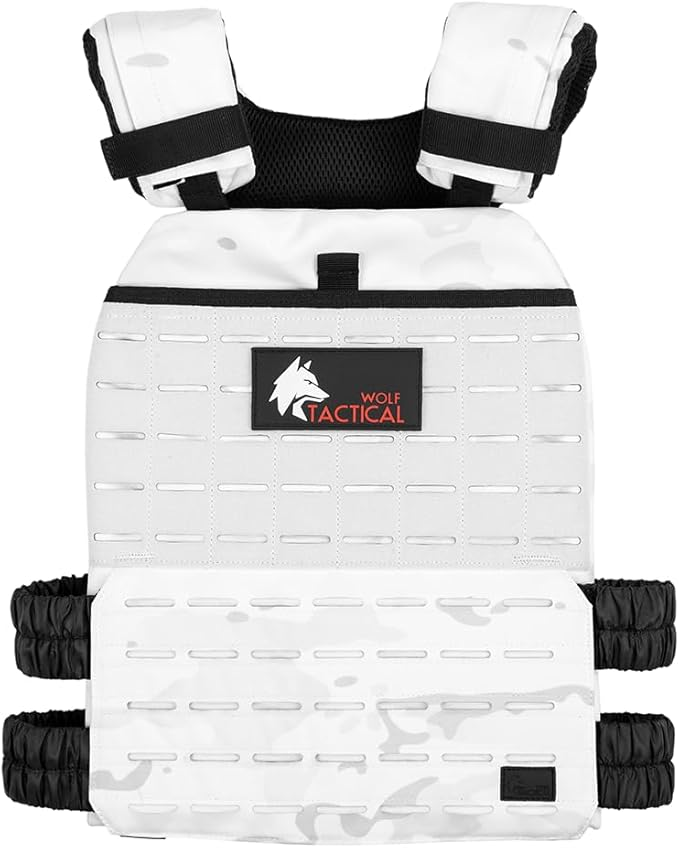
View Wolf Tactical weighted vest plate carrier on Amazon and compare 5.11 TacTec Plate Carrier. These are the identified products shown in the photos. Check the exact model, approved weights, selected configuration, complete cost, and return terms. Search links may show other models and sellers; verify the item before ordering.
As an Amazon Associate I earn from qualifying purchases. Some gear links are affiliate links.

Reference: Read the source information. Specifications and availability can change; match the exact model to its current instructions.
Track loaded walks with the Rucking app
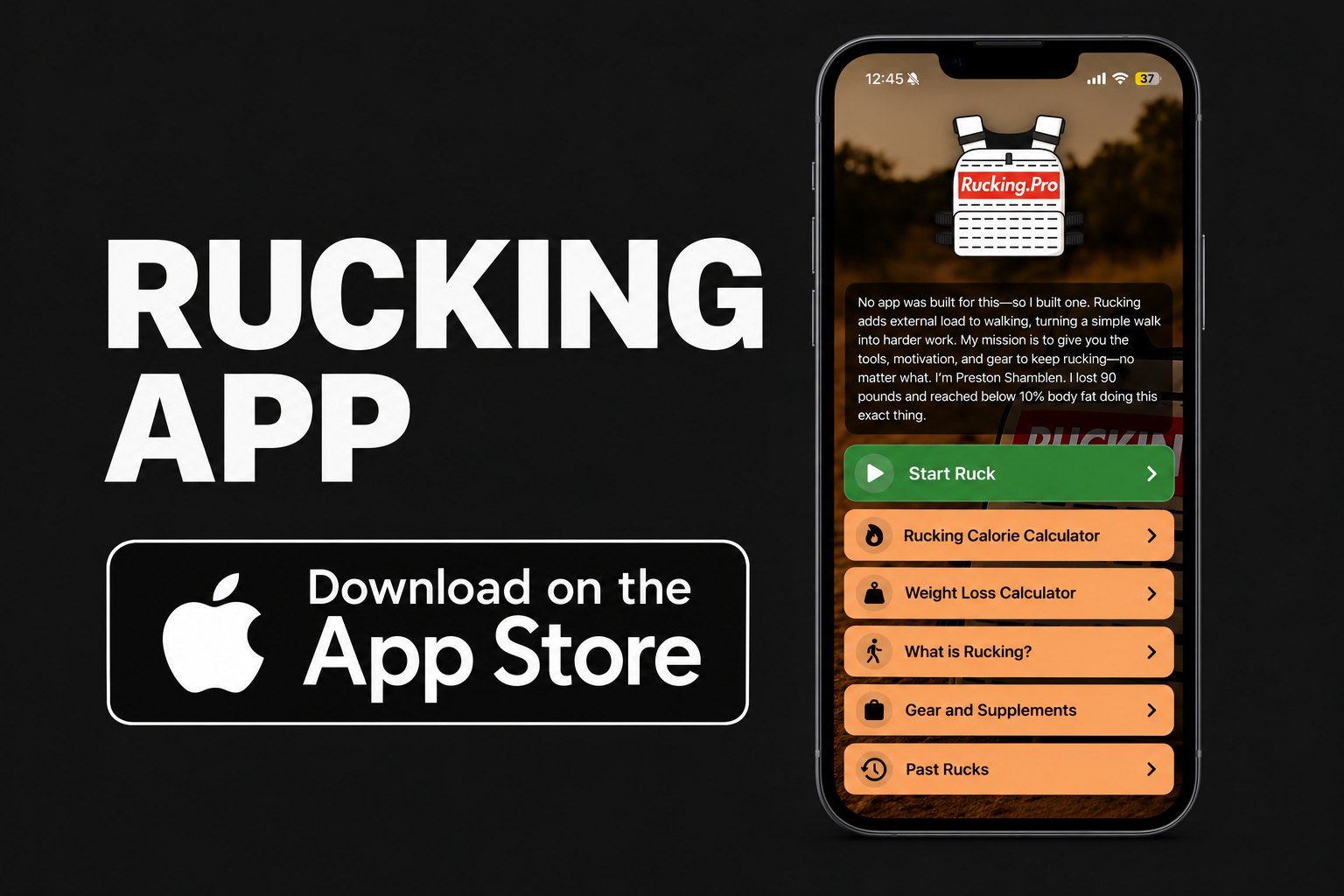
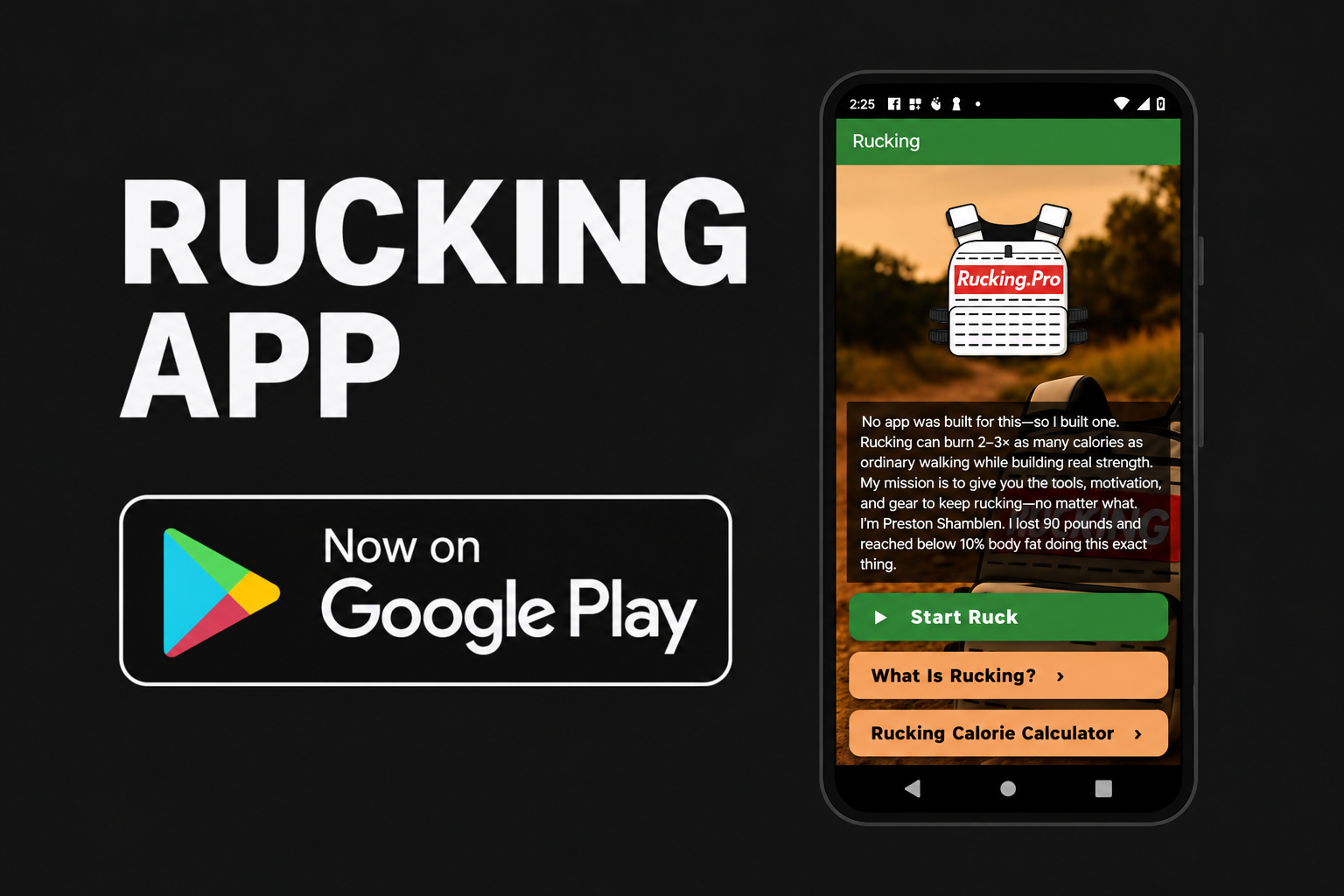
For the walking part of your routine, record total carried weight, route, distance, pace, and time. Compare similar sessions rather than judging progress only by a calorie number. The Rucking app is available for iPhone and Android.

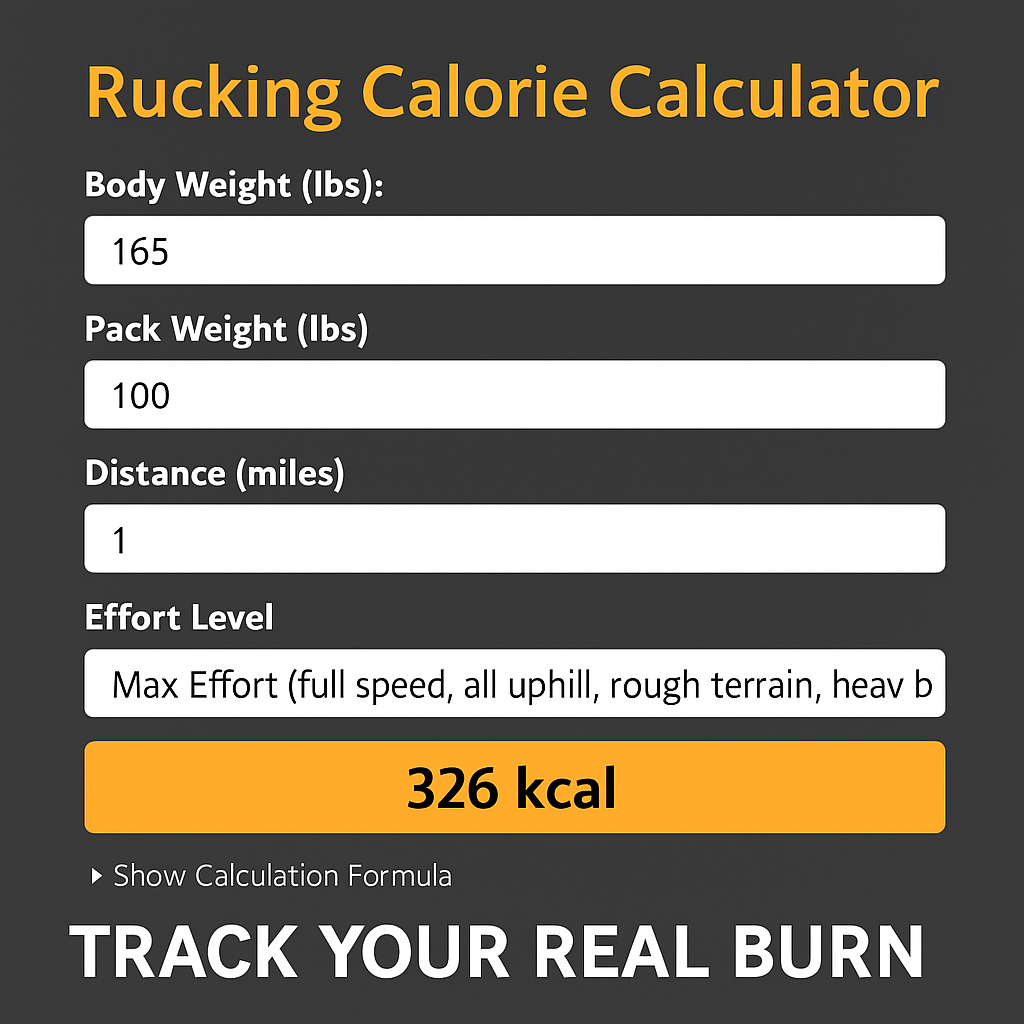
Plan a loaded walk with the Weighted Vest Calorie Calculator or Rucking Calorie Calculator. Use the Rucking Weight Loss Calculator to explore longer-term projections alongside your nutrition plan. These are estimates, not measured energy expenditure or promised weight loss. Walking estimates do not measure a lifting session, mixed WOD, running workout, or therapeutic effect.
Related guide: 5.11 training vest guide.