A weighted ruck vest is a simple way to make walking and hiking deliver more strength and conditioning. By keeping load high on the torso, a vest encourages upright posture, frees your arms, and keeps the weight from bouncing. Here’s how I recommend choosing, fitting, and training with a weighted ruck vest for steady progress without wrecking your joints.
Why a weighted ruck vest instead of a backpack?
- Load stays high and tight: less low-back shear and less sway than many packs.
- Natural arm swing: more efficient stride and better balance on uneven terrain.
- Easy progression: add or remove plates or sand to match the day’s effort.
How to choose the right vest
- Adjustability: Look for shoulder and side straps that cinch securely without pinching.
- Plate compatibility: Standard 8.75–20 lb steel plates fit many carriers; some accept soft weights.
- Breathability: Mesh and venting matter on hot days; sweat has nowhere to go under a solid panel.
- Ride height: A high-riding vest keeps pressure off your belly and hips, improving breathing and cadence.
- Durability: 500–1000D materials and reinforced stitching stand up to outdoor miles.
Two proven options if you’re starting or want a streamlined setup:
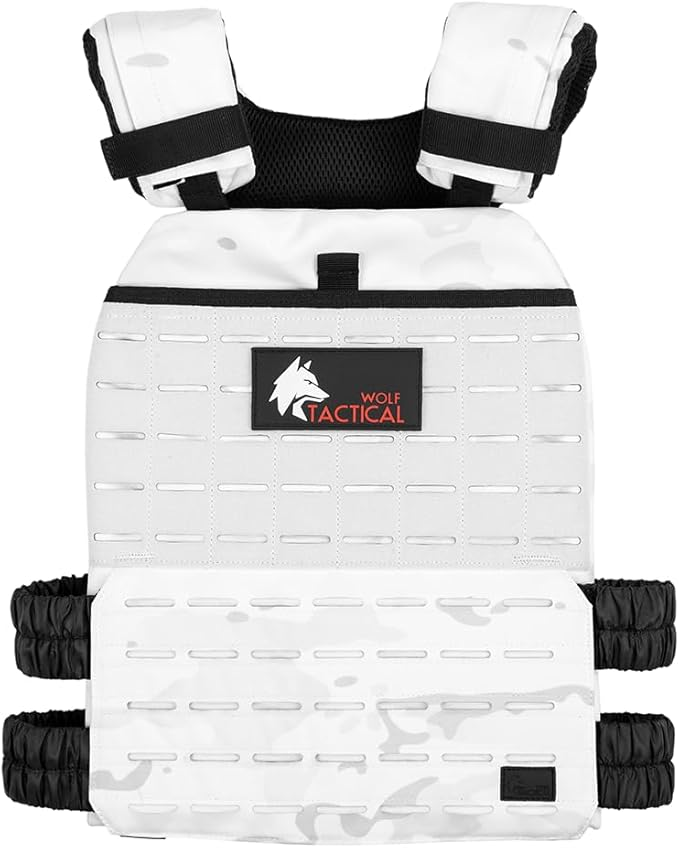
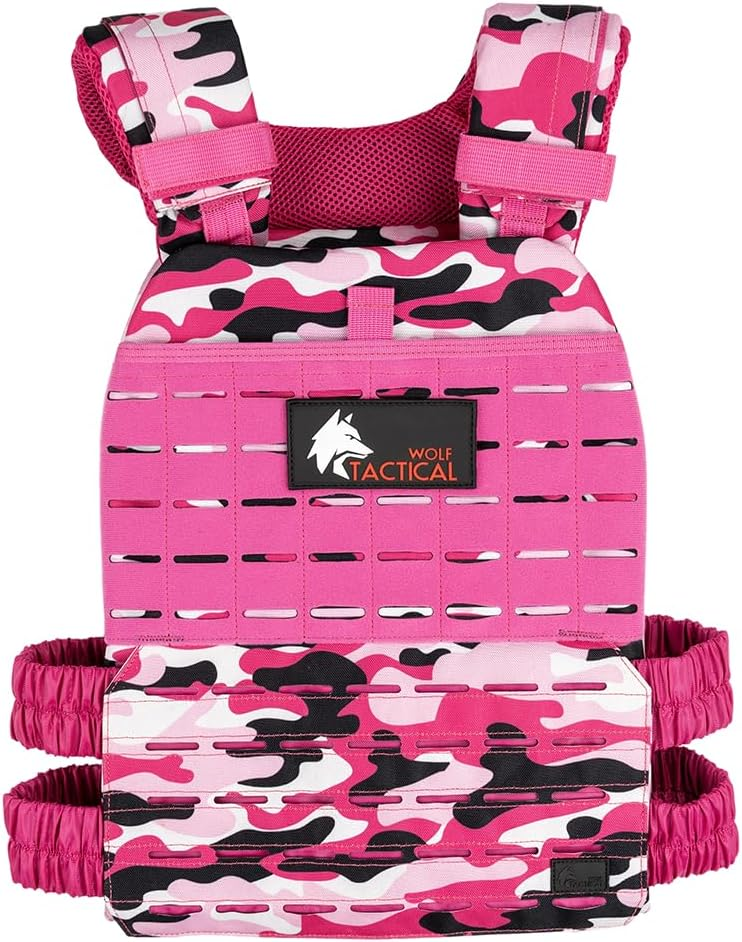
For all-around comfort and easy adjustability, the Wolf Tactical Adjustable Weighted Vest is hard to beat.

If you prefer a compact plate carrier that rides high and won’t bounce, consider the GORUCK Ruck Plate Carrier 3.0.

Fit checklist
- Snug, not suffocating: You should take full breaths without the vest shifting.
- High on the torso: Bottom edge above the belly; no digging into hips.
- Even contact: Check for hotspots at collarbones and lower ribs after 10 minutes.
- No bouncing: If it moves when you jog in place, tighten the side straps a notch.
How much weight to start with
- New to loaded walking: 5–10% of bodyweight.
- Conditioned walkers/ruckers: 10–20% of bodyweight.
- Progression: Add 2.5–5 lb every 1–2 weeks if pace and posture stay solid.
Keep your stride short and cadence brisk. Walk tall, eyes forward, ribs down. On hills, shorten stride further and drive elbows back to keep the vest from tugging you forward.
Simple 4-week progression
- Week 1: 2–3 sessions, 20–30 minutes, flat terrain, conversational pace.
- Week 2: 30–40 minutes; add one gentle hill or 5 x 1-minute brisk intervals.
- Week 3: 40–50 minutes; add 5 lb if posture and recovery are good.
- Week 4: 50–60 minutes; include mixed terrain or 10 x 1-minute brisk intervals.
Estimate your calorie burn
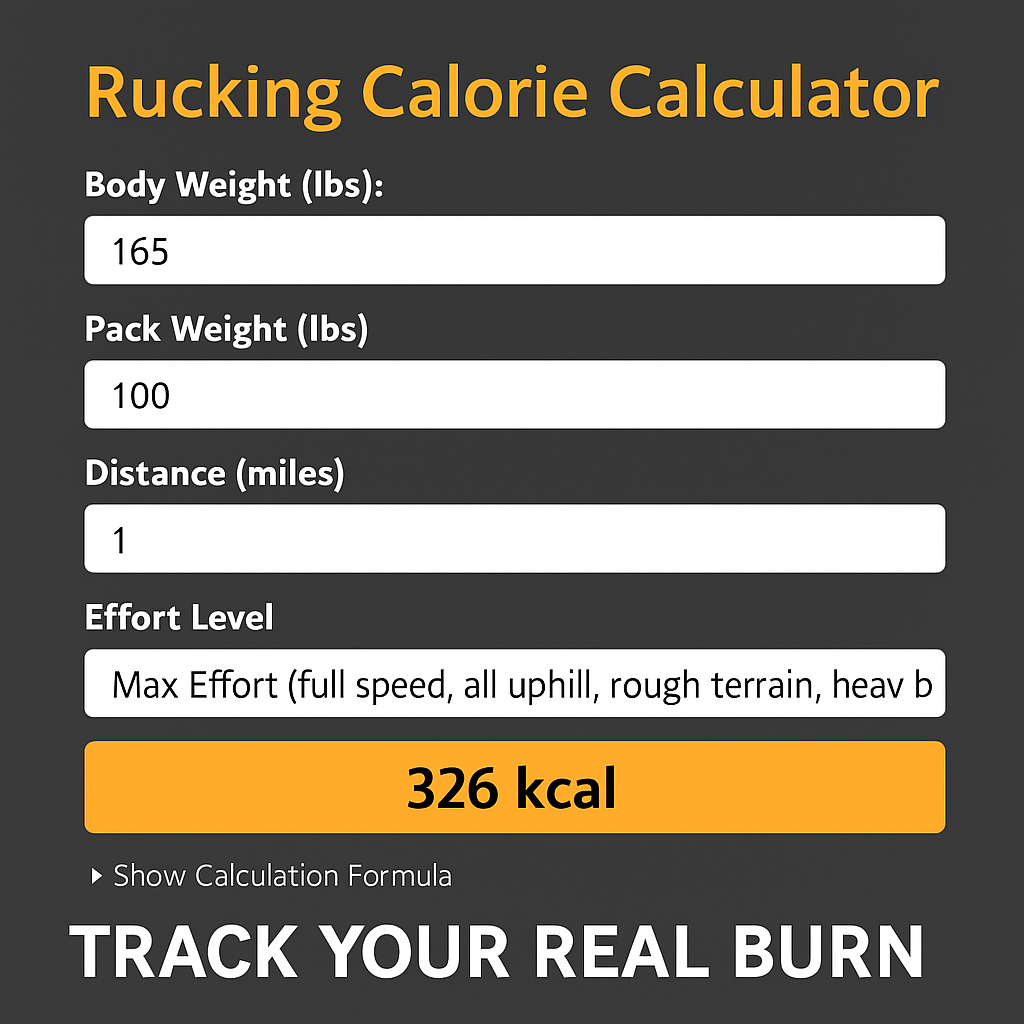
Curious how much energy your weighted ruck vest sessions are burning? Use this tool and dial in distance, pace, terrain, and load for a solid estimate.
Try the Rucking Calorie Calculator

Recovery and safety
- Footwear: Choose supportive shoes with a stable heel; rotate socks to prevent hot spots.
- Pacing: If your form breaks, slow down before you add weight or distance.
- Volume: Cap weekly time increases at ~10–15% to avoid cranky knees and ankles.
- Mobility: 3–5 minutes of calf/hip flexor work post-walk pays back the next day.
Used well, a weighted ruck vest is a low-friction way to build aerobic capacity, legs, and core while keeping training outdoors. Start conservative, progress patiently, and let your posture and recovery be the guide.