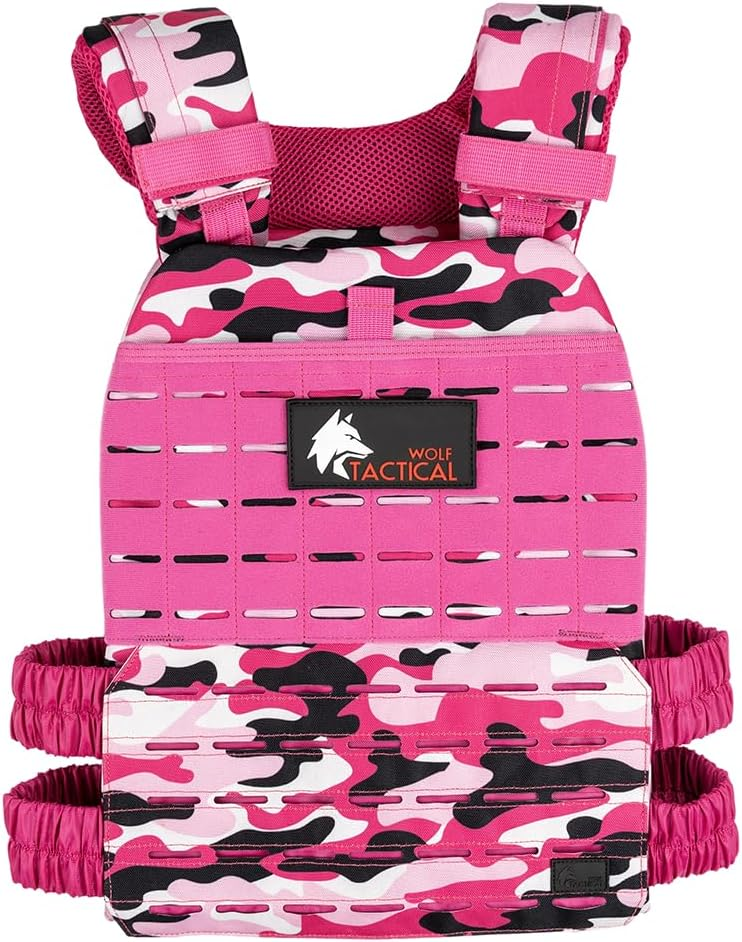
Why choose a slim weighted vest?
A slim weighted vest keeps the load close to your torso, reduces bounce, and improves comfort for long walks, rucks, and daily wear. For many people the slim profile lets you move freely during bodyweight work and keeps heat and chafing to a minimum compared with bulky plate carriers. In practice, that means more consistent sessions and better long-term adherence.
What a slim vest does well
- Stays snug to the body so the weight doesn’t shift.
- Is lower-profile under outer layers for everyday wear.
- Works well for walking, tempo rucks, and interval circuits.
Fit and sizing: the three checkpoints
When choosing a slim weighted vest, check these fit points before you buy:
- Torso contact: The vest should sit flush across the chest and upper back without large gaps.
- Strap security: Fastening points must prevent vertical slippage and micro-shift when you walk or jog.
- Range of motion: Test overhead reach and lateral movement—your vest should not restrict basic movement patterns.
Practical comfort tips
Use thin technical layers under a slim vest to reduce rubbing. If you feel pressure points, add a thin foam pad or wear a compression shirt. Start light—10% of body weight is a reasonable starting point for general conditioning. For many, a slim vest loaded with 10–30 lb gives a clear training stimulus without altering gait.
Training strategies with a slim weighted vest
Design sessions around purpose: endurance, strength, or mobility. Here are simple templates you can use.
- Daily walk/ruck: 30–90 minutes at conversational pace. Slim vests excel here because they stay put and reduce hotspots.
- Short tempo ruck: 20–40 minutes at a brisk pace for calorie and conditioning work.
- Circuit work: Pair bodyweight movements with a vest—push-ups, squats, lunges—to add intensity without complex gear.
Monitor effort and calories
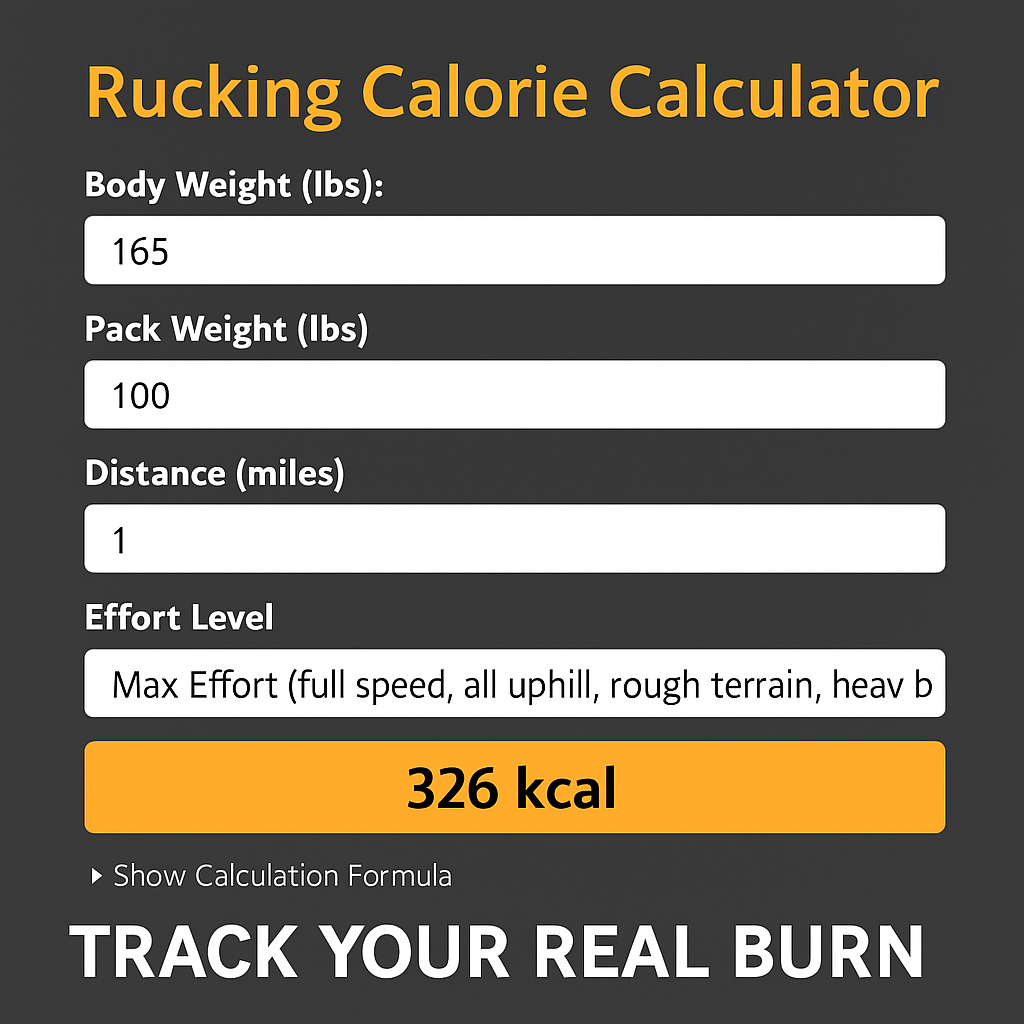
Track how a slim vest changes effort. Small increases in carried load can produce meaningful calorie burn over time. Use the rucking calorie calculator to estimate session energy cost and plan progression. Click the screenshot to open the calculator and plug in your weight, vest load, and pace.

Use that output to set realistic weekly targets: aim for gradual increases in duration or load rather than big jumps.
Product pick for slim-profile training
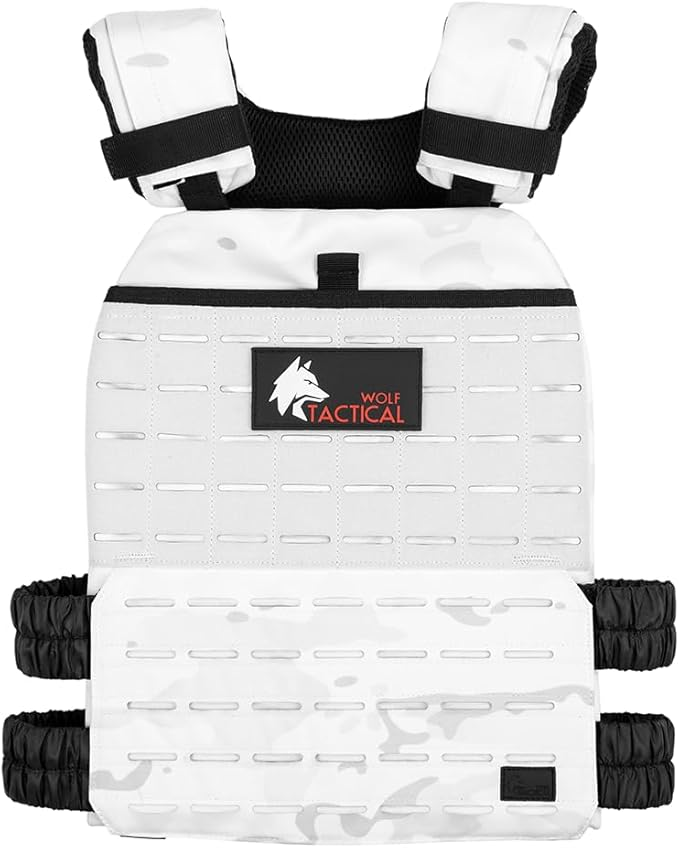
For a slim, beginner-friendly option I recommend the WOLF TACTICAL Simple Weighted Vest—it balances low profile with modular loading and is comfortable for sustained wear.

Final considerations
A slim weighted vest is a practical choice for most people looking to add load without bulk. Prioritize fit, start with conservative weights, and use a calorie calculator to monitor progress. Over weeks, small, consistent increases in time or load will deliver sustainable fat loss and conditioning benefits without high impact or extra joint stress.
Next step
Open the rucking calorie calculator, test a few load scenarios, and choose a starting vest weight. Small, repeatable steps win. Train outdoors, keep sessions consistent, and refine fit until the vest disappears from your mind—then you know it’s right.