What a titan weight vest should do for you
If you’re shopping the market for a titan weight vest or comparing heavy-duty vests, the decision comes down to fit, load distribution, and how you plan to train — rucking, interval work, or strength circuits. A vest that moves, chafes, or sits too high will defeat the purpose: adding consistent resistance without disrupting form.
Key fit and function checks
- Shoulder padding and adjustable straps: prevents hot spots and keeps load low and centered.
- Plate or sandbag compatibility: choose a system that matches your preferred incremental loading.
- Range of motion: arms and torso should move freely for carries, squats, and rucking.
- Durability and warranty: heavy vests are an investment — check seams and materials.
For many people the best practical option is a vest that balances comfort for long walks with secure plates for higher-intensity work. A titan-style vest often means heavy-duty construction; that’s useful, but only if it carries the load in the right place.
How to use a titan weight vest safely
Start light. Your joints and posture adapt to added mass over weeks, not days. Begin at 5–10% of body weight for aerobic rucks and increase 5–10 lb every 1–2 weeks as your technique remains sound. Focus on breathing, cadence, and a steady heel-to-toe gait.
Sample progression (first 8 weeks)
- Weeks 1–2: bodyweight or 5% load, 20–30 minute walks, 3x/week.
- Weeks 3–4: add 5–10 lb, extend to 40 minutes, include light hills.
- Weeks 5–8: increase load as tolerated up to 10–15% bodyweight for steady rucks or higher for short conditioning sets.
Mix in strength days where the vest is used for bodyweight pull-ups, push-ups, or farmer carry variations. If you plan heavy weighted calisthenics, consider a vest with secure plate pockets to keep weight from shifting mid-rep.
Choosing between common vest styles
Soft-fill vests feel comfortable for long duration but can migrate. Plate-compatible vests lock weight into place — better for intense intervals and heavy carries. If comfort and fit are priorities (frequent walking, everyday wear), look at options designed for ergonomics.
Two practical, widely recommended vests to consider:

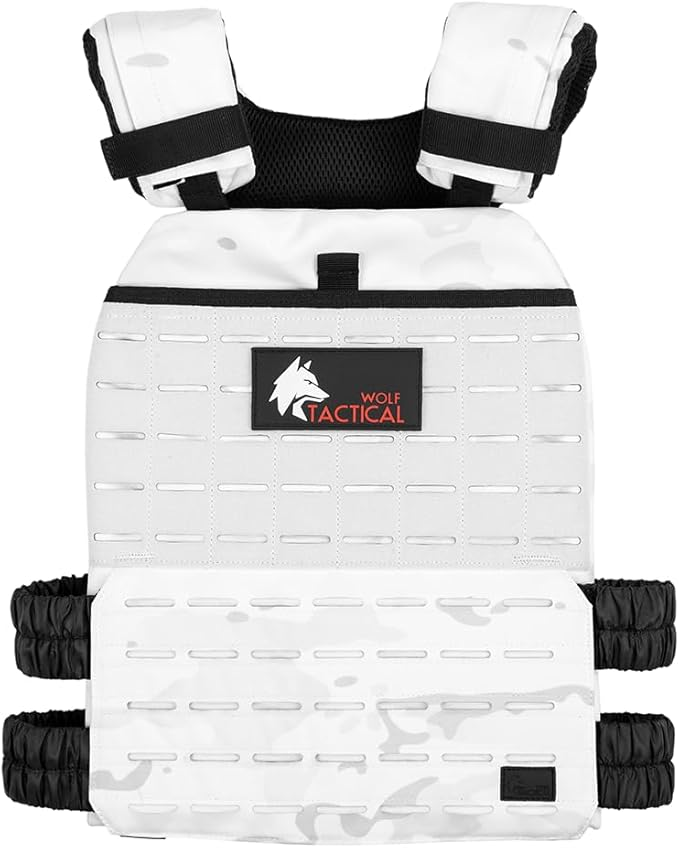
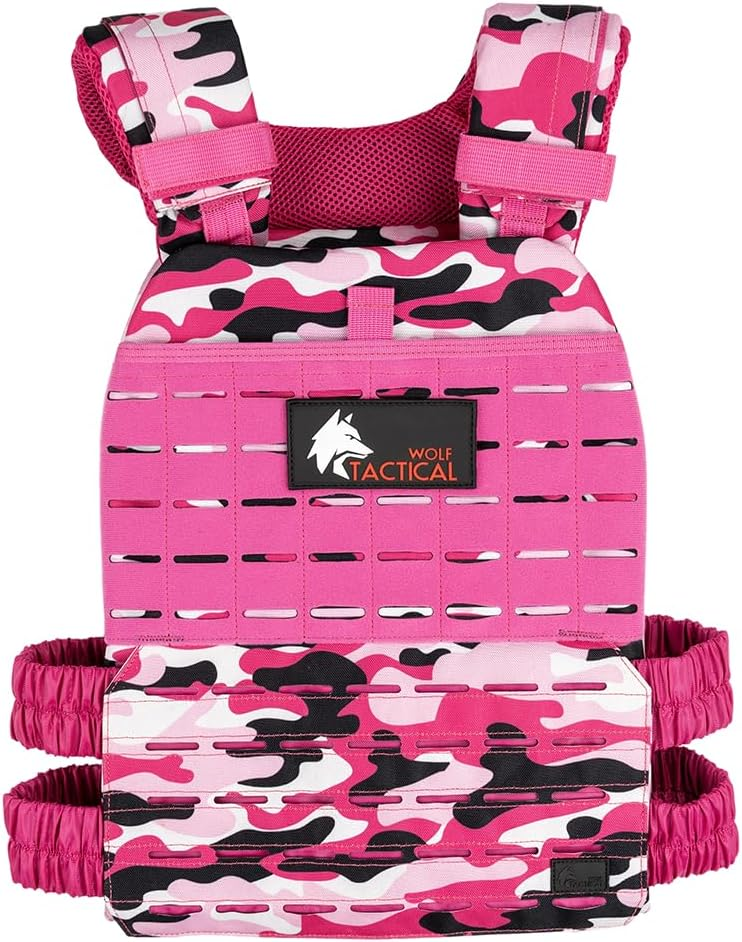
Consider the Wolf Tactical Weighted Vest for fit-first use in long walks and daily conditioning.

The 5.11 TacTec Trainer Weight Vest is a good pick if you want secure plate placement for intervals and calisthenics.
Estimate your calorie burn
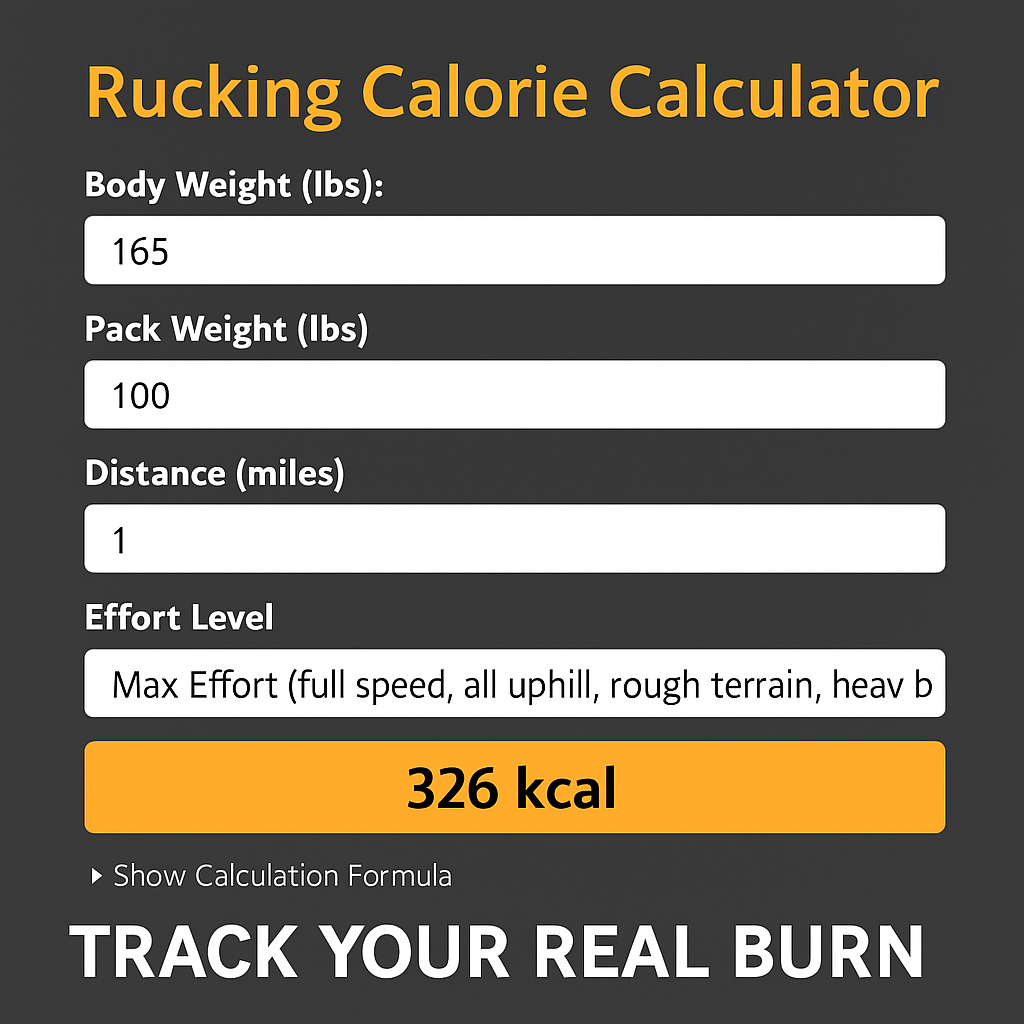
Want to match weight and distance to expected calorie burn? Use the Rucking Calorie Calculator to get a realistic estimate for vested walks and backpack rucks. Enter your weight, pace, distance, and vest load for a tailored burn estimate.

Real results and a simple mantra
I’m Preston Shamblen, ISSA-certified trainer. I lost 90 lbs through consistent rucking, weighted-vest training, and disciplined nutrition; I still recommend weighted vests as one of the most reliable ways to maintain a lower body weight and burn fat consistently. Keep your progression conservative, prioritize form over load, and treat the vest as a tool to add consistent resistance — not as a shortcut.
Quick checklist before you ride out
- Check fit: straps snug, weight centered low on the torso.
- Start conservatively and log how you feel each session.
- Hydrate and include a mobility warm-up for shoulders and hips.
With a proper fit and a steady plan, a titan-style weight vest becomes a durable, versatile tool for cardio, strength, and real-world conditioning.