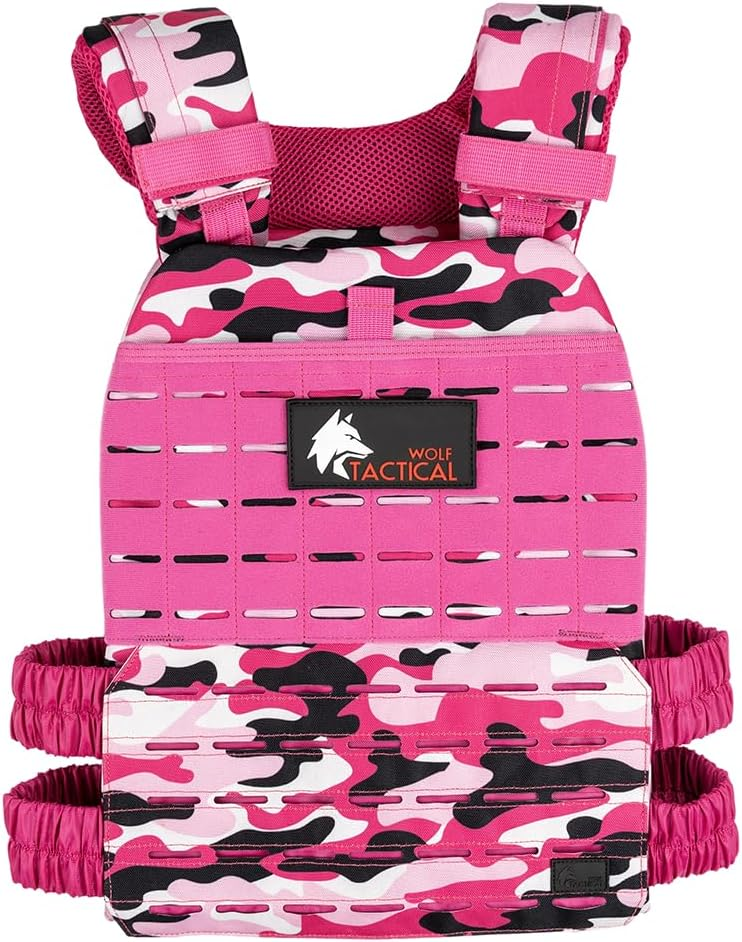
Why choose a heavy weight vest?
Heavy weight vests let you load the body for strength, calisthenics, and rucking without changing movement patterns. For athletes and outdoor trainers who want to build raw load tolerance—pull-ups, weighted push-ups, marches, and loaded carries—a high-capacity vest is the simplest, most versatile tool. In this guide I cover fit, programming, safety, and how to estimate calorie burn for heavy-vest sessions.
Who this is for
Use a heavy weight vest if you have a strong movement baseline (bodyweight chin-ups, stable gait, no chronic back pain) and want to increase training density or practice loaded endurance. If you’re new to load, start with lighter vests and progress methodically.
Fit and selection
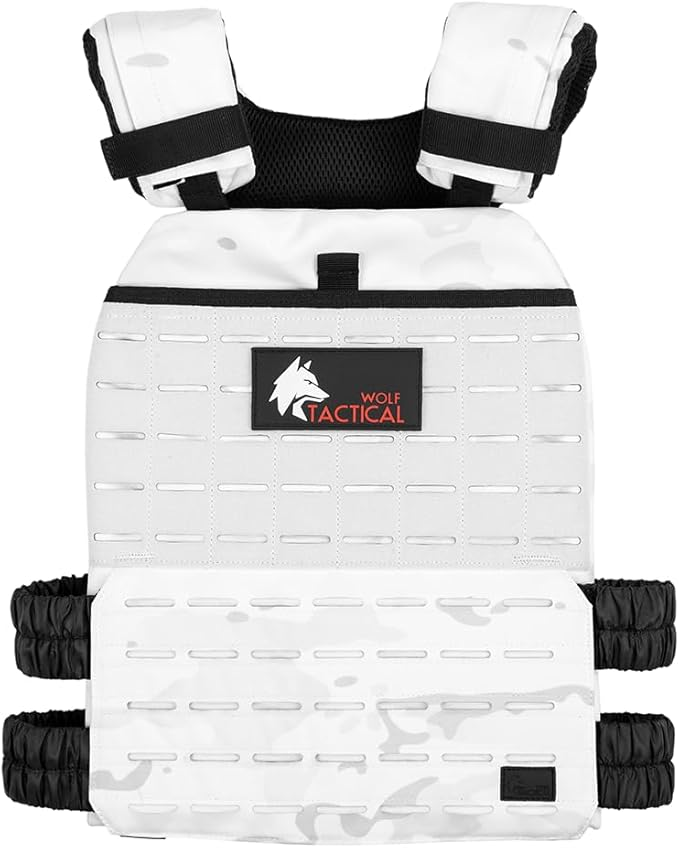
Fit matters as load increases. A heavy vest must sit close to the torso, distribute weight evenly, and not shift during dynamic reps. For truly heavy loading and calisthenics, consider a high-capacity model built for plates and long-term wear:

One option is the Kensui EZ-VEST® MAX V2, which is designed to carry very heavy loads and keep plates close to the body. If you plan to train near maximal loads for weighted calisthenics, choose durability and adjustability over fashion.
Safety and technique
When adding significant external load, prioritize technique and joint care:
- Slow progressive overload—add 5% to 10% total load per week on a single variable, not multiple changes at once.
- Maintain neutral spine—loaded movements magnify poor posture. Keep core braced and hips engaged.
- Use lower rep ranges for very heavy sets (1–6) on strength days and higher reps (8–20) for endurance or conditioning days.
- Warm up joints and perform mobility work for shoulders, thoracic spine, and hips before heavy sets.
Programming examples
Pick one primary goal per session—strength, hypertrophy, or ruck endurance. Here are simple templates:
- Strength day: Weighted pull-ups 5×3, weighted push-ups 5×5, goblet squat 4×6 with vest on for loaded carries.
- Endurance day: 60–90 minute loaded walk with vest at 10–20% bodyweight, steady pace, focus on consistent breathing.
- Conditioning: 8–12 rounds of 60s on / 60s off: burpees, vest rows, farmer walks. Keep load moderate to maintain quality.
Estimate calories burned
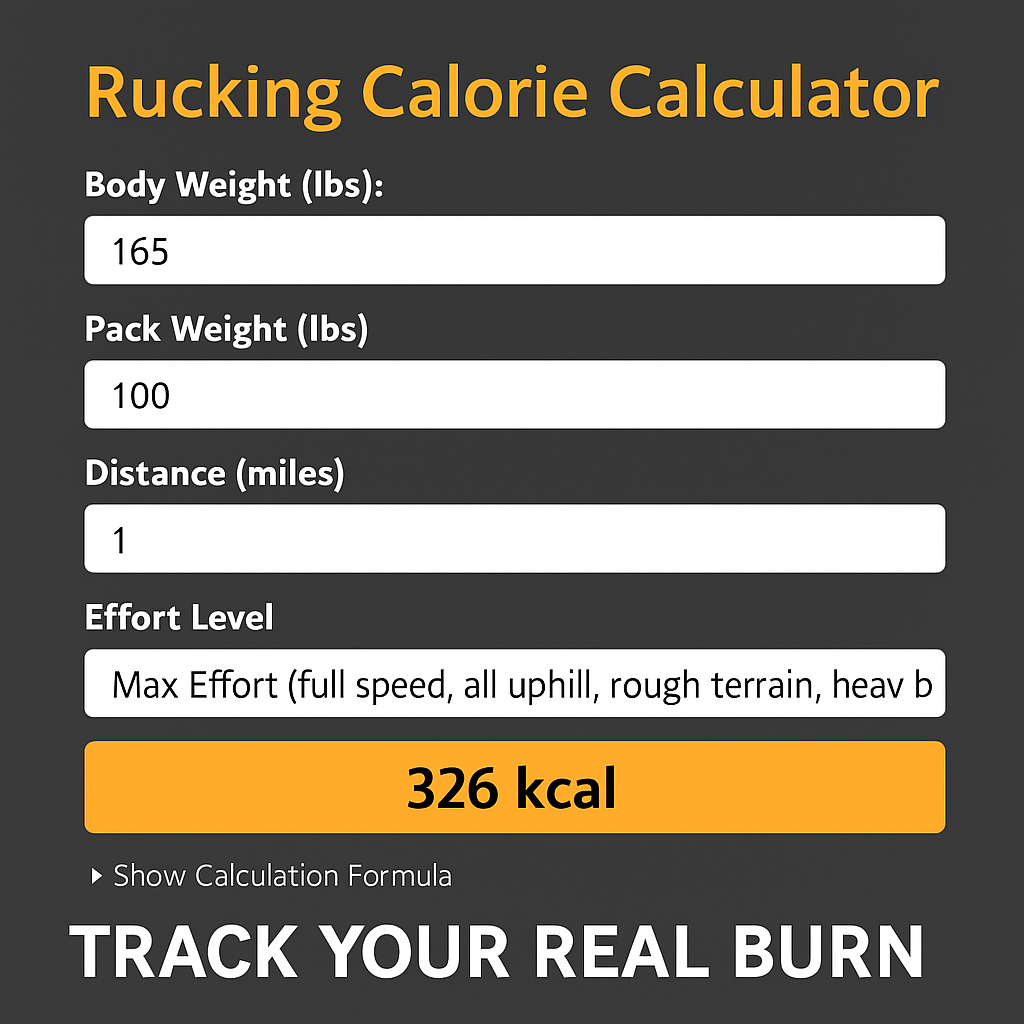
Estimating calorie burn with a heavy weight vest helps plan recovery and nutrition. Use the Rucking Calorie Calculator to quickly estimate output for walks, rucks, and weighted sessions. It’s the same tool I use to plan client sessions and to dial in calorie targets for fat loss or maintenance.

Click the calculator image to enter body weight, pace, distance, and vest load. Use the output as a baseline and adjust based on perceived exertion and actual weigh-ins.
Practical tips from the field
Start every heavy-vest phase with two easy weeks to let tendons adapt. Mix unloaded mobility/drill days to keep nervous system freshness. Hydrate early and monitor sleep—recovery matters more when you add external mass. As an ISSA-certified trainer who lost 90 lbs through rucking, weighted-vest training, and disciplined nutrition, I still recommend heavy, properly used vests as a time-efficient way to increase training horsepower while controlling caloric balance.
Quick checklist
- Choose a vest that keeps load close to the body and is adjustable.
- Progress slowly and prioritize form.
- Use the Rucking Calorie Calculator to estimate energy cost and plan nutrition.
- Rotate intensity: strength, endurance, and recovery weeks.
With careful selection and programming, a heavy weight vest becomes a durable tool to build strength, improve endurance, and control body composition. Train smart, respect load, and track results.