Why choose a 5.11 training vest for rucking and weighted walking?
The 5.11 training vest is built for people who want a close-fitting, low-profile loading vest that stays stable during walking, intervals, and calisthenics. If you want to add load without the bulk of a backpack, this vest offers a predictable weight distribution that minimizes bounce and friction on long outings.
Who benefits most from the 5.11 training vest?
Use this vest if you want:
- Low-profile weighted conditioning for walks and runs
- Stable load during bodyweight work and mobility drills
- Adjustable capacity for progressive overload
For a straightforward option, I recommend the 5.11 Tactical Unisex TacTec Trainer Weight Vest for most users who prioritize comfort and a range of loading options.

Fit, load, and comfort checklist
Getting the right fit matters more than max capacity. Use this practical checklist before you head out:
- Snug but not restrictive: the vest should sit close to your torso with straps tightened so it doesn’t shift.
- Layer over a moisture-wicking shirt to avoid chafe during longer walks.
- Start light: add 5–10% of bodyweight the first few sessions, then progress in 2–5 lb increments.
- Check mobility: overhead reach and spinal rotation should feel stable, not pinched.
Programming ideas for the 5.11 training vest
Simple, repeatable sessions scale well with this vest. Try these formats:
- Walks: 30–60 minutes steady-state with a light load for fat loss and conditioning.
- Intervals: 10 rounds of 1 minute fast march / 1 minute easy with a moderate load.
- Strength circuits: bodyweight squats, push-ups, and lunges while wearing the vest for 3 rounds.
Track your calorie burn with one quick calculator
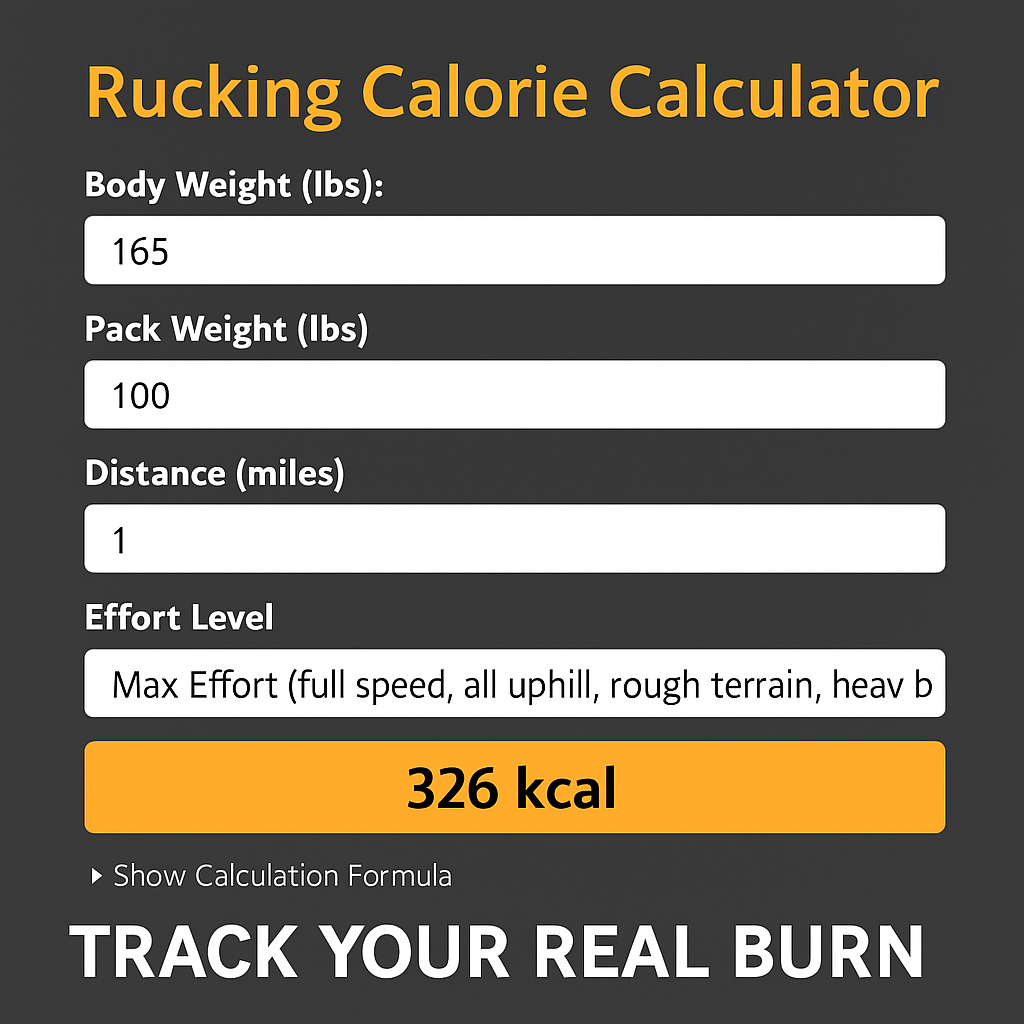
Estimate calories burned wearing a weighted vest using the rucking calorie calculator linked below. It’s tuned for weighted walking and ruck-style efforts, and helps you plan sessions around goals.

Use the calculator, enter your bodyweight, vest weight, pace, and duration to get a realistic estimate you can use for weekly planning.
Common issues and fixes
Here are practical fixes I use in the field:
- Chafe: add a thin base layer or anti-chafe balm.
- Vest ride-up: tighten the shoulder straps and consider sternum strap adjustment.
- Hot weather: reduce load and increase hydration frequency; keep sessions shorter and check exertion.
Final practical tips
Train progressively, treat the vest as added resistance rather than a replacement for good technique, and record session load and feel after each outing. If you want a user-friendly, rugged option tuned for conditioning and mobility work, the 5.11 TacTec Trainer Weight Vest is a solid place to start.
Keep your goals simple: consistent walks, incremental load, and adequate recovery. That approach wins more consistently outdoors than chasing the heaviest kit you can buy.