Why the Harkla weighted vest matters for real-world training
The Harkla weighted vest is often recommended for sensory and therapeutic use, but many outdoor athletes and ruckers ask whether it works for walking, fat loss, and general conditioning. This guide focuses on real-world fit, safety, and how to use a Harkla-style vest safely during walks, short rucks, and everyday movement.
Key fit and construction points
A well-fitting vest keeps load close to your center of mass and avoids bouncing or shoulder strain. When evaluating a Harkla weighted vest or similar designs check for:
- Adjustable straps to secure the torso without pinching.
- Even weight distribution—small dense pockets beat a single heavy plate.
- Materials that breathe; long walks generate heat and sweat.
How to use a Harkla weighted vest for walking and short rucks
Start conservative. For most beginners the goal is consistent work, not maximum load. A common progression looks like this:
- Week 1–2: 5–10% of bodyweight for 20–30 minute walks, focusing on posture and cadence.
- Week 3–6: Move to 10–15% of bodyweight, extend sessions to 45–60 minutes, or add easy hills.
- Beyond week 6: Gradually add weight or distance, but keep at least one recovery day per week.
Pay attention to shoulder or low-back irritation—those are signs to reduce weight or adjust fit.
Practical benefits and limitations
Benefits: a Harkla-style vest can improve daily calorie burn, strengthen postural muscles, and provide a predictable, low-impact loading stimulus. Limitations: therapeutic vests may not be designed for heavy dynamic movement; if you plan to do heavy calisthenics or military-style rucks, choose a vest or plate carrier rated for higher loads.
Simple checklist before you step outside
- Check fit: no pinching at shoulders or armpits.
- Start light and increase by 1–2 pounds every 1–2 weeks based on comfort.
- Hydrate, use sun protection, and choose routes with easy exits if you need to remove the vest quickly.
Recommended beginner-friendly option
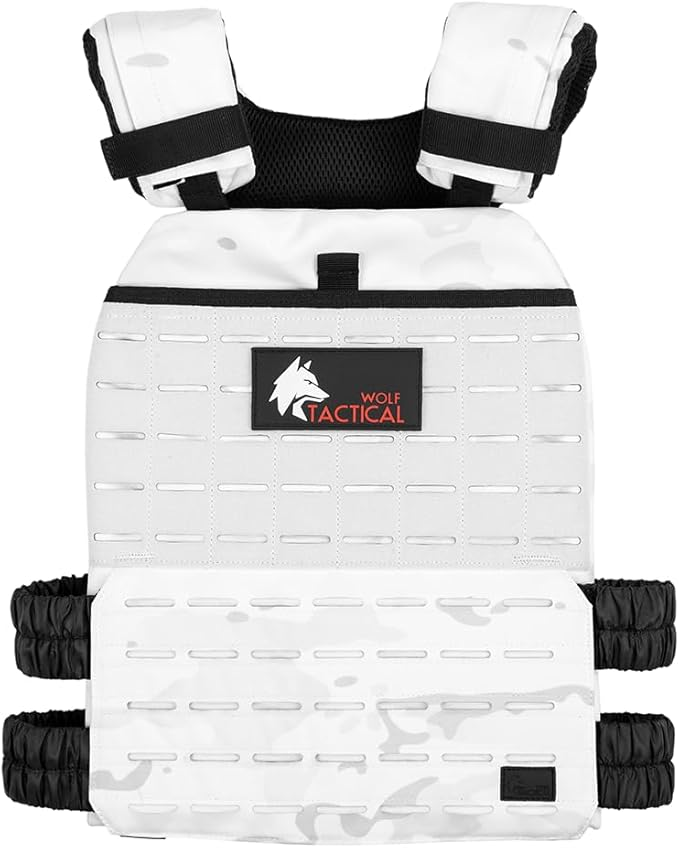
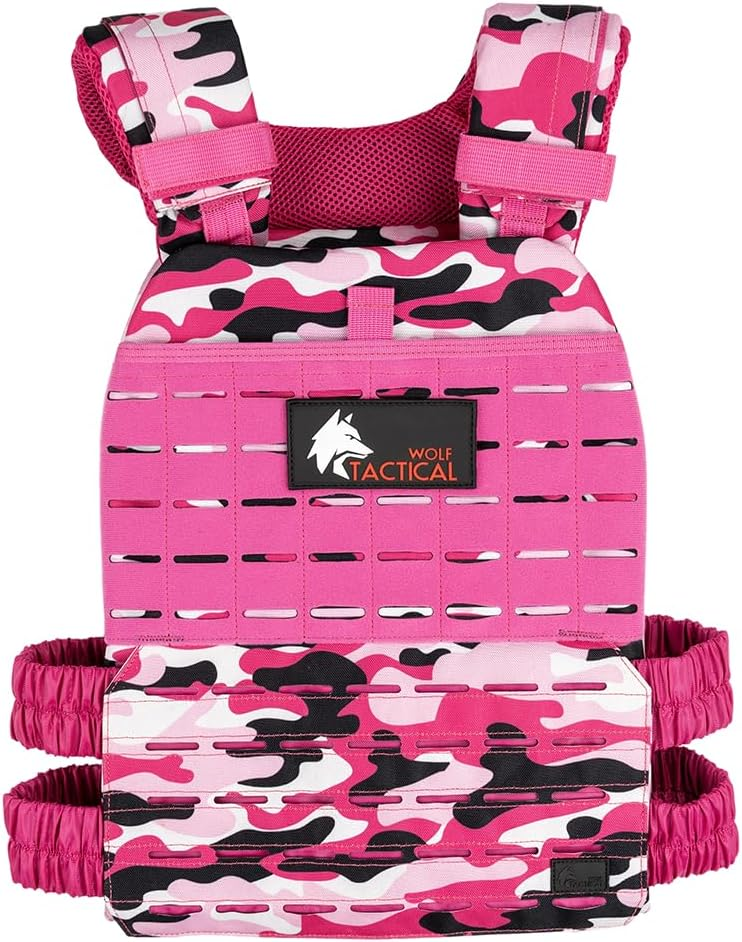
For people using a Harkla-type vest as a daily tool I often advise a comfortable, adjustable model that limits bounce and allows small incremental loading. The Wolf Tactical Simple Weighted Vest (Men/Women) is an affordable entry point with modular weight pockets and a slim profile.

Estimate calorie burn quickly
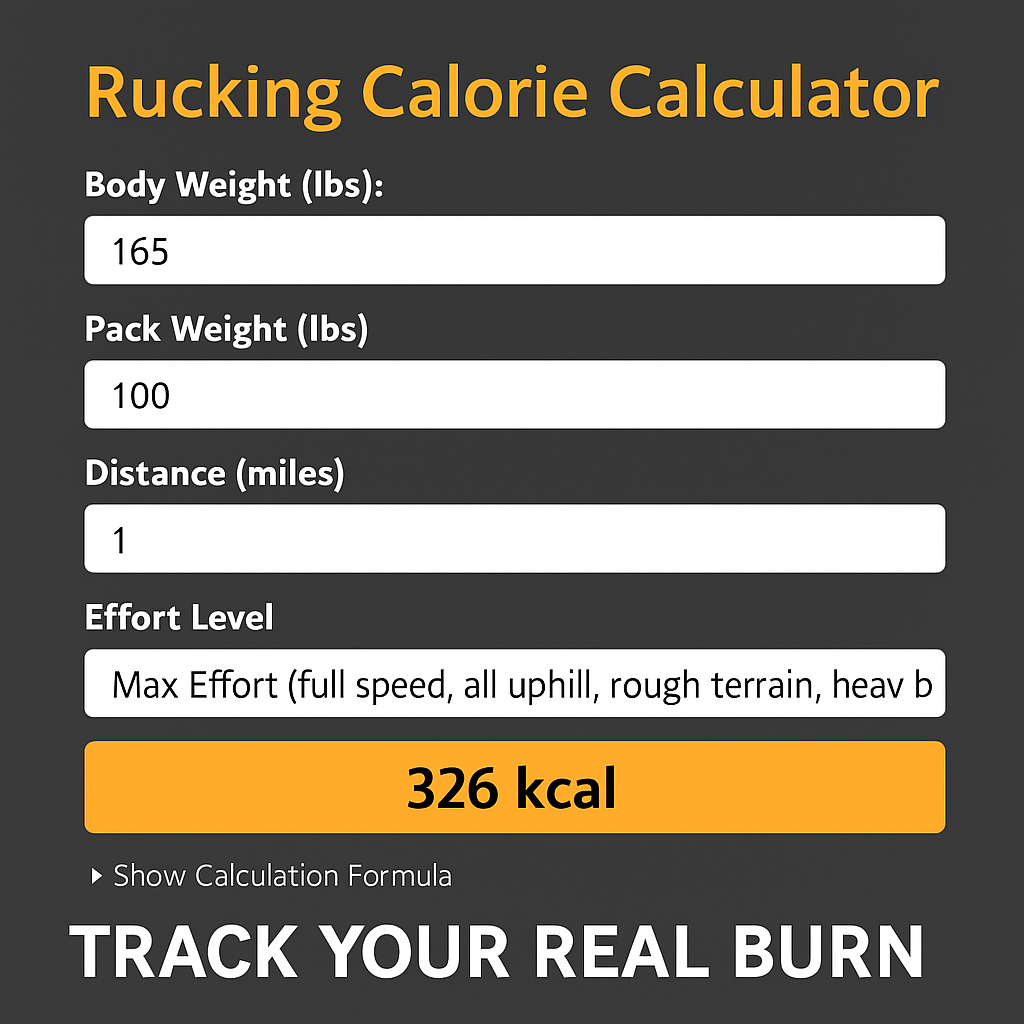
If you want to see how adding a vest changes calorie burn, use the rucking calorie calculator. It works for weighted vests and short load-carrying walks—enter your weight, walking pace, and vest load to get a straightforward estimate.

Final coaching notes
Use the Harkla weighted vest purposefully: choose load for consistent progression, not maximum discomfort. Track distance, pace, and how your body feels. If you experience persistent pain or numbness, stop and reassess fit or consult a physical therapist. With modest, steady progress, a therapeutic-style vest can be a practical tool for daily conditioning and increased calorie burn.