Why consider a Bulldog Gear weighted vest?
The Bulldog Gear weighted vest is a solid choice if you want a no-frills, durable load for rucking, walking, or bodyweight progressions. This guide focuses on fit, comfort, and how to use the vest efficiently for fat loss and strength without overcomplicating your training. I write from an outdoor-first training perspective and practical experience with weighted-vest protocols.
Key features to evaluate
- Fit and adjustability — a stable load is a safe load. Look for straps that lock the vest to your torso without shifting during stride.
- Material and durability — reinforced stitching and abrasion-resistant fabric matter if you write long miles or carry heavy plates.
- Weight distribution — even plate pockets or sewn-in weights reduce bounce. Test with a 10–20 minute movement session before committing.
- Breathability — consider lining and airflow for hot-weather rucks.
Practical fit and sizing tips
When sizing any weighted vest, including Bulldog Gear, aim for a snug torso fit. Too loose and the vest shifts; too tight and you restrict breathing. Try these steps:
- Put the vest on with the weight you plan to train in. Walk and perform a few bodyweight squats to check for movement.
- Adjust the shoulder and waist straps so the vest sits centered over your chest and upper back. The bottom edge should not hang below your hips.
- If you ruck, test the vest with a light pack or a hydration bladder to ensure compatibility with other load-carrying gear.
How to program workouts with a Bulldog Gear weighted vest
Start with frequency and progressive overload:
- Begin with 2–3 weighted sessions per week—shorter, quality sessions beat long, sloppy ones.
- Use a mix of steady-state rucks and interval-style walks or hill repeats for efficient calorie burn and conditioning.
- Increase weight in small increments (5%–10% of vest load) once your movement quality remains solid for two consecutive sessions.
Tools and calculators
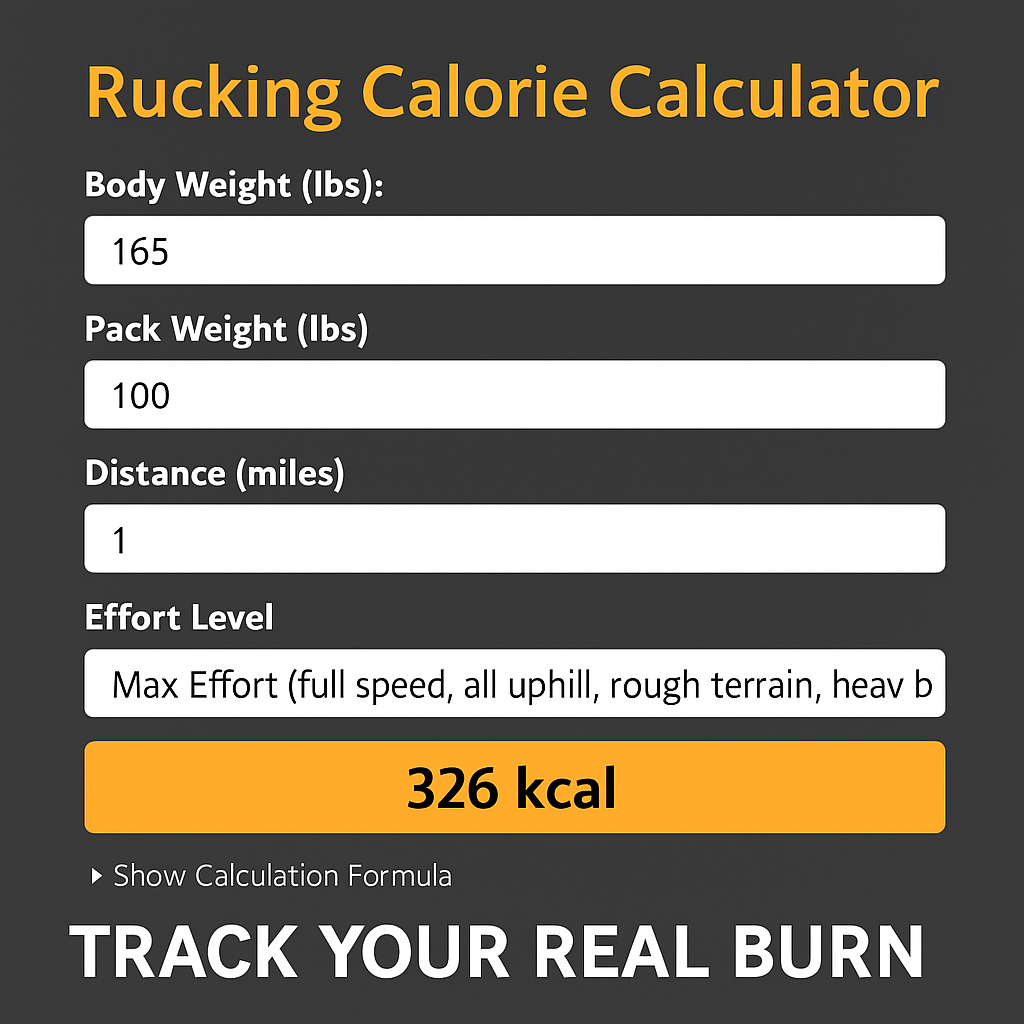
Estimate calorie burn for a weighted walk or ruck with the Rucking Calorie Calculator. It helps you plan nutrition and recovery around your vest work.

Use that calculator to compare sessions—short, heavier walks can match the calorie cost of longer, lighter ones when intensity and load increase.
Product alternatives and complements
If you want a beginner-friendly, adjustable option similar to Bulldog Gear, consider these vetted alternatives:

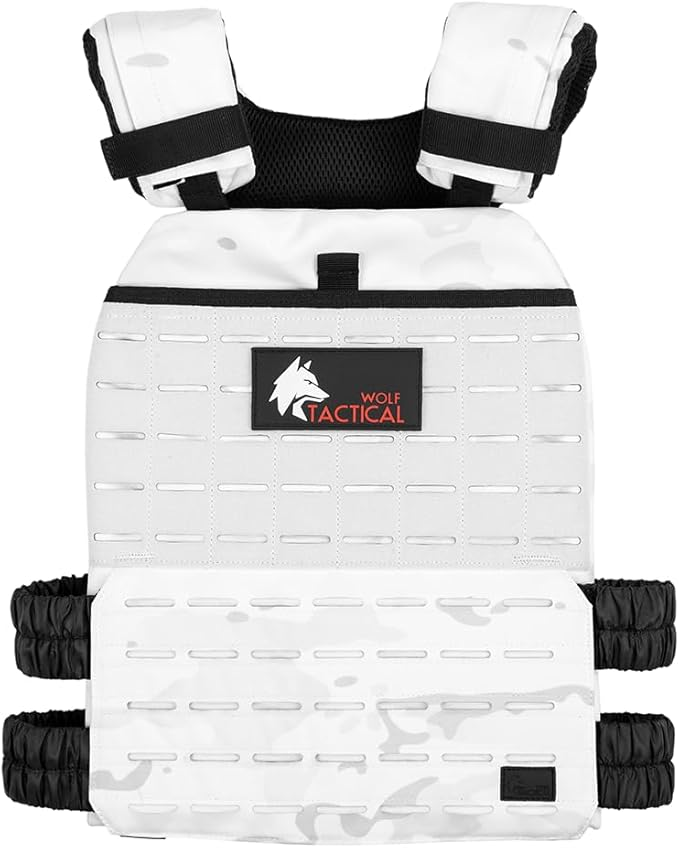
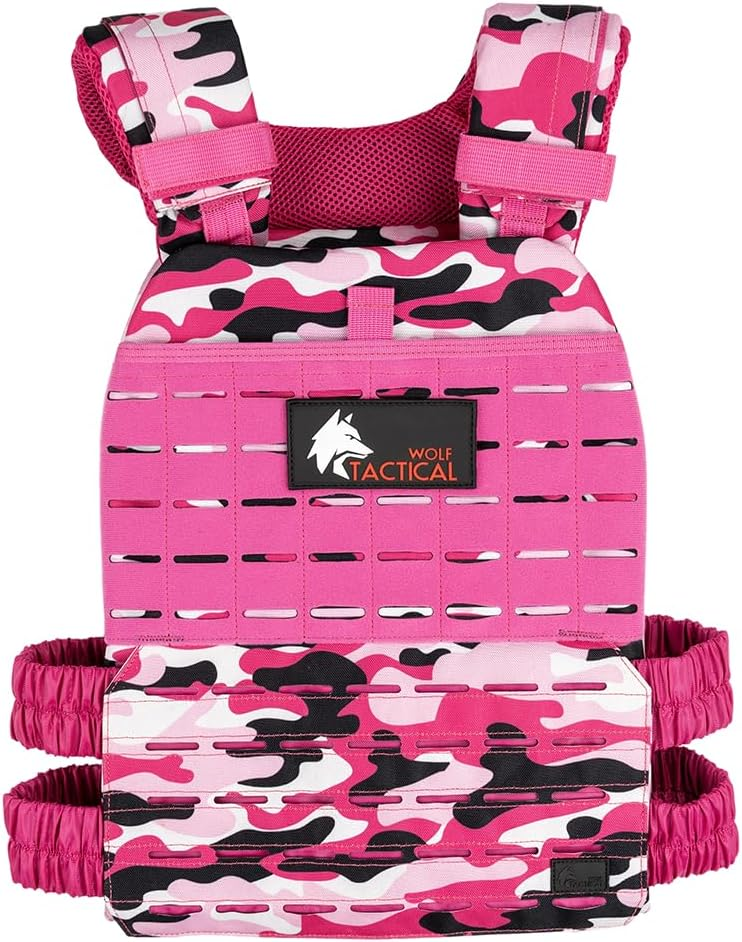
Read user fit notes and compare sizes for the WOLF TACTICAL Simple Weighted Vest before buying.

The 5.11 TacTec Trainer Weight Vest is better for calisthenics and heavier loading if you expect to progress beyond basic weighted walks.
Quick safety checklist
- Prioritize movement quality over adding weight—poor mechanics increase injury risk.
- Stay hydrated and use appropriate footwear for rucking or long walks.
- Listen to your body. Deload one week every 4–6 weeks or when soreness accumulates.
Final note
Bulldog Gear weighted vest can be a reliable, no-nonsense option if it meets your fit and durability needs. Use the Rucking Calorie Calculator to estimate burn, compare fit against Wolf Tactical or 5.11 if you want extra adjustability, and progress methodically. As a trainer, I emphasize steady increases and consistent practice over chasing heavier loads quickly.