Rogue 5.11 vest — what to expect for rucking and training
The phrase “Rogue 5.11 vest” usually comes up when folks ask whether a duty-style plate carrier or a commercial training vest is better for rucking, weighted walks, and functional conditioning. This guide cuts through the hype and focuses on fit, durability, and how those choices affect comfort and calorie burn on the trail.
Key differences: Rogue-style carriers vs. 5.11 TacTec vests
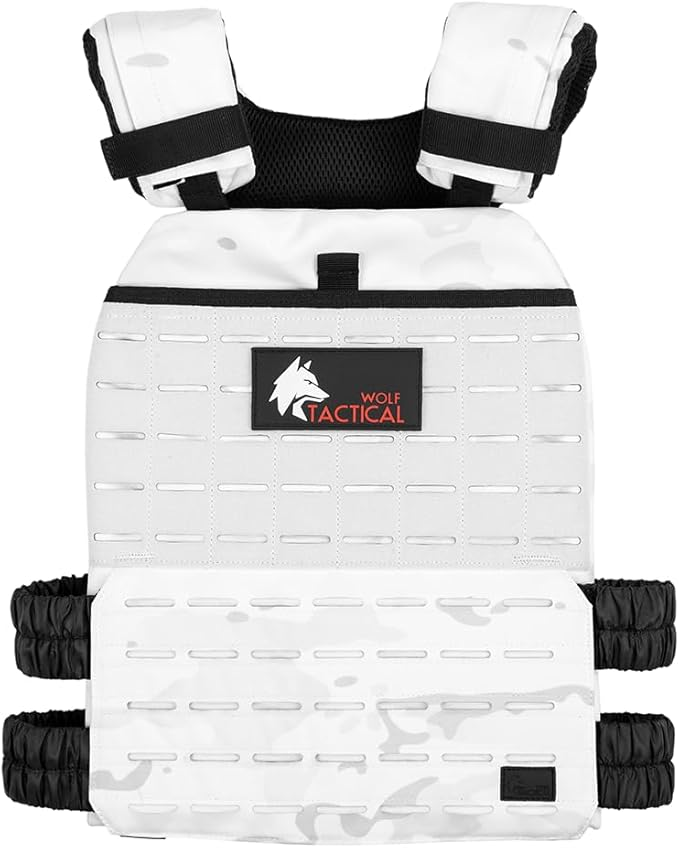
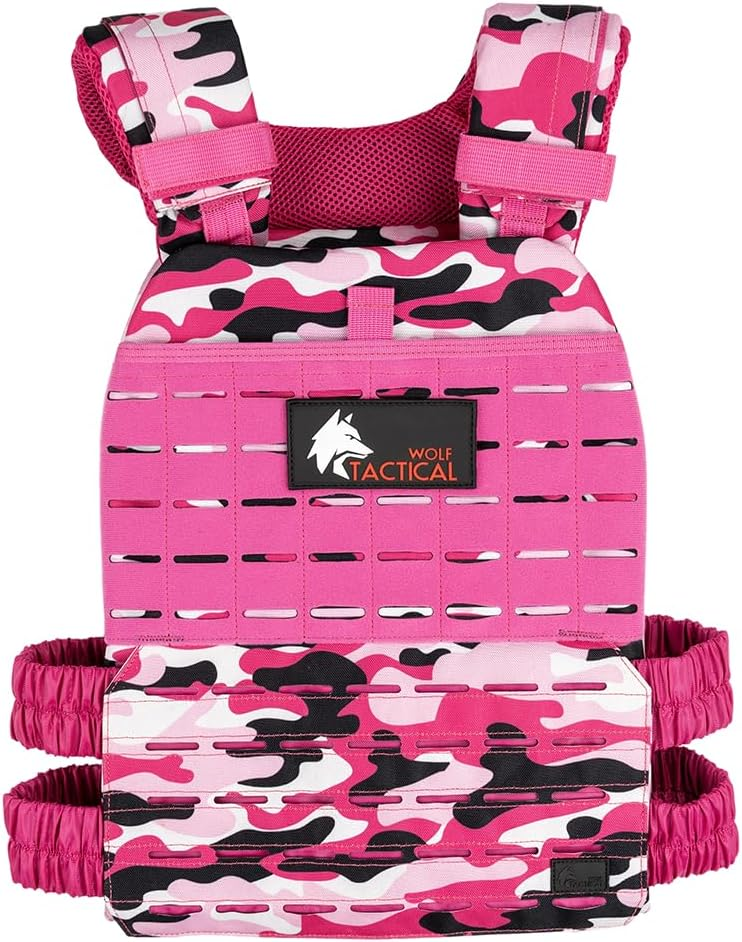
Rogue-style carriers and dedicated training vests have different priorities. A tactical or plate carrier favors modularity and plate protection, while something like the 5.11 Tactical Unisex TacTec Trainer Weight Vest is designed for balanced weight distribution and repeated movement for fitness sessions.

Fit and comfort checklist
When evaluating any vest for rucking or weighted walking, check these points in order:
- Shoulder padding and adjustability — are the straps slipping or digging in when the load shifts?
- Torso coverage — does the vest sit on your ribcage or lower back? For walking, lower and centered is usually more comfortable.
- Plate/weight placement — heavy plates should be close to your spine and not pendulous at your sides.
- Breathability and chafe points — real-world rucks mean sweat; mesh panels and smooth seams matter.
- Capacity and modularity — do you want plate pockets, soft weights, or both?
Rucking mechanics with a vest
Weighted vests change your gait and posture. A properly fitted 5.11 TacTec-style training vest keeps weight centered so you maintain an efficient stride and reduce low-back torque. A bulkier Rogue-style carrier with plates can also work, but you’ll want careful attention to harness fit and hips for long walks.
How heavy should you go?
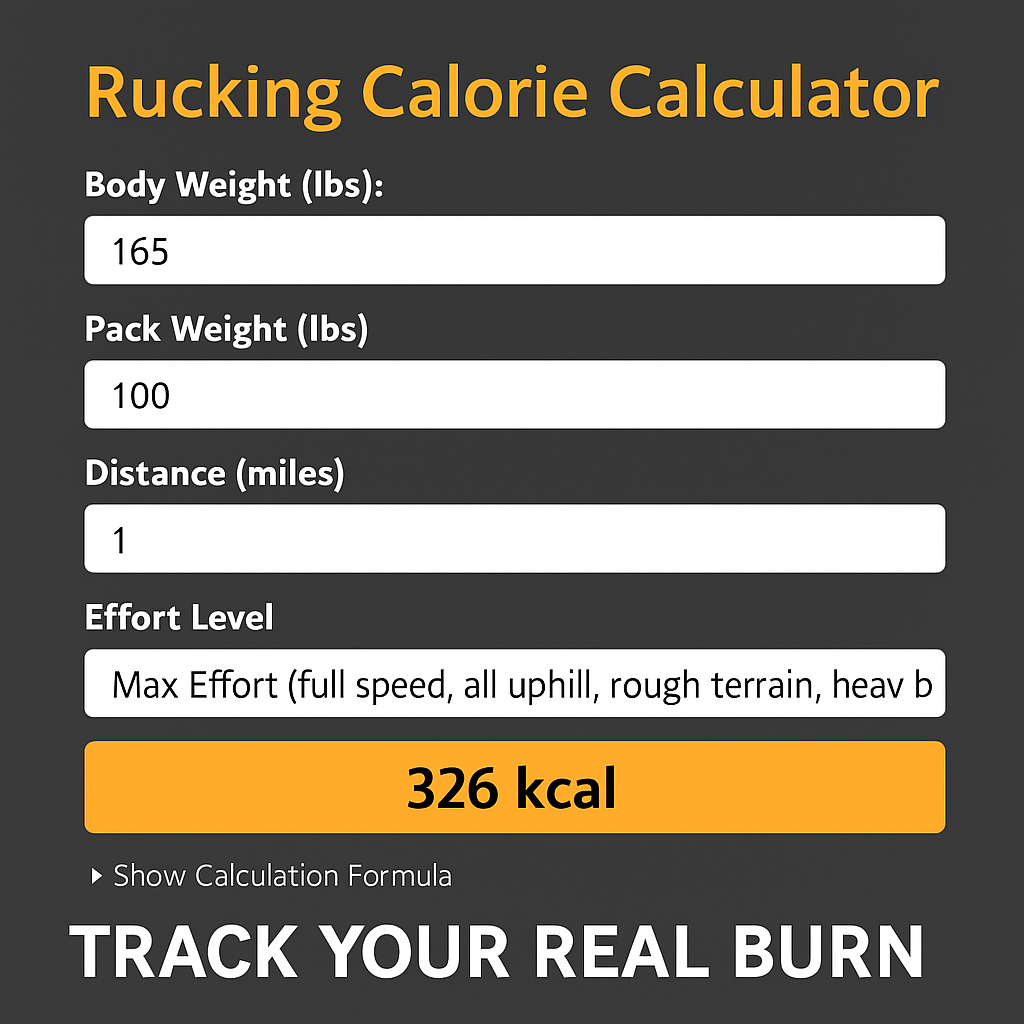
Start light and progress. For many walkers, 5–15% of bodyweight in a snug training vest is a safe starting point; stronger, conditioned ruckers progress to 20% or more as long as form and recovery track with load. If you want precise calorie estimates for a given walk, use the rucking calorie calculator below to size your sessions and set realistic progression goals.
Calculate estimated burn
Use the rucking calorie calculator to plug in weight, vest load, and pace. It gives a practical baseline so you know whether a 30– or 60-minute session meets your goals.

Open the calculator, enter your bodyweight and load, and you’ll get an estimate to plan your weekly workload and recovery.
Practical purchase advice
If your priority is repeatable fitness (walks, intervals, calisthenics), favor a training vest like the 5.11 TacTec for comfort and plate placement. If you’re building toward heavy, mission-style loads or adding armor, a Rogue-style carrier makes sense — but test fit and padding thoroughly. I recommend trying a vest with soft weights first, then moving to plates once your gait and posture handle the load.
Closing, from my experience
I’m Preston Shamblen, ISSA-certified personal trainer. I lost 90 lbs through rucking, weighted-vest training, and disciplined nutrition, and I still recommend training vests as one of the most reliable tools to maintain a lower body weight and burn fat consistently. Choose a vest that encourages consistent use — that’s the real win.
Tags: weighted vest, 5.11, rucking