Why use a weight jacket for running?
Adding external load with a weight jacket is one of the most efficient ways to increase intensity without changing pace. Done correctly, it improves strength endurance, increases calorie burn, and preserves running mechanics more than clumsy backpacks do. This guide covers safe loading progressions, fit and comfort, pacing adjustments, and a simple way to estimate the added calorie cost of wearing a vest while you run.
Key principles before you put weight on
- Start light: begin with 2–5% of bodyweight and progress slowly.
- Prioritize form: keep cadence, posture, and breathing intact before adding weight.
- Short sessions first: use the vest for 10–20 minute runs and build time.
- Recovery matters: weighted running is more taxing—don’t ignore sleep and nutrition.
Choosing the right vest for running
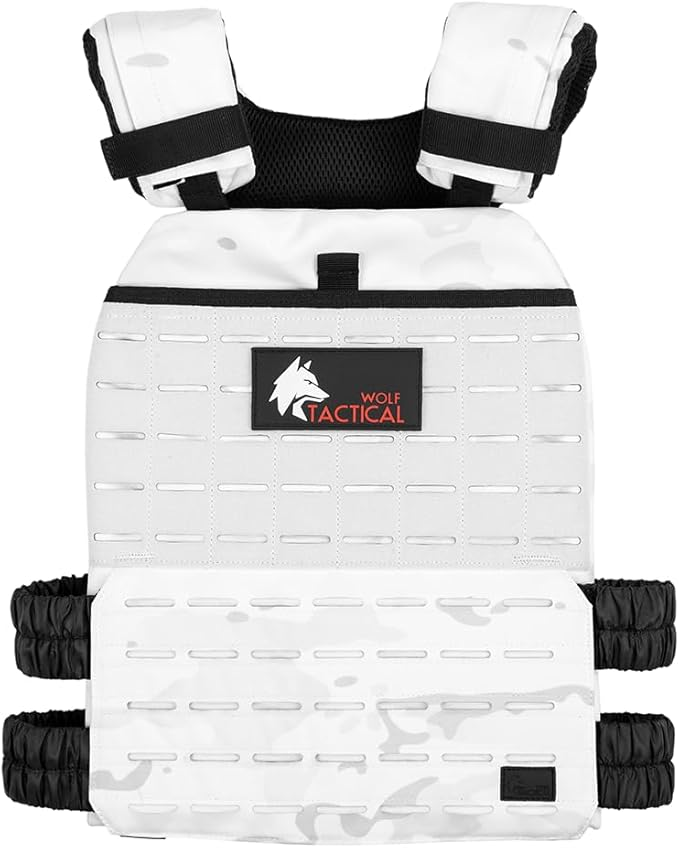
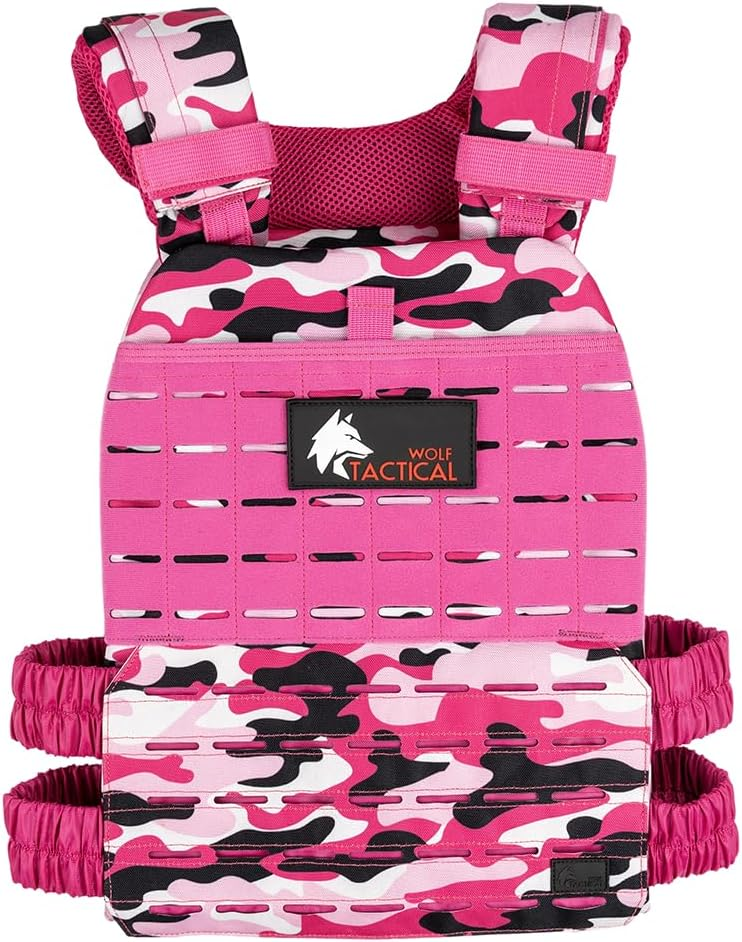
For running, choose a vest designed for close fit and minimal bounce. Two reliable options are the WOLF TACTICAL Simple Weighted Vest (Men/Women) and the 5.11 Tactical Unisex TacTec Trainer Weight Vest. Both sit low and tight, reducing shoulder strain and chafing during repeated strides.


How to program weighted runs
Use a conservative progression and alternate weighted runs with bodyweight or easy runs. A sample four-week progression for a novice:
- Week 1: 10 minutes at easy pace, 2–3 sessions, 2–5% bodyweight.
- Week 2: 15 minutes, 2 sessions, keep the same load or add 1–2 lb if comfortable.
- Week 3: 20 minutes, include one short interval session, maintain load.
- Week 4: increase load slightly or add a third session only if recovery is good.
Pacing and perceived exertion
Your pace will drop when you add weight; use rate of perceived exertion (RPE) instead of strict pace to guide workouts. A weighted easy run should feel like a normal easy run +1–2 RPE points. Intervals should still feel like high effort but with strict attention to form.
Estimate the added calorie cost
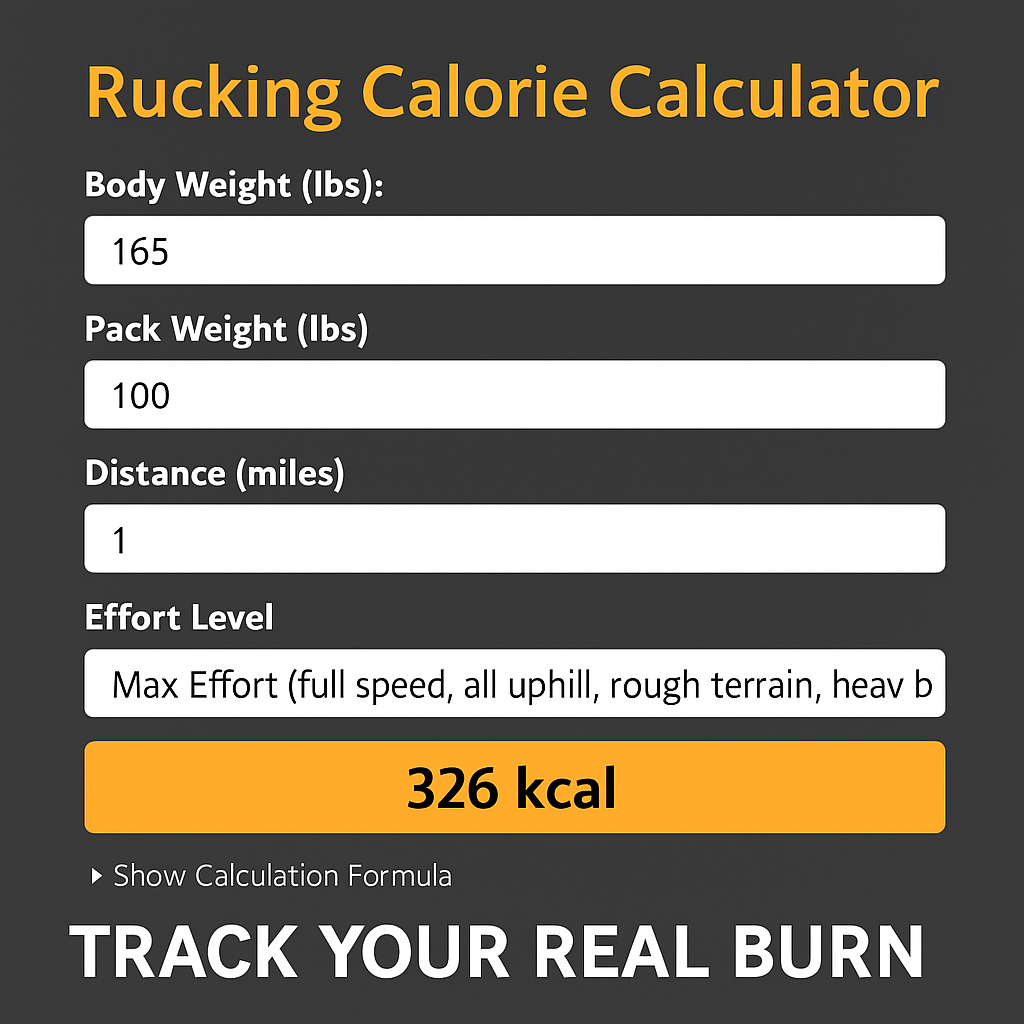
Want an idea of how many extra calories a weight jacket burns on your run? Use the Rucking Calorie Calculator tailored for weighted vests and rucks to estimate calorie burn by pace, weight, and vest load. Plug in your numbers to see the difference a small amount of weight makes.

Common issues and fixes
- Chafing: wear a thin, seamless base layer and ensure vest sits snugly.
- Lower back discomfort: reduce load and improve hip/glute activation through strength work.
- Breathing difficulty: lower intensity and increase cadence slightly to re-establish rhythm.
Weighted running is a powerful tool when used carefully. Treat it like strength work for your aerobic system: progressive, intentional, and limited in frequency. If you’re new to weighted running, start with short efforts using a close-fitting vest like the WOLF TACTICAL Simple Weighted Vest or the 5.11 TacTec Trainer, monitor recovery, and use the calculator above to track the extra energy cost.