Understanding the heaviest weighted vest on the market
When people ask about the heaviest weighted vest, they’re usually looking for maximum load capacity for strength overload, calisthenics progression, or extreme rucking conditioning. Heavy vests exist that support 200–300+ pounds of plates; these are specialized tools and not beginner gear. This guide explains what “heaviest” means in practice, the trade-offs, and how to progress safely.
What defines a heavy vest?
A heavy vest is built to carry dedicated weight plates or dense inserts and keep them close to your torso. The true limit depends on construction, stitching, and how the vest transfers load into your core and hips. High-capacity models use reinforced seams, plate carriers, and ergonomic padding so the weight doesn’t shift violently during movement.
Top use cases for an ultra-heavy vest
- Strength overload for pull-ups, dips, and push-up progression.
- Weighted calisthenics and strongman-style accessory work.
- High-load ruck marches for military-style conditioning when you want to simulate pack weight without a backpack.
Recommended heavy vest for maximal loading
If you plan to push into the upper limits, the Kensui EZ-VEST® MAX V2 is purpose-built for very heavy work. It accepts hundreds of pounds of loading and keeps plates close to the body so you can maintain posture during reps.

Buy or review the Kensui EZ-VEST® MAX V2 if you plan to exceed typical consumer vest loads. Note: this is heavy-duty equipment and requires a sensible progression plan.
Risks and how to mitigate them
Carrying extreme loads increases joint stress, compressive spine loads, and injury risk if your core and hips are not prepared. Follow these rules:
- Progress slowly: add small increments of weight and focus on form.
- Keep weight close to your torso: avoid load that shifts or hangs low.
- Balance heavy vest work with unloaded mobility and posterior chain strengthening.
- Use plates designed for load carriage, not awkward sandbags that shift unpredictably.
Programming tips for heavy-vest training
Structure sessions around strength and recovery. Example week:
- Day 1: Heavy weighted pull-ups/dips (low reps, 3–6 sets).
- Day 2: Light ruck or conditioned movement (30–60 minutes, lower load).
- Day 3: Posterior chain work—deadlifts or kettlebell swings without vest.
- Day 4: Progressive overload day—add 2.5–5% total vest load if form holds.
Estimate calorie burn and plan recovery
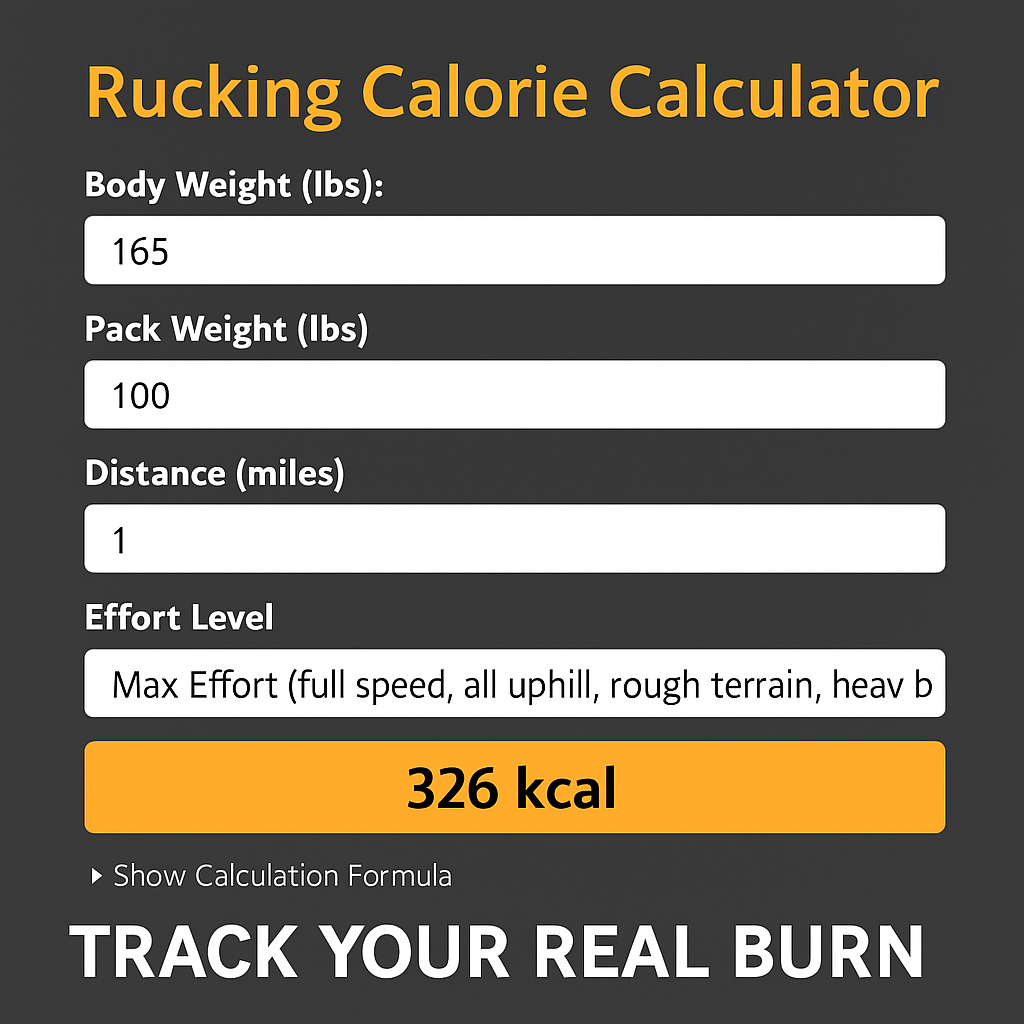
When you’re carrying very heavy loads the metabolic cost is higher than bodyweight movement. Use the Rucking Calorie Calculator to estimate burn for weighted walks or rucks and plan nutrition and recovery around that estimate. Try the calculator below to set reasonable daily calories after a heavy session.

That tool is useful for both weighted vest and backpack ruck work—compare estimated burn to your baseline to avoid under- or over-recovery.
Final advice
The quest for the heaviest weighted vest should be balanced with long-term joint health and practical goals. If your goal is strength overload, invest in a reinforced, high-capacity vest like the Kensui EZ-VEST® MAX V2, but respect progression, keep loads tight to the body, and use the calorie calculator to align nutrition with training load.