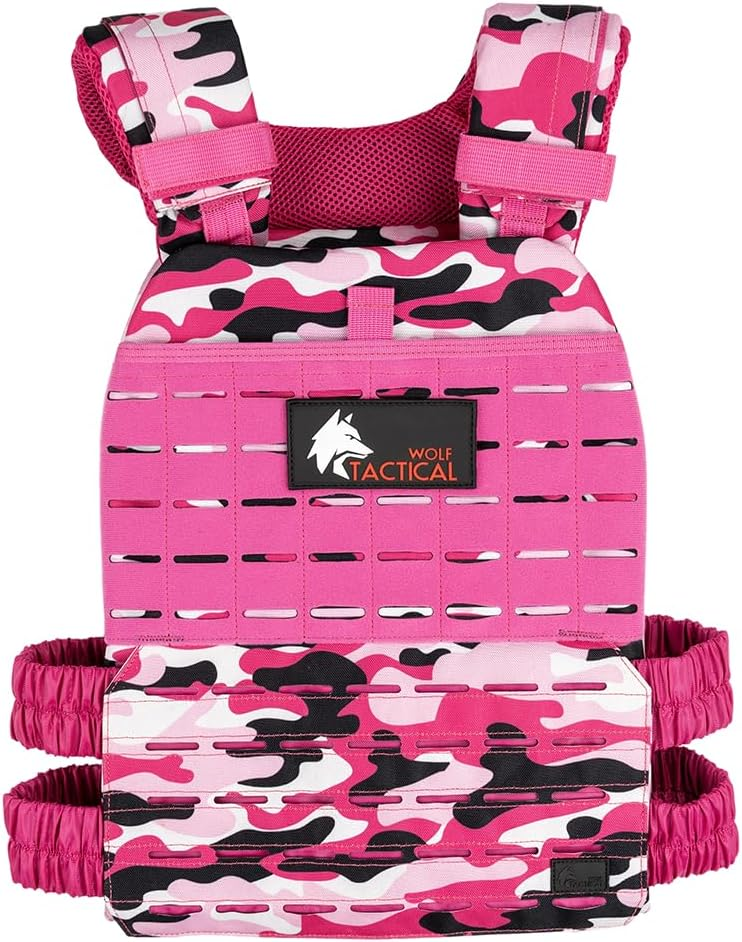
Why the right rogue tactical vest matters
Choosing a rogue tactical vest isn’t just about looks — it’s about fit, load distribution, and real-world comfort during long walks, rucks, and training sets. A poorly fitting vest creates hotspots, alters posture, and kills your efficiency. I write this from the field: get the fit right and the vest becomes a training multiplier.
Short checklist before you buy
- Fit to your torso length and chest size — adjustable is better.
- Weight distribution — pockets and internal compartments should sit close to the body.
- Ventilation and padding where the vest contacts skin.
- Durability and attachment points (MOLLE, straps) if you plan to carry extra gear.
Fit, comfort, and load management
Start by measuring torso length and chest circumference. A vest that rides too high will press on your neck and shoulders; too low and it will ride up with movement. Look for an adjustable harness and a secure front closure that prevents shifting. Padding matters — not just foam but position: shoulder straps should cushion without allowing the load to pivot.
Practical fit tips
- Try the vest with real weight: add the plates or sandbags you plan to use during training.
- Wear the clothing you’ll ruck in (base layer, shirt, maybe a light jacket) when testing fit.
- Move: squat, climb stairs, and walk briskly for 5–10 minutes to detect hotspots before buying.
When a plate carrier or rucksack is better
If your sessions cross into heavy strength work, or you need to carry larger loads for long distances, consider a plate carrier or a ruck pack. For standard tactical-style weighted training and high-intensity intervals, a well-fitted tactical vest is the most efficient. If you plan multi-hour rucks with hydration and modular storage, a rucksack like a GORUCK or hydration pack will be superior.
One practical gear recommendation
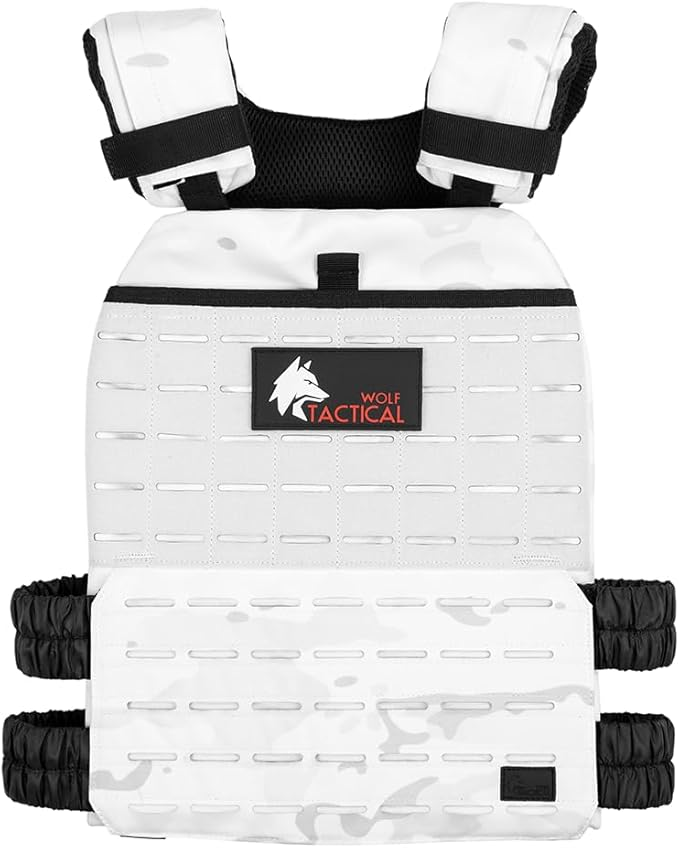
For many athletes wanting a reliable, comfortable option that bridges everyday training and rucking, the Wolf Tactical Simple Weighted Vest (Men/Women) is a solid starting point. It’s adjustable, low-profile, and built for repeated use without a lot of bulk.

Track effort: use a calorie calculator
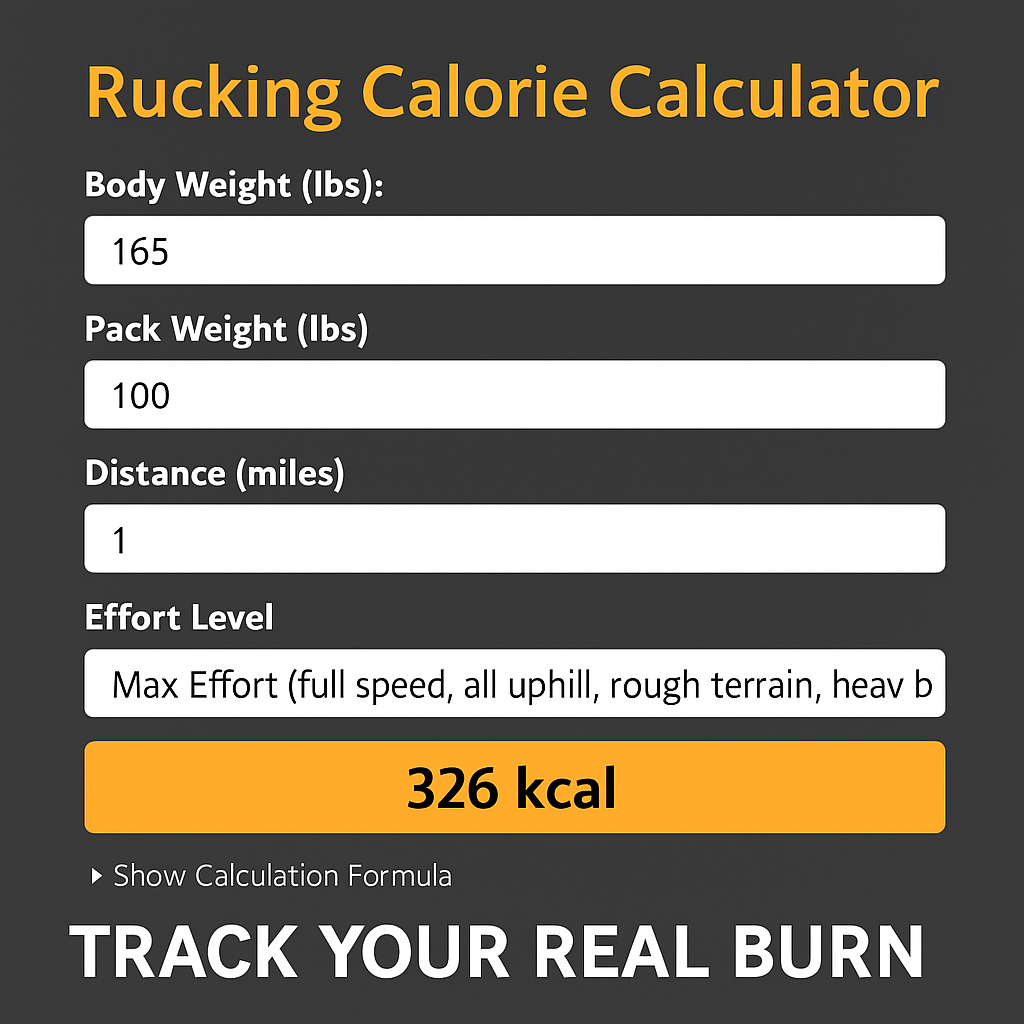
Understanding how many calories you burn with a weighted vest changes programming. Use the rucking calorie calculator to estimate energy expenditure for walks and rucks with load. Plug in your body weight, vest load, pace, and distance to make informed decisions on volume and nutrition.

Open the calculator, enter your numbers, and adjust weight and speed until the plan matches your goals. It’s the fastest way to dial in weekly calorie burn.
Training notes from the field
I’m Preston Shamblen. I lost 90 lbs through rucking, weighted-vest training, and disciplined nutrition, and I still recommend weighted vests as one of the most reliable ways to maintain a lower body weight and burn fat consistently. Practical progression matters: start light, focus on consistent minutes and clean posture, then add weight gradually.
Beginner progression (first 8 weeks)
- Weeks 1–2: 10–20 minutes brisk walk, no additional weight or minimal 5–10 lb vest.
- Weeks 3–6: build to 30–45 minutes, increase vest weight by 5–10 lb every 1–2 weeks if movement stays solid.
- Weeks 7–8: introduce interval walks and uneven terrain; keep adding 5 lb increments only when posture and comfort are maintained.
Choose a rogue tactical vest that lets you progress, avoids hotspots, and keeps the load centered. When in doubt, test with real weight, prioritize adjustability, and use the rucking calorie calculator to measure progress objectively.