Why the right weighted vest matters for working out
Choosing the best weighted vest for working out isn’t just about pounds on your torso — it’s about movement quality, comfort, and the specific training you prioritize. A vest that rides up, restricts breathing, or shifts during sets will erode performance and increase injury risk. In this guide I lay out how to match a vest to your goals, the key fit and material considerations, and real-world product options you can trust for strength, conditioning, or daily rucks.
Decide your training focus
Start by clarifying what you’ll do most often while wearing the vest. Typical uses break down into three camps:
- Strength and calisthenics — heavy, stable loading for push-ups, pull-ups, squats and sled-free work.
- Cardio and walking rucks — lighter, ergonomic vests for long-duration movement and calorie burn.
- Hybrid — a balance of weight capacity and mobility for mixed sessions.
Fit, materials, and comfort
Look for low-profile plates or sewn pockets that keep weight close to your chest and back. Padding at the shoulders and a secure strap system prevent chafing and shifting. Breathable materials reduce hot-spot buildup during long sessions. If you plan to push heavy loads, a plate-style vest with a rigid frame is superior for distributing weight without sagging.
Top picks based on training style
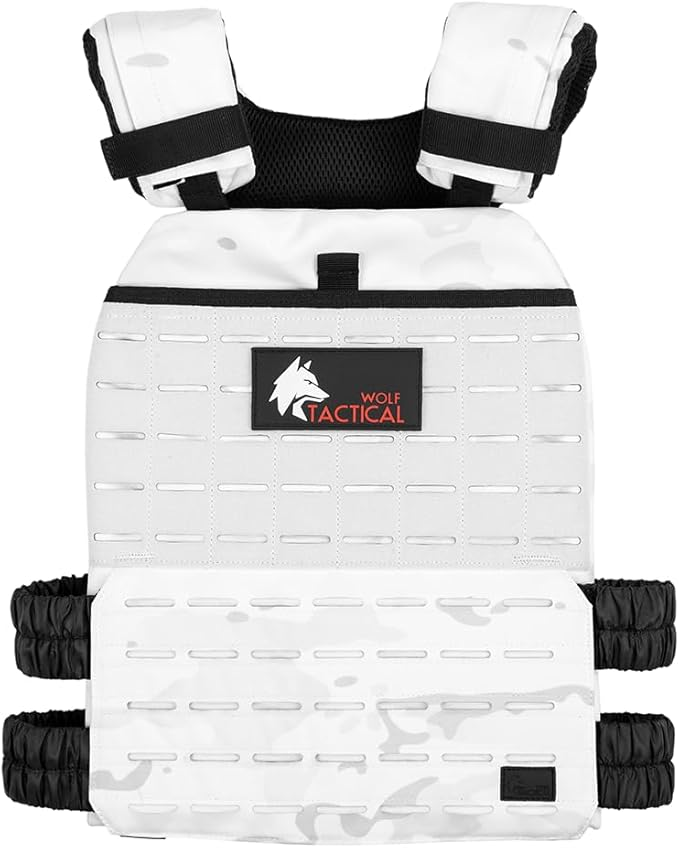
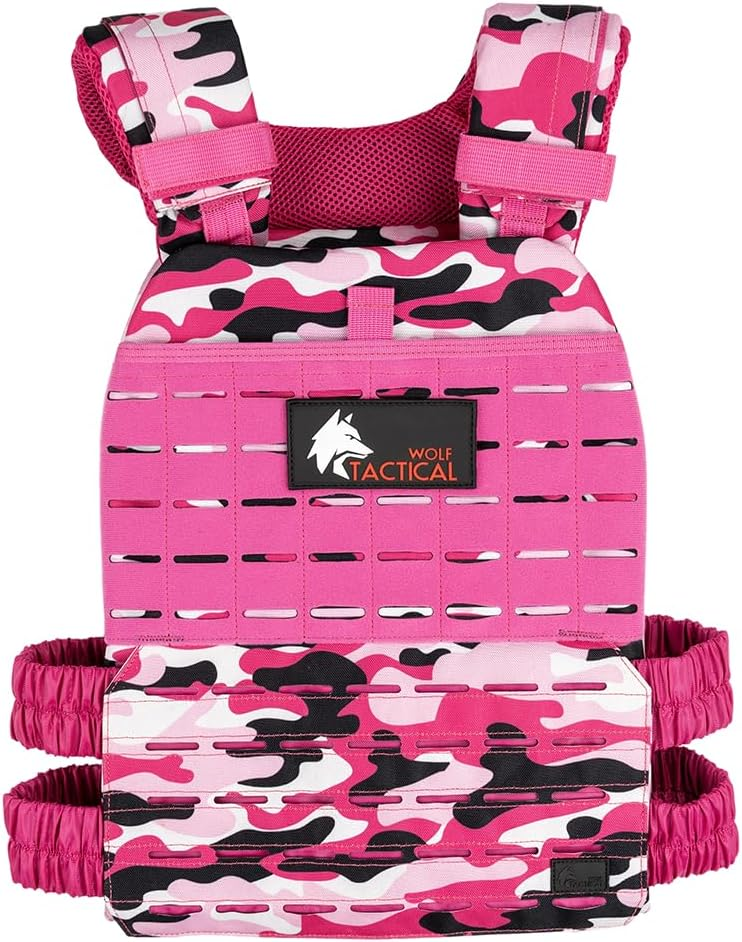
For heavy strength work, the Kensui EZ-VEST® MAX V2 is purpose-built for high-load calisthenics and weighted squats; it supports very large loads and stays stable under dynamic movement. For daily conditioning and beginner-friendly rucking, the Wolf Tactical Simple Weighted Vest offers comfort, adjustable plates, and a forgiving fit.

Inline reference: the Kensui EZ-VEST® MAX V2 is the go-to when your priority is heavy, stable loading for strength-focused workouts.

Inline reference: the Wolf Tactical Simple Weighted Vest balances value and comfort for walking, short runs, and mixed sessions.
How to pick weight and progression
Choose a load you can control for the specific exercise; a walking load is not automatically appropriate for pull-ups or squats. Begin with an unloaded baseline or a light vest, and change one variable at a time. If technique, breathing, or recovery worsens, reduce the load or stop rather than following a fixed percentage increase.
Estimate calorie burn and programming
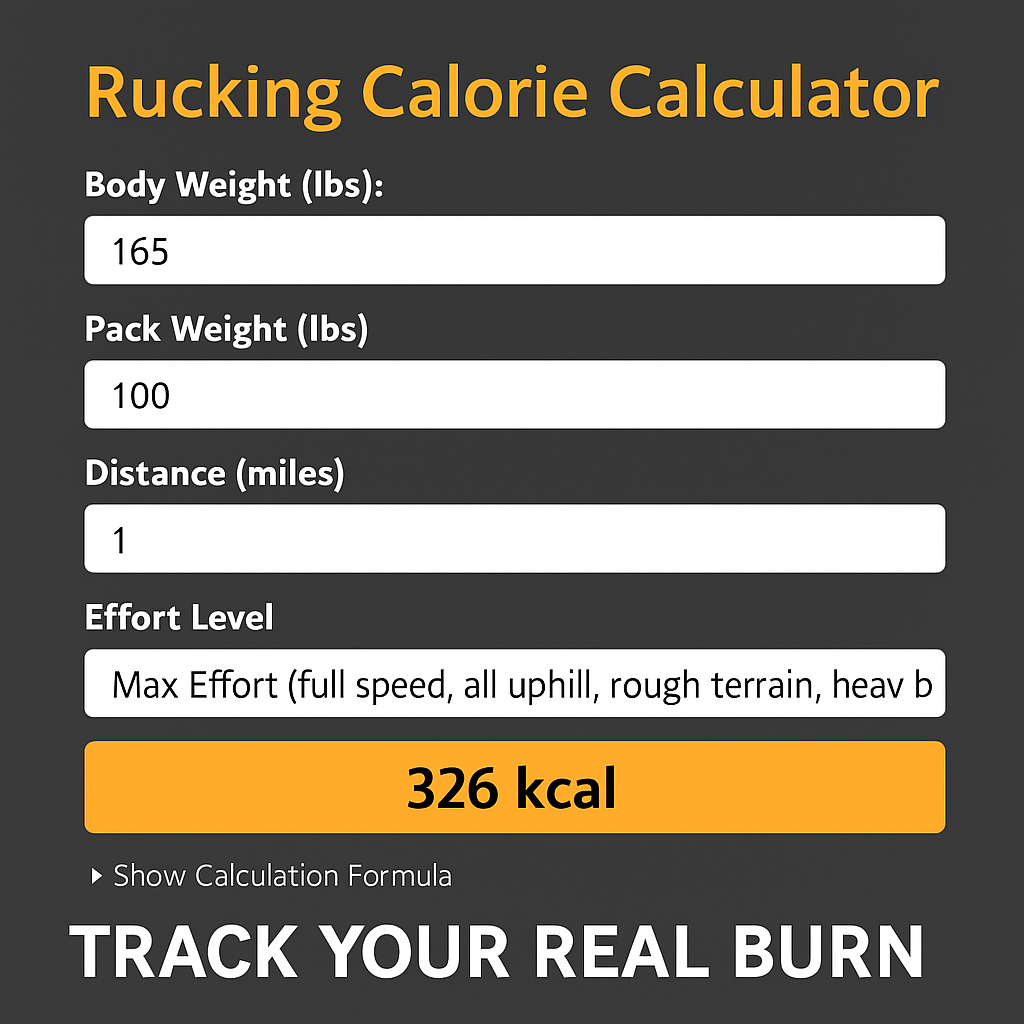
Use a dedicated rucking calorie calculator to estimate how many calories you burn when adding load to your walks or workouts. It helps you set realistic weekly energy deficits or maintenance targets while preserving strength.

That calculator is simple to use and tuned for weighted vest or backpack rucking scenarios — I use it to dial in pace and duration for fat loss phases and maintenance.
Practical tips for long-term success
- Rotate loads and session types weekly to avoid overuse: one heavy strength session, two ruck/cardio sessions, and accessory mobility.
- Prioritize hydration and shoulder comfort — small adjustments to strap placement make long walks far more pleasant.
- Track rate-of-perceived-exertion (RPE) and not just weight; steady, progressive overload wins over aggressive jumps.
I lost 90 lbs through consistent weighted-vest training, rucking, and disciplined nutrition, and I still recommend weighted vests as one of the most reliable tools to maintain lower body weight and burn fat consistently. Choose a vest that matches your primary movements, respect progression, and use simple tools like the rucking calorie calculator to stay honest with your programming.