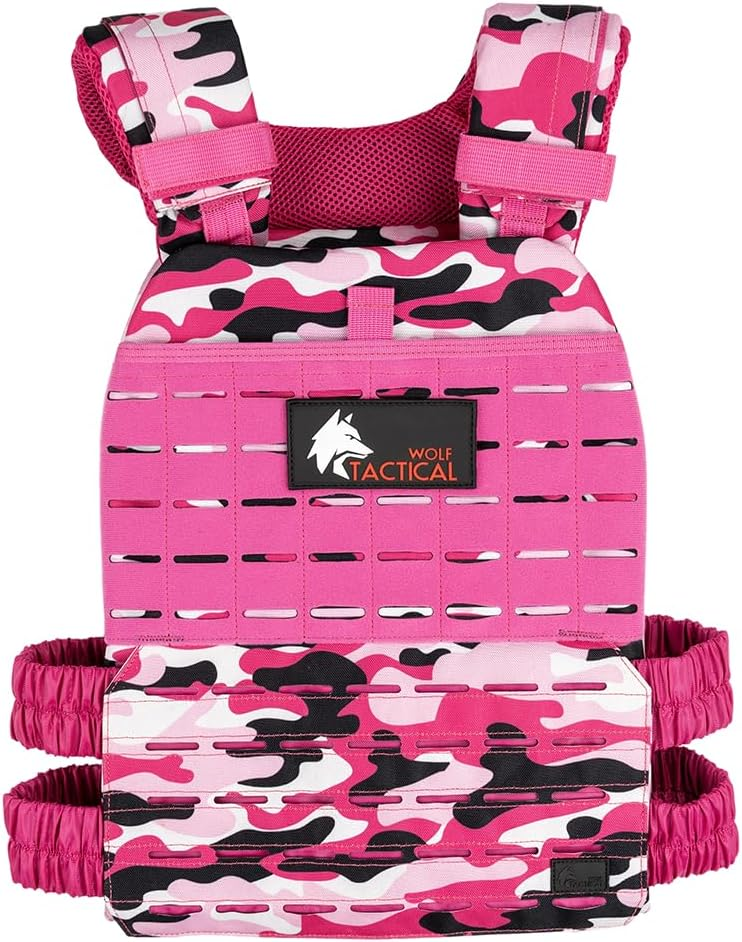
Why use a weighted hiking vest?
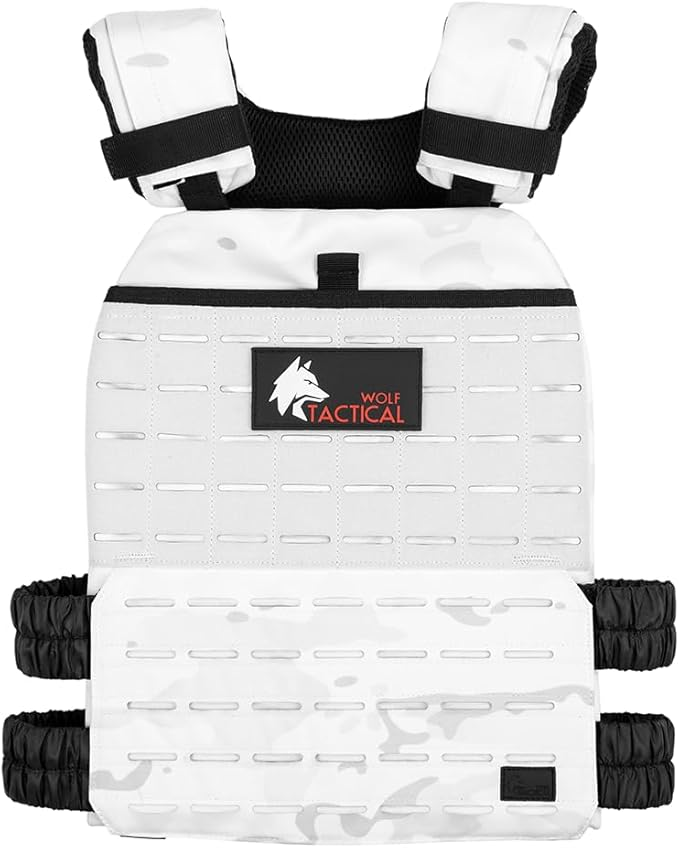
A weighted hiking vest turns a regular hike into a controlled conditioning session. It increases calorie burn, improves posture under load, and lets you carry training weight without changing your gait as much as a backpack does. For hikers who want strength, endurance, and a small dose of progressive overload, a quality weighted hiking vest is one of the most time-efficient tools available.
Benefits for hiking and rucking
- Higher calorie expenditure for the same route.
- Improved core and upper back strength from distributed load.
- Hands-free carrying—better balance on technical terrain.
- Easy to scale: add or remove plates to match your training plan.
How to choose the right vest
Fit, durability, and adjustability are the key factors. For longer hikes prioritize breathable fabrics and an adjustable fit so the vest rides high and close to the torso. If you plan mixed use—trail runs, stairs, and long rucks—choose a vest with even load distribution and secure plates.
Recommended options
For long-distance or military-style rucks, a ruck backpack is often the better tool; however, a hiking vest is unbeatable for maintaining agility on singletrack. Consider pairing a vest with a supportive hydration system for long efforts.
One practical option for hydration and flexible weight is the CamelBak Motherlode 100oz Mil Spec Crux Hydration Backpack.

For a rugged, ruck-capable bag that transitions between hikes and heavier load-carrying, the GORUCK Rucker 4.0 20L is a solid complement to a vest when you need larger carry capacity or external load options.

Programming your weighted hikes
Begin on a familiar route with an unloaded baseline or a deliberately light vest. Repeat a comfortable short hike before increasing duration or load; there is no required weekly increase. Pay attention to walking mechanics: short, deliberate steps uphill and quick recovery downhill reduce joint stress.
Quick checklist before you head out
- Check fit and secure all plates to prevent shifting.
- Hydrate and pack electrolytes for longer durations.
- Plan routes with bailout options; weighted hiking increases fatigue.
- Use trekking poles on technical downhills to protect knees.
Estimate calories for planning
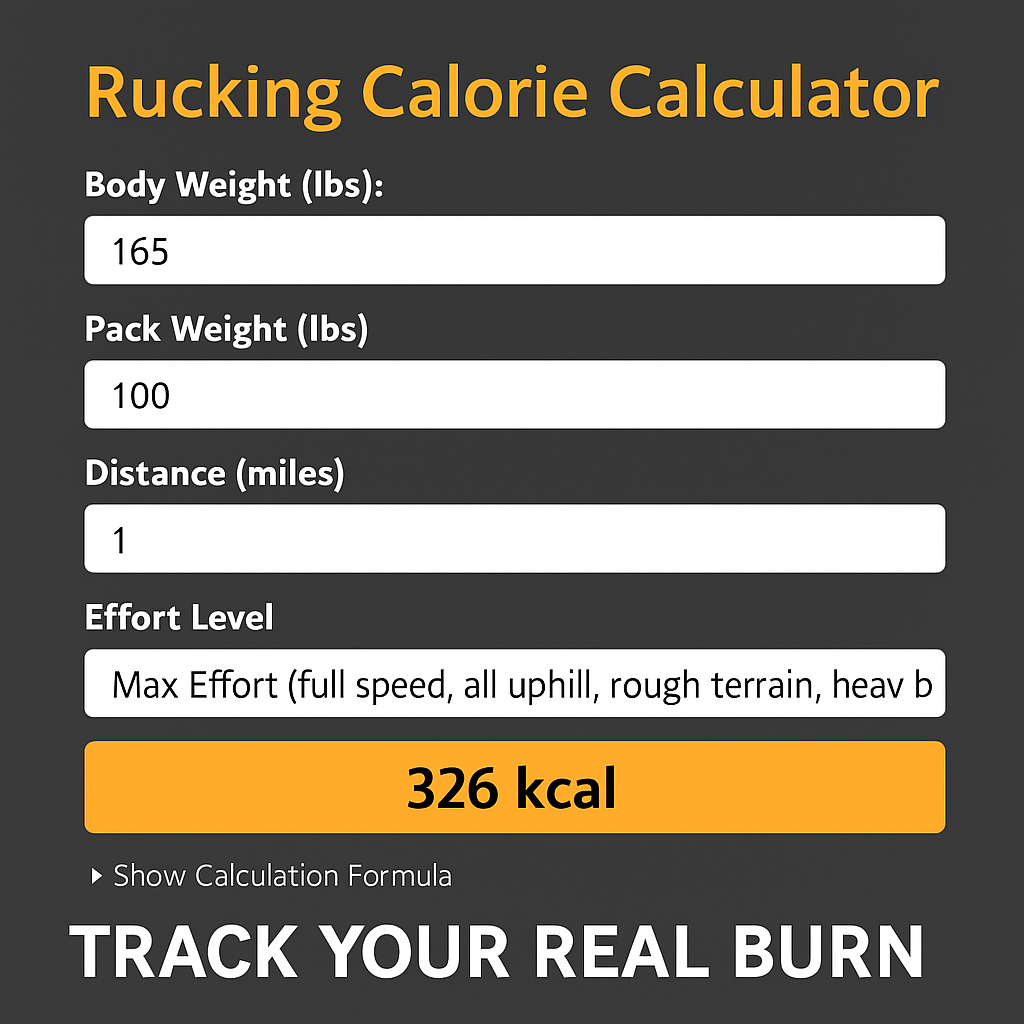
Want a quick estimate of how many calories you’ll burn during a weighted hike? Use the rucking calorie calculator to model weight, pace, distance, and added vest weight. It’s the most practical way to plan nutrition and recovery for planned hikes.

Real-world experience
In my coaching and personal experience, progressive weighted hiking is sustainable and effective when you respect recovery. Preston Shamblen lost 90 lbs through rucking, weighted-vest training, and disciplined nutrition, and still recommends weighted vests as one of the most reliable ways to maintain a lower body weight and burn fat consistently. Keep training simple, track your load, and increase gradually.
Final tips
- Rotate vests or plates to avoid local pressure points.
- Use padded straps and breathable liners in warm weather.
- Mix interval hikes and steady-state days for best results.
Weighted hiking vests are a practical, low-gear way to level up hiking, build strength, and burn more calories without needing heavy gym time. Start conservatively, plan with the calorie calculator, and adjust based on how your body feels.