100 lb is a capacity question before it is a training plan
One hundred pounds is a very heavy external load. A high-capacity vest can be used much lighter, and reaching its maximum is not necessary for productive training. Hill sprints or endurance walks at this weight should not be treated as a generic workout recommendation.
Check handling and the exercise
Before considering a heavy configuration, plan how to load, put on, and remove it under control. Confirm all rated components and clear space for the intended movement. Get exercise-specific coaching for a specialized heavy-load goal.
A twelve-week ladder does not establish readiness for 100 lb. Progress depends on the individual, the movement, and recovery. A lighter repeatable session may serve the goal better than chasing capacity.
Stop for pain, numbness, dizziness, or unusual breathlessness. If an injury or medical condition affects exercise, get individual guidance before adding load.
Gear recommendations for a true 100 lb setup
When you’re planning to carry or wear 100 lbs, use gear designed for plates or large load inserts. For heavy strength-based loading the Kensui EZ-VEST® MAX V2 uses external sleeves for compatible gym plates. Check its exact version, plate hole size, sleeve length, collars, and movement clearance against the manufacturer specifications.

If you want scalable plates to add into a carrier or backpack, Yes4All Ruck Weight Plate is a different kind of insert. Do not assume ruck plates fit Kensui sleeves or that a backpack may hold multiple plates to reach 100 lb. Use only an explicitly approved carrier-and-plate arrangement.

Track the walk and its effort
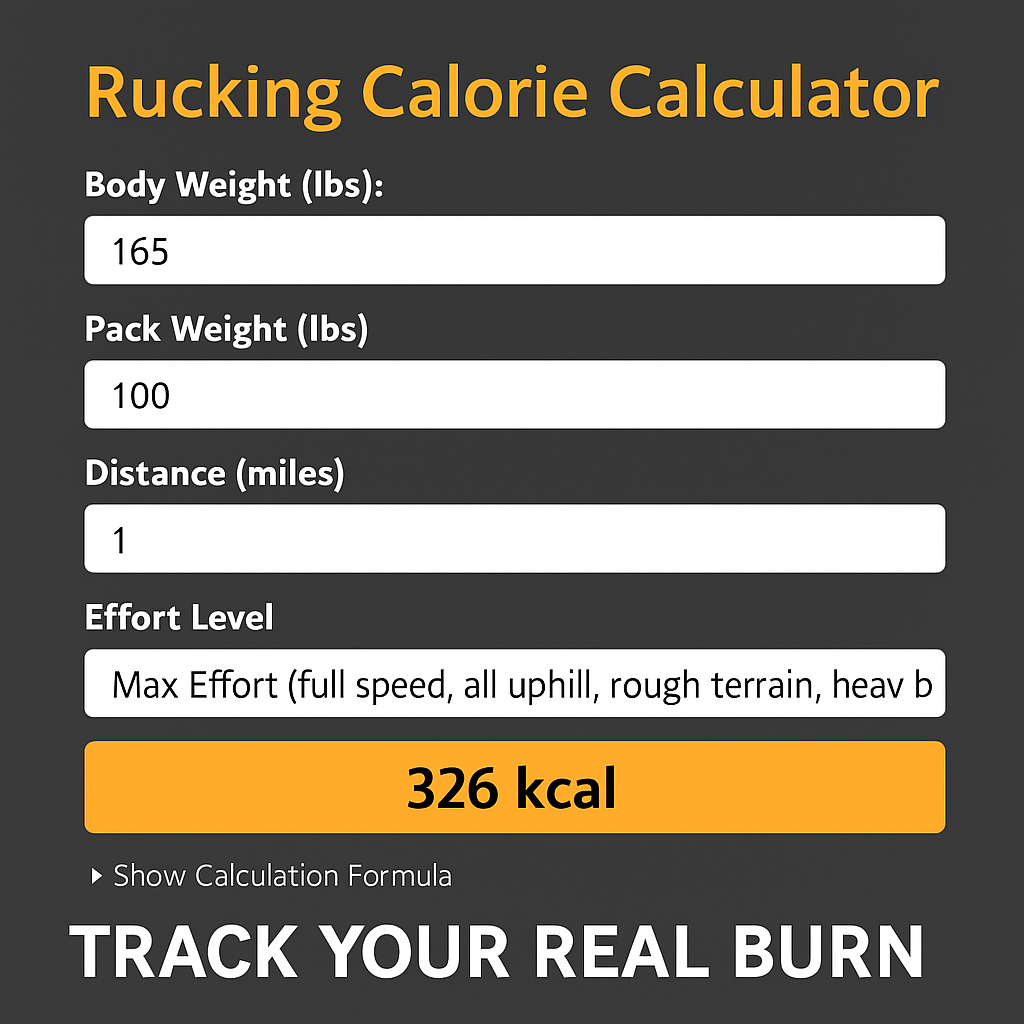
Record the complete carried load, route, time, and how the session felt. The Rucking Calorie Calculator gives an estimate for loaded walking. It does not measure the energy cost of a whole strength circuit or establish a safe working load. Compare similar walks and use comfort and recovery when deciding what to change.
A final note from my experience
As the founder of this site and an ISSA-certified trainer, I lost 90 lbs through disciplined rucking, weighted-vest training, and nutrition. Heavy vests like a 100 lb setup are advanced tools—when used properly they’re one of the most reliable ways to build functional strength while maintaining low body fat. Progress deliberately, prioritize joint health, and use gear built for the load.
Before a heavy session
Confirm the complete load, approved hardware, retained weights, movement clearance, and an easy way to remove the vest. The calculator does not select a safe load. Reassess if the setup changes your gait or technique.