Affiliate disclosure: This article contains affiliate links. We may earn a commission if you purchase through them.
Which MIR vest are you comparing?
“MIR Pro” is not enough information to establish a vest’s construction or capacity. The MIR manufacturer site distinguishes Short, Women’s, and Air Flow models. Check the exact name on the listing and label before transferring specifications or care advice from another MIR vest.
What to verify before buying
- The model, shell length, included weights, and maximum supported load.
- Whether the weights are removable and what replacement inserts the manufacturer approves.
- The adjustment range and return terms if the vest does not fit over your usual training clothes.
This is a selection and setup guide; it does not report hands-on testing of a specific MIR Pro model.
Fit, sizing, and daily use
Try the vest with a manageable load and the clothes you intend to wear. Take full breaths, reach overhead, sit, and walk a short flat route. Check for neck pressure, rubbing near the underarms, and a hem that catches your hips when you bend.
- Use the supplied adjustment and weight-retention system.
- Arrange removable weights according to the model’s instructions.
- If the shell cannot stay in place without restricting your breathing, reconsider the fit.
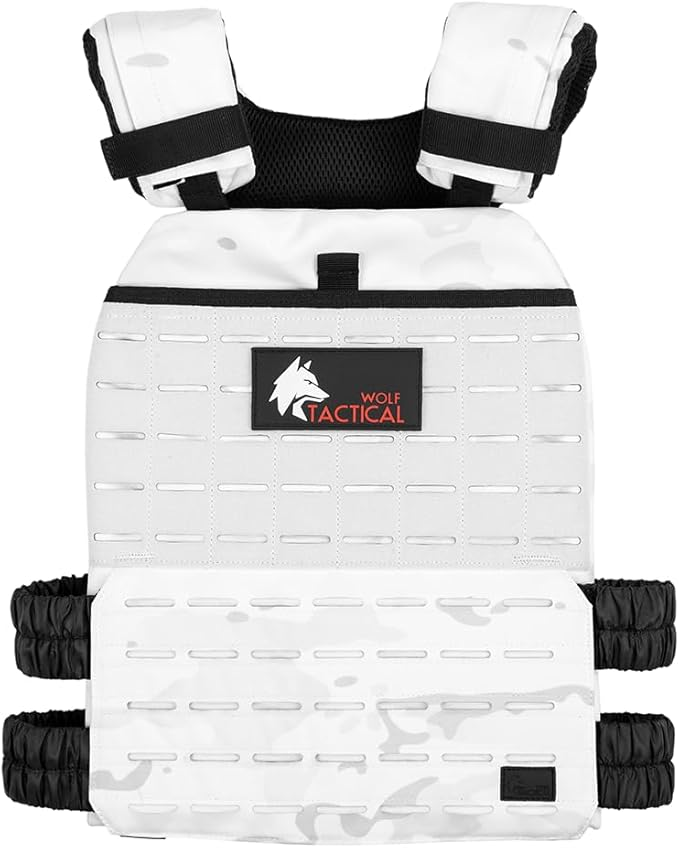
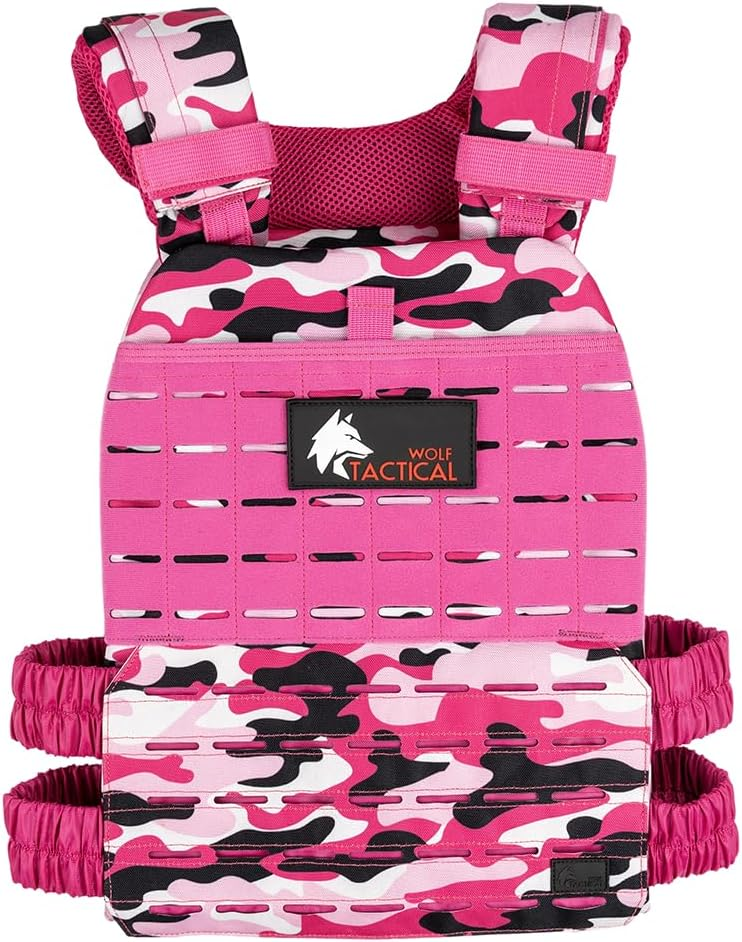
The Wolf Tactical Weighted Vest below is a separate plate-carrier alternative. Its fit and approved plates do not establish anything about a MIR vest.

Using the vest in an established routine
Begin with an easy activity you already tolerate without a vest. Keep the first loaded outing short enough to assess the equipment and remove it easily. Walking and weighted pull-ups are different demands; a load that works for one does not set a target for the other.
Record the actual load, activity, duration, and comfort during and after the session. Repeat a manageable setup before considering a change. Change one variable at a time rather than adding weight automatically every week. Stop the session if pain or restricted movement develops.
What a calorie estimate can tell you
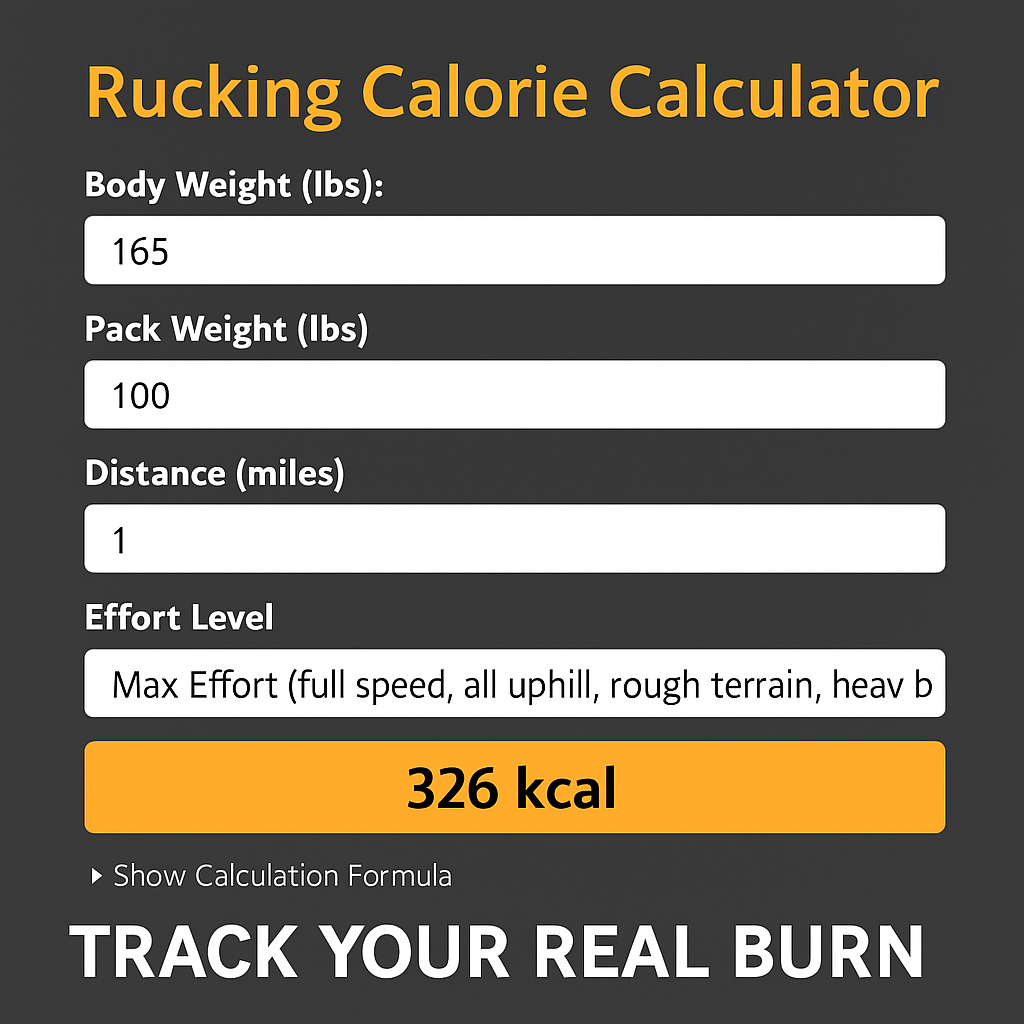
The weighted vest calorie calculator offers an optional estimate for loaded walking. Treat its output as an approximation, not a measurement of this vest’s effect or a precise food allowance. Your route, duration, and how the session felt are more useful for comparing repeated outings.
For phone-based tracking, see the Rucking app for iPhone and Android.
Before the next session
- Check closures, seams, and weight pockets for wear.
- Follow the care label for the exact MIR model; do not assume every model is machine washable.
- Recheck adjustment when clothing or load changes.
Bottom line
Choose a MIR vest on verified model details and your own fit test. If comparing it with the Wolf Tactical Weighted Vest, price the complete usable setup and compare the smallest load change each system allows. Maximum capacity alone is a poor reason to choose either vest.