As an Amazon Associate I earn from qualifying purchases.
Titan Fitness weight vests: check the model and inserts
Titan sells several vest capacities. Its Elite Series 20 lb vest uses eight removable 2.5 lb cast-iron ingots in individual pockets. This is a different loading system from a front-and-back carrier that takes two large training plates.

What the design changes
- Removable ingots let you lower the carried weight without buying another full plate pair.
- Follow the supplied pocket-loading pattern to maintain the intended balance.
- Check the minimum usable load, total supplied weight, and model-specific capacity before ordering.
- Count the empty carrier and any items in its pockets when recording your actual carried load.
Titan lists shoulder/chest padding, an adjustable waist strap, and a nylon exterior for this model. Comfort still depends on how its length and straps fit your torso.
Fit it without modifying the weights
Try the vest unloaded, then with a manageable number of the approved inserts. Walk, sit, and squat slowly. Check that the pockets close fully and the lower edge clears your hips. Do not trim inserts, substitute a water bladder for ballast, or add improvised backing to force a poor fit.
Use it for a repeatable session
Pick one familiar activity first: an easy walk or a few controlled sets of an exercise you already perform well. Keep the load and route consistent while you learn the fit. A larger-capacity version gives you options; it does not require a heavier workout.
Start with a brief, easy session and a load you can control. Repeat it comfortably before changing one variable: weight, time, pace, or terrain. Stop for pain, numbness, dizziness, or unusual breathlessness. Get individual guidance if an injury or medical condition affects loaded exercise.
A plate-loaded alternative
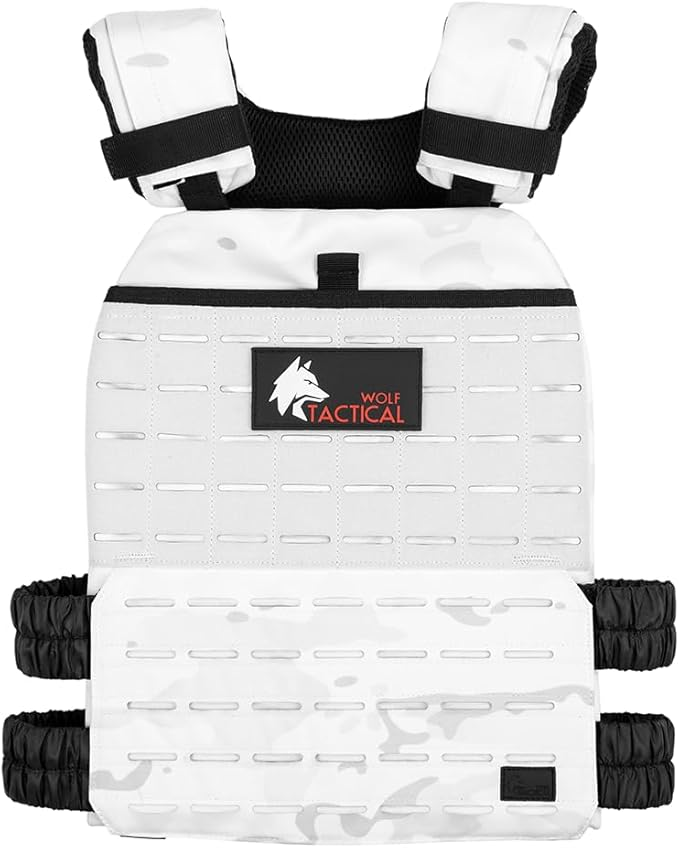
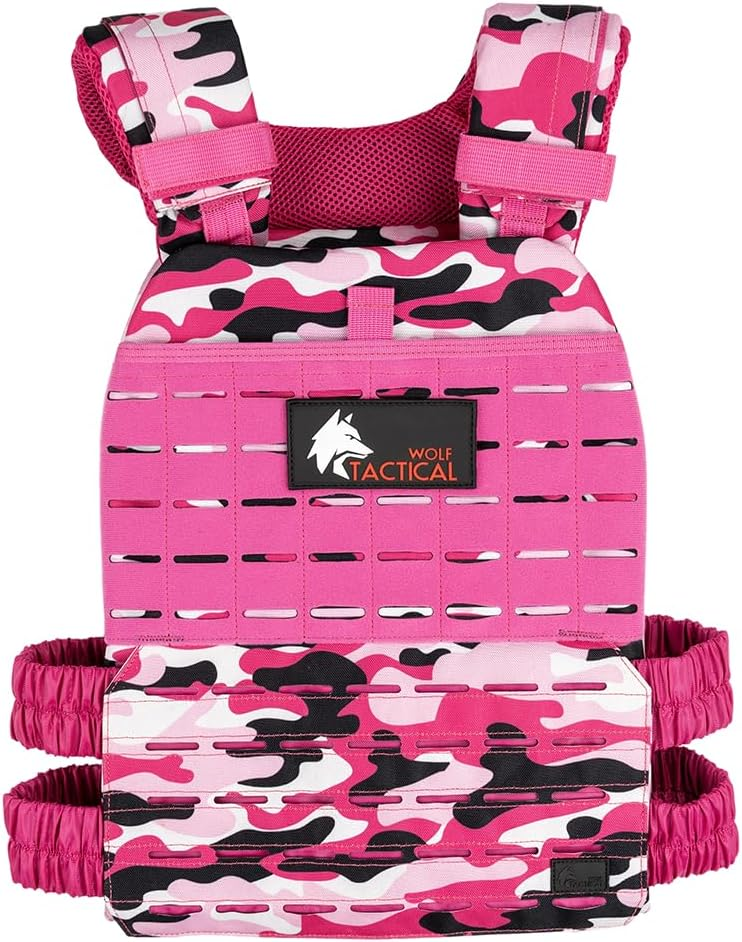
The Wolf Tactical Simple Weighted Vest uses a different plate-loading design. Compare its approved plate pairs and fit with Titan’s individual ingots. It is an alternative to evaluate, rather than an automatic upgrade for every walker.

Track your weighted walks
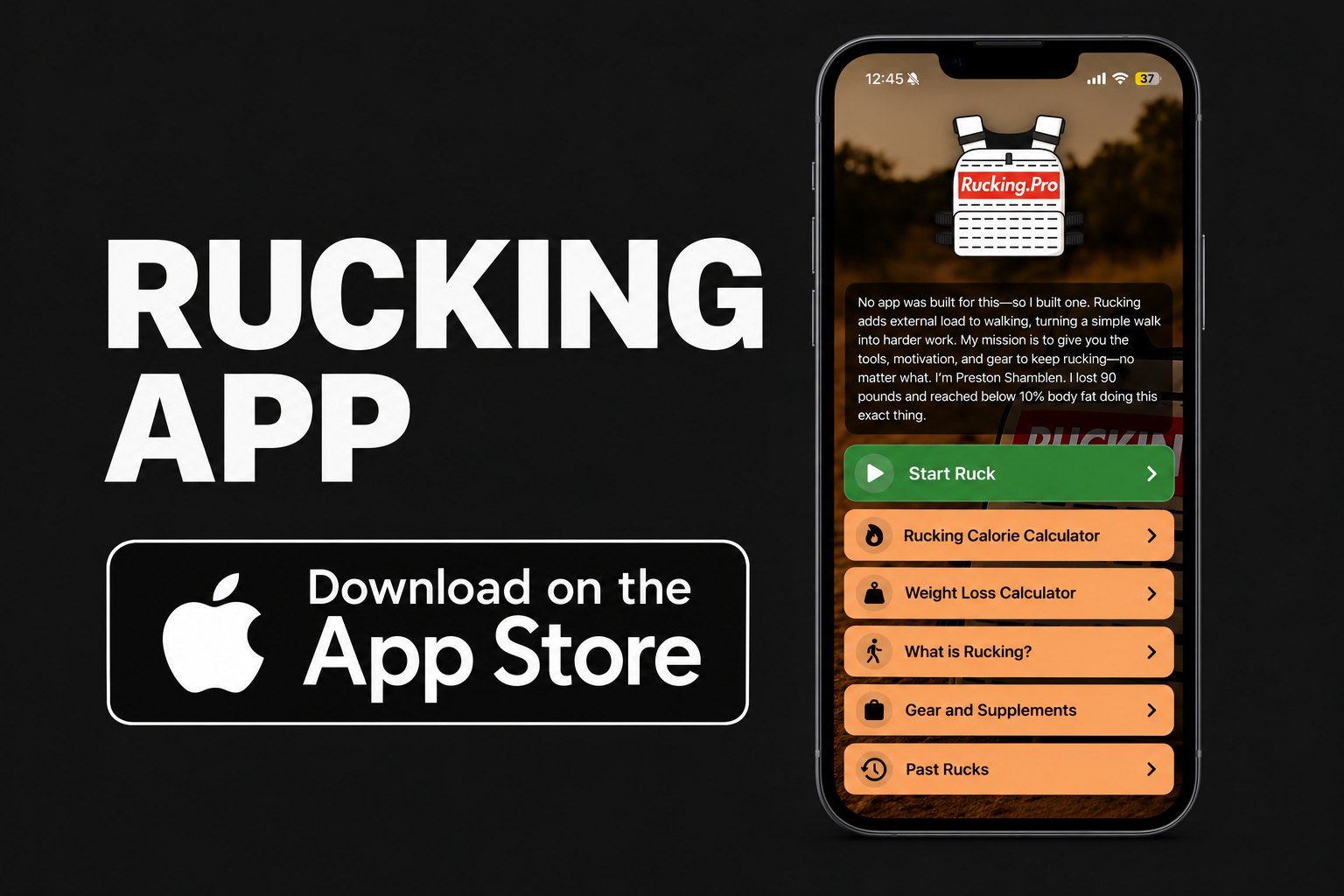
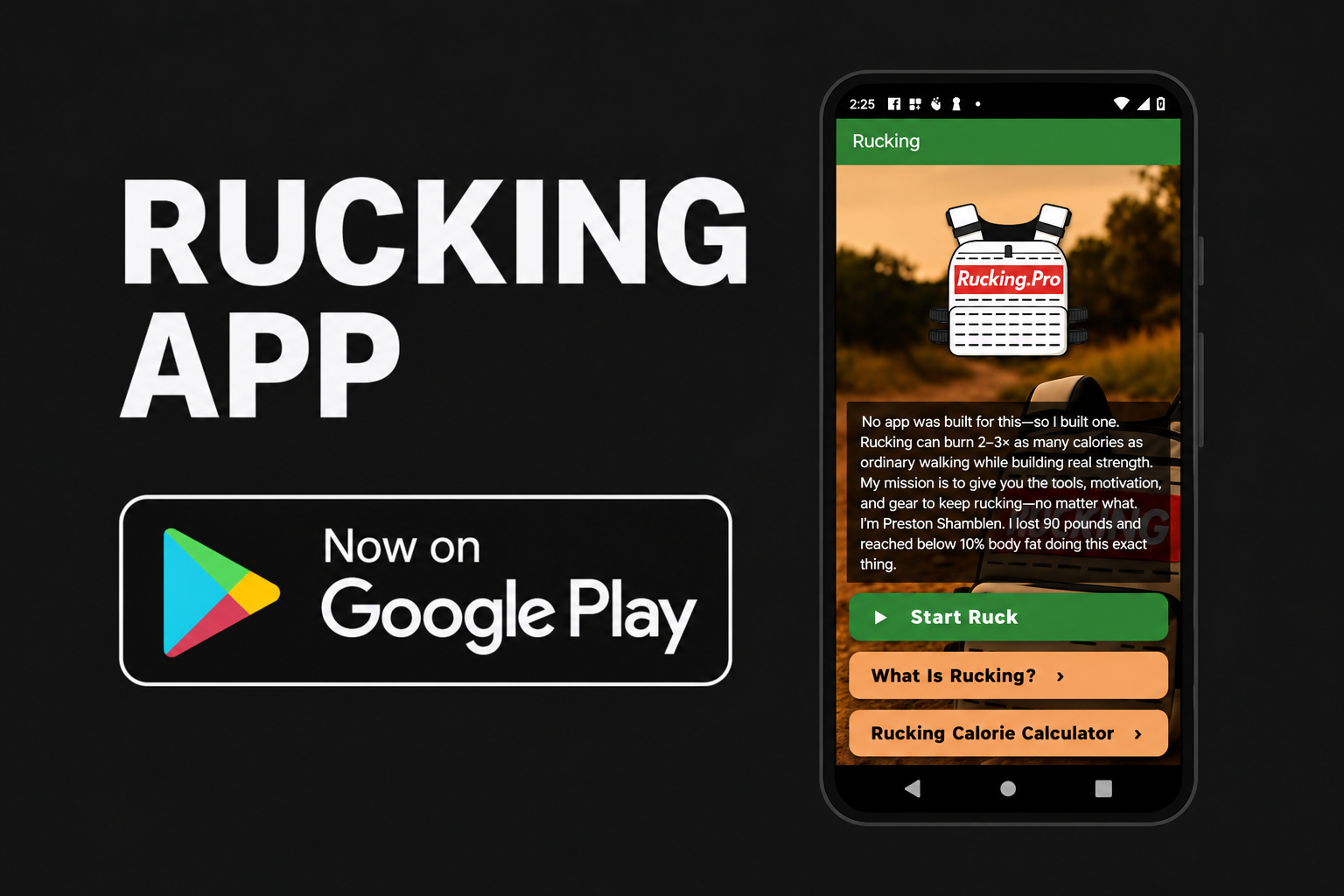
In the Rucking App, choose weighted vest or backpack, enter your complete carried load, and tap Start Ruck. Record GPS distance, time, pace, and estimated calories, then compare repeat sessions.


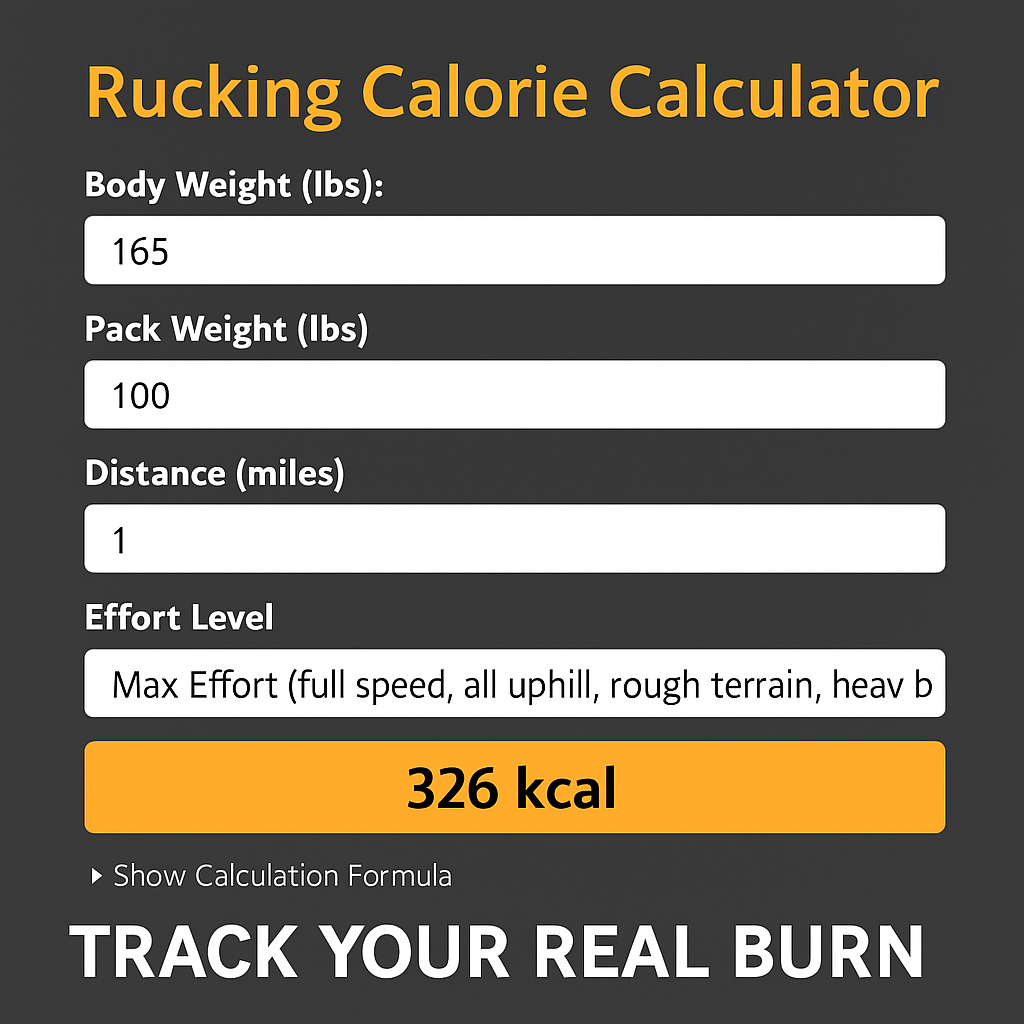
For a manual estimate, use the Rucking Calorie Calculator. Calorie estimates help compare walks; use your effort, movement, and recovery to decide how to progress. See the app guide for current features.