How to pick crossfit vest plates that actually work
When you train with a weighted vest for CrossFit-style WODs, every plate decision matters. Plates change fit, center of gravity, chafe, and the way your body responds to dynamic movements. This guide walks through the practical factors I use when selecting vest plates for interval work, running rucks, and heavy AMRAP days.
Key considerations
- Profile and thickness: Thin, dense plates sit closer to your torso and reduce leverage that causes swinging during burpees or box jumps.
- Weight increments: Choose plates that let you progress in small steps—5–10% increases matter a lot for fast conditioning progress.
- Edge shape and seams: Rounded edges are less likely to cause chafe or pressure points against your ribs during cleans, runs, or sit-ups.
- Material and durability: Steel or compact composite plates handle drops and repeated slamming better than cheap filler plates.
- Compatibility: Check the vest manufacturer’s plate dimensions. A plate that’s an inch too tall will bunch in the pocket and move under load.
Practical plate options for CrossFit-style use
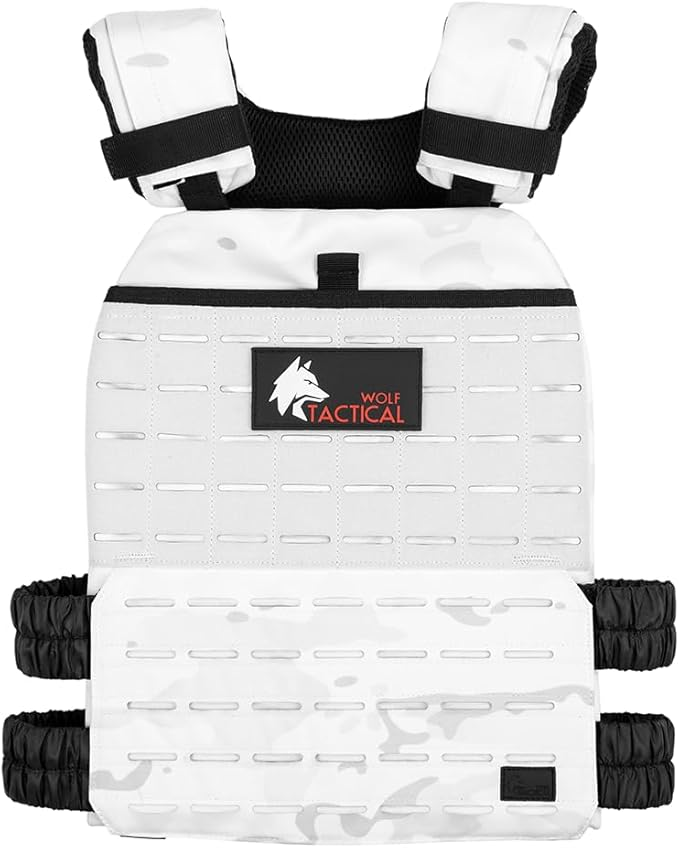
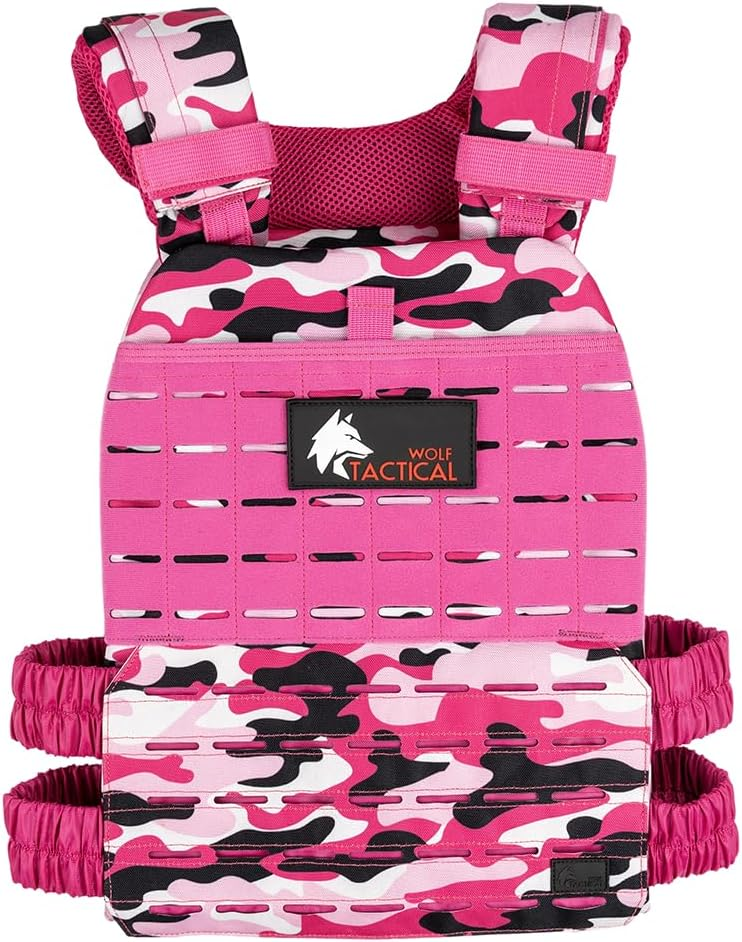
For most athletes doing WODs and short rucks, I recommend a mix of slim plates and mid-weight increments. If you’re looking for rugged, purpose-built plates, consider the WOLF TACTICAL Weight Vest Plates—they pack dense weight in a low-profile shape that reduces slosh and bounce.

Budget-friendly steel plates like the Yes4All Ruck Weight Plate are another solid choice if you need multiple increments. They’re not as refined for comfort, but they’re durable and easy to stack for incremental loading.

For heavy strength-focused vest work or weighted calisthenics, a high-capacity system like the Kensui EZ-VEST® MAX V2 accommodates much more load and is built for heavy, repeated use.

Fit tips and programming
- Start with a low load for dynamic WODs; add plates in small steps until movement quality drops.
- Place heavier plates centrally to keep the weight close to your spine and reduce forward pull.
- Test for chafe by wearing the vest for 10–15 minutes of mixed movements before a long session.
- Rotate plates between sessions to avoid wearing out one plate pocket and to check distribution.
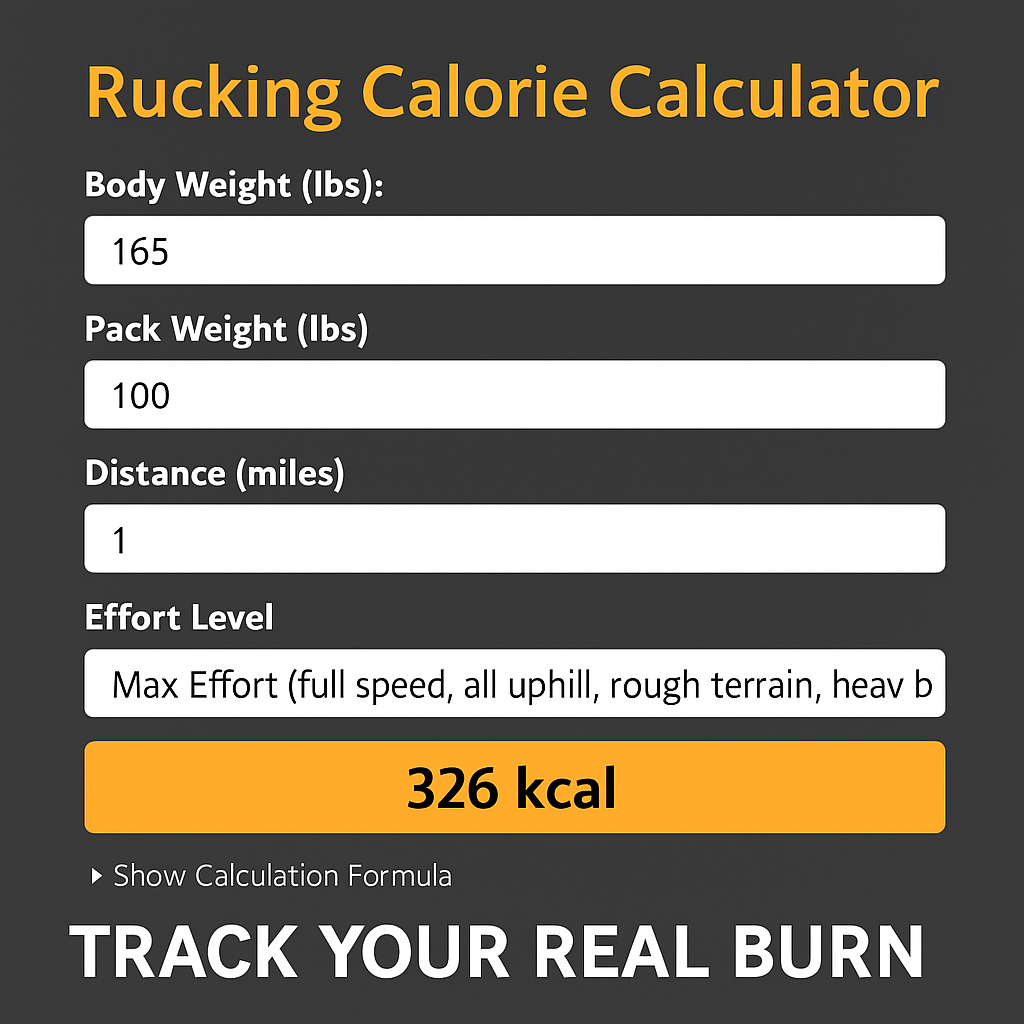
As someone who’s coached and rucked hundreds of sessions, I prioritize plates that let athletes move well and recover quickly between efforts. If you’re tracking calorie burn or planning load progression for a multi-week plan, try the rucking calorie calculator below to estimate session cost and tweak load or duration.

Choose plates that match your training goals: slim, durable plates for CrossFit intensity, robust steel for incremental loading, and high-capacity systems for heavy strength work. Test fit before you buy and prioritize movement quality over adding weight too fast.