Why the right weight plates for a 5.11 vest matter
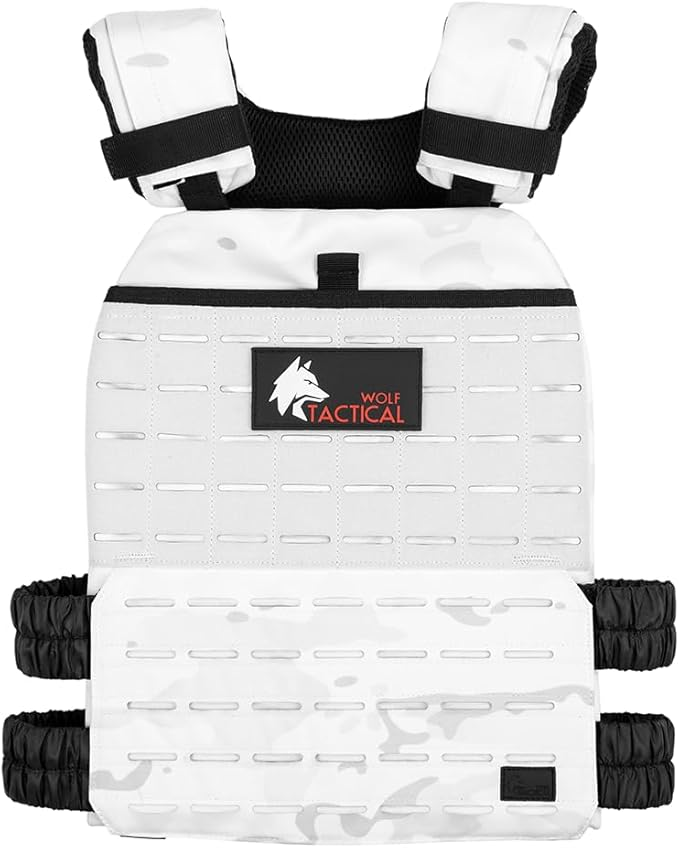
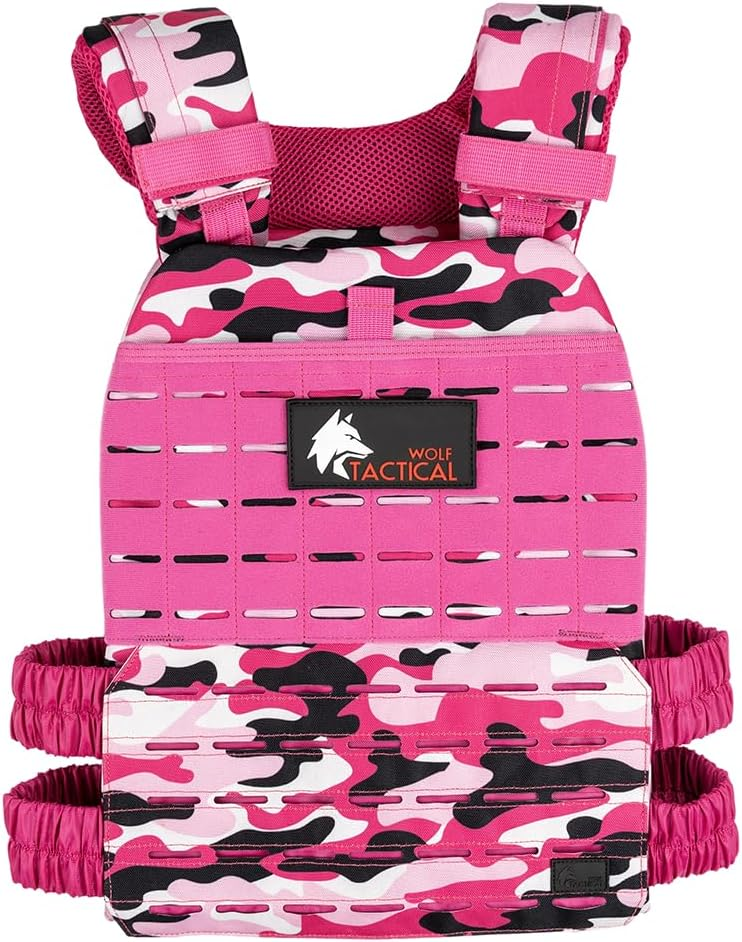
Loading a 5.11 TacTec-style vest with the wrong plates changes feel, balance, and safety. Plates that are too thin, oddly shaped, or made from brittle materials can shift under load. Choose plates that sit flat, distribute weight evenly, and match the vest’s internal pockets so you maintain posture and avoid hotspots when rucking or doing conditioning work.

What to look for in plates
When buying weight plates for a 5.11 vest, prioritize these attributes:
- Compact footprint so plates sit fully inside the vest pockets without folding or bunching.
- Rounded edges and uniform thickness to prevent pressure points and stitching wear.
- Durable materials (cast iron, steel, or rubber-coated steel) to resist cracking and reduce noise.
- Progressive increments (2.5–10 lb increments) so you can add small, measured loads.
Common plate sizes and materials
Vests like the 5.11 TacTec accept a variety of fills. Here are practical options and how they change feel:
- Small steel/iron plates (2.5–5 lb): Great for incremental progression and balanced distribution across pockets.
- Mid-size plates (10–15 lb): Efficient for quick increases in load but require careful placement to avoid shifting.
- Sandbags or flexible packs: Conform to the body but can shift; use them for endurance rucks where comfort matters more than rigid loading.
Material matters: cast iron is inexpensive and compact but noisy; steel plates are slimmer and durable; rubber-coated options are quieter and gentler on the vest.
How to load plates into your 5.11 vest
Follow a consistent loading pattern so the vest tracks well when you move. A reliable method:
- Start with the largest plates centered over the spine area and lower pockets to keep the center of mass close to your natural torso center.
- Distribute identical pairs on left/right pockets to avoid lateral imbalance.
- If using smaller plates, stack them evenly and place a thin fabric barrier between metal and the vest interior to reduce abrasion.
- Check that all closures are fully secured and test with a short walk before a longer ruck.
Programming and progression
Progress slowly: increase total load by 5–10% per week depending on your conditioning. For most athletes, adding a 2.5–5 lb plate per workout is safer than jumping by 10 lb. Use weighted walks for base endurance, interval circuits for conditioning, and periodic heavy sets for strength adaptations.
Safety tips and maintenance
Inspect plates and vest after every heavy session. Look for worn stitching, sharp burrs on metal plates, or plate edges that now protrude. Replace or wrap plates that threaten the vest shell. When rucking, maintain a strong posture: chest up, hips neutral, and take measured strides to reduce jarring.
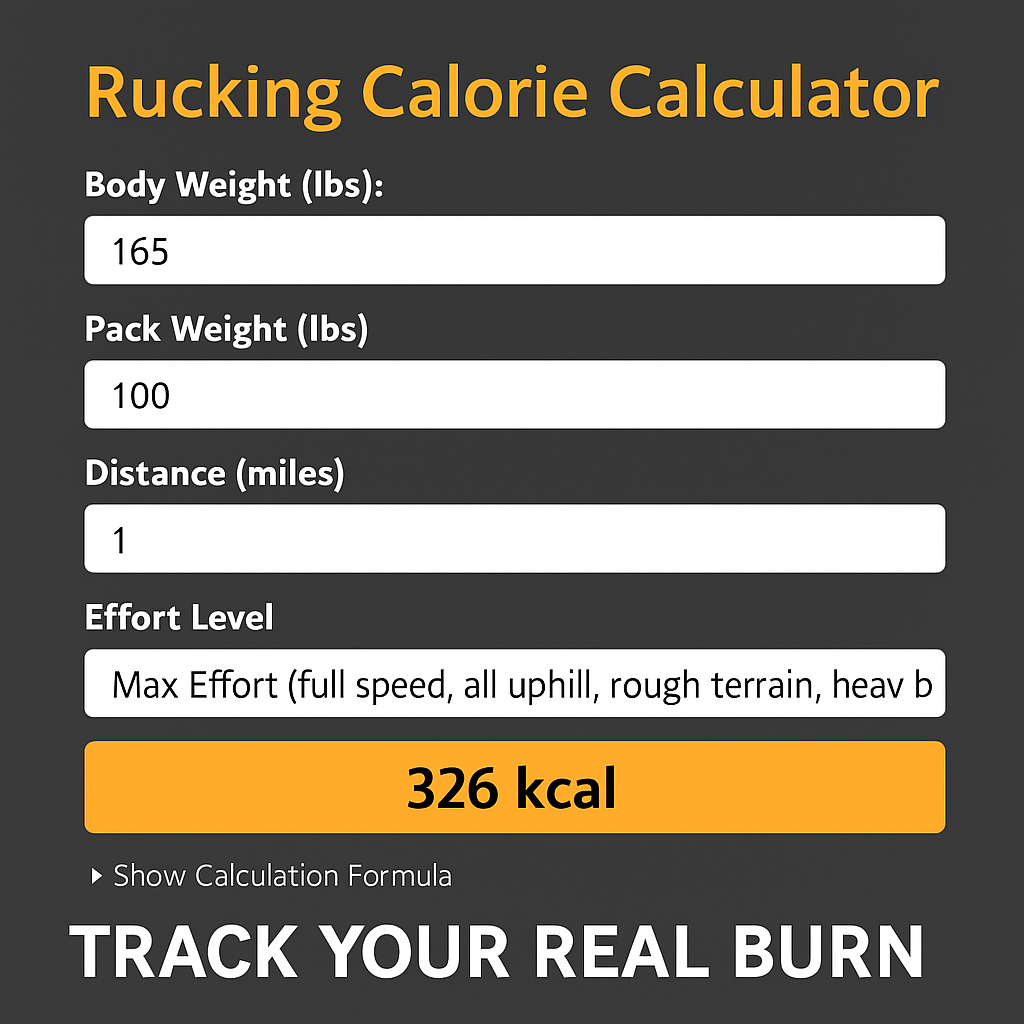
Calculator: estimate calorie burn with loaded rucks
Use the rucking calorie calculator to estimate how different plate loads affect energy expenditure. Try a few scenarios (empty vest, +10 lb, +20 lb) to plan nutrition and pacing for longer rucks.

Practical gear note: if your focus is plate-based conditioning and controlled loading, the 5.11 TacTec Trainer Weight Vest is built to accept compact plates and remains stable during high-movement drills.
Quick checklist before a weighted session
- Confirm plate pairing and symmetry.
- Secure all closures and test with a 5-minute walk.
- Use progressive loading and monitor fatigue.
Choosing the right weight plates for your 5.11 vest is about balance: matching increments to your progression plan, selecting durable materials, and loading consistently so every ruck or workout is predictable and safe.