Why Rogue fitness vest plates matter
When you add plates to a weighted vest you change the center of mass, joint loading, and how the vest rides during movement. Rogue fitness vest plates are a popular option because of their compact profile and durable finish, but not every plate works the same in every vest. This post walks through the practical differences—size, material, fit, and safety—so you can pick plates that support both rucking and aggressive fitness work.
Key considerations before buying plates
- Compatibility: Confirm plate dimensions match your vest pockets. Larger plates can bunch or create pressure points.
- Material and profile: Cast iron is economical, but low-profile composite plates can be more comfortable and distribute load better.
- Weight increments: Smaller increments (2.5–5 lb) let you progress safely. Heavy single plates are useful for strength, but not always for dynamic training.
- Retention and movement: Plates should sit snugly—no shifting or noise during runs, sprints, or fast-paced circuits.
Sizing, shape, and how they affect movement
Rogue-style plates are often compact and rectangular or rounded rectangles to fit vest pockets and avoid edges digging into the body. If your vest has removable plate sleeves, test a single plate in each pocket and do a movement check: squats, lunges, and a short power walk. Any plate that rocks, slides, or creates a pinch point will degrade technique and increase injury risk over time.
Material choices and practical tradeoffs
Cast iron and steel are dense and compact but can be unforgiving against the body. Polyurethane or composite plates add comfort and reduce rattling while still providing similar mass. If you favor long rucks, look for plates that balance durability with comfort.
Recommended plate options and when to use them
For heavy strength-based loading and calisthenics where you want secure, stable mass, I recommend a high-capacity system like the Kensui EZ-VEST® MAX V2 because it’s designed to handle large total loads without shifting. For modular incremental loading and rucking plates, a simple ruck plate like the Yes4All Ruck Weight Plate set gives you flexibility at a lower price point.


Practical setup and safety checklist
- Start light and progress slowly: add no more than 5–10% bodyweight per week when adapting to plates.
- Assess movement: walk, hike, squat, and do a few burpees with plates installed to check for hotspots.
- Use padding or a thin liner if you feel edge pressure—better to reduce load temporarily than mask pain.
- Secure each plate and check fasteners before every session; small shifts compound over distance.
Estimate calorie burn with your plate setup
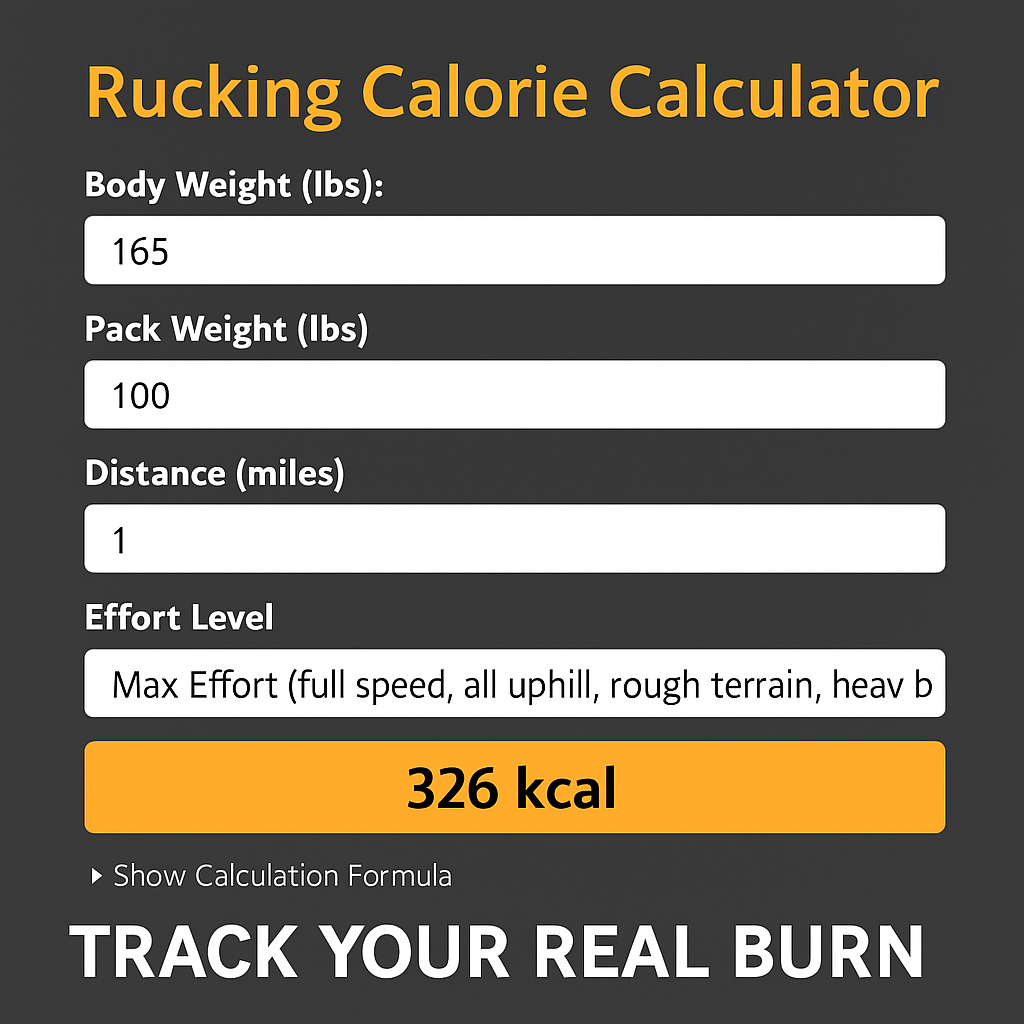
Knowing how plates change your calorie burn is useful for both weight loss and performance planning. Use the rucking calorie calculator below to model how added weight affects energy expenditure on walks or rucks. Click the image to open the calculator and input your vest weight, plate total, pace, and distance.

Final takeaway
Rogue fitness vest plates are a solid choice when they match your vest pockets and training goals. Prioritize plate profile, secure retention, and small incremental jumps in weight. For heavy loading, systems like the Kensui EZ-VEST® MAX V2 are purpose-built; for modular rucking and budget-friendly progressions, the Yes4All plates work well. Use the calorie calculator to translate added mass into energy cost so your training and nutrition stay aligned.