What the Chris Heria vest is meant to do
If you follow calisthenics influencers, you’ve seen the Chris Heria vest used to add load to pull-ups, dips, running, and bodyweight circuits. In practice, a vest that feels secure during dynamic movement is more useful than one that looks good on camera. This post covers practical fit, programming tips, and how to choose the right weighted-vest approach for calisthenics and strength work.
Fit and stability: the foundation
For weighted calisthenics you need a vest that stays put during kipping pull-ups and explosive movements. Look for these features:
- Tight, low-profile profile over the torso so plates don’t shift during swinging.
- Wide shoulder straps and adjustment points to keep load centered.
- Durability where plates insert — rip-stop fabrics or reinforced seams.
A vest that shifts will change the mechanics of a movement and increase injury risk. If the Chris Heria vest you’re evaluating has removable plates or modular loading, test it with the exact exercises you plan to do before committing to heavy weights.
Programming tips for weighted calisthenics
Start conservative. Add 2.5–5% of bodyweight as a first step and track reps and form. Use progressive overload with either increased weight or extra sets, not both at once. A simple approach:
- Week 1–2: Bodyweight + light vest (2.5–5% BW), build consistent technique.
- Week 3–6: Add volume (extra set or two), keep weight constant.
- Week 7+: Add small plate increments (2.5–5 lb) only when you can complete target reps with perfect form.
For explosive moves, favor lighter increments and prioritize landing mechanics. For pure strength (weighted pull-ups, dips), you can progress heavier but maintain full range of motion.
Heavy-loading option: Kensui for serious strength work
If you plan to push heavy for calisthenics strength — weighted muscle-ups, high-load pull-ups, weighted pistol squats — consider a vest built for larger plates and high capacity. The Kensui EZ-VEST® MAX V2 is designed to handle substantial weight without sacrificing low-profile fit.
Kensui EZ-VEST® MAX V2 works well when you need robust loading and reliability for frequent heavy sessions.

Safety checklist
- Warm up joints before loading—scapular pull-ups and banded mobility for shoulders.
- Progress in small weight increments; avoid sudden large jumps.
- Keep torso tight—weighted calisthenics exaggerates core demands and can expose weak bracing.
- Inspect vest seams and plate pockets regularly if you train frequently.
Want to estimate calorie burn or load effects?
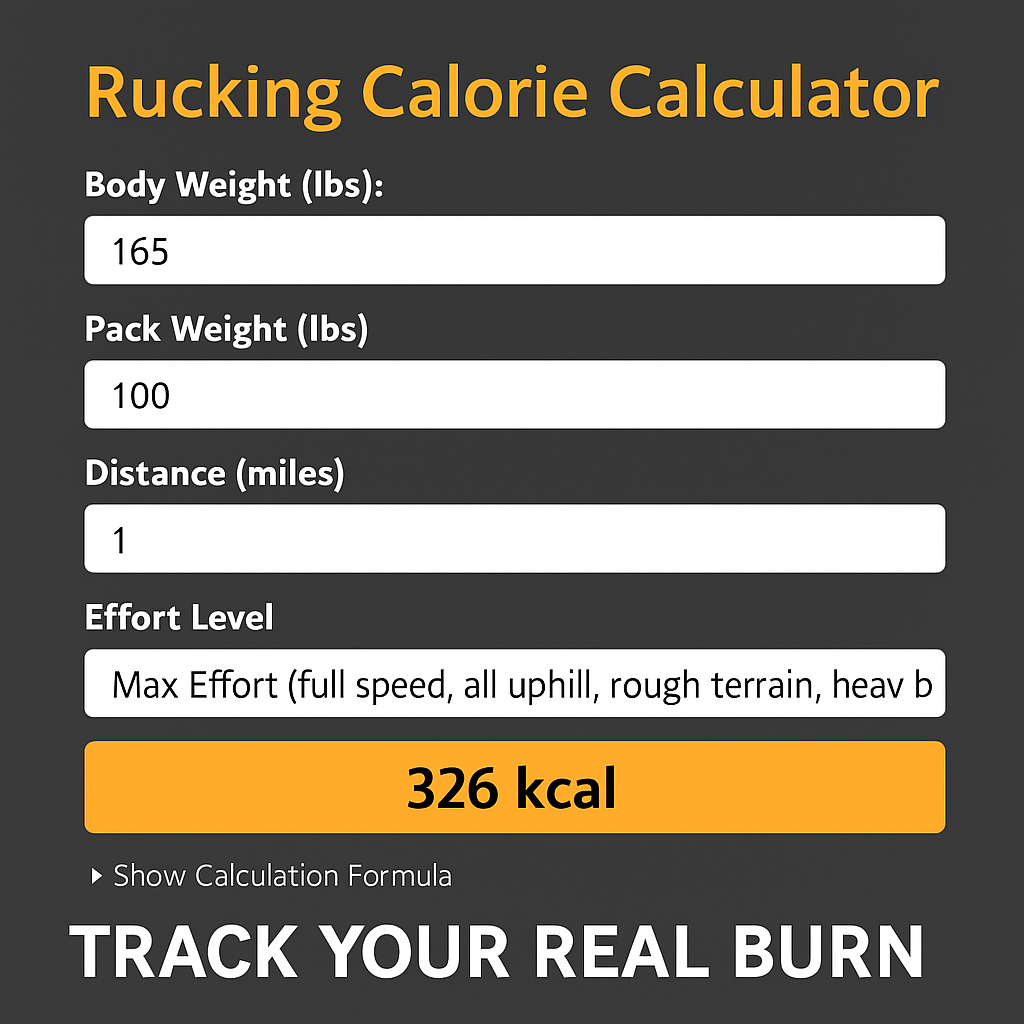
Estimating the extra work a vest adds can help plan recovery and nutrition. Try the Rucking Calorie Calculator to get a quick estimate for weighted walking or conditioning sessions:

Final guidance
Not every vest labeled for a creator will work for your training. Prioritize fit and adjustability, then capacity. If your goal is heavy calisthenics strength, choose a high-capacity vest like the Kensui EZ-VEST® MAX V2. If you’re doing mixed conditioning, a lower-profile vest that locks plates close to the body is often better. Train deliberately: add weight slowly and keep technique as the top priority.