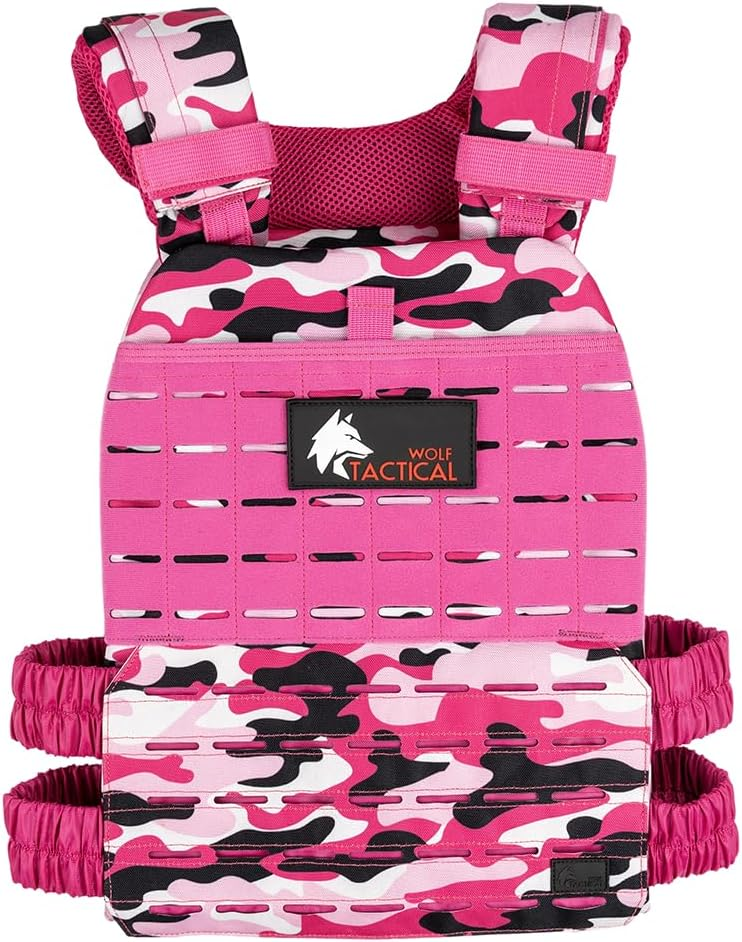
Why a weight lifting vest works
A weight lifting vest is a simple tool that adds external load to bodyweight movements and walking-based conditioning. Used correctly, it increases metabolic demand, improves strength in movement patterns, and forces better posture under load. I write from field experience as an ISSA-certified trainer: the vest is one of the cleanest ways to turn walking, lunges, pull-ups, and push-ups into progressive resistance work without a gym.
Who should use a weight lifting vest?
A vest fits athletes who want to:
- Progress bodyweight strength (pull-ups, dips, pistols).
- Add steady-state calorie burn to cardio sessions (walks, rucks, farmer carries).
- Bridge gym and outdoor training—especially when space or equipment is limited.
Choosing the right vest
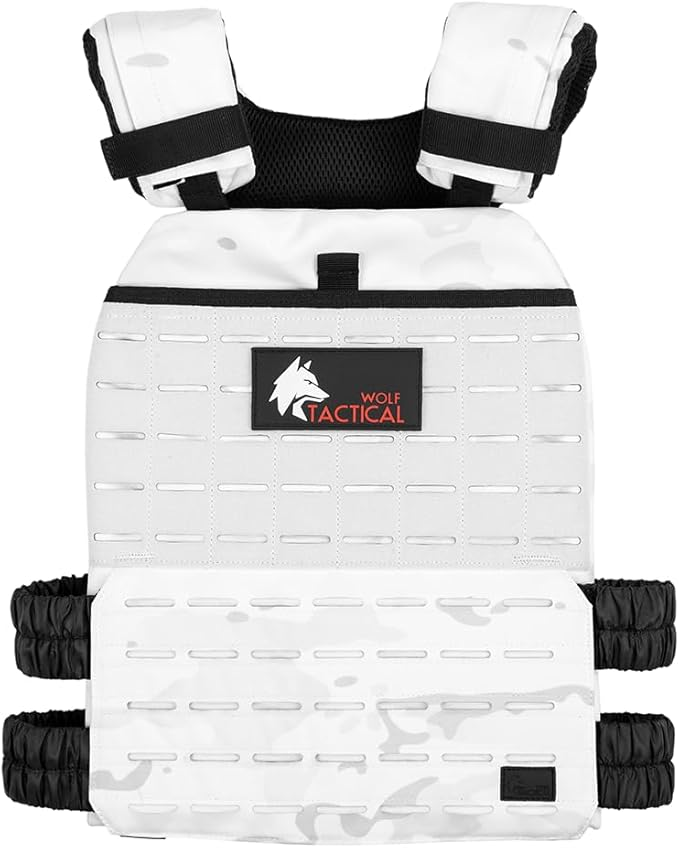
Not all vests are built for the same job. If you plan heavy, strength-focused sets and calisthenics, prioritize a high-capacity, rigid plate-style system. For mixed cardio and comfort on long walks, choose something with good padding and breathable materials.
For heavy lifting-style work, consider the Kensui EZ-VEST® MAX V2 for its high weight capacity and plate compatibility. It’s built to handle progressive loading when you’re chasing strength while keeping movement clean and secure. Visit the Kensui EZ-VEST® MAX V2 for specs and capacity:

Programming with a weight lifting vest
Program the vest like any other progressive overload tool. Start light, add small increments, and prioritize movement quality. A sample progression looks like this:
- Weeks 1–2: Bodyweight sets to build technique (no vest or 5–10 lb).
- Weeks 3–6: Add 10–20% of bodyweight for sets of 6–12 reps on push/pull movements.
- Weeks 7+: Increase load in 5–10 lb increments as form permits; cycle volume to avoid joint fatigue.
For walking or rucking, use vest weight conservatively—10–15% of body weight is a safe starting point for longer efforts. Short hill sprints or interval circuits can handle relatively heavier loads, but return to lighter weight for technique-heavy gym lifts.
Sample workouts
- Strength circuit: Weighted pull-ups 5×5, weighted push-ups 4×8, weighted step-ups 3×8 each leg.
- Conditioning: 45–60 minute brisk weighted walk (10–15% bodyweight), punctuated with 5 x 20-second hill sprints.
- Hybrid: 20-minute EMOM alternating kettlebell swings and vest push-ups for metabolic conditioning.
Safety and recovery
Prioritize posture and spinal alignment. A poorly fitted vest can cause compensation in the lumbar spine or shoulders. Use good footwear, manage volume, and schedule mobility and unloading days. If you experience persistent joint or spine pain, drop weight and consult a clinician.
Estimate calorie impact
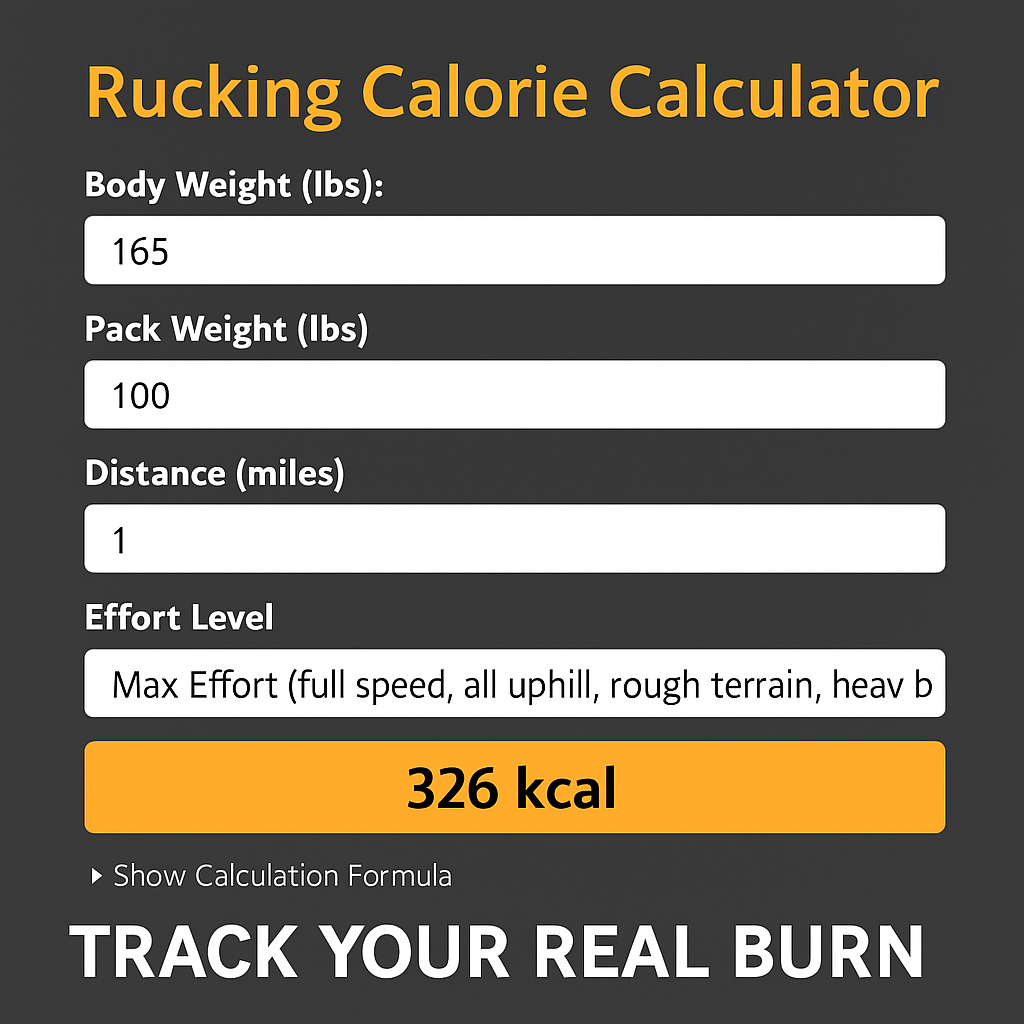
Want to estimate how many calories a weighted session burns? Use the Rucking Calorie Calculator to model walking or rucking with a vest. It’s the quickest way to compare loads, distances, and pace.

That calculator gives a practical baseline so you can plan training and nutrition around your goals.
Final takeaways
Used intelligently, a weight lifting vest expands your options—letting you combine strength, conditioning, and outdoor work in a single piece of gear. Start conservatively, prioritize technique, and pick the vest that matches your primary goal: heavy strength, mixed conditioning, or long-distance rucking.