Why a firefighter weighted vest matters
Working as a firefighter demands a mix of strength, conditioning, and mobility while wearing heavy personal protective equipment (PPE). A firefighter weighted vest lets you simulate the external load of turnout gear and SCBA during focused conditioning sessions without always suiting up. When used correctly it improves load carriage tolerance, accelerates work capacity under stress, and reduces the surprise of real-world loads.
Key benefits
- Specificity: train in the movement patterns you use on shift — stair climbs, hose advances, casualty drags — while matching external load.
- Cardio under load: build aerobic power while carrying weight to make on-shift tasks feel easier.
- Progressive adaptation: increase vest weight incrementally to avoid injury while steadily improving work capacity.
How to choose weight and fit
Start conservative. For most firefighters new to weighted training, 5–10% of bodyweight is a reasonable starting point for conditioning work. If you already perform structured strength training, 10–15% bodyweight for ruck-style conditioning or 15–25% for short strength circuits is appropriate. Fit matters: the vest should sit high on the torso, not ride up or allow the plates to shift. Mobility through the shoulders, neck, and hips should be preserved.
Practical fit checklist
- Vest sits flush against the chest and upper back, not sagging low.
- Plates are secure and don’t shift during a sprint, lunge, or stair climb.
- You can perform an overhead reach and turn your head while wearing PPE and the vest.
Sample firefighter weighted vest workout
Rotate this 2–3x per week, not on consecutive heavy shift days. Use a challenging but controlled weight.
- Warm-up: 8–10 minutes dynamic mobility — hip hinges, banded shoulder distractions, air squats.
- EMOM 12 minutes: odd minutes 10 step-ups per leg (weighted vest), even minutes 8 push presses (bodyweight or light DBs).
- Cardio block: 20–30 minute loaded stair interval — 5 minutes easy, 1 minute hard, repeat. Keep breathing steady and posture tall.
- Cool-down: soft tissue, breathing control, and a short mobility routine for neck and thoracic spine.
Safety and on-shift considerations
Don’t use a heavy vest the day before a physically demanding shift unless your body is well-adapted. If you train in full turnout gear infrequently, introduce vest sessions first to build tolerance. Watch for compensations: excessive lumbar extension, forward head, or short stepping on stairs are signs to reduce load.
Checklist before a session
- Inspect vest and plates for wear and secure fasteners.
- Hydrate and plan for cooling if training in PPE or summer months.
- Progress weight gradually — 5% bodyweight changes are significant.
Estimate calorie burn for loaded work
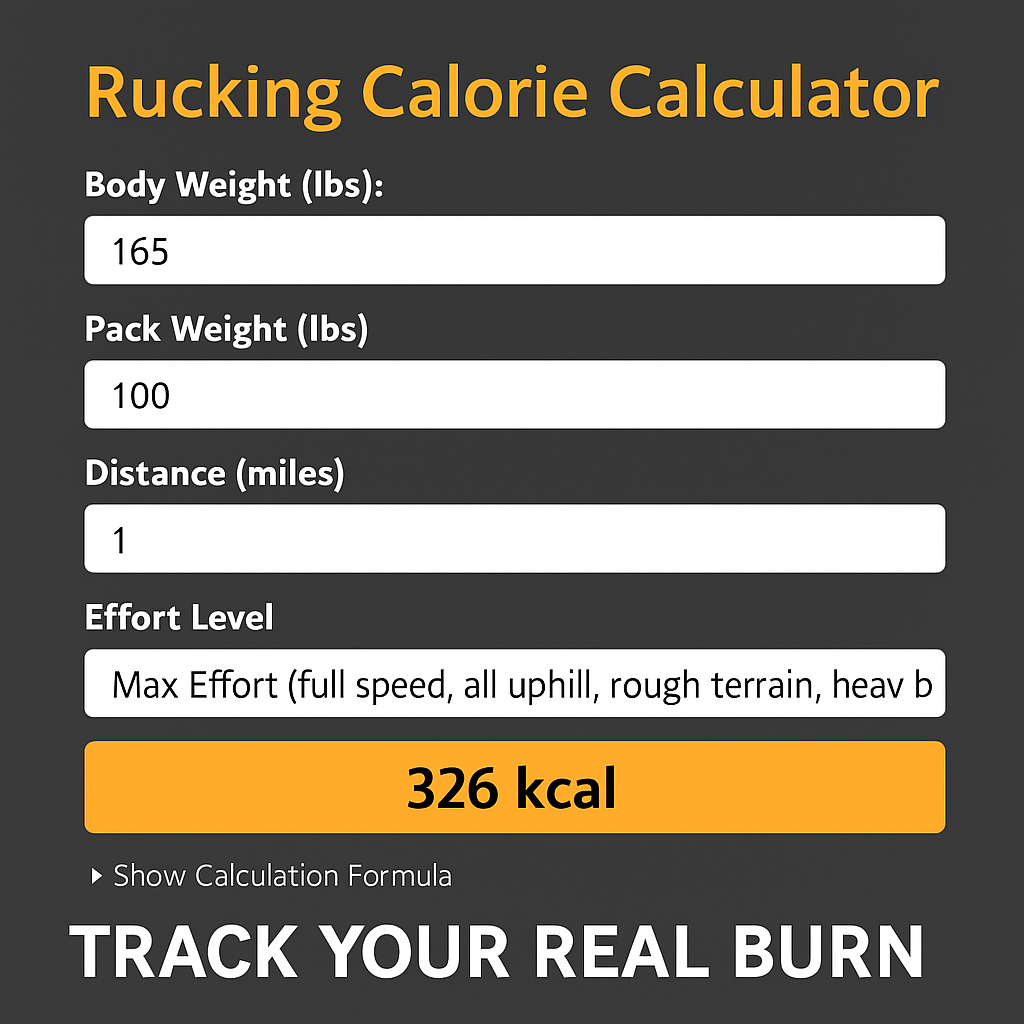
Want to estimate how many calories a loaded stair session or ruck-style training burns? Use the rucking calorie calculator below to input weight, speed, and load. It’s a practical tool to guide nutrition on heavy training days.

Recommended gear for firefighters
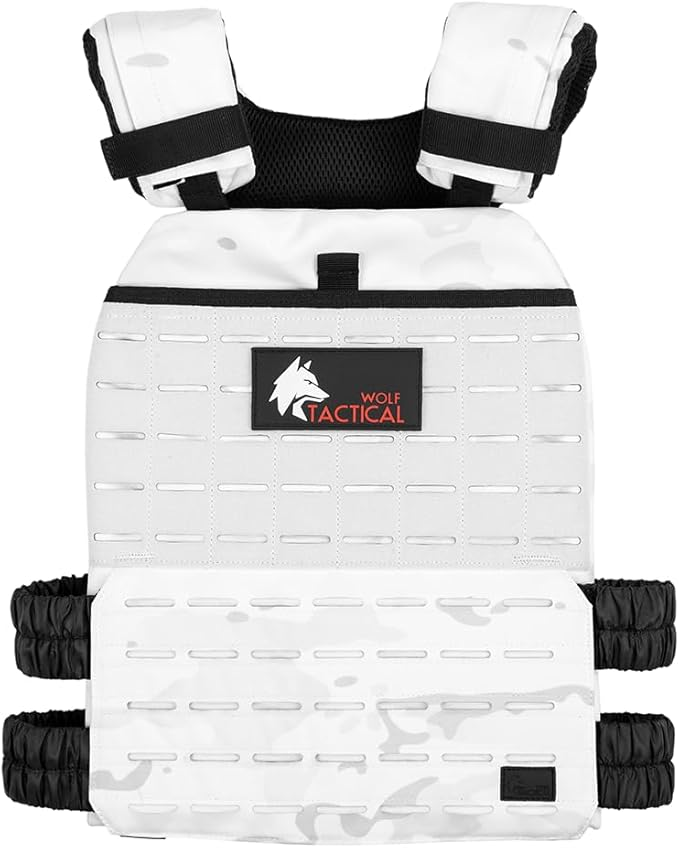
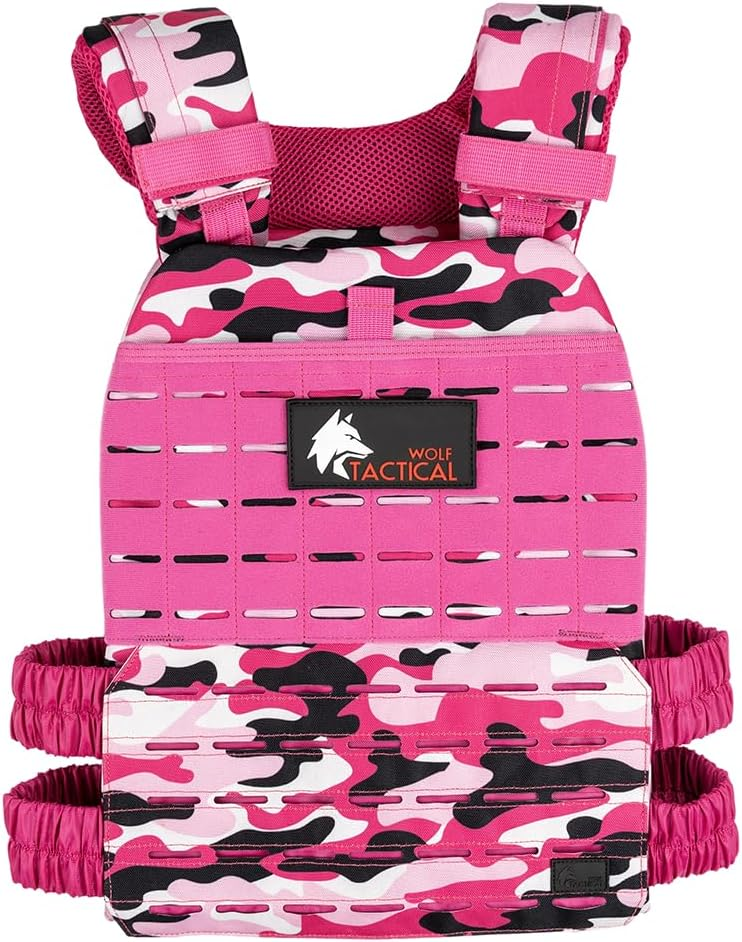
A vest designed for mobility and secure plate placement works best for firefighting-focused training. For a durable, simple option suitable for walking, stair work, and agility while maintaining mobility, consider the WOLF TACTICAL Simple Weighted Vest. Below is the product image and quick benefit.

Bottom line
A firefighter weighted vest is a targeted tool to build job-specific work capacity if used judiciously. Prioritize fit, gradual progression, and mobility. Track session intensity with short cardio intervals and use the rucking calorie calculator to guide recovery and nutrition on heavy training days.